
Comprehensive Analysis of Itik Pinas
In-depth look at the development, features, and potential impact of the improved Philippine duck breed
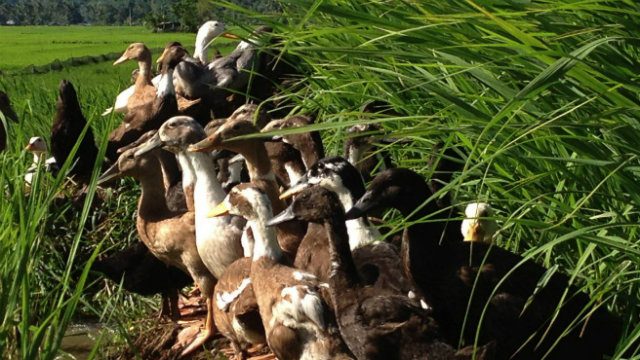
Key Highlights
- Enhanced Egg Production: Itik Pinas demonstrates a significant increase in egg yield, leading to improved farm profitability.
- Disease Resistance & Adaptability: Developed for local climatic conditions, this breed shows robust health and lower mortality rates.
- Integration in Diverse Farming Systems: The breed fits seamlessly into both intensive operations and integrated rice-duck farming models.
Introduction to Itik Pinas
Itik Pinas is an advanced breed of the Philippine Mallard duck that has been developed with the aim of transforming the local poultry industry. By addressing the limitations of traditional duck breeds—such as lower egg production and higher susceptibility to diseases—researchers and agricultural experts have been successful in creating a breed that not only enhances productivity but also supports the livelihoods of small-scale farmers. Through systematic breeding, selection, and extensive scientific research, this breed now plays a pivotal role in the rural agricultural landscape.
Enhanced Egg Production
Egg Yield and Productivity
One of the major improvements observed in Itik Pinas is the significant enhancement in egg production. Compared to traditional duck breeds that produce approximately 200 eggs per year, Itik Pinas stands out by producing around 260 eggs annually. The increased productivity is influenced by several key factors:
Extended Productive Period
The breed benefits from an extended productive period lasting about 70% of the year, compared to only 55% for older breeds. This longer period of active laying translates into additional eggs per year, which in turn contributes to increased income for farmers.
Egg Quality and Market Relevance
Approximately 80% of the eggs laid by Itik Pinas weigh around 65 grams, meeting high-quality standards that are particularly important in the balut industry. In a market where consistency and quality directly influence consumer preference and price, these characteristics ensure that the eggs are both desirable and profitable.
Disease Resistance and Adaptability
Built for Local Conditions
The genetic enhancement of Itik Pinas has not only focused on increasing egg production but also on fortifying the birds against common diseases. The breed exhibits robust resistance to prevalent poultry diseases, which significantly reduces the risk of outbreaks that can decimate flocks. Moreover, its ability to thrive in the local climatic conditions of the Philippines means that it is well-suited to environments where traditional breeds would struggle. This advantage leads to lower mortality rates and less reliance on expensive veterinary care, thereby reducing production costs.
Lower Mortality Rates
The resistance to diseases and stress-induced mortality means that farmers can expect a more stable and predictable yield. This reliability is especially important for smallholder farmers who may not have the resources to manage large-scale losses.
Adaptability to Farming Systems
Itik Pinas is versatile, performing well in both intensive and semi-intensive systems. Its adaptability extends to integration in rice-duck systems, where the presence of ducks can help manage pests and contribute to field fertilization while benefiting from the natural habitat provided by the rice paddies.
Farming Systems and Economic Benefits
Integration in Traditional and Modern Farming
The adaptability of Itik Pinas makes it a strategic choice for farmers engaged in both modern intensive production and traditional agricultural practices. The breed's ability to fit into integrated rice-duck systems is especially noteworthy. When used in such systems, ducks contribute to pest management and the natural fertilization of rice fields, resulting in a mutually beneficial relationship.
Economic Impact on Rural Farming Communities
The higher egg production, coupled with lower running costs due to disease resistance, means that farmers can realize a higher return on investment. The financial benefits include increased profitability through higher yields of egg products such as balut, which is a prized item in the local market. Furthermore, the stability and predictability in production help create a more sustainable income for smallholder farmers.
Table: Comparative Production Metrics
| Metric | Traditional Duck Breeds | Itik Pinas |
|---|---|---|
| Eggs per Year | Approximately 200 | Approximately 260 |
| Productive Period | 55% of the year | 70% of the year |
| Egg Weight Consistency | Varied | 80% at 65 grams or more |
| Disease Resistance | Lower, more variable | Higher; specifically bred for local disease challenges |
Breeding, Nutrition, and Future Prospects
Scientific Breeding and Genetic Selection
The creation of Itik Pinas is the result of dedicated research and systematic breeding efforts by national agricultural research bodies. By employing a carefully planned selection process, scientists were able to enhance the genetic traits that lead to higher egg production, better disease resistance, and improved adaptability. This scientific approach has not only set a precedent for improving native breeds but has also fueled interest in similar initiatives in other regions where traditional breeds have underperformed.
Feeding Strategies and Nutritional Programs
To maximize the potential of Itik Pinas, extensive research has been aimed at developing feeding programs that support various stages of the duck's growth. During the growing phase, ducks are often given a developer diet between 12-15 weeks of age. This is followed by a pre-lay diet at 16-18 weeks, and finally a layer diet once the ducks begin producing eggs. These targeted nutritional strategies ensure that the birds are well-prepared for the high demands of egg production, leading to enhanced overall performance.
Challenges and Recommendations for Wider Adoption
Despite the proven benefits, the widespread adoption of Itik Pinas has encountered several challenges. Primary among these are the issues of accessibility, limited knowledge about the breed among small-scale farmers, and financial constraints that inhibit the initial transition from traditional breeds. To address these challenges, experts have recommended several strategies:
Improved Access Through Public Hatcheries
Establishing public hatcheries would significantly enhance the availability of Itik Pinas to farmers across the Philippines. By making quality ducklings more accessible, especially for those in remote areas, producers can reduce the initial costs associated with transitioning to this advanced breed.
Farmer Education and Capacity Building
For the effective adoption of Itik Pinas, it is crucial to work on capacity-building programs that educate farmers on the best practices in duck management and the specific nutritional and environmental requirements of this breed. Workshops, demonstration farms, and educational materials can help disseminate vital information that empowers farmers to maximize the benefits of keeping Itik Pinas.
Integration with Sustainable Agricultural Practices
Incorporating Itik Pinas into integrated farming systems, such as rice-duck farming, further promotes sustainability. In these systems, ducks help control pests and maintain healthy ecosystems within rice fields, while farmers benefit from the dual output of rice and duck eggs.
Opportunities for the Future
Broadening Genetic Diversity and Enhancing Breeding Programs
The establishment of Itik Pinas represents a transformative milestone in poultry genetics and breeding. Continued research and investment in genetic programs are expected to produce even more resilient and productive strains in the future. By continually assessing and integrating new genetic variations, agricultural research can further optimize traits such as cold tolerance, feed efficiency, and reproductive performance.
Market Expansion and Diversification
With its proven capacity for high egg production and robust health, Itik Pinas is well-positioned to spur further innovation in the poultry market. As consumer demand for high-quality, locally produced egg products increases, there is potential for expanding into new markets, including processed food products, exports of specialty eggs, and value-added agricultural products centered around the unique characteristics of this breed.
Leveraging Technology and Data-Driven Farming
The future of Itik Pinas in agribusiness can also be advanced by embracing digital tools and data-driven farming practices. Utilizing technology for monitoring bird health, managing feed schedules, and analyzing production data can optimize operations and ensure that farmers maximize yields. Integrating sensor-based monitoring and cloud-supported data analytics will help create predictive models for egg production, further enhancing the profitability of duck farms across rural areas.
References
- Itik Pinas: The Native Duck Behind the Philippines' Favorite Balut - mb.com.ph
- Itik Pinas Improves Egg Production - pcaarrd.dost.gov.ph
- Itik Pinas Developments and Insights - tridge.com
- Advanced Research on Itik Pinas - cabidigitallibrary.org
- Itik Pinas Policy Brief - ukdr.uplb.edu.ph
- Egg Quality Traits of Itik Pinas - researchgate.net
- Integrated Rice-Duck Farming Benefits - mb.com.ph
- Building Rural Enterprises with Itik Pinas - pcaarrd.dost.gov.ph
-
Bureau of Animal Industry - bai-nsprdc.dost.gov.ph
-
Philippine Department of Agriculture - agriculture.ph
Recommended Queries
Last updated March 2, 2025