
Ivermectin and COVID-19: Unpacking the Evidence on Its Usefulness
A deep dive into clinical trials, expert opinions, and the scientific consensus on ivermectin's role in treating COVID-19.
The question of whether ivermectin is a useful treatment for COVID-19 has been a subject of significant public interest and scientific investigation since the early stages of the pandemic. While initial laboratory studies and some smaller, less rigorous trials suggested potential benefits, the overwhelming scientific consensus, based on extensive research including large-scale randomized controlled trials (RCTs) and systematic reviews as of May 2025, is that ivermectin does not offer clinically meaningful benefits in treating or preventing COVID-19.
Key Highlights: The Current Stance on Ivermectin
- No Significant Clinical Benefit: Large, high-quality clinical trials have consistently shown that ivermectin does not significantly reduce the risk of hospitalization, death, or speed up recovery time in COVID-19 patients, regardless of disease severity or vaccination status.
- Major Health Organizations Do Not Recommend Use: Leading health authorities, including the World Health Organization (WHO), the U.S. Food and Drug Administration (FDA), and the Infectious Diseases Society of America (IDSA), advise against the use of ivermectin for COVID-19 outside of clinical trials due to a lack of evidence supporting its efficacy.
- Safety Concerns with Misuse: While ivermectin is a safe drug when used for its approved indications (like parasitic infections) at correct dosages, using it inappropriately for COVID-19, especially with veterinary formulations or unprescribed high doses, carries risks of side effects and potential harm.
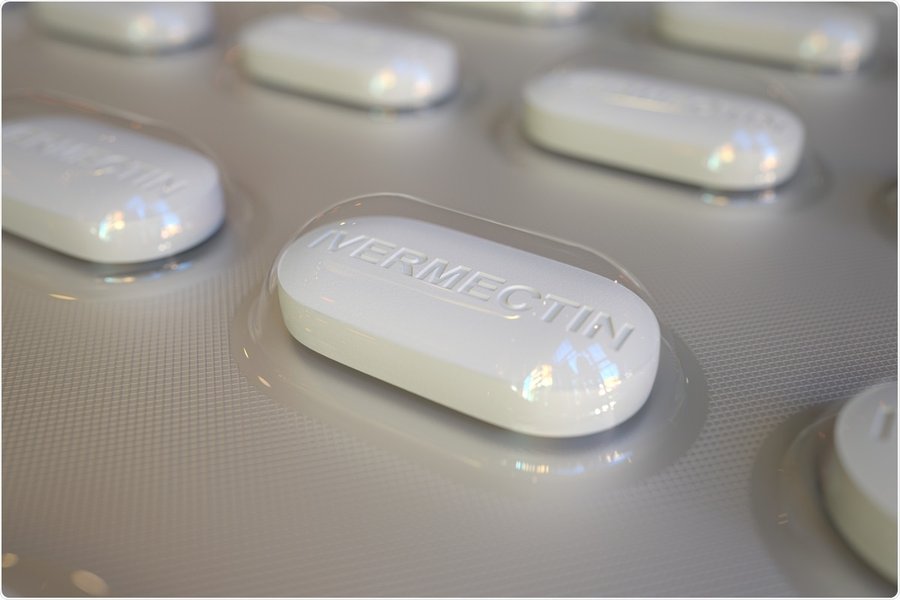
Conceptual image of ivermectin pills alongside a coronavirus model, symbolizing the investigation into its antiviral properties.
The Journey of Ivermectin in COVID-19 Research
Ivermectin, an established antiparasitic agent, garnered attention early in the pandemic due to in vitro (laboratory) studies suggesting it could inhibit the replication of SARS-CoV-2, the virus that causes COVID-19. Some early, small, or observational studies also reported potential benefits like faster viral clearance. These preliminary findings sparked hope and widespread interest, leading to numerous clinical trials worldwide.
Findings from Rigorous Clinical Trials
Despite initial optimism, larger and more methodologically sound randomized controlled trials (RCTs) – the gold standard for evaluating medical treatments – have largely failed to demonstrate any significant clinical advantage of ivermectin for COVID-19 patients.
Key Trial Outcomes
Several prominent studies have investigated ivermectin, including trials assessing its impact on outpatients with mild to moderate COVID-19 and its potential to prevent severe disease:
- No Improvement in Recovery Time: Studies, such as one published in JAMA, found that even higher doses of ivermectin (e.g., 600 µg/kg daily for 6 days) did not significantly shorten the time to sustained recovery in outpatients with mild to moderate COVID-19 compared to a placebo.
- No Reduction in Hospitalization or Mortality: A large trial published in the New England Journal of Medicine (NEJM), known as the TOGETHER trial, concluded that early treatment with ivermectin did not result in a lower incidence of medical admission to a hospital due to progression of COVID-19 or prolonged emergency department observation. Similar findings were reported by the University of Oxford's PRINCIPLE trial, which found no clinically meaningful benefits in reducing COVID-19 related hospitalizations or deaths, particularly in a largely vaccinated population.
- Viral Load and Clinical Outcomes: While some studies noted a statistically significant lower viral load in ivermectin-treated groups, this did not consistently translate into meaningful improvements in clinical outcomes like symptom duration or severity.
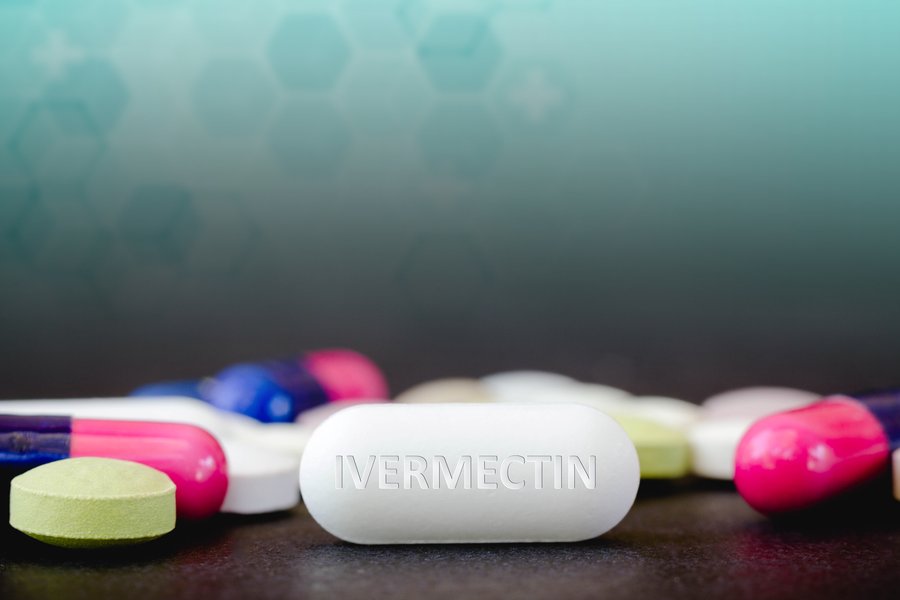
Ivermectin tablets, which were studied extensively for COVID-19 treatment.
Systematic Reviews and Meta-Analyses
Systematic reviews and meta-analyses pool data from multiple studies to provide a more comprehensive picture. While some earlier meta-analyses based on a smaller number of, sometimes lower-quality, trials initially suggested potential benefits, more recent and robust reviews have largely contradicted these findings.
- A Cochrane meta-analysis of 11 trials concluded that ivermectin was not effective for COVID-19 treatment.
- Other systematic reviews have found no significant effect of ivermectin on clinical, non-clinical, or safety outcomes for non-hospitalized COVID-19 patients compared to controls, leading to recommendations against its use in this group.
- A 2025 systematic review highlighted that despite some observed benefits in symptom management in certain studies, ivermectin did not significantly influence critical clinical outcomes like mortality or hospitalization rates.
Ivermectin Efficacy Evaluation: Perceived vs. Actual
The radar chart below illustrates a conceptual comparison of ivermectin's perceived efficacy based on early hopes or anecdotal reports versus its actual efficacy as determined by rigorous clinical trials and regulatory assessments across several key metrics for COVID-19 treatment. The scale ranges from 1 (very low efficacy/benefit) to 10 (very high efficacy/benefit).
This chart visualizes the gap between initial expectations for ivermectin and the more sobering reality revealed by large-scale scientific studies. While early studies hinted at potential, rigorous testing across various patient populations and outcomes has not substantiated these hopes for treating COVID-19.
Expert Opinions and Regulatory Stance
Leading global and national health organizations have consistently advised against the use of ivermectin for treating COVID-19 outside of controlled clinical trials. Their recommendations are based on thorough reviews of the available scientific evidence.
Health experts have emphasized relying on evidence-based treatments for COVID-19.
Key Regulatory Positions:
- U.S. Food and Drug Administration (FDA): The FDA has not authorized or approved ivermectin for the prevention or treatment of COVID-19. The agency emphasizes that currently available data do not show ivermectin is effective against COVID-19 and warns against the use of ivermectin formulations intended for animals, which can be dangerous for humans.
- World Health Organization (WHO): The WHO recommends that ivermectin only be used to treat COVID-19 within clinical trials. Their guidance is based on an evidence review indicating a lack of conclusive proof of its benefits.
- Infectious Diseases Society of America (IDSA): The IDSA guidelines recommend against the use of ivermectin for outpatients with COVID-19, citing low certainty of evidence for its benefit outside of a clinical trial context.
- National Institutes of Health (NIH): The NIH COVID-19 Treatment Guidelines Panel also states that there is insufficient evidence to recommend for or against the use of ivermectin for the treatment of COVID-19.
Understanding the Ivermectin Research Landscape
The journey of ivermectin in COVID-19 research highlights the complexities of drug repurposing and the importance of rigorous scientific evaluation. The mindmap below illustrates the progression of research and the factors influencing the current understanding of ivermectin's role (or lack thereof) in COVID-19 treatment.
Efficacy Assessment"] id1["Initial Interest &
Early Studies"] id1a["In Vitro (Lab) Studies
(SARS-CoV-2 inhibition at high doses)"] id1b["Small Observational Studies
(Mixed/Uncertain Results,
potential for bias)"] id1c["Anecdotal Reports &
Social Media Promotion"] id2["Rigorous Clinical Evaluation"] id2a["Large Randomized
Controlled Trials (RCTs)"] id2a1["Outcome: Recovery Time
(No significant improvement - JAMA)"] id2a2["Outcome: Hospitalization/Mortality
(No reduction - NEJM, Oxford PRINCIPLE)"] id2a3["Higher Doses Tested
(Still no clinically meaningful benefit)"] id2b["Systematic Reviews &
Meta-Analyses"] id2b1["Early Reviews (Some positive signals,
often low-quality/small studies)"] id2b2["Recent/Comprehensive Reviews
(e.g., Cochrane) - No significant benefit"] id3["Regulatory & Health
Organization Guidance"] id3a["FDA (Not authorized/approved
for COVID-19)"] id3b["WHO (Only recommend
within clinical trials)"] id3c["IDSA (Recommends against
use outside trials)"] id3d["NIH (Insufficient evidence
to recommend)"] id4["Public Perception &
Misinformation"] id4a["Surge in Prescriptions
Despite Lack of Evidence"] id4b["Safety Concerns from Misuse
(e.g., veterinary formulations)"] id5["Overall Scientific Consensus
(As of May 2025)"] id5a["Ivermectin NOT effective
for treating COVID-19"] id5b["Focus on proven treatments
& vaccination"]
This mindmap shows how initial laboratory findings and small studies led to widespread investigation. However, more robust, large-scale clinical trials and subsequent systematic reviews failed to confirm these early hopes, leading major health organizations to advise against its use for COVID-19.
Summary of Key Ivermectin Clinical Trial Findings
The table below summarizes findings from some of the pivotal clinical trials that have shaped the current understanding of ivermectin's efficacy against COVID-19.
| Trial/Study (Source) | Patient Population | Ivermectin Dosage Studied | Primary Outcome Measured | Key Finding Regarding Ivermectin |
|---|---|---|---|---|
| JAMA (e.g., Naggie et al., 2023/2024 - ACTIV-6) | Outpatients with mild to moderate COVID-19 | Targeted dose, e.g., ~400 µg/kg or 600 µg/kg daily for 3-6 days | Time to sustained recovery | Did not improve time to sustained recovery compared to placebo. |
| NEJM (Reis et al., 2022 - TOGETHER Trial) | Symptomatic adult outpatients at high risk for severe COVID-19 | 400 μg/kg daily for 3 days | Hospitalization due to COVID-19 progression or prolonged emergency department visit | Did not result in a lower incidence of hospitalization or prolonged ED visits. |
| University of Oxford (PRINCIPLE Trial) | Non-hospitalized adults with suspected or confirmed COVID-19 | Varied, typically standard doses | Time to recovery, COVID-19 related hospitalizations/deaths | Did not provide clinically meaningful benefits; modest reduction in self-reported recovery time deemed not clinically significant. |
| BMC Infectious Diseases (e.g., various systematic reviews) | Often non-hospitalized or mild-to-moderate COVID-19 patients | Varied based on included studies | Clinical outcomes (e.g., symptom resolution, hospitalization), viral load | Some studies showed reduced viral load, but often no significant effect on clinical outcomes. |
The Issue of Misinformation and Unproven Claims
Despite the robust scientific evidence demonstrating a lack of efficacy, ivermectin gained considerable traction as a purported COVID-19 treatment, often fueled by misinformation, anecdotal reports, and discussion on social media. This led to a significant surge in prescriptions for ivermectin for COVID-19, sometimes tenfold above pre-pandemic rates, particularly in certain regions. This phenomenon has been described by some researchers as "wasteful spending and potentially avoidable harm."
The video below from BBC News discusses some of the issues surrounding the research and claims made about ivermectin, highlighting how early or flawed studies contributed to the confusion.
BBC News investigation into some of the clinical trials and claims regarding ivermectin for COVID-19.
It is crucial to rely on evidence-based medicine and the guidance of reputable health organizations when making decisions about medical treatments. The promotion of unproven therapies can undermine public health efforts and lead to individuals forgoing effective, approved treatments.
Frequently Asked Questions (FAQ)
Was ivermectin ever promising for COVID-19?
Why do some people still believe ivermectin works for COVID-19?
Are there any situations where ivermectin might be used for COVID-19?
Is it safe to take ivermectin for COVID-19?
What do studies on higher doses of ivermectin show?
Conclusion
As of May 2025, the comprehensive body of high-quality scientific evidence, including numerous large-scale randomized controlled trials and systematic reviews, indicates that ivermectin is not a useful or effective treatment for COVID-19. It does not significantly improve key clinical outcomes such as recovery time, hospitalization rates, or mortality. Major health organizations worldwide do not recommend its use for this purpose outside of formal clinical trials. Patients are advised to consult with healthcare providers and rely on treatments and preventive measures that have been proven safe and effective through rigorous scientific evaluation, such as approved antiviral medications and vaccines.
Recommended Further Queries
- What are the FDA-approved treatments for COVID-19?
- How do systematic reviews evaluate drug effectiveness for diseases like COVID-19?
- What were the findings of the PRINCIPLE trial on COVID-19 treatments?
- What are the risks associated with using unproven treatments for COVID-19?
References
Last updated May 22, 2025