
Applications of IVHS in Traffic Engineering
A comprehensive guide to IVHS technologies and their innovative roles
Key Highlights
- Real-Time Traffic Management: Utilize adaptive signals, incident detection, and dynamic route guidance to optimize flow and safety.
- Traveler Information Systems: Offer real-time updates and dynamic messaging to improve decision-making and travel efficiency.
- Integrated Smart Control: Enhance vehicle control, automated tolling, and commercial operations through advanced sensors and communication.
Introduction to IVHS
Intelligent Vehicle Highway Systems (IVHS), often interchangeably referred to as Intelligent Transportation Systems (ITS), represent a convergence of advanced technologies tailored to improve the efficiency, safety, and capacity of transportation networks. With a broad spectrum of applications, IVHS leverages real-time data collection, communication networks, and modern sensor technologies to transform traffic engineering practices.
Major Application Areas of IVHS
IVHS is transforming traffic engineering by integrating technology into roadway management. Below are the primary application areas highlighting these innovations:
Advanced Traffic Management Systems (ATMS)
Optimizing Traffic Dynamics
ATMS stands central in applying IVHS by utilizing sensors, cameras, and digital communication systems to monitor and manage traffic flows in real time. This advanced system automatically adjusts and optimizes traffic signal timings, taking into account fluctuations in volume and congestion. With the aid of dynamic algorithms, incident detection systems, and adaptive signal control, ATMS improves roadway throughput and reduces traffic delays.
Notably, the integration of ATMS contributes to safer roadways by enabling immediate response to traffic incidents and reducing the chances of secondary accidents. The system’s adaptive algorithms analyze traffic data continuously, thereby prioritizing areas that require immediate intervention. The result is a more balanced distribution of traffic across major arteries, which enhances overall road safety.
Advanced Traveler Information Systems (ATIS)
Empowering Driver Decisions
ATIS provides valuable, real-time information to drivers and transit users, ensuring that travel decisions are informed by the latest conditions. This system offers service via various platforms, including road-side electronic signs, mobile applications, and in-vehicle display systems. Travelers receive detailed updates about current traffic conditions, estimated travel times, alternate routes, and hazard warnings. Through this continuous stream of information, ATIS helps prevent unexpected delays while improving overall travel reliability.
Additionally, ATIS systems offer dynamic route guidance, which helps redistribute traffic by directing drivers away from congested areas. The ability to receive pre-trip and on-trip updates ensures that drivers can plan routes effectively, making the transportation network more resilient to disruptions.
Advanced Public Transportation Systems (APTS)
Enhancing Public Transit Efficiency
IVHS applications within public transportation are designed to improve both the reliability and attractiveness of transit services. APTS integrates real-time tracking technologies that monitor buses, trains, and other public transport vehicles. This helps in synchronizing schedules, reducing wait times, and providing passengers with up-to-date information regarding their transit rides. By streamlining operations and improving communication between transit agencies and commuters, APTS enhances the overall transit experience.
Passenger-Centric Innovations
Real-time passenger information systems under APTS not only display wait times and schedules but also offer updates about delays and possible route changes. Such capabilities encourage higher public transit usage, reduce vehicle emissions by optimizing departure timings, and contribute to lower overall road congestion.
Advanced Vehicle Control Systems (AVCS)
Automated Control and Safety Enhancements
AVCS represent a critical evolution in automotive technology by incorporating automated control features such as adaptive cruise control, lane-keeping assistance, and collision avoidance systems. These technologies depend on data shared via vehicle-to-vehicle (V2V) and vehicle-to-infrastructure (V2I) communications. By processing and acting upon real-time data, AVCS helps reduce human error, improve safety, and contribute to smoother traffic flow.
The fusion of sensors, intelligent algorithms, and communication systems in AVCS facilitates a transition toward autonomous driving features. This not only enhances driver comfort but also potentially reduces the incidence of traffic accidents as the system can react faster than a human driver in critical scenarios.
Commercial Vehicle Operations (CVO)
Streamlined Logistics and Enhanced Safety
Commercial transportation relies heavily on efficient route management and the timely delivery of goods. IVHS integration in commercial vehicle operations involves real-time tracking, electronic toll collection (ETC), and automated trip logging. These innovations help reduce manual administrative burdens while increasing the reliability of logistics operations. Enhanced routing, optimized scheduling, and the management of heavy truck fleets all contribute to cost reductions and improved safety standards.
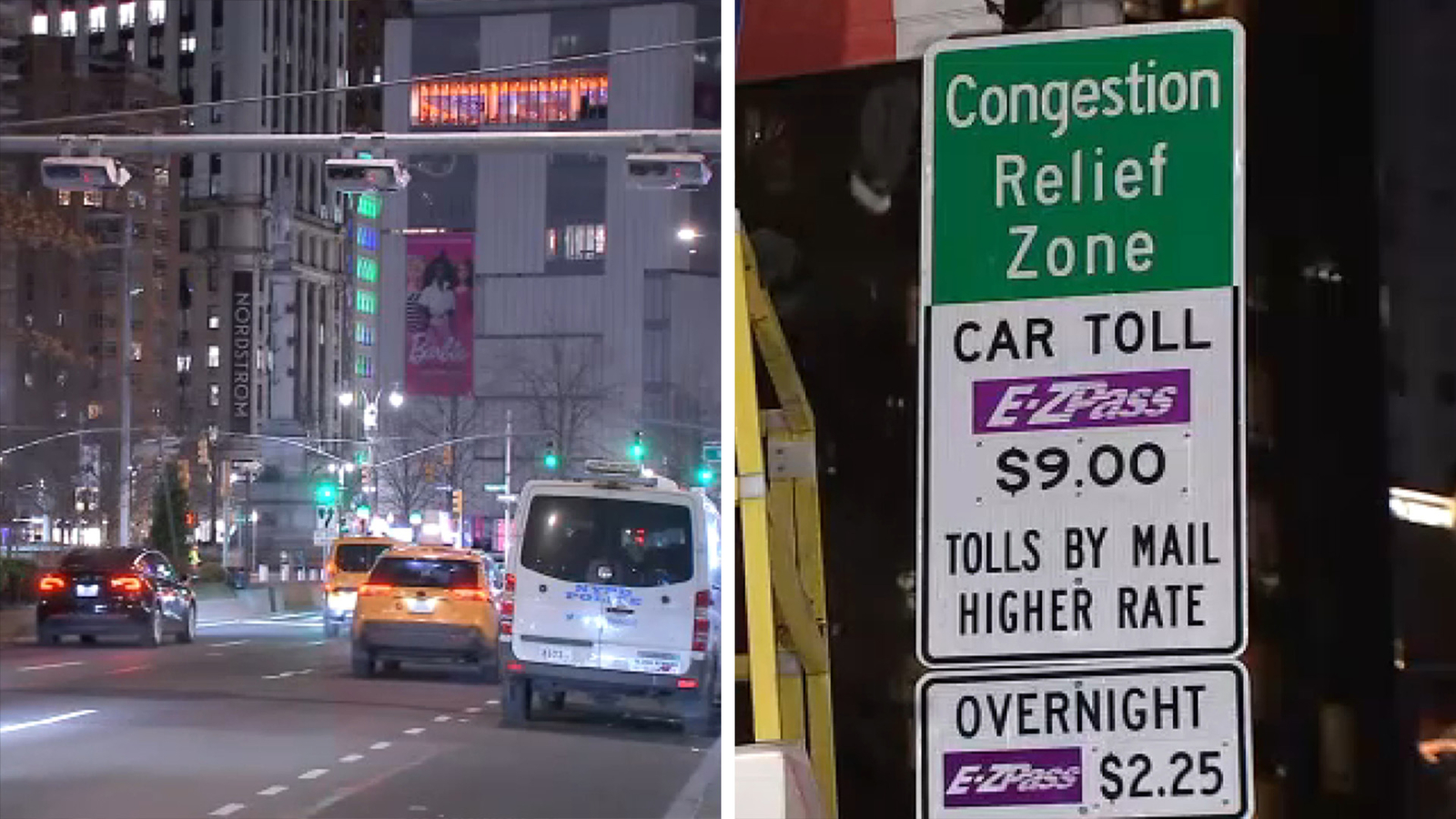
A comprehensive electronic tolling system, often under the purview of CVO applications, eliminates the need for vehicle stops at toll plazas and minimizes congestion. Such systems use wireless communications and transponders to facilitate seamless toll payments, thereby maintaining a continuous flow of vehicles.
Advanced Rural Transportation Systems (ARTS)
Addressing Remote Area Challenges
While urban centers often receive much of the attention in traffic engineering, rural areas pose unique challenges in terms of safety and accessibility. ARTS are specifically designed to address these issues by enhancing road safety, emergency responsiveness, and overall transportation connectivity in less populated regions. Features such as automated traffic lights, enhanced roadside signaling, and remote monitoring technologies ensure that rural roadways become as safe and efficient as their urban counterparts.
These systems help integrate rural transportation into the broader intelligent transportation network, ensuring that all areas, regardless of population density, benefit from technological advancements.
Electronic Toll and Traffic Management (ETTM)
Seamless Transaction and Traffic Flow
Electronic Toll Collection (ETC) is one of the most visible IVHS applications, allowing for efficient toll management without impeding traffic flow. Roadside antennas communicate with vehicle-mounted transponders to facilitate quick, contactless payments. This not only improves driver convenience but also assists in reducing congestion at toll plazas.
Beyond toll collection, ETTM extends to broader traffic management capabilities. Technologies involved in this area facilitate automated data collection and vehicle identification, which are instrumental in enforcing traffic regulations and optimizing roadway usage.
Automatic Vehicle Location (AVL)
Continuous Monitoring for Efficient Operations
AVL systems identify and track the location of vehicles in real time providing crucial data for both traffic management and transportation planning. For public transit and commercial fleets alike, AVL improves resource allocation and route planning. This continuous locational data supports decision-making processes, leading to more responsive traffic control and enhanced safety measures on roadways. AVL systems have emerged as cost-effective methods for long-term data collection compared to traditional manual methods.
Integration and Synergy of IVHS Applications
The true power of IVHS lies in the integration of its various applications, leading to a synergistic effect that multiplies the impact of each individual technology. For instance, real-time data provided by ATIS supports adaptive control strategies in ATMS and AVCS, thereby creating a more responsive network. Similarly, AVL and ETC data serve dual purposes by efficiently managing commercial vehicle operations and providing actionable insights for traffic control centers.
A collaborative infrastructure enables vehicles, infrastructure, and control centers to share critical information seamlessly. This integrated network ultimately results in more fluid traffic patterns, minimized congestion, and improved safety across both urban and rural areas. The progression towards connected vehicles and smart infrastructures opens the door for even greater innovations such as autonomous driving and predictive traffic management.
Comparative Analysis Table of IVHS Applications
| IVHS Application | Key Features | Primary Benefits |
|---|---|---|
| ATMS | Real-time monitoring, adaptive signaling, incident detection | Optimized traffic flow, reduced congestion, enhanced safety |
| ATIS | Traveler information, dynamic route guidance, hazard alerts | Informed driver decisions, reduced delays, enhanced journey planning |
| APTS | Real-time transit tracking, scheduling, passenger information | Improved transit reliability, decreased wait times, higher public uptake |
| AVCS | Adaptive cruise control, collision avoidance, V2V and V2I systems | Enhanced vehicle safety, automated driving support, smoother flows |
| CVO | Real-time fleet tracking, electronic toll collection, logistics optimization | Efficient logistics management, cost savings, improved on-road safety |
| ARTS | Remote monitoring, enhanced signage, automated signals | Increased safety in rural areas, better emergency response, improved connectivity |
| ETTM | Electronic tolling, automated vehicle identification | Smoother traffic flow at tolls, reduced congestion, increased roadway efficiency |
| AVL | Continuous vehicle tracking, GPS integration | Accurate data for routing, efficient traffic management, enhanced service reliability |
Technological Foundations Underpinning IVHS
Underlying all these applications are robust technological infrastructures that make IVHS both effective and scalable:
Sensors and Detection Devices
The Eyes on the Road
Sensors such as inductive loops, radar systems, and video cameras are the backbone of IVHS. These devices collect data about vehicle counts, speed, density, and road conditions. Processing this data in near real time is essential to dynamic traffic management and incident detection.
The reliability of traffic monitoring, whether for ATMS or AVL systems, heavily depends on the accuracy and responsiveness of these primary detection instruments.
Communication Networks
The Digital Nervous System
Communication infrastructures including fiber optics, wireless networks, and satellite communications serve as the nervous system of IVHS. They enable the rapid transfer of critical information between vehicles and control centers. Real-time data exchange is critical for applications such as ATIS and AVCS, where timely information can prevent delays and avoid collisions.
Furthermore, vehicle-to-infrastructure (V2I) and vehicle-to-vehicle (V2V) communications systems are increasingly important as they form the foundation for future autonomous and cooperative driving technologies.
Data Processing and Analytics
The Brain of IVHS
Collected data is analyzed using sophisticated algorithms and machine learning techniques. This analysis supports adaptive signal control in ATMS and assists in providing accurate and timely traveler information in ATIS. Advanced analytics enable decision-makers to predict trends and proactively manage traffic conditions.
Transportation agencies worldwide utilize these systems not only to react to current conditions but to anticipate future challenges, resulting in infrastructures that are continuously learning and improving.
Impact on Traffic Engineering and Urban Planning
IVHS applications influence not just the efficiency of individual roadways, but also long-term urban planning and environmental sustainability. By reducing congestion and optimizing fuel consumption, these technologies contribute directly to lower emissions and support greener urban environments. Integrating IVHS solutions facilitates better land use planning, efficient public transportation, and overall improvements in quality-of-life for urban residents.
As traffic flows become smarter and more adaptive, urban planners can design future cities to be more resilient and responsive to the changing demands of population dynamics and vehicle technology.
References
- An overview of intelligent vehicle highway systems (IVHS) - IEEE Xplore
-
Intelligent Vehicle Highway System: Advanced Public Transportation Systems - ScienceDirect
-
Intelligent Vehicle Highway Systems - ScienceDirect Topics
- Traffic Modeling and IVHS Applications - IEEE Xplore
-
Transportation Research - TRID
Recommended Searches
Last updated March 12, 2025