
Unraveling the Lyrical Tapestry: Jackson Browne's Enduring Hits
A Deep Dive into the Wordsmith's Most Celebrated Compositions
Jackson Browne, an iconic American singer-songwriter, has graced the music world for over five decades with his profound lyrics, soulful vocals, and masterful musicianship. Renowned for his introspective and poetic songwriting, Browne's catalog is a treasure trove of timeless classics that delve into the complexities of the human experience, the fragility of life, and pressing societal issues. His ability to blend the personal with the political, often indistinguishably, makes his songs resonate deeply with listeners.
Key Lyrical Highlights from Jackson Browne's Hits
- "Somebody's Baby": While perhaps not his most critically acclaimed for lyrical depth, "Somebody's Baby" stands as Browne's highest-charting single, a testament to its catchy pop craftsmanship and its ability to perfectly capture the adolescent blur of fevered hormones and weed smoke within the context of the 1982 film "Fast Times at Ridgemont High."
- "Doctor, My Eyes": Browne's first major hit, this song is a masterclass in poignant introspection, featuring lyrics that question the ability of sight after years of witnessing "the slow parade of fears." It's a bouncier track despite its cynical undertones, setting a template for his later explorations of disenchantment.
- "Running On Empty": This track epitomizes the on-the-road lifestyle, with raw, evocative lyrics that capture the transient nature of touring and the constant motion of life. It’s an infectious and thought-provoking anthem that continues to inspire listeners to chase their dreams and live life to the fullest.
While identifying a single "greatest hit" by Jackson Browne in terms of lyrical impact can be subjective, "Somebody's Baby" holds the distinction as his highest-charting single. However, many of his other well-known songs, such as "Doctor, My Eyes" and "Running on Empty," are lauded for their lyrical depth and continue to be fan favorites.
The Poetic Genius of Jackson Browne
A Songwriter's Songwriter
Jackson Browne's discography is filled with songs that have become "sacred texts" for those who truly engage with lyrics. He possesses a unique ability to weave together compelling harmonies with often soulful lap-steel lines, all while capturing the intricate tapestry of life with exact language. His songwriting has been praised by fellow musicians, with Randy Newman noting his "interesting songwriting."
"Somebody's Baby": A Pop Phenomenon with Lasting Charm
"Somebody's Baby," released in 1982 for the soundtrack of "Fast Times at Ridgemont High," became Jackson Browne's highest-charting single. While it might be considered more of a pop hit compared to some of his other works, its appeal lies in its infectious melody and its ability to evoke a sense of adolescent longing and experience. The song demonstrates Browne's versatility as a songwriter, proving he could craft a chart-topping pop song while still imbuing it with his signature observational style.
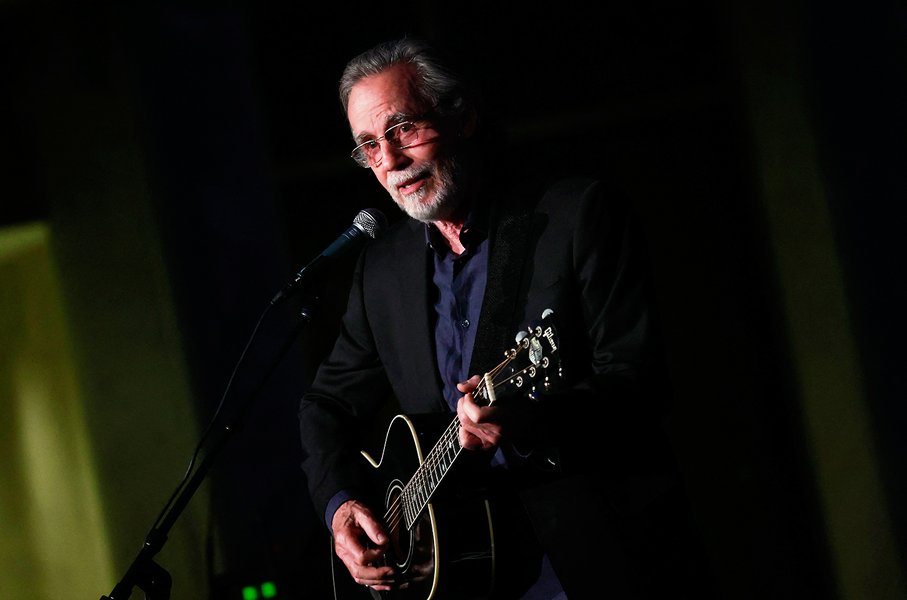
Jackson Browne captivates an audience with his timeless melodies and heartfelt lyrics.
"Doctor, My Eyes": A Cynical Oracle's Plea for Understanding
One of Browne's earliest and most iconic hits, "Doctor, My Eyes" (1972), immediately showcased his introspective and often cynical lyrical style. Despite its upbeat piano riff, the lyrics convey a profound weariness and questioning of perception. The song reflects a disenchanted character, laying the groundwork for many of his later explorations of psychic disaffection.
The core lyrics capture this sentiment vividly:
Doctor, my eyes have seen the years
And the slow parade of fears without crying
Now I want to understand
I have done all that I could
To see the evil and the good without hiding
You must help me if you can
Doctor, my eyes
Tell me what is wrong
Was I unwise
To leave them open for so long?
"Running on Empty": The Soundtrack of the Open Road
From his revolutionary 1977 live album of the same name, "Running on Empty" captures the essence of life on the road. The song's lyrics vividly depict the constant motion and reflection inherent in a musician's touring life, becoming an enduring classic for its infectious energy and thought-provoking message.
Key lines from "Running on Empty" include:
Looking out at the road rushing under my wheels
I don't know how I'm gonna feel when I get to where I'm going
But I'm running on empty
Got to know what it feels like to be alive

Jackson Browne's introspective nature often translates into his compelling lyrical narratives.
Exploring Other Lyrically Rich Masterpieces
Beyond his highest-charting single, Jackson Browne's career is dotted with numerous songs celebrated for their lyrical depth and emotional resonance. Many fans and critics consider these tracks to be among his "greatest hits" due to their enduring impact and poetic quality.
"These Days": A Timeless Reflection on Passage of Time
Written when he was just 16, "These Days" showcases Browne's early lyrical maturity. It's a soulful ballad that delves into regret, lost love, and the passage of time. The song's poignant vulnerability and delicate acoustic guitar work have made it a fan favorite and a classic among singer-songwriter compositions.
A particularly impactful lyric from "These Days" is:
Well I've been out walking
I don't do that much talking these days
These days
These days I seem to think a lot
About the things that I forgot to do for you
And all the times I had the chance to
Experience Jackson Browne performing "These Days" live at Austin City Limits, showcasing his signature soulful delivery and the timeless beauty of his lyrics.
"The Pretender": The Pursuit of the American Dream
"The Pretender" is a powerful narrative about chasing the American Dream and the compromises one makes along the way. The lyrics explore themes of disillusionment and the search for meaning in a world that often demands conformity. It's a profound and introspective track that resonates with many listeners grappling with similar existential questions.
I'm going to rent myself a house in the shade of the freeway
I'm going to pack my lunch in the morning and go to work each day
And when the evening comes I'm going to sit down and watch the TV show
I'm going to do what I'm supposed to do and I don't know what to do about it
"Late for the Sky": A Masterpiece of Vulnerability
Often cited by fans as one of his greatest albums, "Late for the Sky" offers a deep dive into the complexities of relationships and existential introspection. The title track, in particular, is a somber yet beautiful listen, marked by Browne's vulnerable vocal delivery and profound lyrics that capture the essence of emotional distance and understanding within a partnership.
A memorable line from "Late for the Sky":
How long have I been sleeping
How long have I been blind?
"For a Dancer": An Elegy on Life's Dances
"For a Dancer," from the album "Late for the Sky," is a deeply moving elegy written about a friend who passed away. It reflects on the series of "dances" we perform throughout life—social, professional, romantic—and the ultimate "one dance you do alone." This song offers a poignant perspective on life's journey and its inevitable end.
The impactful closing line: "...then there's finally one dance you do alone."
Lyrical Themes and Characteristics
Jackson Browne's lyrics are characterized by several recurring themes and stylistic elements that contribute to their enduring appeal and critical acclaim:
- Introspection and Self-Reflection: Many of his songs are deeply personal, exploring inner thoughts, emotions, and personal growth.
- Social and Political Commentary: Browne often weaves critiques of society and politics into his work, as seen in songs like "Lives in the Balance."
- The Passage of Time and Memory: A pervasive theme, reflecting on the past, present, and future, and how experiences shape us.
- Relationships and Love: He explores the joys, heartbreaks, and complexities of human connections with raw honesty.
- Existentialism and Meaning: Browne frequently grapples with larger questions about purpose, freedom, and the human condition.
- Evocative Imagery: His lyrics often paint vivid pictures, transporting the listener to specific moments or landscapes.
Comparative Lyrical Strengths of Jackson Browne's Hits
To further illustrate the multifaceted nature of Jackson Browne's lyrical prowess, this radar chart compares the perceived strengths of some of his most recognized songs across various thematic and stylistic dimensions. While "Somebody's Baby" excels in pop appeal, other songs truly shine in their lyrical depth and social commentary.
As the radar chart illustrates, while "Somebody's Baby" leads in "Pop Appeal," songs like "These Days" and "The Pretender" exhibit higher scores in "Lyrical Depth" and "Introspection." "Doctor, My Eyes" and "Running on Empty" maintain a strong balance across multiple attributes, reflecting their broad appeal and lasting impact.
A Comprehensive Look at Jackson Browne's Acclaimed Works
Beyond the Singles: Albums and Deep Cuts
While specific songs often get highlighted, Jackson Browne's albums are cohesive bodies of work that showcase his evolving lyrical and musical journey. His early albums, particularly those from the 1970s, are considered classics and often feature his most introspective and poetic writing.
Notable Albums and Their Lyrical Contributions
His debut album, Jackson Browne (1972), introduced "Doctor, My Eyes" and "Jamaica Say You Will," songs that established his lyrical style. For Everyman (1973) includes "These Days" and "Redneck Friend," further cementing his reputation as a thoughtful songwriter. Late for the Sky (1974) is often regarded as a masterpiece, featuring the title track and "For a Dancer," both lauded for their emotional depth and vulnerability. The live album Running on Empty (1977) is unique for its on-the-road recordings and powerful narrative, including the titular song and "The Load-Out/Stay" medley.
The table below provides a concise overview of Jackson Browne's most iconic songs, highlighting their lyrical focus and the albums they are featured on, demonstrating the breadth of his creative output:
| Song Title | Notable Album | Primary Lyrical Themes | Year |
|---|---|---|---|
| Doctor, My Eyes | Jackson Browne (1972) | Existential questioning, disillusionment, self-awareness | 1972 |
| Jamaica Say You Will | Jackson Browne (1972) | Love, longing, escape | 1972 |
| These Days | For Everyman (1973) | Passage of time, regret, lost love | 1973 |
| The Pretender | The Pretender (1976) | Pursuit of the American dream, societal conformity, disillusionment | 1976 |
| Running on Empty | Running on Empty (1977) | Life on the road, existential journey, freedom | 1977 |
| The Load-Out / Stay | Running on Empty (1977) | Touring life, gratitude for fans, longing for more time | 1977 |
| Somebody's Baby | Fast Times at Ridgemont High OST (1982) | Adolescent crush, pop romance, fleeting moments | 1982 |
| Lives in the Balance | Lives in the Balance (1986) | Political commentary, social injustice, call to action | 1986 |
| In the Shape of a Heart | Lives in the Balance (1986) | Love, loss, heartbreak, memory | 1986 |
| Sky Blue and Black | Looking East (1996) | Deep romanticism, emotional connection, enduring love | 1993 |
This table underscores how Browne's lyrical focus often shifted or broadened over time, moving from deeply personal reflections to more overtly political statements, yet always maintaining a poetic sensibility.
Frequently Asked Questions About Jackson Browne's Lyrics
What makes Jackson Browne a celebrated songwriter?
Did Jackson Browne write songs for other artists?
What is "The Load-Out / Stay" medley about?
Are Jackson Browne's lyrics typically optimistic or melancholic?
Conclusion: The Enduring Legacy of a Lyrical Master
Jackson Browne's discography is a testament to his enduring legacy as a singer-songwriter whose lyrics continue to resonate with generations. While "Somebody's Baby" holds the distinction of being his highest-charting single, it is the rich, layered narratives of songs like "Doctor, My Eyes," "Running on Empty," "These Days," and "The Pretender" that truly define his artistic prowess. His ability to craft compelling stories, explore complex emotions, and comment on societal issues through evocative poetry has earned him a revered place in music history, leading to his induction into the Rock and Roll Hall of Fame in 2004.
Recommended Further Exploration
- Explore the intricate songwriting process of Jackson Browne.
- Discover how Jackson Browne's studio albums are critically ranked and celebrated.
- Investigate Jackson Browne's influence on the folk-rock and singer-songwriter genres.
- Delve deeper into the political and social commentary found in Jackson Browne's lyrics.
References

Last updated May 21, 2025