
Commission on Audit Report on Philippine Jail Overcrowding
In-Depth Analysis of the 367% Overcrowding Issue and Its Implications
Key Highlights
- Overcrowding Severity: Philippine jails are operating at 367% capacity, creating severe challenges.
- Systemic Challenges: Slow judicial processes, inadequate facilities, and high detainee inflow contribute to the crisis.
- Needed Reforms: Recommendations include facility expansion, infrastructure investment, and systemic judicial reforms.
Overview of the COA Findings
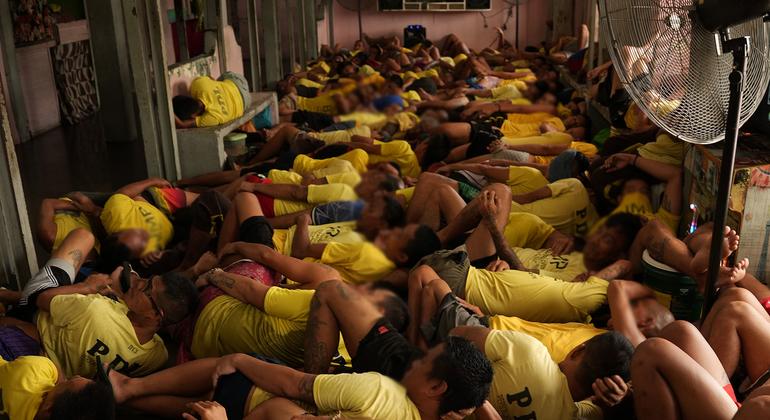
The Commission on Audit (COA) released a comprehensive report in 2023 that revealed a staggering overcrowding rate of 367% in Philippine jails. The report underscores the longstanding issues plaguing the country’s correctional system: a combination of slow judicial processes, rapid increases in detainee numbers, and inadequate correctional infrastructure. This circumstance has not only resulted in the extreme congestion of jail facilities but also raised serious concerns regarding the health, safety, and human rights of persons deprived of liberty (PDLs).
A critical detail in the report is that over 67% of the jails in the country are considered “heavily congested,” with some facilities reportedly operating at rates as high as several thousand percent of their ideal capacity. This data reflects a systemic failure in handling growing detainee populations, further compounded by legal delays that extend the time individuals spend in custody.
Detailed Breakdown of Overcrowding Metrics
Key Metrics and Facts
Overall Overcrowding Rate
The COA determined that the average overcrowding rate stands at 367%. This means that for every unit of capacity available in many facilities, there are nearly four times as many detainees housed, which tremendously strains the jail infrastructure.
Distribution Across Facilities
It was noted that approximately 67% of all jail facilities are severely congested. For instance, some facilities have been reported to experience occupancy rates reaching figures as high as 2,927% in extreme cases. These figures illustrate that the issue is not isolated to a few centers but affects a wide array of facilities across the nation.
Contributing Factors to Overcrowding
A range of factors exacerbates the overcapacity condition in Philippine correctional facilities. Chief among these factors is the slow pace of judicial proceedings. Extended detention periods while awaiting trial or final judgment have led to a significant buildup of detainees. In addition, nationwide campaigns against illegal drug activities have increased the influx of detainees further compounding the overcrowding crisis.
Implications of Extreme Overcrowding
Health, Safety, and Human Rights Concerns
The extreme overcrowding in jails has direct repercussions on the living conditions of PDLs. With facilities operating at multiple times their intended capacity, there is an increased risk of inadequate sanitation, limited access to healthcare, and compromised safety for both inmates and staff. These conditions not only pose immediate health hazards but also exacerbate long-term human rights issues.
Overcrowded jails challenge the ability of correctional systems to manage and rehabilitate detainees effectively. When managing thousands of inmates in confined spaces, disputes, and issues related to violence and neglect tend to rise. It becomes critically important for the authorities to address these challenges to prevent further human rights violations and to provide safe, orderly detention environments.
Systemic and Structural Crisis
The COA report highlights the urgent need for systemic reforms to reduce the influx of detainees. One reported contributing factor is that a significant number of individuals are held in custody for extended periods awaiting trial or final judgment. Such delays not only overcrowd facilities but also reflect broader inefficiencies within the judicial and correctional systems. Addressing these delays is key to decongesting facilities and ensuring timely resolutions in the justice system.
Policy Recommendations and Government Responses
Infrastructure Expansion and Reforms
Facility Expansion
One central recommendation from the COA report is the urgent need for facility expansion. This involves investing in the construction of new jail facilities and the renovation of existing ones to better accommodate the burgeoning number of detainees. According to the COA, the Bureau of Jail Management and Penology (BJMP) should include significant provisions in its budget for these expansions. Furthermore, it has been suggested that local government units play an active role by donating land for constructing additional jails.
Judicial and Institutional Reforms
Alongside infrastructure expansion, systemic judicial reforms are critical. Strategies such as expediting court proceedings, implementing plea bargains for minor offenses, and scheduling timely trials could significantly reduce the number of individuals held in custody for prolonged durations. The Commission on Audit’s recommendations also suggest that inter-agency coordination—especially between the judiciary and correctional departments—should be strengthened to address both the infrastructure challenges and the legal procedures that perpetuate overcrowding.
Decongestion Efforts and National Summit
In response to the crisis, the government organized the first National Decongestion Summit in Manila in December 2023. Supported by the United Nations Office on Drugs and Crime (UNODC), this summit brought together multiple stakeholders to deliberate on practical solutions, including systemic reforms and the introduction of innovative decongestion programs. Such coordinated efforts illustrate a strong acknowledgment of the problem at the highest levels of government and signal a commitment to long-term remediation.
Comparative Analysis: Key Data Points in a Table
| Parameter | Details |
|---|---|
| Overcrowding Rate | 367% capacity |
| Percentage of Heavily Congested Facilities | 67% |
| Extreme Occupancy Cases | Up to nearly 3,000% in some facilities |
| Judicial Delays | Long detention periods pending trial or final judgment |
| Infrastructure Recommendations | Expansion of facilities; land donations by local government units |
| Government Initiatives | National Decongestion Summit supported by UNODC |
Further Insights
Historical Context and Ongoing Challenges
The issue of jail overcrowding in the Philippines is not a recent phenomenon. Historically, limited resources combined with a rapid increase in detainee numbers over decades have resulted in a strain on the country’s correctional system. Many of the current challenges are rooted in systemic inefficiencies within the judicial process. Slow court actions and prolonged legal procedures contribute significantly to the number of detainees who end up staying in jails far beyond what is constitutionally acceptable.
This historical context underscores the complexity of the problem: while immediate solutions like facility expansion are necessary, they must be complemented by systemic legal and administrative reforms to prevent a recurrence of such challenges in the future.
Impact on Human Rights and Operational Efficiency
The overcrowding of jails negatively impacts the health and human rights of detainees. In such highly congested environments, issues like limited access to clean water, inadequate sanitation, and insufficient healthcare services are imminent. The compounded stress also leads to an increase in conflicts, making it harder for jail staff to manage the facilities efficiently. As the system struggles with these operational inefficiencies, the overall goal of rehabilitation and reform is compromised.
Moreover, overcrowded facilities make it challenging for regulatory bodies to ensure compliance with international human rights standards, thereby attracting criticism from human rights organizations and international agencies alike.
Government and International Responses
Collaboration and External Support
In light of the severe overcrowding, collaborative efforts between government agencies and international bodies have become imperative. The National Decongestion Summit, held in December 2023, is a prime example of this collaborative approach, where various stakeholders, including representatives from the United Nations Office on Drugs and Crime (UNODC), convened to discuss and deliberate on sustainable solutions to the overcrowding problem.
This summit underscores the importance of combining domestic reform efforts with international best practices. The involvement of global organizations not only brings in much-needed technical expertise but also validates the significance of addressing human rights concerns related to detention conditions.
Recommendations for Future Policy Directions
Immediate and Long-Term Actions
Short-Term Measures
In the short term, addressing the urgent space crises is paramount. This includes:
- Immediate allocation of budget for temporary facility expansion and renovations.
- Streamlining judicial processes to expedite case resolutions and reduce prolonged detention periods.
- Implementing health and safety protocols to mitigate risks associated with overcrowded environments.
Long-Term Strategic Reforms
Long-term measures should focus on systemic and structural changes:
- A coordinated reform of the justice system to address procedural delays, including technology integration, better case management, and reform in legal practices.
- Comprehensive infrastructure improvements backed by legislation that mandates capacity enhancements and periodic reviews of jail conditions.
- Increased emphasis on alternative sentencing and rehabilitative programs to reduce recidivism and minimize the burden on correctional facilities.
Additional Data Analysis and Comparative Metrics
Analytical Insight Table
| Aspect | Observations |
|---|---|
| Overcrowding Level | 367% capacity; severe strain on facilities |
| Affected Facilities | 67% of jails heavily congested; some facilities with extreme occupancy exceeding 2,900% |
| Causal Factors | Slow court processes, increased detainee inflow from drug campaigns, systemic inefficiencies |
| Governmental Recommendations | Facility expansion, land donations, inter-agency judicial reforms, decongestion summits |
| Human Rights Concerns | Compromised health, sanitation, and safety of inmates and staff |
References
- Philippine jails overcrowded by 367% — COA | Philstar
- COA: 67% of Philippines jails congested - Philstar
- COA: PH jails need 550,000 sq m additional space - Inquirer.net
- Philippines addresses jails and prisons overcrowding | UNODC
- COA: 67% of Philippines' jails over capacity | GMA News Online
Recommended Next Queries
Last updated March 20, 2025