
Unlocking the Secrets of JAK2: A Synergistic Approach to Drug Discovery
Delving into the intricate world of Janus Kinase 2 (JAK2) through advanced computational and experimental methodologies.
Key Insights into JAK2 Research
- Integrated Strategy: The most effective research into JAK2 combines computational techniques like molecular docking and molecular dynamics (MD) simulations with rigorous experimental validation to gain a comprehensive understanding of its function and dysregulation.
- Computational Power: Molecular docking predicts how potential inhibitors bind to JAK2, while MD simulations provide dynamic, atomic-level insights into protein behavior, conformational changes, and the stability of drug-protein complexes over time.
- Experimental Validation: Essential for confirming computational predictions, experimental methods such as PCR, direct sequencing, kinase assays, and mutagenesis studies provide real-world biological data to refine and validate theoretical models, accelerating the development of targeted therapies.
Decoding Janus Kinase 2 (JAK2): A Foundational Understanding
Janus Kinase 2 (JAK2) is a crucial non-receptor tyrosine kinase that plays a pivotal role in intracellular signaling pathways, primarily the JAK/STAT pathway. This pathway is fundamental for relaying signals from cytokine receptors on the cell surface to the nucleus, thereby regulating vital cellular processes such as cell growth, proliferation, differentiation, and the precise control of blood cell production within the bone marrow. The JAK2 protein is indispensable for maintaining normal physiological functions, but its dysregulation can have severe consequences.
Constitutive activation of JAK2, often stemming from specific mutations like the prevalent V617F mutation, is a hallmark of various hematopoietic disorders. These include a group of blood cancers known as myeloproliferative neoplasms (MPNs), such as polycythemia vera (PV), essential thrombocythemia (ET), and primary myelofibrosis (PMF). In these conditions, the uncontrolled activation of JAK2 leads to the overproduction of blood cells. Given its central role in both normal physiology and disease pathology, JAK2 has emerged as a significant therapeutic target for a range of inflammatory diseases and MPNs.
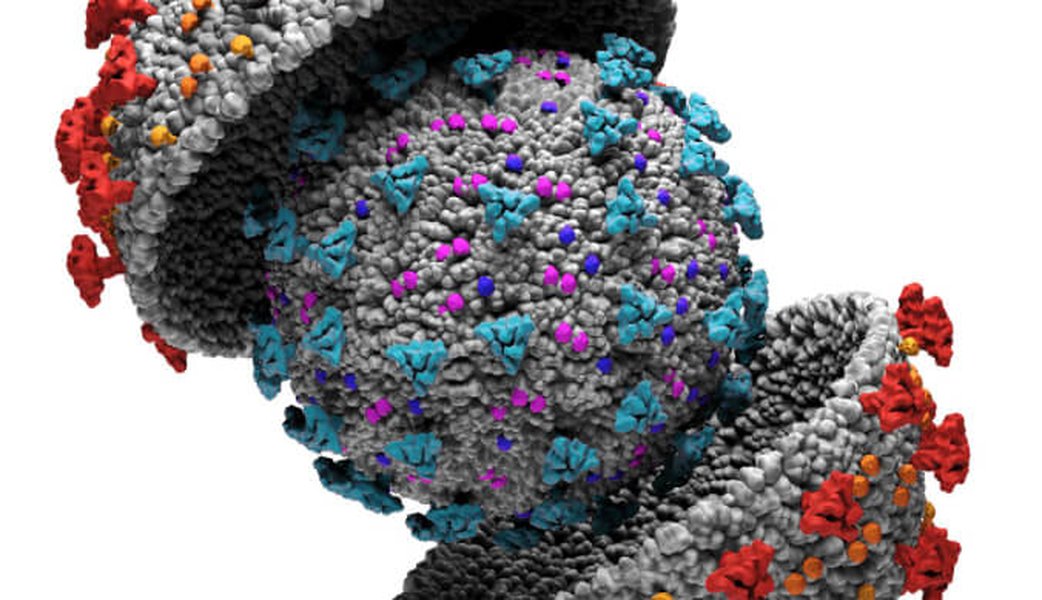
An illustration depicting the JAK2 gene and its critical involvement in cellular signaling, particularly in relation to various diseases.
The Dual Power of Research: Computational and Experimental Approaches to JAK2
The investigation of JAK2 is a prime example of how modern biological research leverages a synergistic blend of computational and experimental methodologies. This integrated approach allows scientists to model complex protein interactions, predict the efficacy of potential therapeutic compounds, and validate these predictions through empirical observation. Such a comprehensive strategy significantly enhances the accuracy and efficiency of drug discovery and disease modeling, reducing the risks inherent in developing novel treatments.
Computational Prowess: Simulating JAK2 at the Molecular Level
Computational methods are at the forefront of JAK2 research, enabling in-depth exploration of molecular interactions without the need for extensive and costly physical experiments. These techniques provide atomic-level insights into JAK2's dynamic behavior, structural conformations, and interactions with other molecules, including potential inhibitors.
Ab Initio Modeling and Molecular Dynamics (MD) Simulations
Ab initio modeling involves constructing JAK2 structures from fundamental principles, often utilizing informatics-guided strategies to predict protein-protein interactions. A key focus is the interaction between the kinase (JH1) and pseudokinase (JH2) domains of JAK2. These models have been instrumental in understanding the auto-inhibition mechanism, where the JH2 domain negatively regulates the JH1 domain by physically blocking critical regions like the activation loop and the αC helix, thereby preventing constitutive activation. Computational models, refined through energy minimization and structural stability assessments (such as root-mean-square fluctuation, RMSF analysis), are crucial for differentiating between wild-type (WT) JAK2 and pathogenic mutants like V617F.
Molecular Dynamics (MD) simulations extend these insights by providing a dynamic view of JAK2's behavior over time, typically ranging from nanoseconds to microseconds. MD simulations are performed after molecular docking to refine binding poses, assess the stability of protein-ligand complexes, and calculate binding free energies. They reveal how inhibitors affect the kinase's activation state, how mutations like V617F and K539L lead to stable dimer formation and aberrant signaling, and how water molecules can play a pivotal role in ligand-protein interactions. Software like NAMD with force fields such as CHARMM27 are commonly used for these simulations, which offer a dynamic, atomic-level understanding of conformational changes, stability, and ligand binding mechanisms.
The utility of MD simulations extends to understanding resistance mechanisms to type-II JAK2 inhibitors, such as the L884P mutation. By simulating the dynamic behavior of these mutated proteins, researchers can gain insights into how structural changes confer drug resistance, guiding the rational design of new inhibitors that can circumvent these challenges. Long time-scale MD simulations (e.g., 10 ns, 30 ns, 60 ns, or even microsecond-long simulations) are essential for generating robust models and analyzing dynamic properties, offering detailed trajectories of JAK2 phosphorylation states and how the pseudokinase domain modulates kinase activity.
An introductory video explaining molecular dynamics simulations, a powerful computational tool for studying dynamic protein behavior.
Molecular Docking: Predicting Ligand-Protein Interactions
Molecular docking is a computational technique used to predict the preferred orientation of a ligand (e.g., a drug candidate) when bound to a protein like JAK2. It helps identify potential binding sites and assess the binding affinity between molecules. This method is widely employed in the initial stages of drug discovery to screen vast libraries of compounds for their potential to inhibit JAK2.
Common software packages for molecular docking include AutoDock, Autodock Vina, and GLIDE (Schrödinger). These tools evaluate various factors, including hydrogen bonding, van der Waals forces, and electrostatic interactions, to predict how effectively a compound will bind to JAK2. Studies have successfully used docking to identify novel JAK2 inhibitors, ranging from FDA-approved drugs to natural products like phytochemicals found in tomatoes (e.g., rutin, quercetin, naringenin). Rutin, for instance, has shown strong interactions with JAK2 in docking analyses.

A visual representation of molecular docking, illustrating how a drug molecule (ligand) fits into the binding site of a protein.
An integrated virtual screening protocol often combines molecular docking with pharmacophore mapping. Pharmacophore mapping identifies the essential molecular features required for a ligand to interact effectively with its target. By first mapping pharmacophores and then performing docking, researchers can enhance the accuracy of virtual screenings and identify novel scaffolds that inhibit JAK2 effectively. This combined approach has been shown to be more efficient in identifying potent inhibitors. Molecular docking can also help identify druggable allosteric pockets on the JAK2 surface, which are remote from the active site, opening avenues for the development of allosteric inhibitors.
Machine Learning and Computational Drug Design
Recent advancements have seen the integration of machine learning, graph neural networks, and deep learning into computational drug design for JAK2. These sophisticated algorithms can predict novel JAK2 inhibitors from existing FDA-approved compounds, facilitating drug repositioning. By analyzing molecular fingerprints and other descriptors, machine learning models can prioritize compounds for further docking studies and experimental validation. The combination of docking, MD simulation, and quantitative structure-activity relationship (QSAR) models further supports the design of selective and potent JAK2 inhibitors.
Experimental Validation: Grounding Simulations in Reality
Experimental methods are indispensable for validating computational predictions, ensuring that simulated results accurately reflect biological reality. These approaches typically involve both in vitro (test tube/cell culture) and in vivo (live organism) techniques to test JAK2 structures, assess the impact of mutations, and evaluate the efficacy of potential inhibitors.
Molecular Biology Techniques and Mutagenesis Studies
Experimental assessment of JAK2 mutations commonly employs molecular biology techniques such as polymerase chain reaction (PCR) assays and direct sequencing. These methods provide a clear picture of genetic alterations, particularly the JAK2 V617F mutation, in clinical samples. High-resolution melting (HRM) analysis is another rapid and cost-effective method for mutation detection, offering high sensitivity comparable to traditional sequencing.
Site-directed mutagenesis experiments are crucial for validating computational predictions. By introducing specific mutations into the JAK2 gene, researchers can analyze their effects on JAK2 structure and activity, thereby confirming mechanistic models of auto-inhibition and activation derived from computational studies. For instance, mutations predicted by docking and MD simulations to disrupt the JH2-JH1 interface can be experimentally shown to alter kinase activity, providing strong empirical support for theoretical models.
Kinase Assays and Inhibitor Profiling
Biochemical assays are fundamental for confirming the inhibitory effects of compounds identified computationally. These include kinase activity measurements, phosphorylation tests, and cellular assays that quantify how effectively a compound inhibits JAK2's enzymatic activity. Recombinant JAK2 proteins, including mutant forms like V617F, are widely used in these in vitro kinase assays to measure catalytic efficiency and screen potential inhibitors.
Comprehensive profiling of clinical JAK2 inhibitors (e.g., ruxolitinib) involves assessing their unique effects on proliferative, transcriptional, and signaling pathways in MPNs. In vivo models, such as mouse studies for experimental autoimmune myasthenia gravis (EAMG), demonstrate that JAK2 inhibitors can regulate immune responses by altering T-cell balances. These experiments often involve co-crystallization or other biophysical methods to confirm docking predictions, such as measuring the direct binding affinity of inhibitors.
Dynamic and Structural Characterization
Techniques such as fluorescence resonance energy transfer (FRET) imaging are employed to study JAK2 activation at the cellular level, allowing researchers to monitor protein-protein interactions and conformational changes in real time. Hydrogen-deuterium exchange mass spectrometry (HDX-MS) and Nuclear Magnetic Resonance (NMR) spectroscopy also provide valuable insights into conformational states and dynamics predicted by computational models, further enriching the understanding of JAK2's structural biology.
The Symbiotic Relationship: Integrating Computational and Experimental Methods
The true power in studying JAK2 lies in the seamless integration of computational and experimental approaches. Computational tools like docking and MD simulations generate testable hypotheses about JAK2's behavior and potential drug interactions, which are then rigorously tested experimentally to ensure their reliability and biological relevance. This iterative process allows for continuous refinement of models and predictions, leading to more accurate and effective drug discovery.
For example, a typical workflow might begin with ab initio modeling to predict the complex structure of JAK2, followed by molecular docking to virtually screen and identify potential inhibitors. The most promising docked complexes are then subjected to long time-scale MD simulations to assess their dynamic stability and binding mechanisms. Finally, these computationally predicted inhibitors are synthesized and evaluated in vitro through biochemical and cellular assays to confirm their binding affinity and inhibitory efficacy. The results from experimental validation are then fed back into the computational models, creating a feedback loop that continually improves the accuracy and predictive power of the research.
This radar chart illustrates the perceived strengths of various computational and experimental approaches in JAK2 research, comparing their current capabilities with their future potential. It highlights areas where current methods excel, such as experimental validation, and areas with significant growth potential, like machine learning efficacy and MD simulation precision, as research continues to advance.
A Mindmap of JAK2 Research Methodologies
This mindmap visualizes the comprehensive ecosystem of methodologies employed in JAK2 research, categorizing the various computational and experimental approaches and their interconnections. It provides a quick overview of how diverse techniques converge to provide a holistic understanding of JAK2's function and its role in disease.
Comparative Overview of JAK2 Research Techniques
To further illustrate the distinct yet complementary roles of these approaches, the following table summarizes key aspects of computational and experimental methods used in JAK2 research, focusing on their objectives, common techniques, and primary outcomes.
| Approach Type | Method/Technique | Primary Objective | Key Outcomes/Insights |
|---|---|---|---|
| Computational | Ab Initio Modeling | Predict JAK2 protein structure from fundamental principles, especially kinase-pseudokinase complex. | Models of JH1-JH2 auto-inhibition; structural understanding of wild-type vs. mutant forms. |
| Computational | Molecular Dynamics (MD) Simulations | Simulate dynamic behavior of JAK2 and its complexes over time at an atomic level. | Conformational changes, stability of ligand-protein complexes, effects of mutations (V617F, L884P), auto-inhibition mechanisms. |
| Computational | Molecular Docking | Predict binding modes and affinities of potential inhibitors to JAK2. | Identification of novel inhibitors (e.g., natural products, FDA-approved drugs), binding site identification, allosteric pocket discovery. |
| Computational | Machine Learning & QSAR | Leverage algorithms to predict and optimize drug candidates based on molecular data. | Drug repositioning, prediction of inhibitor efficacy, structure-activity relationships, virtual high-throughput screening. |
| Experimental | PCR Assays & Direct Sequencing | Detect and characterize JAK2 gene mutations in biological samples. | Confirmation of V617F and other mutations, genetic profiling of patient samples. |
| Experimental | Kinase Assays & Phosphorylation Tests | Measure JAK2 enzyme activity and assess inhibitory effects of compounds. | Quantification of catalytic efficiency, validation of inhibitor potency, understanding of activation mechanisms. |
| Experimental | Site-Directed Mutagenesis | Introduce specific changes to the JAK2 gene to study functional impact. | Validation of computationally predicted critical residues, understanding of JH2-JH1 interface dynamics, insights into resistance mechanisms. |
| Experimental | Cell-Based & In Vivo Assays | Evaluate biological effects of JAK2 inhibitors in cellular and living systems. | Assessment of proliferation, signaling pathway changes, immune response modulation (e.g., Th17/Treg balance), therapeutic efficacy in disease models. |
| Experimental | FRET Imaging & Biophysical Methods | Observe protein interactions and conformational changes in real-time or at high resolution. | Monitoring JAK2 activation, assessment of structural dynamics, validation of binding events, complementary structural data. |
This table highlights how each method contributes uniquely to the overall understanding of JAK2, with computational methods often leading the way in hypothesis generation and screening, while experimental methods provide crucial validation and biological context. This comprehensive, integrated approach has become standard practice in JAK2 research, enabling precise targeting of diseases like myeloproliferative neoplasms and informing clinical therapies.
Frequently Asked Questions About JAK2 Research
What is the primary role of JAK2 in the body?
Why is the JAK2 V617F mutation significant?
How do molecular docking and molecular dynamics simulations complement each other in JAK2 research?
What experimental methods are used to validate computational predictions for JAK2?
Can natural compounds inhibit JAK2 activity?
Conclusion
The comprehensive study of Janus Kinase 2 (JAK2) stands as a testament to the power of integrating cutting-edge computational and meticulous experimental approaches. From the atomistic precision of molecular docking and molecular dynamics simulations, which illuminate binding mechanisms and dynamic protein behavior, to the robust validation provided by molecular biology, biochemical assays, and cellular studies, every facet of research contributes to a deeper understanding of this pivotal enzyme. This synergistic methodology is crucial for unraveling the complexities of JAK2's role in both health and disease, particularly in myeloproliferative neoplasms. By continually refining computational models with empirical data, researchers are accelerating the discovery and development of novel, highly targeted therapeutic agents, promising a future with more effective treatments for JAK2-related disorders. The ongoing convergence of these powerful tools ensures that the quest for new insights and innovative therapies for JAK2 continues to advance with remarkable precision and efficiency.
Recommended Further Exploration
- Explore the detailed molecular mechanisms behind the constitutive activation of JAK2 due to the V617F mutation.
- Investigate the latest developments in JAK2 inhibitor drug design and their progression through clinical trials.
- Understand the critical regulatory function of the JAK2 pseudokinase (JH2) domain in controlling kinase activity.
- Discover how machine learning is revolutionizing drug discovery, specifically for tyrosine kinases like JAK2.