
Understanding James Chapter 4: Addressing Conflict, Worldliness, and the Call to Humility
A Deep Dive into the Practical Wisdom of James
James Chapter 4 offers a powerful and practical message to believers, addressing the root causes of conflict, the dangers of worldliness, and the transformative power of humility and submission to God. It builds upon the themes of genuine faith and wisdom discussed in the preceding chapters, challenging readers to examine their hearts and actions.
Key Insights from James 4
- Internal Desires as the Source of Conflict: James directly confronts the origins of quarrels and conflicts among believers, identifying them not in external circumstances but in internal, selfish desires and passions that "wage war" within them.
- The Danger of Worldly Friendship: The chapter starkly warns against aligning oneself with worldly values and pursuits, describing friendship with the world as "enmity with God." This highlights the incompatibility of seeking God's favor while simultaneously pursuing the transient pleasures and systems of the world.
- The Call to Humility and Submission: A central theme is the imperative to humble oneself before God. James emphasizes that God opposes the proud but gives grace to the humble, presenting submission to God and resistance to the devil as the pathway to spiritual victory and drawing near to God.
The Origins of Strife: Examining Internal Conflicts
James begins chapter 4 by posing a direct question about the source of conflicts and quarrels among his readers. He doesn't attribute these issues to external pressures or disagreements over minor doctrinal points, but rather to internal struggles rooted in their own desires and pleasures. These desires, described as "warring in your members," are the driving force behind contention and discord.
This perspective aligns with the broader biblical understanding that sin originates from within the human heart. When selfish desires for pleasure, possessions, or recognition go unchecked, they inevitably lead to friction and conflict with others, including fellow believers. The passage suggests that these unmet desires lead to coveting, and ultimately, to fighting and war. The inability to obtain what is desired through ungodly means results in conflict.
Unanswered Prayers and Wrong Motives
Further illustrating the consequences of these internal conflicts, James addresses the issue of unanswered prayer. He points out that even when they do ask, they do not receive because their motives are wrong. They ask "that you may spend it on your pleasures." This reveals a self-centered approach to prayer, where the focus is on gratifying personal desires rather than aligning with God's will and purposes.
This isn't a blanket statement against asking God for things; rather, it highlights the importance of the heart's posture and intent in prayer. When prayer is driven by selfish ambition and a desire for worldly indulgence, it is ineffective and does not honor God. True prayer flows from a heart submitted to God and seeking His glory.
Friendship with the World: A Spiritual Adultery
James intensifies his warning by addressing his readers as "adulterers and adulteresses." This strong language is not necessarily an accusation of physical infidelity but a powerful metaphor for their spiritual unfaithfulness. By pursuing friendship with the world, they were essentially being disloyal to God, to whom they had pledged their allegiance.
Defining "Friendship with the World"
Friendship with the world refers to embracing and adopting the values, priorities, and systems of the world that are contrary to God's character and kingdom. This can manifest in various ways, including:
- Seeking approval and validation from the world rather than God.
- Prioritizing material wealth and possessions over spiritual growth.
- Adopting worldly attitudes of pride, self-sufficiency, and competition.
- Compromising biblical truth to fit in with worldly culture.
James unequivocally states that "whoever wishes to be a friend of the world makes himself an enemy of God." This is a stark reminder that there is a fundamental incompatibility between devotedness to God and deep entanglement with the world's system. One cannot simultaneously serve both God and the mammon (worldly wealth or possessions).

Draw near to God, and He will draw near to you (James 4:8).
The Spirit's Desire and God's Grace
Verse 5 presents a somewhat challenging phrase: "Or do you think that the Scripture speaks in vain: 'The spirit who dwells in us yearns jealously'?" There are different interpretations of this verse. Some understand "the spirit who dwells in us" as the Holy Spirit, who yearns jealously for our exclusive devotion. Others interpret "the spirit" as the human spirit, which is prone to covetousness.
Regardless of the precise interpretation, the context strongly suggests God's passionate desire for His people's loyalty. He is a jealous God who will not share His people's affection with the world. This jealousy stems from His love and His knowledge that friendship with the world is ultimately destructive. It is against this backdrop that James introduces the concept of grace.
He quickly follows with the assurance, "But He gives more grace." This is a pivotal point. Despite their spiritual infidelity and worldly entanglements, God is willing to offer abundant grace to those who turn back to Him. This grace is not a license to continue in sin but the divine empowerment needed to overcome worldly desires and draw near to God.
The Path to Restoration: Humility and Submission
Having diagnosed the problems of internal conflict and worldliness, James provides the remedy: humility and submission to God. These are presented as the essential steps for overcoming the power of selfish desires and worldly influences.
Humble Yourselves Before God
The call to "humble yourselves in the sight of the Lord" is repeated in verses 10. Humility is the antithesis of the pride that fuels worldly ambition and conflict. It involves recognizing one's dependence on God, acknowledging one's sinfulness, and surrendering one's will to His. This is not a passive resignation but an active choice to align oneself with God's perspective and purposes.
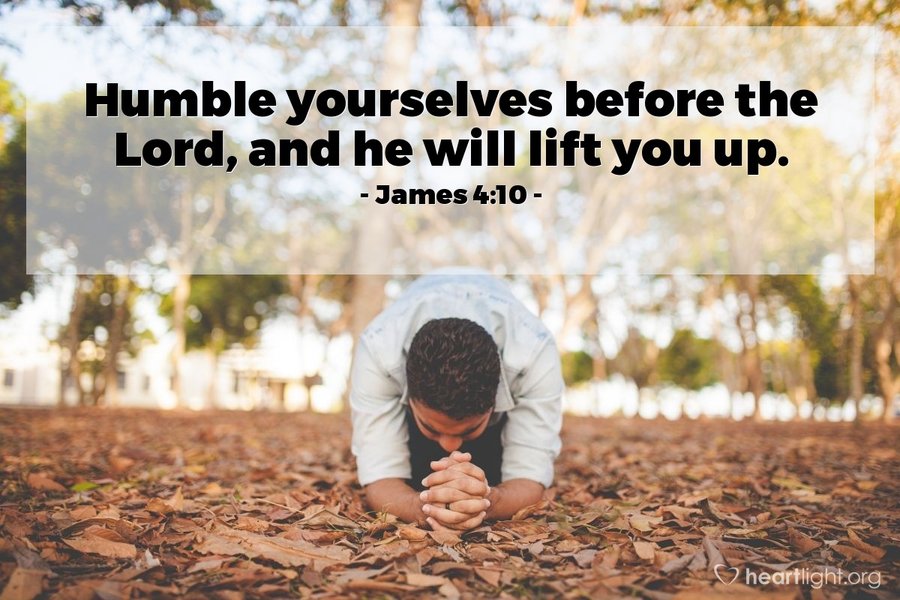
Humble yourselves before the Lord, and he will lift you up (James 4:10).
Submit to God and Resist the Devil
Hand in hand with humility is submission to God. This means placing oneself under His authority and control. When we submit to God, we are then empowered to "resist the devil." The devil, as the Tempter and the instigator of evil, seeks to lead believers away from God and towards worldly pursuits and destructive behaviors. However, James offers the promise that when we resist him, he will "flee from you." This is a powerful assurance of God's protection and the believer's ability to overcome temptation through His strength.

Submit yourselves, then, to God. Resist the devil, and he will flee from you (James 4:7).
Practical Steps for Drawing Near to God
James provides several practical steps for those who wish to draw near to God and experience His grace and power:
- Draw near to God: This is an invitation to intimacy with God. It involves intentionally seeking His presence through prayer, reading His Word, and obedience.
- Cleanse your hands: This speaks to the need for outward purity and righteous actions. It is a call to repent of sinful behaviors.
- Purify your hearts: This addresses the inward state, the need for a sincere and undivided heart towards God. James calls those who are "double-minded" to purify their hearts, emphasizing the need for single-minded devotion.
- Lament, mourn, and weep: This is a call to godly sorrow over sin. It's a recognition of the seriousness of spiritual infidelity and the need for genuine repentance. Turning laughter into mourning and joy into gloom signifies a shift from frivolous worldly pursuits to a somber realization of one's spiritual condition.
These actions are not presented as a means to earn God's favor but as the natural response of a heart that is humbled and submitted to Him. When we take these steps, James promises that God "will lift you up." This lifting up is not necessarily worldly exaltation but spiritual elevation and restoration in our relationship with God.
Warning Against Judging and Boasting
Building on the theme of humble interaction with others, James addresses the sin of speaking evil of or judging one another. He points out that when we judge a fellow believer, we are essentially judging the law of God and setting ourselves up as judges over it. There is only one Lawgiver and Judge, who is able to save and to destroy. Therefore, we are not in a position to judge our neighbor.
This warning is particularly relevant in the context of the conflicts James addressed earlier. When believers are driven by selfish desires and worldly attitudes, they are more prone to criticize and condemn others. Humility, on the other hand, fosters grace and understanding towards fellow believers.
The Arrogance of Presumptuous Planning
James also confronts the arrogance of making plans without acknowledging God's sovereignty over the future. Those who boast about their future endeavors without saying "If the Lord wills" are acting presumptuously. Life is uncertain and fleeting, like a vapor that appears for a little while and then vanishes.

Instead, you ought to say, "If it is the Lord's will, we will live and do this or that" (James 4:15).
To boast about future plans without acknowledging God's will is presented as evil. It demonstrates a self-reliance and a lack of dependence on God that is contrary to a humble and submissive heart. This serves as a reminder that all our plans and endeavors should be undertaken with an awareness of God's ultimate control and guidance.
The Sin of Omission
James concludes this section with a powerful statement about the sin of omission: "Therefore, to him who knows to do good and does not do it, to him it is sin." This emphasizes the responsibility that comes with knowledge. If we know what is right and good according to God's will, and we fail to do it, we are guilty of sin. This reinforces the practical nature of James's letter, which consistently calls believers to live out their faith through obedient action.
Summary of Key Themes in James 4
James Chapter 4 provides a profound examination of the Christian life, highlighting the internal battles we face and the external influences that can lead us astray. The table below summarizes the key themes and their implications:
| Theme | Description | Implications for Believers |
|---|---|---|
| Internal Conflict | Quarrels and fights stem from selfish desires within. | Examine your motives and desires; seek God to transform them. |
| Worldliness | Friendship with the world is spiritual adultery and enmity with God. | Evaluate your allegiances; renounce worldly values that oppose God. |
| Unanswered Prayer | Asking with wrong motives, for selfish pleasure, hinders receiving. | Align your prayers with God's will and purposes. |
| Humility | Essential for receiving God's grace and overcoming pride. | Humble yourself before God; acknowledge your dependence on Him. |
| Submission to God | Placing oneself under God's authority empowers resistance to the devil. | Yield to God's will; trust in His power to overcome temptation. |
| Resisting the Devil | When resisted, the devil will flee. | Actively oppose the devil's schemes through God's strength. |
| Drawing Near to God | A call to intentional intimacy and seeking God's presence. | Engage in spiritual disciplines like prayer and Bible study. |
| Purity | Cleansing of hands (actions) and purification of hearts (inward state). | Repent of sin; strive for sincere devotion to God. |
| Godly Sorrow | Lamenting and mourning over sin demonstrates genuine repentance. | Acknowledge the seriousness of sin and its offense to God. |
| Judging Others | Speaking evil of or judging fellow believers usurps God's role as Judge. | Refrain from gossip and condemnation; extend grace. |
| Presumptuous Planning | Boasting about future plans without acknowledging God's will is arrogant. | Recognize God's sovereignty; preface plans with "If the Lord wills." |
| Sin of Omission | Knowing to do good but failing to do it is sin. | Act on the knowledge of what is right and good. |
Commentaries on James 4
Various biblical commentators have offered insights into James Chapter 4, emphasizing different aspects of its message. Matthew Henry highlights the connection between corrupt hearts and conflict, and the call to mortify worldly lusts. David Guzik emphasizes the humble character of living faith and dependence on God as central themes. These commentaries, among others, provide deeper understanding of the nuances and applications of James's challenging words.
Insights from Different Perspectives
-
Some commentators, like Matthew Henry, see a strong link between the "lust after worldly things" and the conflicts described.
-
Others, such as David Guzik, focus on the call to humility and submission as the primary means of overcoming both internal and external strife.
-
The metaphor of "adultery" for worldliness is seen by many as a powerful illustration of the seriousness of spiritual unfaithfulness.
-
The practical steps outlined by James, such as cleansing hands and purifying hearts, are viewed as essential for genuine repentance and drawing near to God.
Studying these different perspectives can enrich one's understanding of the multifaceted message of James 4.
FAQs about James Chapter 4
What is the main message of James Chapter 4?
The main message of James Chapter 4 is a call to address the root causes of conflict and worldliness among believers through humility, submission to God, and genuine repentance. It highlights the dangers of selfish desires and worldly allegiances and emphasizes the importance of drawing near to God.
What does James mean by "friendship with the world is enmity with God"?
This phrase means that aligning oneself with the values, priorities, and systems of the world that are contrary to God's will puts one in opposition to God. It signifies a divided loyalty and a lack of true devotion to God.
Why does James call his readers "adulterers and adulteresses"?
James uses this term as a metaphor for spiritual unfaithfulness. By pursuing friendship with the world, his readers were being disloyal to their covenant relationship with God, much like an adulterer is unfaithful to their spouse.
How can believers overcome conflict according to James 4?
According to James 4, overcoming conflict begins with examining and addressing the selfish desires within. It involves humbling oneself before God, submitting to His authority, resisting the devil, and seeking purity of heart and action. Drawing near to God and repenting of worldly attitudes are crucial steps.
What does James mean by "You have not because you ask not"?
This phrase highlights the importance of prayer in receiving from God. However, James immediately qualifies this by stating that even when they do ask, they don't receive because they ask with wrong motives, intending to spend what they receive on their own pleasures. It underscores the need for right motives in prayer.
Why is it important to say "If the Lord wills" when making plans?
Saying "If the Lord wills" (or similar phrases acknowledging God's sovereignty) is a sign of humility and recognition that our lives and future are in God's hands. It counteracts the arrogance of presuming upon the future and highlights our dependence on God.
References
Last updated May 16, 2025