
Understanding the Rarity of the January 2025 Planetary Alignment
A Comprehensive Analysis of the 6 and 7-Planet Alignments
Key Takeaways
- Six-planet alignments occur approximately every two decades, making the January 2025 event a rare celestial occurrence.
- Seven-planet alignments are significantly rarer, happening roughly once every 10-20 years, with the next expected in February 2025.
- The alignment offers unique stargazing opportunities and insights into planetary orbital mechanics.
Introduction
Planetary alignments have long fascinated astronomers and stargazers alike, serving as spectacular reminders of the intricate dance our solar system performs. The upcoming alignment in January 2025, involving six planets, followed by an even rarer seven-planet alignment in February, presents a unique opportunity to observe these celestial events. This analysis delves into the rarity of such alignments in terms of time, exploring the frequency, historical context, and the specific conditions that make the 2025 event noteworthy.
Frequency of Planetary Alignments
Six-Planet Alignments
Six-planet alignments, where six out of the eight recognized planets appear in close proximity in the night sky, are relatively rare occurrences. On average, such alignments happen approximately every two decades. The precise frequency can vary based on the specific combination of planets involved and their respective orbital periods.
Seven-Planet Alignments
Seven-planet alignments are significantly rarer than their six-planet counterparts. These events, where seven planets align in the night sky, typically occur once every 10 to 20 years. The alignment includes Mercury, Venus, Mars, Jupiter, Saturn, Uranus, and Neptune, with Mercury often being the last to join due to its rapid orbital period.
Historical Context
Notable Past Alignments
Examining historical records, six-planet alignments have been documented with varying frequencies:
- The last notable six-planet alignment occurred in June 2024.
- A seven-planet alignment was observed in 2020, underscoring the rarity of such events.
- Six or more visible planets aligned in early 2005, highlighting the multi-decade interval between similar events.
Orbital Mechanics and Alignment Dynamics
The rarity of planetary alignments is intrinsically linked to the diverse orbital periods of the planets:
- Mercury: 88-day orbital period.
- Venus: 225-day orbital period.
- Earth: 365-day orbital period.
- Mars: 687-day orbital period.
- Jupiter: 12-year orbital period.
- Saturn: 29-year orbital period.
- Uranus: 84-year orbital period.
- Neptune: 165-year orbital period.
These varying periods mean that the planets rarely align simultaneously from Earth's vantage point, necessitating precise celestial constellations for such events to occur.
The January 2025 Alignment Specifics
Six-Planet Alignment on January 21, 2025
On January 21, 2025, six planets—Mars, Jupiter, Uranus, Neptune, Venus, and Saturn—will align in the night sky. Of these, four planets (Mars, Jupiter, Venus, and Saturn) will be visible to the naked eye, providing an accessible spectacle for casual stargazers. Uranus and Neptune, requiring binoculars or telescopes, add to the astronomical interest of the event.
Seven-Planet Alignment on February 28, 2025
Following the six-planet alignment, a seven-planet alignment will occur on February 28, 2025. The inclusion of Mercury in this alignment intensifies its rarity and spectacle, as Mercury's swift orbit often prevents it from aligning smoothly with the other planets.
Comparative Analysis of Alignments
Table: Frequency and Visibility of Planetary Alignments
| Alignment Type | Frequency | Visibility | Last Occurrence | Next Expected |
|---|---|---|---|---|
| Six-Planet Alignment | Every 18–20 years | Four visible to naked eye, two with optics | June 2024 | January 2025 |
| Seven-Planet Alignment | Every 10–20 years | All visible with optical aid | 2020 | February 2025 |
Orbital Alignments and Celestial Geometry
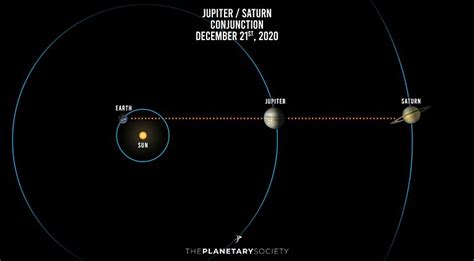
The apparent alignment of planets is a result of celestial geometry from Earth's perspective. Despite appearing aligned, the planets remain at varying distances from each other in space. This illusion of alignment occurs because the planets orbit the Sun roughly along the same plane, known as the ecliptic.
Impact and Significance of the 2025 Alignment
Stargazing Opportunities
The January and February 2025 alignments present unparalleled opportunities for both amateur and professional astronomers. The visibility of multiple planets in a concentrated area of the night sky allows for enhanced observational studies and photography. Planet enthusiasts can witness the convergence of planets, each offering unique features such as Saturn's rings and Jupiter's moons.
Astronomical Research and Insights
From an astronomical research perspective, such alignments offer valuable data:
- Studying the gravitational interactions between aligned planets.
- Observing planetary motions and orbital mechanics in real-time.
- Enhancing understanding of planetary formation and solar system dynamics.
Cultural and Educational Impact
Beyond scientific significance, planetary alignments inspire cultural phenomena:
-
Inspiring art, literature, and media centered around celestial events.
-
Enhancing public interest in astronomy and space sciences.
-
Educational programs leveraging the alignment for teaching about the solar system.
Future Planetary Alignments
Projected Alignments
Looking beyond 2025, planetary alignments continue to fascinate. The next opportunities for similar or more extensive alignments are projected as follows:
- All Planets on One Side of the Sun: November 7, 2176, and May 6, 2492.
- Seven-Planet Alignment: Following the 2025 event, the next is expected in the mid-2040s.
Advancements in Observation Technology
Future alignments will benefit from advancements in telescope technology, imaging techniques, and space-based observatories, allowing for even more detailed and comprehensive observations.
Conclusion
The planetary alignment occurring in January and February 2025 stands as a rare and captivating celestial event. With six and seven planets aligning respectively, these occurrences transcend typical astronomical phenomena due to their infrequent nature and the specific conditions required for their convergence. Whether viewed through the naked eye or with the aid of optical instruments, this alignment offers both awe-inspiring beauty and invaluable scientific insights. As we look forward to witnessing this event, it serves as a testament to the dynamic and ever-evolving nature of our solar system.
References
- The Year's Best Planet Parade Will Be Visible Starting January 18
- 6 planets will align together in the night sky this January - WTHR
- Planet Parade 2025: How to Watch the Rare Planetary Alignment
- Planetary Alignment on January 21, 2025: How to See It
- A Rare Alignment of 7 Planets Is About to Take Place in The Sky
- Seven Planets Will Soon Align, Creating a Planet Parade in the Sky
- Celestial Symphony: The Rare Planetary Alignment of January 25, 2025
- 6 Planets to Align on January 25, 2025: Rare Celestial Event Explained
- Cosmic Alert 2025: Rare Planetary Alignment on January 25, 2025
- Star Walk: Top 17 Rare Astronomical Events in 2025
Last updated January 19, 2025