
Unraveling the Enigma of Japanese Knotweed: Identification, Impact, and Control
A Comprehensive Guide to Understanding and Managing This Highly Invasive Plant
Japanese knotweed (Reynoutria japonica, also known by synonyms like Fallopia japonica and Polygonum cuspidatum) is an incredibly persistent and widespread invasive perennial plant that has earned a reputation as one of the world's most problematic invasive species. Originally from East Asia, specifically Japan, China, and Korea, it was introduced to Western countries in the 19th century, primarily as an ornamental plant and for erosion control. However, its aggressive growth habits and ability to outcompete native vegetation quickly became apparent, transforming it into a significant ecological and structural menace.
Key Insights into Japanese Knotweed
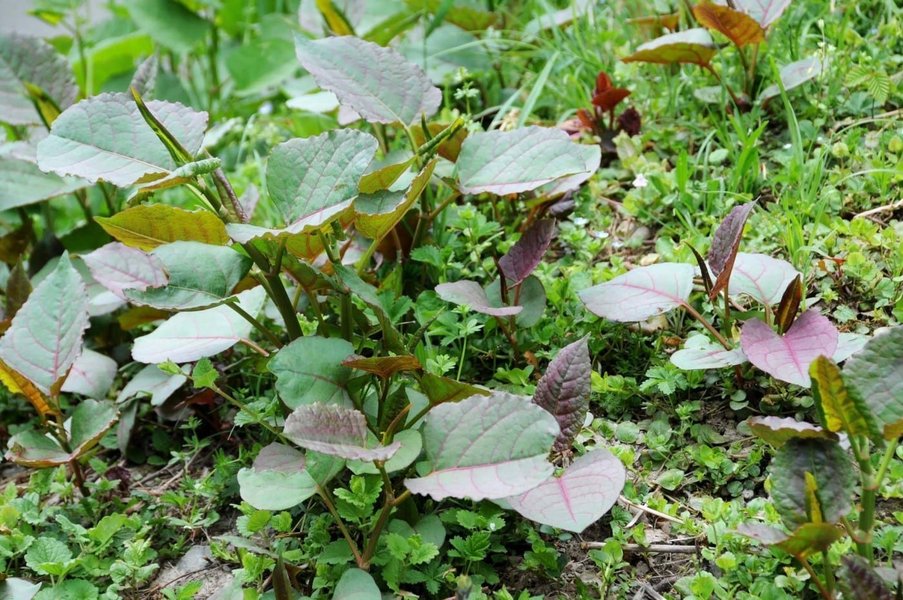
- Distinctive Identification Features: Japanese knotweed is characterized by its bamboo-like hollow stems with zigzag growth patterns, spade-shaped green leaves, and creamy white flowers that appear in late summer to early autumn. Young shoots often resemble asparagus spears and are purplish-green.
- Aggressive Growth and Spread: This plant can grow up to 10 cm (4 inches) per day during its peak growing season and forms dense thickets, effectively suffocating native flora. Its extensive underground rhizome system, which can extend up to 200 feet horizontally and several feet deep, is the primary means of its rapid spread, as even small fragments can regenerate new plants.
- Significant Ecological and Structural Threat: Japanese knotweed poses a severe threat to biodiversity by displacing native species, degrading habitats, and contributing to erosion, especially in riparian areas. Furthermore, its robust root system can penetrate cracks in concrete, asphalt, and building foundations, leading to costly structural damage.
Understanding Japanese Knotweed: A Detailed Overview
Japanese knotweed is a herbaceous perennial shrub known for its vigorous growth and ability to thrive in a wide range of disturbed habitats, including roadsides, riverbanks, wetlands, and neglected areas. Its resilience allows it to tolerate full sun, high temperatures, high salinity, and drought, making it an exceptionally adaptable invader.
Botanical Characteristics and Varieties
Japanese knotweed is a member of the buckwheat family (Polygonaceae). While Reynoutria japonica is the accepted botanical name, it is also widely referred to as Fallopia japonica or Polygonum cuspidatum. There are also related invasive knotweed species and hybrids:
- Giant Knotweed (Fallopia sachalinensis): This species is larger than Japanese knotweed, reaching heights of 16 feet or more, with leaves twice the size of its Japanese counterpart. It's sometimes called "elephant ear bamboo" due to its large leaves.
- Bohemian Knotweed (Fallopia x bohemica): A hybrid between Japanese and giant knotweed, it is often the dominant knotweed species in some regions, combining characteristics of both parent plants.
- Himalayan Knotweed (Persicaria wallichii): Features lanceolate (long and pointed) leaves with a pink midrib, and leaves alternate on the stem.
Identifying Features Throughout the Seasons
Correct identification is crucial for effective management, as Japanese knotweed can be mistaken for other plants such as dogwood, bindweed, broad-leaved dock, or even bamboo. Here’s how to identify it across the year:
Spring: Early Growth and Appearance
In early spring (late March to early April in southern Ontario), new stems emerge from the overwintering root system. These young shoots resemble asparagus spears and are purplish in color, gradually fading to green as they mature. They can grow rapidly, up to 8 cm (3 inches) per day.
This radar chart visually compares the characteristics of Japanese Knotweed against a typical invasive plant. It highlights Japanese Knotweed's exceptionally rapid growth rate, extensive rhizome spread, high invasiveness, significant structural damage potential, and the difficulty of its control and ecological impact. The data points, based on expert analysis, demonstrate why Japanese Knotweed is considered one of the most challenging invasive species to manage.
Summer: Full Growth and Flowering
During summer, Japanese knotweed matures into an upright, shrubby, herbaceous plant that can reach heights of 3 to 4.5 meters (10 to 15 feet). Its stems are smooth, stout, and hollow, resembling bamboo, but are not related. They are green during the summer, often with reddish-brown blotches and distinct raised nodes that give them a zigzag appearance between the leaves. The leaves are broadly ovate to triangular or heart-shaped, spade-shaped with a flattish base, measuring 8 to 15 cm (3 to 6 inches) long, and are arranged alternately on the stem.
In late summer and early autumn, clusters of small, creamy white flowers are produced in erect racemes, typically 6–15 cm (2½–6 inches) long. These flowers are valued by some beekeepers as a source of nectar.
Japanese Knotweed displaying its characteristic creamy white flowers and spade-shaped leaves in summer.
Autumn and Winter: Dieback and Persistent Stems
As autumn progresses, the stems turn reddish-brown and eventually die back in winter, leaving behind sections of dry, hollow, and woody stems. In sheltered locations, these dead stalks can remain upright throughout the winter, providing a visual indicator of the plant's presence even when dormant.

The persistent, hollow stems of Japanese Knotweed remain visible through the winter months.
The Invasive Nature and Impacts
Japanese knotweed's success as an invasive species stems from its incredibly efficient reproductive strategies. While seed germination is rare, it primarily spreads through its extensive network of rhizomes (underground stems) and stem fragments. Even a small piece of rhizome or green stem can root and grow into a new plant. This makes conventional mechanical removal highly challenging and often counterproductive if fragments are left behind or transported.
Ecological Disruptions
The dense thickets formed by Japanese knotweed create a monoculture, outcompeting native plant communities and preventing their establishment. This leads to reduced biodiversity, altered habitats, and degraded ecosystems, especially in sensitive riparian areas. Its presence can also lead to increased soil erosion due to its shallow root system compared to native vegetation.
Structural Damage and Property Concerns
One of the most significant concerns for property owners is Japanese knotweed's ability to cause structural damage. Its strong, invasive root system can penetrate cracks in pavements, foundations, drainage systems, and walls, leading to costly repairs. This potential for damage has made it a hotly debated topic in property sales and legal disputes in various countries.
This video explains how to identify Japanese Knotweed early and implement control measures, emphasizing its destructive potential.
The video above provides crucial insights into identifying Japanese knotweed at early stages, a critical step in preventing its widespread establishment and mitigating potential damage to property. It underscores the plant's aggressive nature and the urgent need for professional intervention to manage infestations effectively. Early detection and proactive control are paramount to protect both ecological health and structural integrity.
Control and Management Strategies
Controlling Japanese knotweed is a complex and often multi-year endeavor due to its extensive rhizome system. A combination of methods is usually recommended for effective eradication.
Chemical Control
Herbicides, particularly glyphosate-based solutions, are widely recommended for controlling Japanese knotweed. Application timing is critical for maximum effectiveness. Late season application (late August to first frost) is particularly effective because the plant is actively translocating sugars to its rhizomes, allowing systemic herbicides to be carried deep into the root system. Methods include:
- Foliar Spraying: Applying herbicide directly to the leaves. This is common but requires careful application to avoid harming surrounding vegetation.
- Stem Injection: A more precise method where glyphosate solution is injected directly into each stem using specialized equipment. This reduces the risk of affecting non-target plants and can be used throughout the growing season. It's often preferred for residential projects due to its targeted nature.
Mechanical and Cultural Control
Mechanical methods alone are generally not effective for eradicating large infestations due to the plant's robust rhizome system. However, they can be part of an integrated management plan:
- Cutting/Mowing: Repeated cutting of stems (e.g., every 2-3 weeks from spring through summer) can help exhaust the plant's root system over time. However, cutting alone will not kill the plant and must be combined with other methods.
- Excavation: Digging up the root system is the most effective way to ensure complete removal of rhizomes. However, this is labor-intensive and requires careful disposal of all plant material, as even small fragments can lead to re-infestation. Japanese knotweed waste is classified as "controlled waste" and must be disposed of at licensed facilities.
- Smothering/Covering: Using impenetrable barriers to deprive the plant of light can suppress growth, but this method requires long-term commitment and careful monitoring.
Integrated Pest Management (IPM)
An integrated approach combining multiple methods, tailored to the specific site conditions and extent of infestation, often yields the best results. Professional consultation is highly recommended for severe cases.
| Control Method | Description | Pros | Cons | Effectiveness for Large Infestations |
|---|---|---|---|---|
| Foliar Herbicide Spraying | Application of systemic herbicides (e.g., glyphosate) to leaves. | Cost-effective, covers large areas. | Risk to non-target plants, requires careful timing. | Good, especially with late-season application. |
| Stem Injection | Direct injection of herbicide into hollow stems. | Targeted, minimal impact on surrounding vegetation, effective year-round. | More labor-intensive, requires specialized equipment. | Very effective, reduces environmental impact. |
| Repeated Cutting/Mowing | Regularly cutting stems to ground level. | Reduces plant vigor, can be done without chemicals. | Does not kill rhizomes, requires frequent effort, can spread fragments. | Low, requires combination with other methods. |
| Excavation/Digging | Physical removal of the entire plant, including rhizomes. | Immediate removal, complete eradication possible. | Labor-intensive, costly, high risk of re-growth from missed fragments, requires specialized waste disposal. | High, if all rhizomes are removed and disposed of correctly. |
| Smothering (e.g., geotextile membranes) | Covering the area with impenetrable material to block light. | Herbicide-free, can be effective over long periods. | Long-term commitment (years), not always visually appealing. | Moderate to High, if maintained correctly over several years. |
This table provides a concise overview of common Japanese knotweed control methods, outlining their advantages, disadvantages, and effectiveness. It emphasizes that while some methods offer immediate results, others require sustained effort and often a combination of techniques for successful management.
Legal and Environmental Considerations
Japanese knotweed is often subject to legal control measures in many countries where it is invasive. For instance, in the UK, it is listed on Schedule 9 of the Wildlife and Countryside Act 1981, making it an offense to cause it to grow in the wild. Its waste material is classified as "controlled waste," requiring disposal at suitably licensed sites to prevent further spread. Landowners are generally responsible for managing knotweed on their property, and failure to control its spread can lead to civil liabilities or community protection notices.
Beyond the Nuisance: Unexpected Uses
Despite its notorious reputation, Japanese knotweed has some surprising uses, particularly in its native regions:
- Edibility: Young stems are edible and have a flavor similar to rhubarb. They are used as a spring vegetable in some cuisines.
- Medicinal Properties: In traditional Chinese medicine (TCM), Japanese knotweed (known as Hu Zhang) has been used for centuries. It's valued for clearing heat and toxicity, improving blood quality, and promoting qi circulation. It contains compounds like resveratrol, which has anti-inflammatory, antioxidant, and cardioprotective effects.
- Beekeeping: Its late-season flowers provide a valuable source of nectar for honeybees, especially when other plants are no longer blooming.

Despite its invasive nature, young Japanese Knotweed shoots are edible and used in certain culinary traditions.
Frequently Asked Questions (FAQ)
What does Japanese knotweed look like?
Why is Japanese knotweed considered invasive?
Can Japanese knotweed damage my property?
What is the most effective way to get rid of Japanese knotweed?
Is Japanese knotweed edible or medicinal?
Conclusion
Japanese knotweed is a formidable invasive species, characterized by its unique identification features and incredibly aggressive growth habits driven by an extensive rhizome system. Its rapid spread poses severe ecological threats by displacing native flora and significant structural risks to property. Effective management requires a comprehensive, often multi-year strategy, combining chemical treatments like glyphosate stem injection or spraying with careful mechanical removal and specialized disposal. While challenging, understanding its characteristics and implementing a targeted control plan is essential to mitigate its pervasive impacts. Despite its notoriety, it also holds surprising traditional culinary and medicinal uses, highlighting the complex relationship between humans and invasive species.
Recommended Further Exploration
- How does Japanese knotweed impact local ecosystems?
- What are the legal implications of Japanese knotweed on property?
- Comparing different herbicide treatments for Japanese knotweed
- Traditional uses and nutritional benefits of Japanese knotweed
References
Last updated May 21, 2025