
Qualitative Data Analysis on the Perspective of Traditional Jeepney Drivers
An in-depth exploration of drivers’ views on modernization
Key Takeaways
- Cultural Identity vs. Modernization: Jeepney drivers express deep attachment to the traditional jeepney as a cultural icon, amidst concerns about losing this identity through modern vehicles.
- Economic Resilience and Financial Strain: Economic considerations and job security prominently influence drivers’ acceptance or resistance to modernization initiatives.
- Policy Support and Transition Strategies: The need for phased approaches, government subsidies, and inclusive policymaking is essential to ease drivers’ transition toward modernized vehicles.
Introduction
The qualitative analysis presented here aims to explore and synthesize the complex perspectives of traditional jeepney drivers with regard to the modernization program. Given the cultural and socioeconomic significance of jeepneys in the Philippines, drivers are caught in a challenging transition that pits traditional heritage against the imperatives of modern safety, efficiency, and environmental sustainability. This analysis follows a structured methodology that involves data collection, coding, thematic analysis, and interpretation, resulting in insights that are pertinent both for scholars and policymakers.
Research Design and Methodology
Data Collection Methods
Interview and Focus Group Techniques
Qualitative data was collected using semi-structured interviews and focus groups involving traditional jeepney drivers. Open-ended questions were designed to capture diverse opinions and in-depth narratives about the perceived benefits and challenges of the modernization program. Examples of questions used include:
-
"How has the modernization program affected your livelihood and your connection to the jeepney culture?"
-
"What are your main concerns regarding the financial demands imposed by modernized jeepneys?"
-
"In what ways do you feel marginalized by the government’s approach to modernizing the jeepney industry?"
Data Preparation and Transcription
Each interview and discussion was transcribed verbatim, ensuring that nuances such as tone and nonverbal cues were noted. This detailed transcription process allowed for comprehensive data analysis, ensuring that drivers’ voices were accurately captured and preserved.
Coding and Data Organization
Open Coding Process
The initial stage of data analysis involved an open coding process where significant phrases, opinions, and keywords were identified. Common codes included:
- Job Insecurity: Fears of losing livelihoods as modern vehicles replace traditional jeepneys.
- Cultural Identity: Emotional attachment to the jeepney as a historical and cultural symbol.
- Economic Concerns: Anxiety over high costs of modern jeepneys leading to potential debt accumulation.
- Government Policy and Support: Need for subsidies, training, and phased policy implementation.
Software-Aided Organization
To manage the increasingly large data set, qualitative data analysis software (such as NVivo or Atlas.ti) was employed. This aided in organizing the codes into broader categories and helped in the quantitative assessment of recurring themes. Although manual coding played a significant role, the software provided a systematic approach to track the frequency and distribution of each theme.
Thematic Analysis
The thematic analysis of the data was performed using a systematic approach based on Braun and Clarke’s methodology. This involved identifying, analyzing, and reporting patterns (themes) within the data to capture the central aspects of the drivers’ views regarding the modernization program.
Emergent Themes from the Data
Theme 1: Preserving Cultural Heritage and Identity
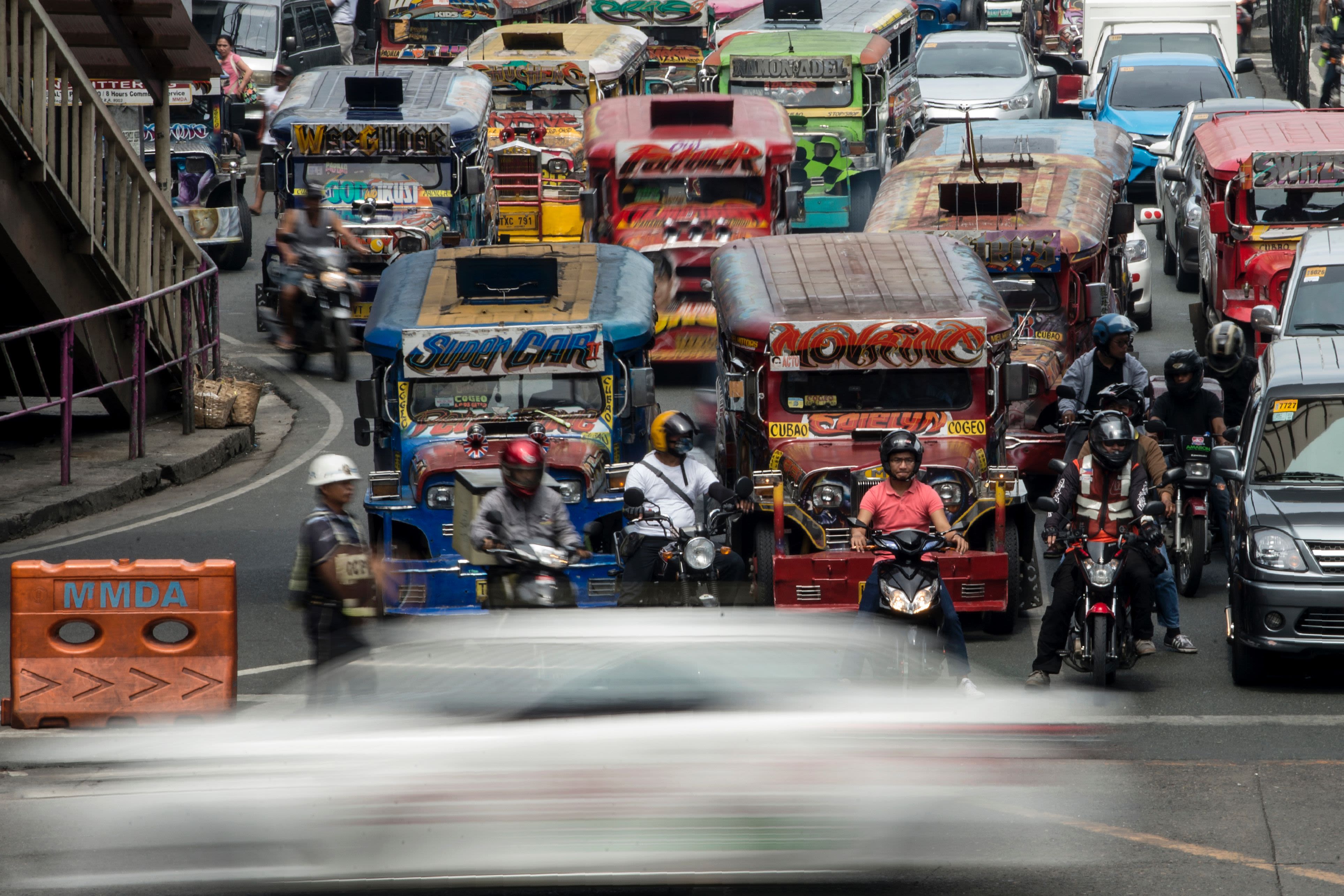
Jeepney drivers view the traditional jeepney as a cultural icon intrinsic to Filipino heritage. They frequently mention that each jeepney carries a unique identity that reflects the creativity and resilience of the community. Drivers express that modernizing the fleet could lead to a loss of cultural distinctiveness. The jeepney is not merely a means of transportation; it is a mobile canvas that tells the history and artistry of the Philippines.
For many drivers, the modernization program symbolizes an erasure of artistry and tradition. Quantitative accounts from here indicate that a significant number of drivers are resistant to changes that disregard the rich history and social significance of the jeepney.
Theme 2: Economic Concerns and Job Security
One of the dominant themes identified is the economic impact of the modernization program. The financial burden of acquiring modernized jeepneys, which are significantly more expensive than their traditional counterparts, poses a substantial challenge. Many drivers and operators express deep concerns about potential job losses and the creation of unsustainable debt.
Drivers typically operate on razor-thin margins, where daily gross incomes barely cover operational costs. With modernization imposing hefty upfront costs and unforeseen recurring expenses, this initiative threatens their financial stability. In this light, economic resilience becomes evident as drivers consider alternative sources of income or advocate firmly for government assistance to subsidize the transition.
Theme 3: Policy Implementation and Government Support
Another critical theme revolves around government policies, their implementation, and the required support systems. Jeepney drivers frequently mention that the modernization program, as currently conceived, lacks sufficient financial and logistical support. The absence of a phased and well-communicated transition plan exacerbates drivers’ fears.
Many drivers recommend that policymakers consider a more gradual implementation approach. This would involve offering low-interest loans, grants, or subsidies, as well as providing training programs to ease the transition. Drivers also stress that the government should engage with them transparently to ensure that their concerns are addressed during policy formulation and implementation.
Theme 4: Fare Adjustments and Commuter Impact
Modernization is also seen as a threat to the affordability of public transportation. With the costs of new jeepneys transferred partly to passengers through higher fares, there is apprehension about reduced accessibility for low-income commuters. Increased fares could create a domino effect, impacting not only drivers and operators but also the large contingent of riders who depend on jeepneys.
The analysis shows that while some drivers might accept fare adjustments as a necessary adaptation to cover new costs, many express anxiety about the potential loss of ridership and its subsequent impact on their already precarious income.
Theme 5: Adaptation and Future Outlook
Although resistance to the modernization program is strong, there exist narratives of potential adaptation among certain drivers. When provided with adequate support, some drivers demonstrate openness to modernizing their fleets. This conditional acceptance revolves around assurances of economic relief and retraining for operating modern vehicles.
These participants view modernization as an opportunity for improved safety and greater long-term benefits if handled appropriately. However, they assert that the advantages are contingent upon significant changes in government policy, including more accessible financing options and community-based modernization programs that partner with local stakeholders.
Data Analysis Process Summary
The qualitative data analysis process was conducted in a multi-step approach:
- Data Collection: Field interviews and focus groups were conducted with jeepney drivers using semi-structured questions.
- Transcription and Preparation: Interviews were transcribed verbatim with attention to nuance, and the data were prepared for coding.
- Coding: Open coding was applied to highlight significant themes such as cultural identity, economic concerns, and government policy issues.
- Thematic Analysis: Codes were clustered to derive broader emergent themes that encapsulated the diverse perspectives of drivers.
- Software Assistance: Qualitative data analysis software was used to manage and systematize the findings.
- Interpretation: The collated themes were analyzed for their interrelationships, relevance, and implications for policy enhancements.
Illustrative Table: Themes and Subthemes
| Major Theme | Subthemes | Key Findings |
|---|---|---|
| Preserving Cultural Heritage | Cultural Identity, Traditional Artistry | Traditional jeepneys are seen as symbols of Filipino culture, and their modernization risks diluting this heritage. |
| Economic Concerns | Financial Strain, Job Security | High costs of modern jeepneys and low profit margins threaten drivers' livelihoods, prompting concerns about debt and unemployment. |
| Policy Implementation | Government Support, Phased Transition | Drivers demand better financial instruments, training, and more inclusive decision-making processes to transition smoothly. |
| Fare Adjustments | Commuter Impact, Route Changes | Potential fare hikes could negatively affect commuting affordability, further complicating the economic scenario for drivers. |
| Adaptation Outlook | Conditional Acceptance, Future Opportunities | Some drivers express willingness to adapt if economic and safety benefits are evident through robust support measures. |
Interpretation of Findings
The detailed analysis indicates that the modernization program is viewed as a double-edged sword by traditional jeepney drivers. On one hand, the move towards eco-friendly, safer, and technologically improved vehicles represents progress that could address pressing issues like emission control and traffic safety. On the other hand, the cultural and economic realities of the jeepney drivers create significant resistance. For these drivers, the jeepney is not merely a mode of transportation but a repository of decades of cultural heritage and a source of daily livelihood.
The fear of job loss, compounded by the high cost of modern jeepneys, brings into focus the need for financial interventions such as subsidized loans and grants. Moreover, the cultural narrative associated with jeepneys resonates deeply among drivers, emphasizing a longing for preservation over radical change. Many drivers articulate that the modernization policy does not take into account the carefully nurtured identity of the jeepney community, which could face irreversible changes if traditional vehicles are phased out without thoughtful planning.
In examining the impact of potential fare increases, drivers express concern that higher costs might alienate the everyday commuter, who depends on jeepneys as an affordable means of transportation. Such a scenario could lead to a cascade of socio-economic issues where both drivers and commuters suffer. The data reinforces the call for a more balanced approach that safeguards the interests of all stakeholders involved.
Crucially, our analysis underscores that effective policymaking must be rooted in inclusivity. Engaging with jeepney drivers, understanding their lived experiences, and incorporating their feedback into program design can forge a path for gradual and acceptable change. Such an approach not only preserves the cultural legacy of the jeepney but also paves the way for a more resilient and sustainable public transport system.
Recommendations and Policy Implications
For Policymakers and Stakeholders
Enhanced Financial Assistance
Policymakers should consider measures such as low-interest financing, subsidies, and flexible payment schemes that reduce the economic strain on jeepney drivers and operators. Tailoring financial instruments to meet the needs of low-income operators is critical.
Engagement and Participatory Decision-Making
It is imperative that government agencies engage directly with jeepney drivers during the policy formulation and implementation stages. Regular consultations, community forums, and feedback mechanisms can ensure that the modernization program is adjusted to suit the socio-cultural dynamics of the drivers.
Phased Implementation and Training
A gradual, phased approach to modernization that allows drivers ample time to adjust is recommended. Coupled with comprehensive training programs, this strategy will equip drivers with the skills needed to operate modern vehicles and adapt to evolving technological infrastructures.
Preservation of Cultural Identity
Adapting modern designs that incorporate traditional aesthetic elements can help preserve the cultural significance of the jeepney. Policymakers should prioritize solutions that balance modernization with the protection of cultural heritage, ensuring that new designs resonate with the rich history of the Filipino people.
Concluding Remarks
In conclusion, the qualitative analysis of traditional jeepney drivers' perspectives on the modernization program reveals a multifaceted set of concerns, balancing the tension between cultural preservation and economic survival. The drivers' deep-seated cultural attachment, coupled with the economic challenges posed by the high costs of modern vehicles, highlights the complexity of transitioning to a modern public transport system.
The analysis underscores the importance of inclusive policymaking, where government agencies are encouraged to directly involve drivers in the modernization process. By implementing supportive financial measures, phased transitions, and culturally sensitive design adaptations, the modernization program can achieve a more balanced outcome that preserves the legacy of the jeepney while incorporating necessary technological advancements.
This research serves as a vital reference for further exploration into sustainable transport modernization strategies that do not compromise the social and cultural fabric of communities. Continuous dialogue, rigorous qualitative research, and iterative feedback loops will be essential to navigate the evolving landscape of public transportation in the Philippines.
References
https://papers.ssrn.com/sol3/papers.cfm?abstract_id=4835707
https://icceph.com/wp-content/uploads/2024/08/BEEP-BEEP-BEEP-STEERING-THE-PERCEPTION-OF-JEEPNEY-DRIVERS-TOWARDS-JEEPNEY-MODERNIZATION.pdf
https://voxjournal.sapienzaeditorial.com/index.php/VOX/article/download/643/478/1906
https://ijcsrr.org/from-routes-to-resilience-exploring-manila-jeepney-drivers-demographics-and-perspectives-on-proposed-public-utility-vehicle-modernization-program-puvmp-through-thematic-analysis/
https://works.hcommons.org/records/gmbpx-qjj97
https://cmfr-phil.org/media-ethics-responsibility/journalism-review/inquirer-net-explains-why-jeepney-drivers-operators-defy-modernization-plan/
https://www.sciencedirect.com/science/article/pii/S2664328623001092
Last updated February 17, 2025