
Theoretical Perspectives on Traditional Jeepney Drivers’ Views
Understanding socio-economic, cultural, and resistance theories
Key Takeaways
- Economic Vulnerability: Financial constraints play a critical role in shaping drivers’ views, as the high cost of modernization threatens their livelihoods.
- Cultural Identity and Resistance: Jeepneys are emblematic of Filipino culture, and modernization is seen as a threat to both cultural heritage and established social networks.
- Theorized Resistance to Change: The transition is analyzed through multiple lenses including modernization theory, social identity theory, and theories of resistance, highlighting the systemic and personal impacts on drivers.
Introduction
The modernization program targeting public utility vehicles has stirred significant debate in the Philippines, particularly among traditional jeepney drivers. This discussion is not merely about technology or regulatory change—it embodies deep-rooted concerns regarding economic survival, cultural identity, and the resistance to transformative change.
The theoretical frameworks used to understand this phenomenon intertwine several elements: modernization versus tradition, the preservation of cultural identity, economic vulnerability, and the psychological response to enforced changes. In the following sections, we will examine the various theoretical perspectives that explain the viewpoints of traditional jeepney drivers and discuss how these theories integrate to provide a comprehensive analysis of the modernization program.
Modernization Theory Versus Traditional Practices
Modernization Theory and Its Implications
Modernization theory posits that the adoption of new technologies and regulatory frameworks is a necessary step in the evolution of social and economic infrastructure. In the context of public transportation, proponents argue that the modernization program aims to enhance service quality, improve environmental sustainability, and introduce standardized safety measures. Modern vehicles are believed to represent progress and efficiency in an era where urban growth demands more systematic modes of transport.
For example, modern jeepneys, with their improved safety features and reduced emissions, are presented as a solution to the increasing environmental concerns and the chaos in urban mobility. Government briefs assert that such improvements would lead to a better commuting experience and overall operational cost savings, such as reduced fuel consumption and fixed operating hours.
The Experience of Traditional Jeepney Drivers
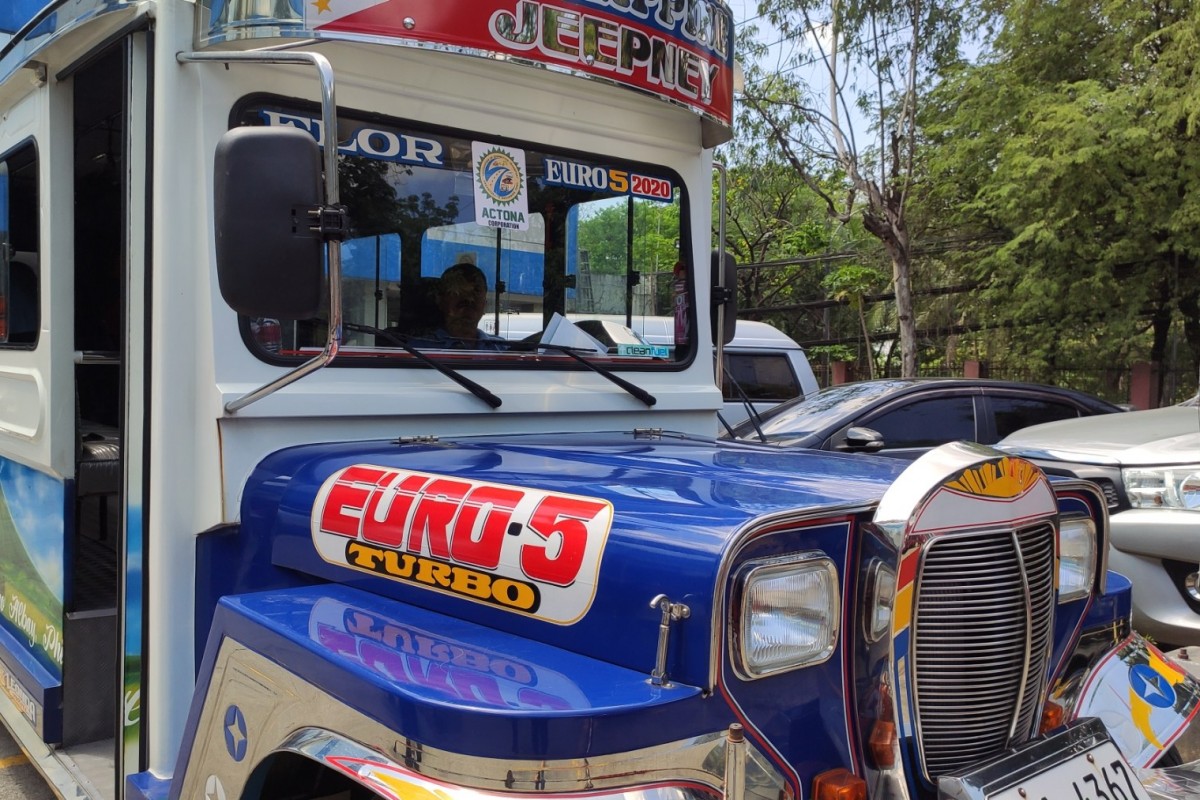
In stark contrast to the ideal of modernization lies the lived reality of traditional jeepney drivers. Their perspective is deeply embedded in generations of experience and cultural continuity. Traditional jeepneys are not simply vehicles—they are mobile cultural icons rich with history, each uniquely decorated and customized by its driver.
For many drivers, the modernization program symbolizes a break from a long-standing tradition. Economic challenges, notably the substantial financial burden of acquiring new vehicles, further complicate the picture. The cost differential between a traditional jeepney—which generally costs several hundred thousand pesos—and a modern jeepney, often costing upwards of P1.4 million, represents a stark economic mismatch given the average daily earnings of drivers.
Cultural Identity and Symbolism
Jeepney as a Cultural Icon
Traditional jeepneys stand as a powerful emblem of Filipino cultural identity. Their vibrant colors and distinctive designs not only reflect artistic expression but also evoke a sense of community and history. For many jeepney drivers, their vehicles are an extension of themselves—a symbol of ingenuity and resilience against economic adversity.
Modernization, as demanded by the program, often translates into a homogenized model. This standardization threatens to erase the rich artistic expression that is manifest in the current generation of jeepneys. The cultural identity theory explains that such erasure is not a trivial matter; it amounts to a loss of heritage that many drivers and passengers hold dear.
Emotional Ties and Community Significance
The jeepney, over decades, has evolved into more than a transportation means—it is a focal point of social interaction and community bonding. Traditional jeepney drivers often form close-knit networks, sharing mutual support, passing down traditional practices, and collectively navigating the challenges posed by government policies.
The imposition of a modern, standardized system is often perceived as a deliberate disruption of these community ties. The requirement for drivers to join cooperatives or larger corporate entities forces them into a new operating paradigm, one that can potentially dilute personal identity and local legacy. Social identity theory thus provides an interpretive framework: disrupted social networks lead to resistance as drivers strive to protect their sense of self and community.
Economic Vulnerability and Financial Constraints
Financial Burdens and Affordability Challenges
A key element underlying the resistance among jeepney drivers is the financial burden imposed by the modernization program. The modern jeepney’s price, which ranges significantly higher than that of a traditional unit, is a critical barrier. Many drivers operate on thin margins, with daily earnings that barely cover basic living expenses.
Modern vehicles require substantial upfront investments that are out of reach for most drivers. Even with government subsidies and financial aid, the assistance provided is often deemed insufficient relative to the high costs associated with modernization. This profound economic vulnerability makes the transition not just a change in vehicle type, but a potential threat to the driver’s very livelihood.
For instance, financial constraints theory elucidates how insufficient capital and limited access to affordable credit can lead to resistance against innovation. The mandated consolidation into cooperatives further complicates access to loans, forcing many individual drivers into unfamiliar administrative and financial systems.
Impact on Livelihood and Job Security
The modernization program is also seen as a harbinger of job insecurity. The process of consolidating into cooperatives can contribute to uncertainties about income distribution and operational control. Many drivers express fear that modernization could eventually lead to a loss in earnings, given that the transition might marginalize smaller operators and favor larger, corporate entities with better financial backing.
The pressure to continuously invest in vehicle upgrades and to potentially shoulder increased operational costs creates a deep-seated anxiety regarding economic stability. This is particularly evident in areas where traditional jeepney operations form the backbone of local transportation and community economy.
Theoretical Frameworks Explaining Resistance
Resistance to Change Theory
Resistance to change theory explains that any significant alteration in long-established systems is met with pushback, as it disrupts routines and deeply embedded cultural practices. This theory is highly applicable here. Traditional jeepney drivers have not only refined specific operational methods over decades, but they have also built personal and social identities closely tied to these practices.
Given the rapid transition mandated by the modernization program, drivers naturally exhibit a defensiveness aimed at protecting their economic interests and personal identity. This reaction is not merely a rejection of new technology but a broader resistance to external imposition that disregards the lived experience and established norms of the community.
Social Identity Theory
Social identity theory helps elucidate the emotional and cultural dimensions that underpin resistance to modernization. According to this theory, traditional jeepney drivers derive significant pride and self-esteem from their work. Their identity is interwoven with the history of the jeepney, a vehicle that carries immense sentimental and cultural value.
When policy changes threaten to dilute this identity—through homogenization and enforced partnerships in cooperatives—it triggers a defensive stance among drivers. The fear of losing communal ties and individual recognition acts as a catalyst for resistance, prompting drivers to seek ways to maintain their traditional practices even in the face of modernization.
Coping Mechanisms and Adaptive Strategies
Coping mechanisms theory, which examines how individuals adapt to stressful and challenging situations, also offers insights into the jeepney drivers’ responses. The modernization program has imposed an environment of stress, with drivers forced to consider drastic measures such as forming cooperatives, seeking government financial aid, or adapting informal means of transport.
In response, drivers have developed adaptive strategies that include both direct and indirect forms of resistance. Some choose to comply partially with the new regime while simultaneously protesting against the policy, whereas others resort to alternative income sources or engage in illicit transportation practices. Such adaptive behaviors illustrate how drivers attempt to balance the competing pressures of survival and compliance.
Integrated Analysis: Intersection of Livelihood, Policy, and Identity
Interconnected Factors Underpinning Resistance
A holistic analysis of traditional jeepney drivers’ perspectives reveals that the opposition to modernization is not rooted in a single issue but rather the intersection of multiple factors. Economic pressures, cultural significance, social identity, and policy implementation dynamics are all interrelated in shaping resistance.
The juxtaposition between modernization’s promise of efficiency and the inherent risk of economic displacement highlights the paradox drivers face. While improvements such as enhanced safety features and environmental benefits are acknowledged, they are often overwhelmed by concerns regarding the feasibility of financial outlay and the loss of autonomy in the face of enforced cooperativism.
A Comparative Perspective
| Aspect | Modernization Perspective | Traditional Drivers' Perspective |
|---|---|---|
| Economic Impact | Improved efficiency and long-term savings due to lower fuel consumption and standardized operations. | High upfront costs, heavy financial burden, and fear of debt accumulation. |
| Cultural Identity | Modern vehicles as symbols of progress and technological advancement. | Cultural icons that reflect local identity, artistic expression, and community resilience. |
| Job Security | Better working conditions, more predictable routes, and potential for increased income. | Risk of job displacement, loss of independent operational control, and uncertainty in cooperative models. |
| Resistance to Change | Transition and upgrades seen as necessary for urban modernization. | Defensive measures to protect a long-established livelihood, community bonds, and cultural heritage. |
This table highlights the key distinctions between the theoretical rationale behind the modernization efforts and the practical, everyday concerns of traditional jeepney drivers. It underscores the divide wherein theoretical benefits struggle to address the multifaceted disadvantages perceived by those who operate within the current system.
Policy Implications and Future Directions
Inclusive Policy-making
Recognizing the complexity of jeepney drivers’ perspectives, policymakers must pursue a more inclusive approach that addresses economic, cultural, and social dimensions simultaneously. This involves creating policies that allow for:
-
Subsidized financial programs that are responsive to the actual costs experienced by drivers.
-
Incremental transitions that provide sufficient time for drivers to adapt financially and operationally.
-
Mechanisms to preserve the cultural legacy of jeepneys while still upgrading safety and environmental standards.
Policies should integrate feedback from affected stakeholders to design support systems that reduce economic vulnerabilities and protect cultural identities. This might include measures such as extended loan repayment schemes, temporary grace periods, and allowances for retrofitting existing jeepneys as alternatives to complete replacement.
Bridging Theory and Practice
The intersectional nature of resistance—as observed through economic vulnerability, cultural identity, and social dynamics—calls for policies that do not solely emphasize modernization for the sake of progress but also safeguard the livelihoods and identities of traditional drivers. In practice, this means:
- Engaging with driver cooperatives early in the policy development process to ensure that their practical realities inform funding mechanisms and operational standards.
- Developing alternatives for drivers who cannot afford full vehicle replacement, such as subsidized retrofitting programs or phased compliance schedules that allow financial accumulation over time.
- Encouraging public dialogue that frames modernization as an evolution that respects tradition rather than a complete displacement of time-honored practices.
Conclusion
Combined Insights and Final Thoughts
In summary, the perspectives of traditional jeepney drivers on the modernization program are multifaceted and rooted in deep-seated concerns over economic security, cultural preservation, and resistance to abrupt change. The theoretical frameworks of modernization theory, social identity theory, resistance to change theory, and coping mechanisms blend to provide a thorough understanding of this discourse. While governmental policies aim to improve efficiency, safety, and environmental outcomes, they often overlook the nuanced realities faced by drivers who find their livelihoods entangled with a vehicle that is not only a mode of transit but a living symbol of Filipino heritage.
For modernization to be successfully implemented, it must be accompanied by comprehensive financial support, participatory policy-making, and strategies that honor the cultural significance of traditional jeepneys. Balancing technological progress with cultural tradition and economic feasibility remains at the heart of this complex issue.
Final Thoughts
Ultimately, the theory behind traditional jeepney drivers’ perspectives encapsulates a broader narrative of resistance to change amid deep financial constraints and cultural loss. Acknowledging and addressing these layered challenges is essential for policy reforms that can seamlessly integrate modernization with the preservation of cherished cultural identity.
References
https://feuadvocate.net/passage-to-jeepney-modernization-plight-of-the-king-of-the-road/
https://animorepository.dlsu.edu.ph/cgi/viewcontent.cgi?article=1704&context=conf_shsrescon
https://www.sciencedirect.com/science/article/pii/S2664328623001092
https://greennetwork.asia/opinion/the-jeepney-phaseout-is-hurting-the-real-drivers-of-change/
https://www.change.org/t/jeepney-modernization-en-us
https://www.greennetwork.asia/opinion/the-jeepney-phaseout-is-hurting-the-real-drivers-of-change/
Last updated February 17, 2025