
Jet Grouting for Soil Improvement: Uncovering Qualitative Research Insights
Chapter 3: Research Methodology for Evaluating Jet Grouting Effectiveness
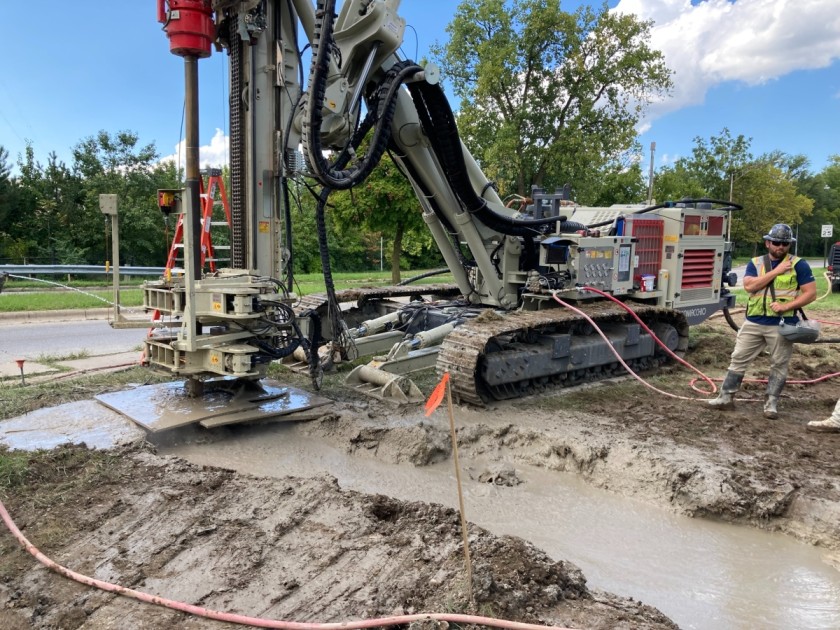
Key Highlights
- Holistic Qualitative Approach: Emphasis on gathering in-depth insights through interviews, observations, and document reviews.
- Robust Data Collection: Use of multiple instruments like semi-structured interviews, focus groups, case studies, and field observations.
- Thorough Data Analysis: Adoption of thematic, content, and narrative analysis to derive comprehensive conclusions on technique effectiveness.
Introduction to Chapter 3
This chapter outlines the research methodology for our qualitative study on the effectiveness of jet grouting as a soil improvement technique. Recognizing the complex interplay between soil conditions, technique application, and project requirements, this chapter delves into the research approach, data gathering instruments, and data analysis strategies that together provide a deep understanding of the subject matter. By synthesizing insights from multiple sources and methods, the study aims to capture the nuances, challenges, and benefits associated with jet grouting, offering stakeholders a comprehensive perspective based on qualitative data.
3.1 Research Approach
Overview
The qualitative research approach is ideally suited for this study due to its focus on understanding the underlying mechanisms and subjective experiences of key actors involved in jet grouting projects. It allows for an intricate examination of the "how" and "why" behind the effectiveness of jet grouting as a soil improvement method.
Design and Rationale
This study adopts an exploratory case study design, which is instrumental in capturing the real-world complexities associated with jet grouting. By focusing on specific projects, the study can provide detailed narrative accounts and rich descriptions that reveal the strengths and limitations of the technique. The research approach emphasizes:
- Collecting detailed insights from industry professionals such as engineers, project managers, and contractors.
- Exploring project-specific conditions and context, including soil types, equipment used, and environmental factors.
- Understanding the dynamic relationship between jet grouting processes and their outcomes.
Theoretical Underpinnings
The study draws on qualitative theories, including constructivism and interpretivism, which hold that individuals construct meaning based on their experiences. Such theories are particularly relevant when assessing technical processes like jet grouting, where personal experience, expert opinion, and documented evidence converge to form a comprehensive picture of efficacy. By utilizing a qualitative lens, the study seeks to understand not only whether jet grouting improves soil conditions, but more importantly, how these improvements manifest in diverse environmental and operational contexts.
3.2 Data Gathering Instruments / Data Collection Methods
Primary Data Collection Techniques
To ensure a rich and layered understanding of jet grouting effectiveness, multiple data collection methods have been identified. This multi-method approach allows for triangulation, increasing the reliability and depth of insights drawn from the research.
Semi-Structured Interviews
Semi-structured interviews are a cornerstone of qualitative research and have been selected for this study to engage directly with the expertise of professionals on the ground. The method includes:
- Participant Selection: Geotechnical engineers, project managers, contractors, and construction supervisors will be recruited based on their extensive experience with jet grouting projects.
- Interview Format: Interviews will follow a semi-structured format, allowing flexibility so that participants can share detailed insights while still focusing on key topics related to project execution and soil improvement.
- Data Recording and Transcription: All interviews will be audio-recorded (with appropriate consent) and later transcribed verbatim to ensure that all nuances and verbal cues are accurately captured.
Focus Groups
Focus groups provide an additional layer of insight by enabling group discussions among practitioners. This fosters a collective dialogue, encouraging the sharing of multiple viewpoints and experiences. The approach allows for:
- Dynamic interactions among participants, which can stimulate more comprehensive explanations and discussions about jet grouting challenges and successes.
- Identification of common themes and divergent opinions that may not surface during individual interviews.
- Enhanced understanding of consensus and areas of contention among stakeholders.
Field Observations
Observation, whether participatory or non-participatory, is essential for capturing the practical application of jet grouting in real-world contexts. By visiting project sites, researchers can directly witness:
- The operational procedures and equipment used during jet grouting processes.
- The immediate effects on the soil, such as changes in density and stabilization outcomes.
- Interactions between the project teams and environmental conditions that may influence performance.
Document Analysis
Document analysis supplements primary data collection and provides historical and technical context to the ongoing projects. This involves reviewing extensive documentation, such as:
- Engineering reports, technical manuals, and project documentation detailing jet grouting methodology.
- Case studies and previously published academic research on similar soil improvement techniques.
- Quality control records and design documents that delineate the planning and implementation phases.
Summary Table of Data Collection Methods
| Data Collection Method | Purpose | Key Details |
|---|---|---|
| Semi-Structured Interviews | Gather in-depth individual experiences | Flexibility, detailed transcripts, expert participants |
| Focus Groups | Foster group discussion and collective insights | Multiple viewpoints, dynamic interaction, consensus identification |
| Field Observations | Direct observation of jet grouting in action | Site visits, operational details, contextual factors |
| Document Analysis | Review historical, technical, and procedural data | Technical reports, case studies, engineering documents |
3.3 Data Analysis
Transcription and Data Preparation
Data analysis begins with the comprehensive transcription of all recorded interviews and focus groups. Every audio recording is converted into textual format using transcription software and subsequently verified by manual checks to ensure accuracy. This step is critical in capturing the complete context and subtle nuances of participants' responses. Additionally, detailed field notes and document summaries are organized systematically to support the subsequent coding process.
Coding Process
The primary method for analyzing qualitative data in this study is coding. Coding involves breaking down the data into manageable segments by assigning codes to meaningful units such as words, phrases, or entire passages based on their significance to the research investigation. This approach enables the identification of recurrent themes and underlying patterns, and the process includes:
- Open Coding: Initially, all textual data, including interview transcripts, focus group discussions, and field notes, are reviewed to identify significant statements and emergent themes related to jet grouting effectiveness.
- Axial Coding: Relationships between codes are explored to identify broader categories or clusters of themes, linking specific occurrences or experiences to overarching concepts.
- Selective Coding: Key themes and categories are refined to focus on those most relevant to the study’s objectives, such as soil stabilization, operational challenges, and equipment efficacy.
Thematic Analysis
A major component of our qualitative strategy involves a detailed thematic analysis. This method allows researchers to interpret patterns within the coded data in order to develop a comprehensive narrative. For instance, themes such as "improved soil strength," "execution challenges," and "environmental adaptation" may emerge and further be analyzed to understand:
- How variations in soil type or environmental conditions influence the success of jet grouting.
- Practitioners' perceptions of technological limitations versus practical applications in the field.
- The relationship between project planning and observed outcomes during and after the jet grouting process.
Content and Narrative Analysis
Complementary to thematic analysis, content analysis is applied to documents and technical literature related to jet grouting. Through systematic examination, the frequency and significance of terms and phrases are quantified, allowing further corroboration of interview findings. Narrative analysis helps organize the qualitative data into a coherent story, illustrating how jet grouting is implemented across different case studies and how results vary based on diverse conditions.
Triangulation of Data Sources
To enhance the validity of our findings, data triangulation is employed. This involves comparing and cross-verifying insights gained from interviews, focus groups, field observations, and document reviews. By aligning these diverse sources, the research ensures that the conclusions drawn about jet grouting’s effectiveness are robust and well-supported. Triangulation further mitigates researcher bias and reinforces the overall credibility of the qualitative study.
Software and Tools
Data analysis software, such as NVivo or Atlas.ti, supports the extensive coding and thematic extraction processes. These applications allow for efficient organization, tagging, and retrieval of qualitative data, making it easier to iterate over emerging themes and refine the analysis. Such tools are particularly useful given the large volume of textual data generated from multiple interviews, focus groups, and document reviews.
Additional Considerations
Ethical Considerations
In this study, ethical standards are diligently observed. Participants’ confidentiality is maintained through anonymization of responses and secure storage of data sets. Informed consent is obtained prior to interviews and field observations, ensuring ethical data gathering practices. This aspect of the methodology underscores not only the technical reliability of the research but also its adherence to ethical responsibilities.
Contextual and Environmental Factors
The research also accounts for external factors that could influence the effectiveness of jet grouting. The examination of contextual elements, such as environmental conditions, soil characteristics, and varying project scales, is integral to understanding why jet grouting might perform differently in distinct scenarios. The interplay between these contextual variables and engineering practices is considered throughout data collection and analysis, helping to frame the overall narrative of the study.
Potential Limitations
While the qualitative approach yields rich, in-depth data, it is essential to acknowledge potential limitations. These include challenges in generalizing results beyond the specific case studies, potential bias in self-reported data from interviews, and the intrinsic subjectivity involved in qualitative coding. Addressing these limitations involves careful methodological planning, such as utilizing participant triangulation and secondary data sources to reinforce findings.
Summary Table: Research Methodology Overview
| Aspect | Method/Instrument | Description |
|---|---|---|
| Research Approach | Qualitative, Exploratory Case Study | Focuses on understanding subjective experiences and context-specific outcomes of jet grouting in soil improvement projects. |
| Data Collection | Semi-Structured Interviews | Engages professionals to gather in-depth insights; recorded and transcribed for thematic analysis. |
| Data Collection | Focus Groups | Facilitates group discussions to surface collective views and shared experiences among practitioners. |
| Data Collection | Field Observations | Direct observation of jet grouting in action to document operational practices and immediate outcomes. |
| Data Collection | Document Analysis | Involves reviewing technical reports, case studies, and engineering documents for context and historical insights. |
| Data Analysis | Coding & Thematic Analysis | Identification, categorization, and narrative construction based on recurring themes extracted from the collected data. |
| Data Analysis | Software Tools | NVivo or Atlas.ti employed for efficient coding and management of qualitative data. |
References
- A review of jet grouting practice and development - ResearchGate
- Jet Grouting: Versatile Ground Stabilization Technique - Schnabel
- Jet Grouting - Procedure, Applications and Advantages for Soil Stabilization – The Constructor
- A Comprehensive Review of Sustainable Assessment and Innovation in Jet - MDPI
- Jet Grouting Practice: an Overview - ResearchGate
Recommended Related Queries
Last updated March 24, 2025