
The Assassination of JFK
A Comprehensive Analysis of the Events and Evidence of November 22, 1963
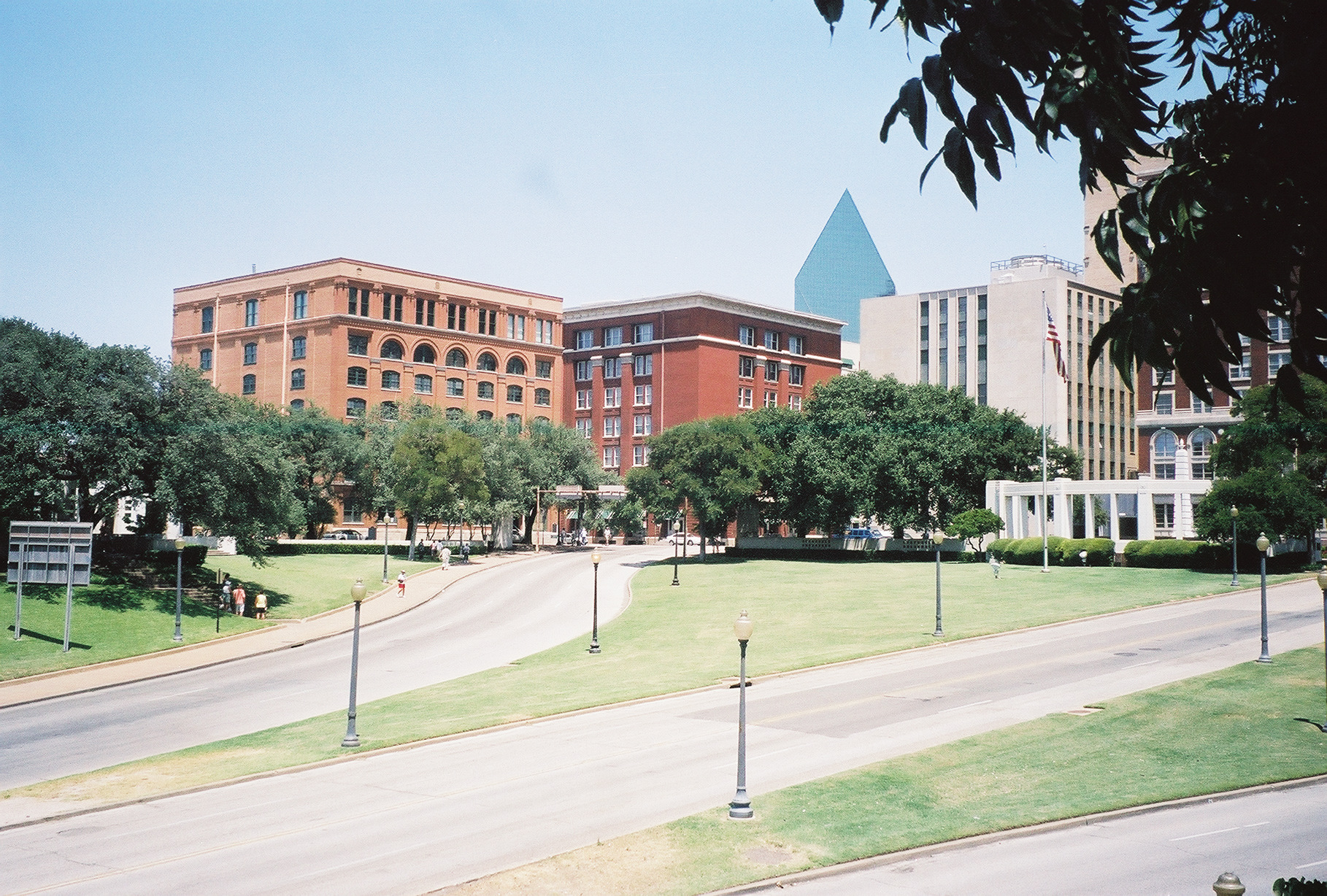
Key Highlights
- Lee Harvey Oswald as the Prime Suspect: Official investigations indicate that Oswald fired the fatal shots from the sixth floor of the Texas School Book Depository.
- The Role of Official Investigations: The Warren Commission, along with extensive FBI inquiries, concluded that Oswald acted alone in the assassination.
- The Aftermath and Persistent Debate: Despite official findings, conspiracy theories continue to fuel public debate and speculation about the possibility of additional conspirators.
Detailed Examination of the Event
On November 22, 1963, the United States witnessed one of the most critical moments in its modern history when President John F. Kennedy was assassinated in Dallas, Texas. This tragic event has been the subject of extensive study and investigation, with numerous theories about the circumstances and responsible individuals emerging over time. However, prevailing official investigations and historical analysis have consistently pointed to a single perpetrator as the assassin.
Overview of the Incident
As President Kennedy’s motorcade made its way through Dealey Plaza, shots echoed through Dallas. From the sixth floor of the Texas School Book Depository, the fatal shots struck the president during his open-windowed ride. The rapid unfolding of events led to a nationwide shock and an ensuing period of investigation that fundamentally reshaped the course of U.S. history.
Timeline of Key Events
The assassination occurred in a short succession of events. Lee Harvey Oswald fired shots across the motorcade route, and in the chaos of the situation, a Dallas police officer was also fatally struck. Moments after the shooting, law enforcement apprehended Oswald, marking the beginning of a long, intricate investigation. Just two days later, before he could stand trial, Oswald was killed by Jack Ruby, a nightclub owner, in the Dallas County Jail, adding another layer of complexity to the narrative.
The Identification of Lee Harvey Oswald
Investigations rapidly centered on Lee Harvey Oswald as the individual responsible for the fatal shots. Oswald was a former U.S. Marine with known ideological leanings that included an affinity for Marxism. His background, combined with the circumstances of the event, made him the primary suspect. Oswald was observed to have moved to conditions that allowed him to access strategic positions within the Texas School Book Depository. His presence on the sixth floor of the building at the critical time has been well documented in the subsequent investigations.
Position and Actions at the Scene
Lee Harvey Oswald’s vantage point on the sixth floor provided a clear line of sight to Dealey Plaza. From this location, he was positioned to execute the shots that struck President Kennedy. Eyewitness testimonies, coupled with ballistic evidence, provided a coherent narrative that identified the precise location from which the shots were fired. The sequence of events as recounted in multiple official reports and verified through forensic analysis indicates that the fatal shots, including one in the neck and another in the head, were fired in rapid succession.
Investigative Findings
Two principal investigations were carried out in the aftermath of the assassination: the Warren Commission and the FBI’s comprehensive investigation. Both of these investigations played pivotal roles in shaping the official narrative regarding the assassination.
The Warren Commission
Established by President Lyndon B. Johnson in the wake of the assassination, the commission was charged with uncovering the facts surrounding the tragic event. Through detailed analysis that involved eyewitness interviews, ballistic studies, and review of the situational context, the commission concluded that Lee Harvey Oswald was the lone assassin who acted independently. Their extensive research mapped out the timeline, established the role of the Texas School Book Depository location, and identified Oswald’s actions as the direct catalyst for the firing sequence that ultimately led to Kennedy’s death.
FBI's Extensive Inquiry
Parallel to the work of the Warren Commission, the FBI conducted its own investigation, which included interviews, forensic assessments, and a review of Oswald’s background. With over 25,000 interviews and extensive scrutiny of every available piece of evidence, the FBI’s investigation corroborated the conclusion that Oswald acted alone. Their findings reinforced Oswald's presence on the sixth floor and confirmed his involvement through ballistic reports and eyewitness accounts.
The Role of Conspiracy Theories
While the official narrative has been robustly defended through multiple investigations and remains the prevailing interpretation, the assassination of President Kennedy has also been a fertile ground for numerous conspiracy theories. Over the years, alternative accounts have been proposed, suggesting the potential involvement of additional individuals or broader conspiracies ranging from clandestine government operations to organized crime.
Nature and Popularity of Conspiracy Theories
Conspiracy theories often emerge in the wake of high-profile events where public emotions run high and the available evidence seems to conflict with deeply held beliefs or suspicions about official institutions. In the case of JFK's assassination, some theorists have posited that the shooting involved more than one individual, suggesting that the existence of a second shooter or a coordinated conspiracy was plausible. While these claims have been widely debunked by extensive official investigations, their persistence in popular culture is indicative of the national trauma and distrust that followed the assassination.
Evaluating the Evidence
The overwhelming majority of evidence arising from detailed investigations has consistently pointed to Lee Harvey Oswald as the lone assassin. Eyewitness accounts, ballistic tests, and forensic reconstructions converge on the conclusion that the shots that fatally injured Kennedy were fired solely from the position occupied by Oswald. Additionally, questions about the possibility of a second shooter have been examined thoroughly by committees and investigative bodies, with the official findings maintaining that no credible evidence supports the presence of additional assailants during the assassination.
It is important to recognize that while public opinion may sometimes align with the idea of a conspiracy, official record, forensic evidence, and comprehensive investigations have repeatedly reinforced the conclusion that Oswald acted alone. This consensus, established through decades of meticulous research and inquiry, represents one of the most extensively studied incidents in American history.
Analyzing the Aftermath
The immediate aftermath of the assassination was marked by a tumultuous mix of shock, grief, and an urgent quest for answers among the American populace. The assassination not only signified the loss of a beloved leader but also precipitated a period of introspection about government transparency, accountability, and the nature of political power in America.
Impact on American Society
The sudden demise of John F. Kennedy sent shockwaves around the world and significantly altered the national psyche. For many, the assassination raised uncomfortable questions about the security of public figures, the reliability of governmental institutions, and the possibility that larger, unseen forces could be at work behind major political events. This period also catalyzed reforms in how presidential security is approached and led to a reexamination of policies related to government oversight.
Reform and Security Measures
In the wake of the tragedy, the nation sought to understand how such a breach of security could occur. Subsequent reforms aimed at enhancing the security of the President and other high-ranking officials were implemented. This resulted in more stringent protocols, improved threat analysis, and the eventual establishment of agencies and procedures designed to preempt similar attacks in the future.
Cultural and Historical Impact
Beyond policy changes, Kennedy’s assassination left a profound cultural legacy. It became a reference point for discussions about political power, government secrecy, and the nature of American democracy. The gap between official narratives and the myriad alternative theories that emerged also underscored the deep-seated mistrust that can exist between the public and government institutions in times of crisis.
Table of Critical Evidence and Investigative Findings
| Aspect of Investigation | Key Findings |
|---|---|
| Location of Shots Fired | Sixth floor of the Texas School Book Depository |
| Identified Assailant | Lee Harvey Oswald, a former U.S. Marine |
| Ballistic Evidence | Multiple shots confirmed to have struck Kennedy; lack of credible evidence for additional shooters |
| Official Investigations | Warren Commission and FBI investigations concluded Oswald acted alone |
| Aftermath Incident | Oswald was fatally shot by Jack Ruby two days after the assassination |
Exploring the Wider Context
To truly understand the assassination of President Kennedy, it is essential to consider it within the larger threads of American history and global politics of the early 1960s. This period was characterized by profound social and political changes. The Cold War was at its height, significantly influencing American domestic and foreign policies. Furthermore, cultural shifts, civil rights movements, and shifts in public attitudes towards government created an environment where trust in public institutions was increasingly questioned.
The Cold War Influence
The early 1960s were defined by the tense rivalry between the United States and the Soviet Union. In this environment, espionage, political subterfuge, and ideological conflicts were rampant. Lee Harvey Oswald’s own defection to and subsequent disillusionment with the Soviet system fueled speculations about his motives and potential links to international political schemes. However, despite this backdrop, extensive investigations has consistently identified his actions as those of a lone individual acting either independently or driven by personal ideology.
Political and Social Climate
Alongside Cold War tensions, the era experienced significant domestic upheaval. The burgeoning Civil Rights Movement, the cultural revolution among the youth, and rapid social transformations created an atmosphere in which government decisions were met with increasing scrutiny and skepticism. Consequently, the government’s handling of the assassination and the subsequent communication of its findings have been subject to intense public and scholarly debate. This debate, however, has not altered the core conclusion derived from a rigorous re-examination of physical evidence and eyewitness testimony.
Legacy in American History
The legacy of JFK’s assassination goes well beyond the immediate loss of the President. It has served as a catalyst for change in security protocols and government transparency. The tragic event has inspired countless research endeavors, documentaries, and scholarly articles aimed at unearthing every facet of the incident. Despite the persistence of alternative theories, the preponderance of evidence firmly points to Lee Harvey Oswald as the primary individual responsible for the unprecedented act.
Final Analysis: Answering the Question
Bringing together all the meticulously gathered evidence and the conclusions drawn by multiple investigative bodies, it is clear that the assassination of President John F. Kennedy is primarily attributed to the actions of Lee Harvey Oswald. Oswald's position in the Texas School Book Depository, the ballistic evidence linking the shots fired to his location, and the extensive corroborative work by both the Warren Commission and the FBI all converge on this conclusion. Although the assassination has been enveloped by numerous conspiracy theories over the years, the balance of evidence overwhelmingly supports the fact that Oswald, acting alone, was responsible for the fatal shots that ended Kennedy's life.
To summarize, while the debate and numerous alternative theories persist largely in the realm of speculation and public discourse, the definitive factual record, as compiled by dedicated investigations, aligns unequivocally with the conclusion that Lee Harvey Oswald was the man behind the assassination. His subsequent killing by Jack Ruby further closed the chapter on a significant, albeit tragic, moment in U.S. history, leaving behind a legacy of unresolved questions for some but a clearly documented series of events for the historical record.
Conclusion and Final Thoughts
In conclusion, the question "Who killed JFK?" is answered with great clarity when considering the extensive evidence and official investigations conducted over the decades. Lee Harvey Oswald, acting from the sixth floor of the Texas School Book Depository during the motorcade's pass through Dealey Plaza, is identified as the lone individual responsible for the assassination of President John F. Kennedy. The detailed investigations by the Warren Commission and the FBI, along with corroborative eyewitness testimonies and physical evidence, have repeatedly affirmed that the shots that ended the life of one of America's most iconic presidents originated from Oswald's position. While cultural narratives and conspiracy theories continue to add layers of mystique to this historical event, the factual record, as established through rigorous inquiry, remains both coherent and consistent.
This tragic event, set against the turbulent backdrop of the Cold War and a time of significant social change, still resonates today. It serves as a cautionary tale about the vulnerabilities inherent in security protocols and the importance of meticulous historical investigation. Moreover, it highlights the challenges in reconciling public emotion and alternative narratives with established facts. For students of history, political science, and forensic investigation alike, the case of JFK's assassination remains a profound example of the interplay between fact, interpretation, and the enduring impact of a national tragedy.
References
- Assassination of John F. Kennedy - Britannica
- Assassination of John F. Kennedy - Wikipedia
- Kennedy Assassination: Facts & Oswald, Warren Commission - History
- JFK Assassination - FBI
- Lee Harvey Oswald - Biography
Recommended Further Queries

Last updated February 21, 2025