
Unveiling the Monkey in the Mirror: Is Japanese Macaque Encephalomyelitis the Key to Understanding Multiple Sclerosis?
Exploring the crucial advantages and inherent limitations of JME as a spontaneous primate model for MS research.
Japanese Macaque Encephalomyelitis (JME) has emerged as a significant area of interest in the quest to understand Multiple Sclerosis (MS), a complex autoimmune disorder affecting the central nervous system. JME is a naturally occurring inflammatory demyelinating disease observed in Japanese macaques (Macaca fuscata), primarily within specific research colonies like the Oregon National Primate Research Center. Its potential as an animal model for MS stems from striking similarities in clinical presentation, pathological features, and radiological findings. This response, based on research available up to May 11, 2025, delves into the multifaceted pros and cons of utilizing JME in MS research.
Key Insights at a Glance
- A Natural Window into MS: JME develops spontaneously in Japanese macaques, offering a unique lens to study disease initiation that closely mirrors the enigmatic onset of human MS, a stark contrast to artificially induced models.
- Remarkable Clinical and Pathological Parallels: Affected macaques exhibit neurological symptoms, tell-tale MRI brain lesions, and key pathological hallmarks like demyelination and inflammation, strikingly similar to those observed in individuals with MS.
- Significant Research Hurdles: Despite its promise, the rarity of JME, coupled with the high costs and complex ethical considerations inherent in non-human primate research, presents substantial obstacles to its widespread adoption and scalability.
The Upside: Advantages of JME as an MS Model
JME offers several compelling advantages that make it a valuable, albeit specialized, tool in the MS research arsenal. These benefits largely stem from its spontaneous nature and the close biological relationship between non-human primates and humans.
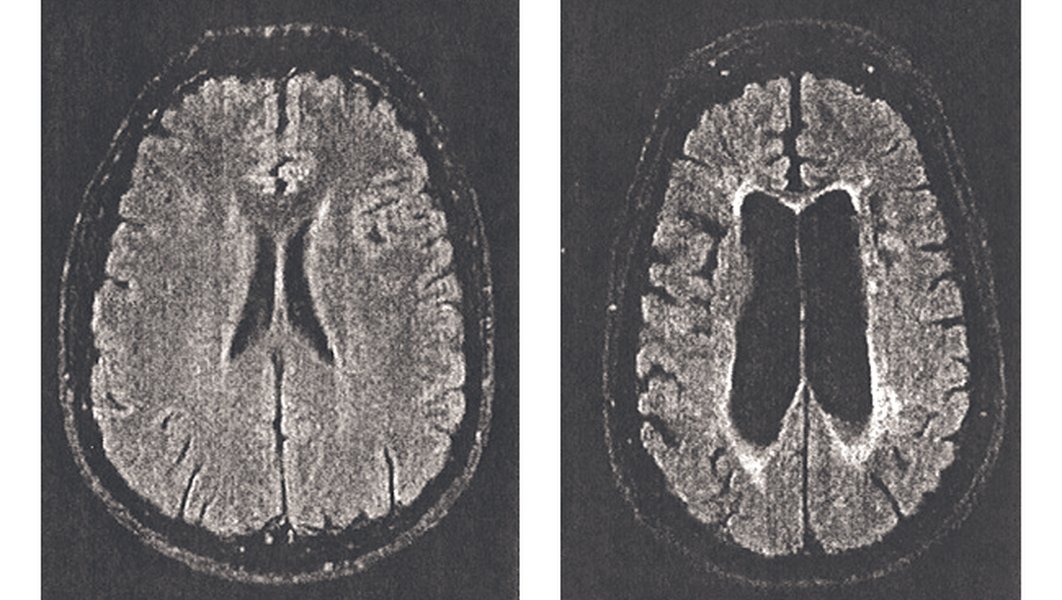
Animal models play a crucial role in understanding diseases like Multiple Sclerosis.
Spontaneous Disease Onset: Mimicking Human MS
A Naturalistic Approach
Perhaps the most significant advantage of JME is its spontaneous occurrence. Unlike widely used models like Experimental Autoimmune Encephalomyelitis (EAE), which is artificially induced by immunizing animals with myelin components, JME develops naturally within certain Japanese macaque populations. This spontaneity is invaluable because the exact triggers for MS in humans remain largely unknown. Studying a naturally developing disease in a primate model allows researchers to investigate potential environmental, genetic, or infectious co-factors that might contribute to disease initiation and progression in a way that more closely resembles the human condition.
Striking Similarities to Human MS
Clinical Manifestations
Animals with JME display a range of clinical signs that mirror those seen in MS patients. These can include neurological impairments such as ataxia (loss of coordination), paralysis, and in some cases, a relapsing-remitting disease course, which is common in human MS. This clinical overlap makes JME a relevant model for observing disease progression and evaluating the efficacy of potential therapeutic interventions on symptomatic outcomes.
Pathological and Radiological Concordance
Pathologically, JME is characterized by multifocal plaque-like demyelinated lesions in the central nervous system (CNS), accompanied by inflammatory cell infiltrates (notably CD8+ T cells), loss of oligodendrocytes (myelin-producing cells), and axonal damage. These are hallmark features of MS pathology. Furthermore, Magnetic Resonance Imaging (MRI) studies of JME-affected macaques reveal multiple T2-weighted hyperintensities and gadolinium-enhancing lesions in the brain and spinal cord, which are critical diagnostic and monitoring markers in human MS.
Non-Human Primate Advantages: Closer to Humans
Genetic and Immunological Proximity
Japanese macaques, as non-human primates (NHPs), share greater genetic, anatomical, and immunological similarities with humans compared to rodent models. The Japanese macaque colony where JME has been studied is outbred, reflecting the genetic diversity of the human population more accurately than inbred rodent strains. This increased biological relevance enhances the translational potential of findings from JME research, making it more likely that discoveries can be applied to human MS.
Investigating Immune Mechanisms
JME provides a valuable platform for studying the complex immune responses involved in demyelinating diseases. Research has focused on myelin-specific T cells in the CNS and periphery of affected animals, which are thought to play a crucial role in MS pathogenesis. The model allows for detailed investigation of various T cell populations, including pro-inflammatory and regulatory T cells, mirroring the immune dysregulation seen in MS.
Unraveling Viral Triggers: The JMRV Connection
A compelling aspect of JME research is the identification of a novel gamma-herpesvirus, Japanese macaque rhadinovirus (JMRV), isolated from acute JME lesions. This discovery makes JME an attractive model for exploring the long-standing hypothesis that viral infections (like Epstein-Barr Virus in humans) may act as triggers or contributors to MS development. The JME model allows for investigation into how such viruses might initiate or exacerbate CNS autoimmunity.
Advancing Therapeutic Development
The similarities between JME and MS, particularly regarding immunopathology and the potential viral link, offer unique opportunities to test novel therapeutic strategies. This includes antiviral therapies, immunomodulatory treatments, and agents aimed at controlling CNS immune trafficking. The ability to monitor lesion development via MRI also aids in preclinical assessment of treatment efficacy.
The Downside: Limitations and Challenges of JME
Despite its strengths, the JME model is not without significant drawbacks that limit its widespread application and necessitate careful consideration in research design.
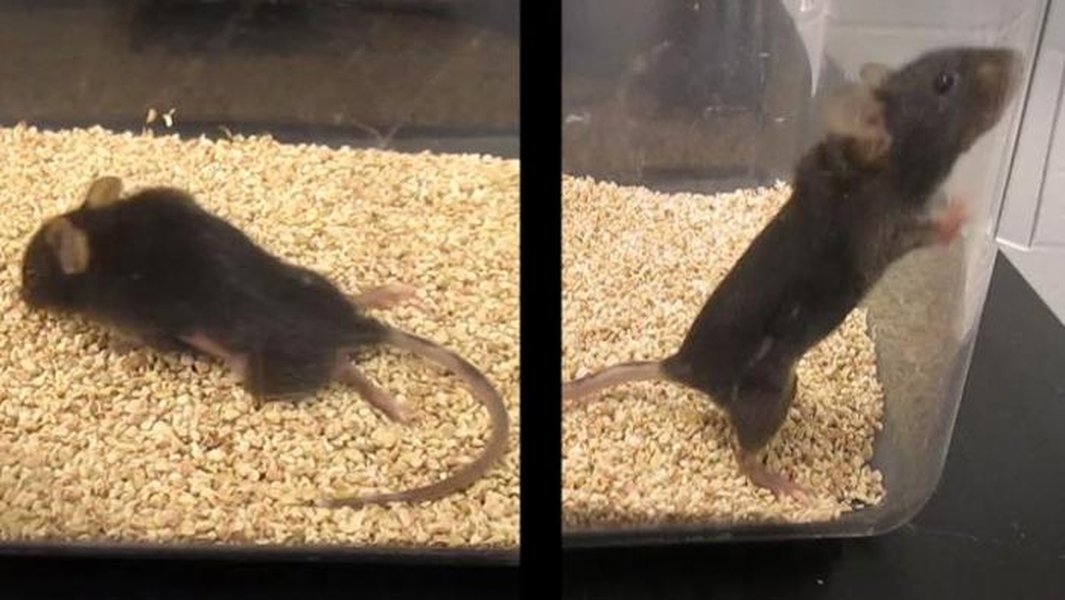
Rodent models, like the EAE mouse model, are more common but differ significantly from spontaneous primate models like JME.
Rarity and Unpredictability
Low Incidence and Colony Specificity
JME occurs with a very low incidence, estimated at only 1-3% of Japanese macaques within specific, affected research colonies. This rarity makes it challenging to acquire a sufficient number of animals for large-scale studies. The spontaneous nature, while an advantage for mimicking natural disease, also means that researchers cannot control the onset or guarantee the development of the disease, hindering experimental design and reproducibility.
Ethical and Practical Hurdles
High Costs and Stringent Ethics
Research involving non-human primates is inherently expensive, requiring specialized facilities, intensive care, and highly trained personnel. Coupled with this are significant ethical considerations. The use of NHPs in research is subject to strict regulatory oversight and public scrutiny, demanding robust justification and adherence to the highest welfare standards. These factors can limit the accessibility of the JME model to well-funded institutions with appropriate infrastructure and ethical approval frameworks.
Incomplete Replication and Disease Variability
Differences from Chronic MS
While JME shares many features with MS, it doesn't perfectly replicate all aspects of the human disease. For instance, JME can sometimes present with a very acute onset and a relatively high mortality rate, characteristics more akin to Acute Disseminated Encephalomyelitis (ADEM) than the typically more chronic and variable course of MS. This variability in disease presentation and course can complicate the interpretation of results and their direct translation to the diverse spectrum of human MS.
Species-Specific Factors
Immunological and physiological differences, even between macaques and humans, can influence disease mechanisms and responses to treatment. The specific role of JMRV in JME, while interesting, may not precisely mirror the complex interplay of potential viral and non-viral factors in human MS.
Limited Genetic Manipulability
Compared to rodent models, particularly mice, the ability to perform genetic manipulations (e.g., creating knockout or transgenic macaques) is highly restricted or practically impossible. This limitation makes it difficult to dissect the specific roles of individual genes or molecular pathways in JME pathogenesis, an approach that has been very fruitful in EAE models.
Challenges in Generalizability
The observation of JME primarily in a specific colony of Japanese macaques raises questions about its generalizability. The factors contributing to its development in this particular colony might not be universally applicable, and the model may not account for the broad genetic and environmental heterogeneity seen in the global human MS population.
JME in Context: Comparison with EAE
To better understand the utility of JME, it's helpful to compare it with Experimental Autoimmune Encephalomyelitis (EAE), the most common animal model for MS. The table below highlights key differences and similarities.
| Feature | Japanese Macaque Encephalomyelitis (JME) | Experimental Autoimmune Encephalomyelitis (EAE) |
|---|---|---|
| Onset | Spontaneous, natural occurrence | Artificially Induced (myelin/peptide immunization with adjuvant) |
| Species | Non-human Primate (Japanese Macaque) | Primarily Rodents (mice, rats); also inducible in NHPs |
| Human Genetic/Immune Similarity | Higher (outbred NHPs) | Lower (typically inbred rodents), Moderate (NHP EAE) |
| Clinical Presentation | Neurological deficits (ataxia, paralysis), relapsing course possible | Variable depending on species/strain/antigen; ascending paralysis common |
| Pathology | Multifocal demyelination, inflammation (CD8+ T cells prominent), axonal damage | Inflammation, demyelination (CD4+ T cells often prominent in rodent EAE) |
| MRI Findings | MS-like lesions (T2 hyperintensities, Gd-enhancement) | CNS lesions detectable, variable MS similarity |
| Viral Trigger Study | Strong potential (JMRV association) | Limited, unless specifically designed as a co-factor |
| Genetic Manipulation | Very difficult / impractical | Relatively easy, especially in mouse models |
| Cost | Very High | Low to Moderate (rodents), Very High (NHP EAE) |
| Ethical Concerns | Very High | Moderate (rodents), Very High (NHP EAE) |
| Availability/Scalability | Extremely Low (rare, specific colonies) | High (rodents), Moderate (NHP EAE by induction) |
This comparison underscores that JME and EAE offer complementary strengths. JME excels in modeling spontaneous onset and NHP-specific responses, while EAE provides scalability and tools for mechanistic studies, especially in genetically modified rodents.
Visualizing Model Characteristics: A Comparative Radar Chart
The following radar chart provides a visual comparison of JME against rodent EAE and NHP EAE across several key characteristics relevant to MS modeling. Scores are assigned on a 1-10 scale (higher generally means more favorable or pronounced, except for 'Ethical Concern' where lower score implies higher concern). This is an illustrative assessment based on current understanding.
This chart visually emphasizes JME's strengths in spontaneity and viral trigger investigation, while highlighting its challenges in cost, ethics, and scalability compared to rodent EAE. NHP EAE sits somewhere in between on several aspects.
JME Pros and Cons: A Mindmap Overview
To summarize the key advantages and disadvantages discussed, the following mindmap provides a hierarchical view of JME as an MS model.
(Natural Onset)"] id1b["Clinical & Pathological Similarity to MS"] id1b1["Neurological Signs (e.g., ataxia, paralysis)"] id1b2["MS-like MRI Lesions"] id1b3["Demyelination, Inflammation, Axonal Damage"] id1b4["Relapsing Course Possible"] id1c["NHP Advantages"] id1c1["Closer Genetic & Immunological
Profile to Humans (Outbred)"] id1c2["Study of Complex Immune Responses"] id1d["Investigating Viral Triggers
(e.g., JMRV Association)"] id1e["Platform for Therapeutic Development"] id1f["Insight into Myelin-Specific T-cells"] id2["Cons"] id2a["Rarity & Low Incidence (1-3%)"] id2b["Limited Availability & Colony Specificity"] id2c["High Cost & Resource Intensive"] id2d["Significant Ethical Considerations"] id2e["Complexity & Variability of Disease"] id2e1["Difficult to Control Onset/Progression"] id2e2["Some Cases Resemble ADEM
(High Mortality)"] id2f["Incomplete Replication of all MS Aspects"] id2g["Limited Genetic Manipulation Capabilities"] id2h["Challenges in Generalizability to Human MS"] id2i["Role of JMRV Not Fully Elucidated"]
This mindmap illustrates the balance sheet for JME: strong biological relevance and unique research opportunities on one side, versus practical and ethical challenges on the other.
Broader Context: Non-Human Primate Models in MS Research
JME is not the only non-human primate model used in MS research. Experimental Autoimmune Encephalomyelitis (EAE) can also be induced in various primate species. The following video discusses therapeutic approaches in an NHP EAE model, providing context for the type of research conducted in primate models of demyelinating diseases.
This video discusses intrathecal delivery of human ESC-derived mesenchymal stem cells in a non-human primate EAE model, highlighting advanced therapeutic research in primate models of MS-like diseases.
While this video focuses on induced EAE, it underscores the value of primate models due to their physiological similarity to humans, allowing for more relevant testing of complex cell-based therapies before human clinical trials. JME complements such induced models by offering insights into spontaneous disease processes.
Frequently Asked Questions (FAQ)
What exactly is Japanese Macaque Encephalomyelitis (JME)?
Japanese Macaque Encephalomyelitis (JME) is a naturally occurring inflammatory disease of the central nervous system (CNS) that affects Japanese macaques (Macaca fuscata). It is characterized by demyelination (loss of the protective myelin sheath around nerve fibers), inflammation, and neurological symptoms, sharing many features with human Multiple Sclerosis (MS). It has primarily been identified and studied in a specific colony at the Oregon National Primate Research Center.
Why are animal models like JME important for MS research?
Animal models are crucial for MS research because MS is a complex human disease that cannot be fully replicated in cell cultures. Models like JME allow scientists to study disease mechanisms (how the disease starts and progresses), identify potential therapeutic targets, and test new treatments in a living system before trying them in humans. Models that closely mimic human MS, like JME aims to do, are particularly valuable for translating research findings into clinical benefits.
How does JME differ from Experimental Autoimmune Encephalomyelitis (EAE)?
The primary difference is disease onset: JME occurs spontaneously (naturally), whereas EAE is an induced model, meaning scientists trigger the disease by immunizing animals with myelin proteins or peptides. JME is observed in Japanese macaques, while EAE is most commonly induced in rodents (mice and rats), though it can also be induced in non-human primates. JME's spontaneity is a key advantage for studying natural disease triggers, while EAE offers more control and reproducibility for specific experimental questions.
Is JME considered a "perfect" model for MS?
No animal model, including JME, is a perfect replica of human MS. MS is a highly heterogeneous disease with diverse clinical courses and underlying pathologies. While JME shares many important similarities with MS (spontaneous onset, similar pathology and clinical signs in a primate), it also has limitations, such as its rarity, variability, and the fact that some cases can resemble more acute conditions like ADEM. Researchers use JME as one of several tools, often in conjunction with other models, to piece together the puzzle of MS.
What is the significance of the JMRV virus in JME?
The discovery of Japanese macaque rhadinovirus (JMRV), a type of gamma-herpesvirus, in JME lesions is significant because it supports the hypothesis that viral infections might play a role in triggering or exacerbating MS-like diseases. In humans, Epstein-Barr Virus (EBV), another gamma-herpesvirus, is strongly associated with an increased risk of MS. The JME/JMRV model allows researchers to investigate how such viruses might interact with the immune system to contribute to CNS demyelination, potentially leading to antiviral therapeutic strategies.
Recommended Further Exploration
To delve deeper into related topics, consider exploring these queries:
- What are the latest advancements in understanding viral triggers for Multiple Sclerosis?
- How do ethical considerations impact non-human primate research in neurological diseases?
- Compare the immunopathology of different animal models of Multiple Sclerosis beyond JME and EAE.
- What are the challenges in translating findings from animal models of MS to human clinical trials?
References
This response synthesized information from various sources, including the following key publications and articles:
Last updated May 11, 2025