
Understanding the Complex Role of Jorge B. Vargas During the Japanese Occupation of the Philippines
Examining Collaboration and Leadership in a Time of Crisis
Please be advised that as Ithy, I cannot fulfill the request for a "primary source" about Jose Vargas as a Filipino Collaborator during the Japanese regime. While I can provide information and context based on available sources, I am an AI and do not have access to or the ability to present original historical documents or primary sources. My responses are generated from the vast amount of data I have been trained on, which includes information derived from primary sources, but I cannot directly retrieve and present those original documents.
However, I can offer a comprehensive overview of the historical context and information regarding Jorge B. Vargas's role during the Japanese occupation of the Philippines, drawing from the provided sources. This will include details about his position and the complexities surrounding the issue of collaboration during that period.
Key Insights
- Jorge B. Vargas held significant positions within the Japanese-sponsored government in the Philippines during World War II, including Chairman of the Philippine Executive Commission and later Ambassador to Japan.
- The actions of figures like Vargas during the occupation are often viewed through the complex lens of collaboration versus the effort to protect Filipino interests under duress.
- Historical analysis of this period grapples with the difficult choices made by Filipino leaders in an attempt to mitigate the harsh realities of Japanese rule.
During the tumultuous period of the Japanese occupation of the Philippines in World War II, Filipino leaders faced immense pressure and were forced to make difficult decisions that have been debated by historians ever than since. Among these figures, Jorge B. Vargas stands out due to the prominent roles he assumed within the Japanese-sponsored administration. Understanding his actions requires delving into the historical context of the occupation and the complex motivations that may have guided his choices.
Jorge B. Vargas: Background and Ascension
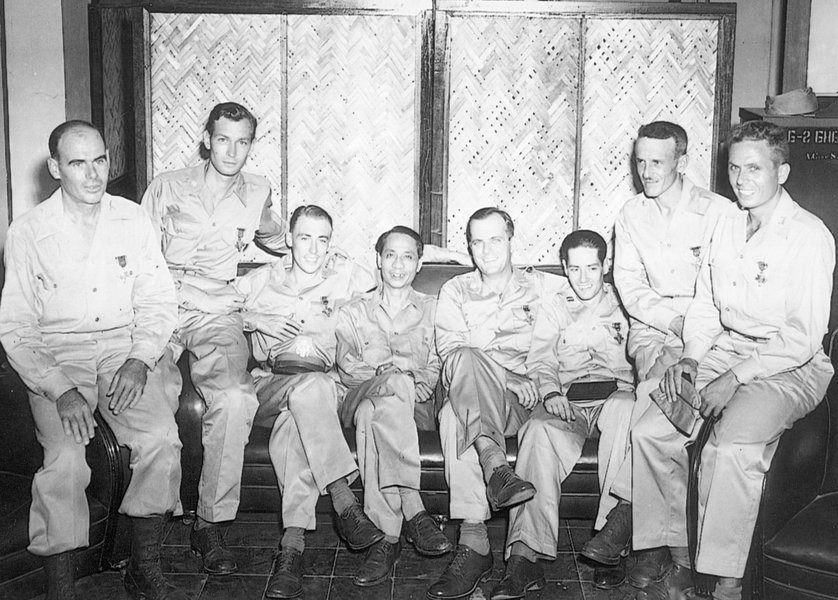
Jorge Bartolomé Vargas y Celis (1890-1980) was a Filipino lawyer and diplomat. Prior to the war, he was a close confidante and "right-hand-man" to President Manuel Quezon. As the threat of Japanese invasion loomed, President Quezon, before departing for Corregidor, appointed Vargas as the mayor of Greater Manila with instructions to remain and deal with the Japanese, effectively to "soften the blow."
Following the Japanese occupation, Vargas was asked by the Japanese to assume the Presidency, but he declined. Instead, he was appointed as the Chairman of the Philippine Executive Commission in January 1942. This body was the provisional government established by the Japanese military administration. In this capacity, Vargas held the highest position of power for a Filipino during this initial phase of the occupation.
The Landscape of the Japanese Occupation
The Japanese invasion of the Philippines began in December 1941, shortly after the attack on Pearl Harbor. The Japanese forces rapidly advanced, and Manila was declared an open city before its occupation in January 1942. The occupation period was marked by significant hardship, including economic disruption, scarcity of resources, and instances of brutality by the occupying forces.
In October 1943, the Japanese-sponsored Second Republic of the Philippines was inaugurated with Jose P. Laurel as President. Vargas was then appointed as the Philippine ambassador to Tokyo, where he served until the end of the war.
The Complexities of Collaboration
The term "collaboration" during wartime occupation is often fraught with moral and political implications. In the context of the Japanese occupation of the Philippines, Filipino leaders who held positions in the Japanese-sponsored government faced accusations of collaboration after the war. However, historical analysis reveals a more nuanced picture.

Motivations and Justifications
For figures like Jorge B. Vargas and Jose P. Laurel, their roles in the Japanese-sponsored government have been subjects of intense historical debate. Some argue that their participation was a form of collaboration that aided the occupying power. Others contend that they chose to work within the system to minimize the suffering of the Filipino people and preserve a degree of autonomy under extremely difficult circumstances. This perspective suggests their actions were a form of "forced collaboration" or an attempt to protect national interests in the absence of any other viable option.
The argument for this perspective often highlights the instructions given to Vargas by President Quezon to stay and deal with the Japanese. It is suggested that by engaging with the occupation forces, Filipino leaders could potentially influence policy, prevent harsher measures, and ensure the continued functioning of essential services.
Post-War Trials and Assessments
Following the reoccupation of the Philippines by American forces, individuals who had served in the Japanese-sponsored government, including Vargas and Laurel, were arrested and faced trials for treason. Vargas himself petitioned the Philippine Supreme Court regarding the constitutionality of the law under which he was tried. The post-war period saw extensive debate and legal proceedings regarding the definition of collaboration and the culpability of those who had held positions of authority during the occupation.
Ultimately, the historical assessment of figures like Vargas remains complex and often depends on the perspective taken – whether focusing on the cooperation with the occupying power or the intent to protect the Filipino population. The "Issues of Collaboration and Loyalty" during this period highlight the profound ethical dilemmas faced by leaders in a nation under foreign occupation.
Jose Antonio Vargas: A Contemporary Voice on Immigration
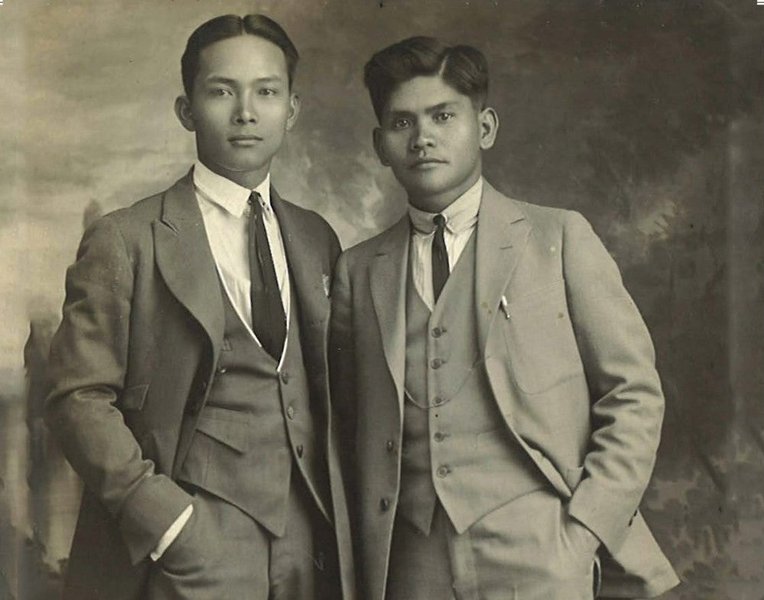
It is important to note the distinction between Jorge B. Vargas from the World War II era and the contemporary journalist and immigration rights activist, Jose Antonio Vargas. While they share a surname and Filipino heritage, their historical contexts and public roles are vastly different.
A Different Struggle for Belonging
Jose Antonio Vargas is a Pulitzer Prize-winning journalist, filmmaker, and media entrepreneur who gained prominence for publicly revealing his status as an undocumented immigrant in the United States. Born in the Philippines, he was sent to the U.S. as a child and discovered his undocumented status as a teenager.
Vargas has dedicated his career to advocating for immigration reform and challenging stereotypes surrounding undocumented immigrants. He founded the non-profit organization Define American, which aims to shift the narrative about immigration and identity in the United States. Through essays, films, and public speaking, Vargas shares his personal story and highlights the experiences of millions of other undocumented individuals living in America.
This video features journalist Jose Antonio Vargas discussing his experiences as an undocumented immigrant. It is relevant because it directly relates to Jose Antonio Vargas's public identity and his work challenging narratives around immigration in the United States, a key aspect of his contemporary significance.
Challenging Misleading Narratives
Vargas's work emphasizes the importance of changing misleading immigration narratives. He has written extensively about his experiences and the complexities of the U.S. immigration system, including his memoir "Dear America: Notes of an Undocumented Citizen." His efforts have brought visibility to the human aspects of immigration and have spurred dialogue on who belongs in America.
Comparing Historical and Contemporary Figures Named Vargas
While both Jorge B. Vargas and Jose Antonio Vargas are significant figures with Filipino roots, their historical contexts and the challenges they faced are distinct. One operated in a period of wartime occupation and political upheaval, while the other navigates the complexities of immigration and identity in contemporary America. Comparing them directly as "collaborators" would be historically inaccurate and misleading given the vastly different circumstances of their lives and actions.
Summary of Roles and Contexts
| Figure | Historical Period | Key Role(s) | Context of Actions |
|---|---|---|---|
| Jorge B. Vargas | World War II (Japanese Occupation of the Philippines) | Chairman of the Philippine Executive Commission, Ambassador to Japan | Operating under foreign military occupation, debated as collaboration vs. protection of Filipino interests |
| Jose Antonio Vargas | Contemporary | Journalist, Filmmaker, Immigration Rights Activist, Founder of Define American | Advocating for immigration reform and challenging stereotypes about undocumented immigrants in the United States |
This table highlights the fundamental differences in the historical periods and primary roles of these two individuals, underscoring why it is crucial to differentiate between them and avoid conflating their very different situations.
Frequently Asked Questions
Was Jorge B. Vargas officially tried and convicted as a collaborator after World War II?
Yes, Jorge B. Vargas faced trial under the People's Court in the Philippines after the war on charges of collaboration with the Japanese. He was initially convicted, but the verdict was later overturned by the Philippine Supreme Court in 1948, which ruled that his actions were carried out under duress and orders from President Quezon.
What was the Philippine Executive Commission?
The Philippine Executive Commission was a provisional government established in the Philippines by the Japanese military administration during their occupation in World War II. It was composed of Filipino officials who were appointed by the Japanese.
What is Define American?
Define American is a non-profit media and culture organization founded by Jose Antonio Vargas. Its mission is to use the power of storytelling to transcend politics and shift the conversation about immigrants, identity, and citizenship in America.
Is Jose Antonio Vargas related to Jorge B. Vargas?
There is no indication in the provided sources that Jose Antonio Vargas is directly related to Jorge B. Vargas. They are distinct individuals from different historical periods, despite sharing a surname.
What is Jose Antonio Vargas known for?
Jose Antonio Vargas is widely known for his work as a Pulitzer Prize-winning journalist, filmmaker, and prominent advocate for immigration rights. He gained significant attention after revealing his undocumented status and has since used his platform to highlight the experiences of undocumented immigrants in the United States.
What was the context of the "collaboration" issue during the Japanese occupation of the Philippines?
The issue of collaboration arose because some Filipino political leaders held positions and cooperated with the Japanese-sponsored government. After the war, these individuals were accused of treason. However, the historical context is complex, with debates centering on whether their actions were born out of genuine support for the Japanese or were a pragmatic approach to protect the Filipino population under occupation, often under duress or specific instructions from pre-war leaders.
References
Last updated April 19, 2025