
Unveiling the Ideal Journals for Your Pioneering nPM-Astrocyte Research
Navigating mid-tier, open-access options in neuroscience, environmental health, and molecular biology, excluding MDPI and Frontiers.
Your research on the impact of nanoscale particulate matter (nPM) from urban air pollution on astrocytes presents a significant contribution to understanding environmental neurotoxicology. Identifying the right journal is crucial for maximizing its impact. Based on your abstract and specific requirements (mid-tier, open access, focus on neuroscience, environmental health, or molecular biology, and exclusion of MDPI/Frontiers), this analysis provides tailored recommendations.
Highlights: Key Insights for Your Submission Strategy
- Interdisciplinary Appeal: Your study's blend of environmental science (air pollution), neuroscience (astrocyte function, neurodegeneration links), and molecular biology (mRNA sequencing, proteomics) opens doors to a variety of specialized and interdisciplinary journals.
- Quality Open Access Options: Several reputable mid-tier, open-access journals published by established entities like BMC (Springer Nature), Wiley, SAGE, and NIEHS align well with your paper's focus and your exclusion criteria.
- Strategic Focus Areas: The most promising avenues include journals specializing in environmental neurotoxicology, cellular and molecular neuroscience, and comprehensive environmental health, all of which appreciate mechanistic studies like yours.
Understanding Your Research and Journal Needs
Your work investigates how urban nPM affects astrocytes, revealing activation of antioxidative stress and detoxification systems. This points to a cellular protective response, a crucial finding for both environmental health and neuroscience. Your methodological approach using mRNA sequencing and shotgun proteomics provides robust molecular-level evidence. The key criteria for journal selection are:
- Mid-Tier Status: Journals that are well-respected, peer-reviewed, and indexed, but not necessarily the highest-impact "headline" journals.
- Open Access: Ensuring broad and unrestricted dissemination of your findings.
- Relevant Scope: Covering neuroscience, environmental health, or molecular biology.
- Publisher Exclusion: Avoiding journals from MDPI and Frontiers.

Conceptual image illustrating the impact of environmental pollutants on the brain.
Recommended Journal Categories and Top Picks
Given the interdisciplinary nature of your research, several journals stand out. These are categorized below based on their primary focus, though many welcome cross-cutting studies.
Journals with a Strong Environmental Health Focus
These journals are ideal if you wish to emphasize the environmental risk aspects and public health implications of your findings on nPM.
Environmental Health (BMC/Springer Nature)
This fully open-access journal publishes research on all aspects of environmental and occupational medicine and related studies in toxicology and epidemiology. Your study on air pollution's impact on brain cells, particularly the mechanistic insights from astrocytes, fits squarely within its scope. It's well-regarded and has good visibility in the environmental health community.
Environmental Health Perspectives (NIEHS)
Published by the U.S. National Institute of Environmental Health Sciences, EHP is a highly respected open-access journal. It focuses on the interface between environmental exposures and human health. Your findings on nPM-induced cellular responses in astrocytes would be of significant interest, particularly concerning the neurotoxic effects of air pollution. While very reputable, it can be considered upper mid-tier and is an excellent target.
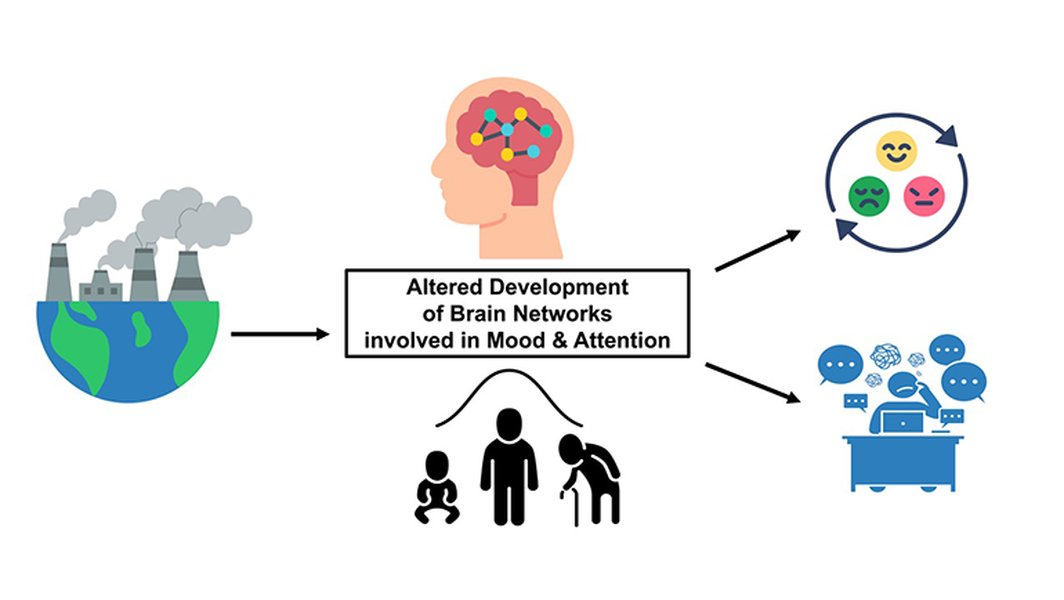
Illustration depicting how air pollution can induce changes in the brain, relevant to your study's focus on nPM.
Environmental Health Insights (SAGE Publishing)
This fully open-access, peer-reviewed journal concentrates on how environmental factors influence the health of individuals and populations, including cellular and molecular mechanisms. Your research, detailing astrocyte responses to nPM using molecular techniques, aligns well with its aim to publish interdisciplinary research in this area.
International Journal of Hygiene and Environmental Health (Elsevier)
This journal provides a multidisciplinary forum for research on the health consequences of human exposure to environmental factors, including air pollution. It covers environmental toxicology and health risk assessment, making it a suitable venue for your study's focus on nPM and astrocyte responses. It offers open access options.
Journals with a Strong Neuroscience Focus
If you aim to reach a primary audience of neuroscientists, these journals offer excellent platforms, particularly those interested in neuroinflammation, neurotoxicity, and glial cell biology.
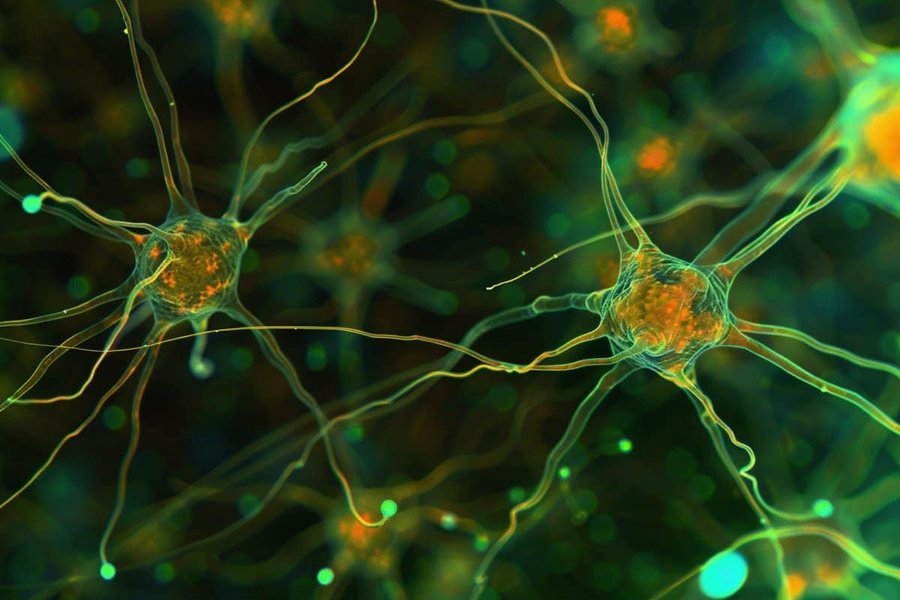
Astrocytes, the focus of your study, play a crucial role in brain function and response to stressors.
Journal of Neuroinflammation (BMC/Springer Nature)
This fully open-access journal is highly relevant given that particulate matter exposure is often linked to inflammatory responses in the brain. Your findings on astrocyte activation and protective mechanisms in response to nPM would be a strong fit for its scope, which includes neurotoxicity and the role of glial cells in brain health and disease.
Journal of Neuroscience Research (Wiley)
This established journal publishes research on molecular, cellular, and developmental neuroscience, as well as translational studies related to neurological disorders. Your work on gene and protein changes in astrocytes due to nPM exposure fits well within its scope. It offers an open-access publishing option (hybrid model).
BMC Neuroscience (BMC/Springer Nature)
A fully open-access journal covering all aspects of neuroscience, from molecular and cellular studies to systems and behavioral neuroscience. Your investigation into nPM's effects on astrocyte gene expression and proteomics aligns well with its interest in cellular responses within the nervous system.
Neuroscience Research (Elsevier)
This journal became fully gold open access in 2024 and publishes research on the development, function, and pathophysiology of the nervous system. Your molecular and cellular work on astrocytes would be suitable for its broad neuroscience scope.
Multidisciplinary Options
For broader reach across scientific disciplines, some journals accept high-quality research spanning multiple fields.
Scientific Reports (Nature Portfolio)
This open-access journal publishes original research from across all areas of the natural and clinical sciences. While highly competitive, it is known for its focus on scientific soundness rather than perceived impact. If your study has robust methodology and clear findings, its multidisciplinary nature covering environmental science, neuroscience, and molecular biology could make it a good fit.
Key Considerations When Choosing
Beyond the general fit, consider these factors for each potential journal:
- Specific Aims & Scope: Always thoroughly review the journal's official "Aims & Scope" on their website to ensure precise alignment with your paper's key messages and findings.
- Article Processing Charges (APCs): Open access journals often require APCs. Investigate these costs and any potential waivers or institutional support available.
- Target Audience: Consider which scientific community you most want to reach. A specialized journal targets experts in that niche, while a broader one may offer wider visibility.
- Peer Review Process: Look into the journal's peer review model (e.g., single-blind, double-blind) and typical turnaround times if these are critical for you.
- Recent Publications: Browse recent articles in the journal to see if similar studies (in terms of scope and methodology) have been published.
Comparative Overview of Top Recommendations
The table below summarizes key aspects of some of the most promising journal candidates for your research. This should help in narrowing down your choices based on the specific emphasis you wish to place on your findings.
| Journal Name | Primary Focus Areas | Publisher | Open Access Model | Key Strengths & Relevance to Your Study |
|---|---|---|---|---|
| Environmental Health | Environmental exposures, human health, neurotoxicology, air pollution | BMC (Springer Nature) | Full OA | Strong fit for nPM/astrocyte research; direct relevance to air pollution's health impacts; well-regarded in environmental health. |
| Journal of Neuroinflammation | Neuroinflammation, neurotoxicity, glial cell biology, environmental triggers | BMC (Springer Nature) | Full OA | Highly relevant to astrocyte responses to pollutants and inflammation; aligns with neuroprotective mechanisms and brain's response to environmental insults. |
| Journal of Neuroscience Research | Molecular/cellular neuroscience, neuropathophysiology, astrocyte biology | Wiley | Hybrid (OA option) | Good for detailed molecular and cellular work on astrocytes; established neuroscience journal with a focus on mechanistic studies. |
| BMC Neuroscience | Broad neuroscience, molecular/cellular aspects, neurodevelopment, neurodegeneration | BMC (Springer Nature) | Full OA | Suitable for astrocyte biology and nPM effects on neural cells; accessible OA platform with broad neuroscience readership. |
| Environmental Health Insights | Environmental factors affecting health, molecular links, toxicology | SAGE Publishing | Full OA | Good for interdisciplinary work linking environmental exposures to cellular health outcomes; molecular focus is relevant to your methods. |
| Environmental Health Perspectives | Environmental health sciences, toxicology, epidemiology, air pollution impacts | NIEHS (U.S. Gov) | Full OA | Prestigious in environmental health; excellent for high-impact studies on environmental pollution and health outcomes. (Considered upper mid-tier). |
Visualizing Journal Focus Areas
To further aid your decision, the radar chart below offers a visual comparison of four strongly recommended journals based on key attributes relevant to your research. This is an illustrative assessment: scores are relative and intended to highlight general tendencies rather than precise metrics. The axes represent Environmental Health Focus, Neuroscience Focus, Molecular Biology Relevance, Open Access Quality/Reputation, and specific Fit for your nPM/Astrocyte study, all on a scale where higher values indicate stronger alignment or presence. The scale minimum is set to 2 to better visualize differences, as all selected journals have a baseline relevance.
Mapping Your Research Themes to Journal Types
Your research is inherently multidisciplinary. The mindmap below illustrates the key thematic components of your study and how they connect to broader journal focus areas. This can help clarify which aspects of your work to highlight depending on the target journal's primary audience.
Frequently Asked Questions (FAQ)
What does "mid-tier" generally mean for scientific journals?
What are Article Processing Charges (APCs) for open access journals?
How important is the exact impact factor when choosing a mid-tier journal?
- Scope Alignment: Does the journal's scope precisely match your paper's topic and findings?
- Readership: Will your paper reach the intended audience of researchers and practitioners?
- Peer Review Quality: Does the journal have a reputation for rigorous and constructive peer review?
- Reputation in Field: How is the journal perceived by experts in your specific area of research?
Why were MDPI and Frontiers journals excluded from the recommendations?
Conclusion
Your research on nPM's effects on astrocytes is valuable and timely. Several excellent mid-tier, open-access journals from reputable publishers (excluding MDPI and Frontiers) align well with its interdisciplinary nature. The recommendations above, spanning environmental health and neuroscience, provide a strong starting point. The best choice will depend on which aspects of your study you wish to emphasize and which audience you primarily aim to reach. Diligently reviewing the aims, scope, and recent publications of your shortlisted journals will be key to a successful submission. Your work on identifying cellular protection mechanisms is a significant finding that deserves wide dissemination.
Knowledge cutoff: Thursday, 2025-05-22.
Recommended Further Queries
- How to evaluate the quality and reputation of open-access journals beyond impact factor?
- What are common pitfalls to avoid when submitting a manuscript to an interdisciplinary scientific journal?
- Strategies for effectively communicating research on air pollution and neurological health to diverse audiences.
- Understanding the peer-review process and editorial expectations in environmental health and neuroscience journals.
Referenced Search Results
 paolocrosetto.wordpress.com