
Evidentiary Value of Journalistic Evidence
Understanding How Media Materials Are Evaluated in Legal Contexts
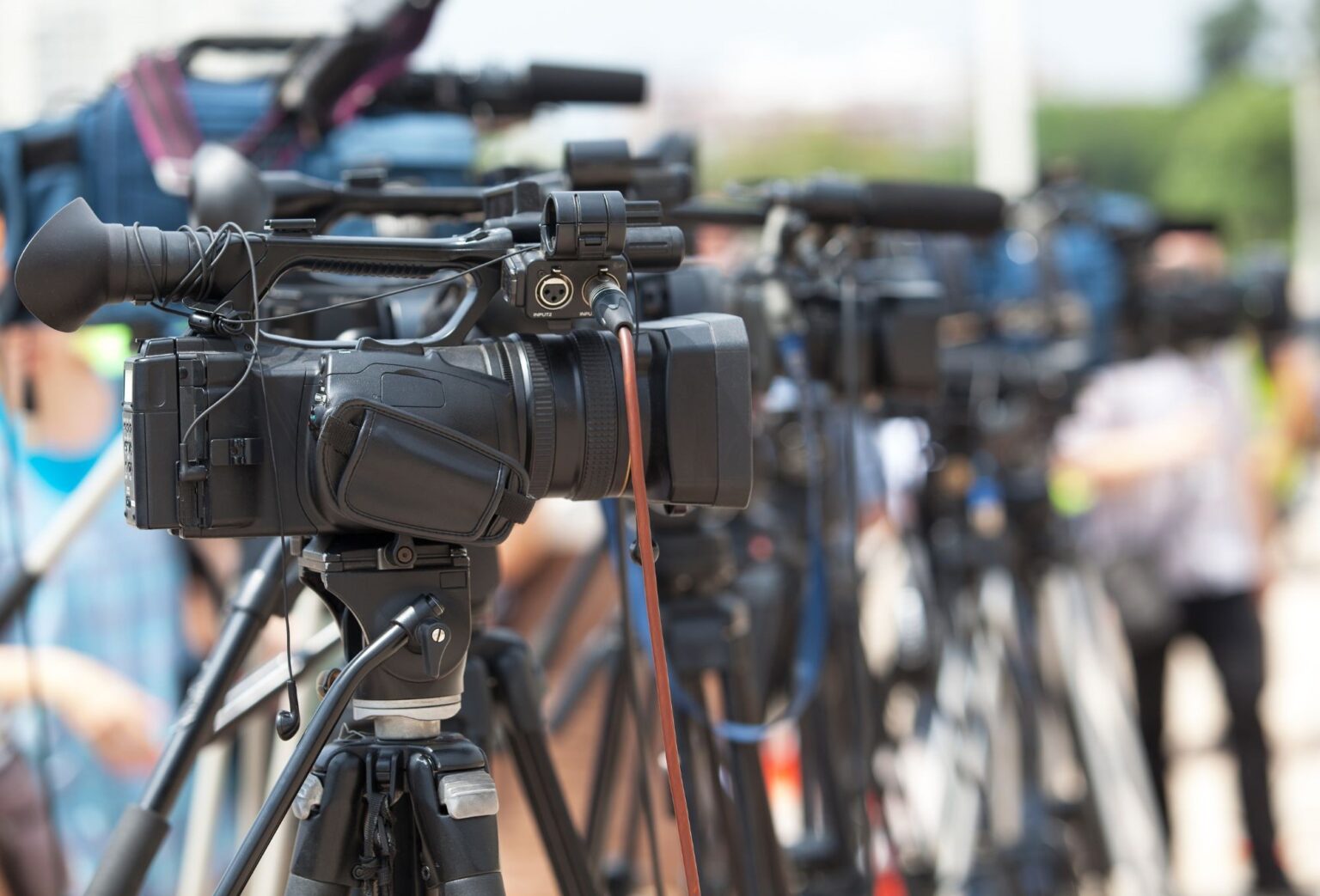
Key Highlights
- Journalistic Evidence Criteria: Authenticity, relevance, and adherence to legal standards are essential.
- Types and Forms: Documents, audiovisual records, eyewitness accounts, and news articles each carry distinct weights.
- Balancing Privileges and Court Demands: Legal frameworks balance the right to free press with evidentiary rigor.
Introduction
Journalistic evidence plays a crucial role in legal disputes, impacting both public and judicial perceptions of accountability, fact-finding, and truth. As media organizations gather and report news, the evidence they produce can be introduced in court under strict standards. This comprehensive analysis discusses the evidentiary value of material produced by journalists, the challenges surrounding authenticity and relevance, the classification of various media formats, and the nuanced interplay between legal requirements and the freedom of the press.
Understanding Evidentiary Value
The term “evidentiary value” refers to the quality and weight that a piece of evidence holds when presented in a legal context. For journalistic materials, several layers of analysis are needed to determine their admissibility in court. These layers include assessing the document’s relevance to the case, proving its authenticity, and evaluating it against established hearsay rules. The value of such evidence can vary greatly depending on multiple factors such as the context in which it was gathered, the currency of the data, and whether it has been corroborated by other evidence.
Foundational Criteria for Journalistic Evidence
When considering the admissibility of journalistic evidence, courts examine it through several core criteria:
Authenticity
A central component in evaluating any piece of evidence is determining its authenticity. For journalistic evidence, authenticity means verifying that the material is genuine and accurately produced by the claimed source. This involves several steps such as:
- Establishing that a news article, photograph, or recorded interview genuinely originates from a reliable media organization.
- Demonstrating that the evidence has not been altered or tampered with post-collection.
- Providing supplementary testimony or technical analysis that confirms the origin and integrity of the material.
When courts assess authenticity, they heavily rely on the reputation of the source, the chain of custody, and if available, the methods used for recording and documenting the information.
Relevance
Relevance is a key factor to ensure that the evidence has a direct bearing on the issues at hand. For evidence to be considered relevant, it must have a tendency to:
- Make a disputed fact more or less probable.
- Corroborate or challenge other evidence presented during the litigation.
- Address specific elements of the legal dispute in a concrete and meaningful way.
Effective use of journalistic evidence depends largely on its direct alignment with the matters being litigated. Evidence that is overly circumstantial or tangential may be excluded on the grounds of irrelevance.
Hearsay Considerations and Exceptions
A substantial challenge that journalistic evidence faces is the hearsay rule. Hearsay constitutes out-of-court statements offered to prove the truth of the assertion made and is typically excluded unless a specific exception applies. When a news report or a social media post is presented as evidence, it must either fall into one of those exceptions or be supported by other contextual or corroborative information that mitigates the inherent issues with hearsay.
Courts have crafted several exceptions that allow for the admission of hearsay evidence, such as records that are considered "self-authenticating." Nonetheless, even when these exceptions apply, the evidence must still satisfy the overall criteria of reliability, meaning that its inherent biases or limitations are carefully considered.
Types of Journalistic Evidence
Journalists gather different forms of evidence in the field, each carrying varying degrees of weight in legal proceedings. It is essential to understand the diversity of materials available and how their evidentiary value may differ based on their nature:
Documents and Written Material
Documents are regarded as some of the most credible forms of journalistic evidence. They include official records, investigative reports, court documents, and published articles. These documents can:
- Serve as a record of events and provide verifiable data points that can be independently corroborated.
- Offer concise timelines or factual details crucial to legal cases.
- Provide material that is often self-authenticating if published in reputable mainstream media, subject to checks via legal rules.
The evidentiary strength of documents lies in their structured format and the reliability of the established systems from which they originate.
Eyewitness Accounts and Testimonies
Eyewitness accounts collected by journalists are valuable, although they are inherently subjective. The reliability of such accounts can be significantly enhanced through corroboration by multiple testimonies or other forms of evidence:
- They provide first-hand narratives of events with vivid details.
- When multiple eyewitnesses report consistent details, it bolsters the probative value of the evidence.
- However, these accounts are sometimes challenged for recall bias or incomplete recollections.
Courts require that the evidence from eyewitness accounts be carefully scrutinized, ensuring that the narratives are not only engaging but also firmly supported by independent verification.
Audio and Video Recordings
Recordings captured during the news gathering process—whether audio or video—are powerful tools as they provide tangible and often incontestable records of events. Their value stems from:
- Providing dynamic and visual proof of events, often with real-time or near-real-time accuracy.
- Enhancing the credibility of narrative accounts through direct observation, minimizing the risk of distortion.
- However, establishing their authenticity requires technical validation such as metadata analysis to ensure no tampering or editing has occurred.
With careful chain-of-custody protocols, audiovisual recordings can not only convey the events as they unfolded but also stand up to rigorous challenges regarding their admissibility.
Social Media and Digital Content
In today’s digital age, social media posts, blogs, and other online communications are increasingly used as journalistic evidence. These digital artifacts offer unique insights due to their immediacy and prevalence:
- They capture real-time reactions and firsthand accounts, providing a contemporary snapshot of events.
- They may also include multimedia elements which strengthen their evidentiary value.
- Yet, their use is complicated by issues of verification—ensuring the user identity and confirming the unmanipulated nature of the post is critical.
Courts often require corroboration to mitigate the risks associated with impurities in digital content, such as misinformation or edited material.
Legal Framework and Admissibility Standards
Beyond the type of evidence, a detailed legal framework governs what judicial bodies will accept in court. Several overarching legal principles and specialized rules determine the admissibility of journalistic evidence:
Judicial Review of Evidence
Courts follow stringent methods of judicial review when deciding on whether to admit journalistic evidence:
- Relevance to the issues of the case is scrutinized, ensuring that the evidence directly impacts the disputed matter.
- The process of authentication is rigorously applied, often depending on documented provenance or expert testimony about the medium’s reliability.
- Hearsay considerations are taken into account, and only evidence falling under accepted exceptions to hearsay rules may be admitted without further validation.
This judicial review process ensures that any admitted evidence, though influential, is subject to sufficient legal resiliency before influencing outcomes in court.
Rules of Evidence: Jurisdictional Variations
Evidentiary standards differ across jurisdictions, yet a number of common themes recur:
- The criteria of relevance and authenticity are universally important.
- Rules such as the Federal Rules of Evidence in the United States set forth specific guidelines on the treatment and classification of journalistic materials.
- Legal frameworks often provide for self-authenticating documents, where certain media outputs can be accepted based solely on their origin from reputable sources.
Where necessary, judicial authorities may allow for exceptions when the public interest, or the unique nature of journalistic investigation, warrants a broader interpretation of evidentiary value.
Journalistic Privilege and Confidentiality
An additional factor impacting the submission of journalistic evidence is the protection of confidential sources. The legal concept of journalistic privilege shields information that might compromise sources, thus striking a balance between the right of the press to gather and disseminate news and the procedural fairness required in legal proceedings:
- Reporter's privilege can protect sensitive information gathered under the condition of source confidentiality.
- This privilege may restrict the disclosure of certain evidentiary materials that could jeopardize sources or compromise ongoing investigations.
- Nevertheless, when such evidence is pivotal to a case, the court may order limited disclosure subject to protective measures like in-camera review.
The judicial handling of confidential communications, therefore, not only protects journalistic integrity but also underpins the adversarial system where evidence must be meticulously validated.
Additional Considerations in Evaluating Journalistic Evidence
When appraising journalistic evidence, legal professionals and judges must also consider the context and method by which the evidence was gathered. This entails a review of the documentation process, reliability of sources, and potential biases inherent in the original reporting.
Contextual Integrity and Documentation Standards
The strength of journalistic evidence is highly dependent on the standards maintained during information gathering. The following aspects contribute to its overall integrity:
- Contemporaneity: Evidence that is recorded close to the time of the event typically reflects a more accurate and less distorted account.
- Systematic Record-Keeping: Journalists who adhere to strict documentation standards – including detailed notes, verified interviews, and secure archival methods – help build a robust evidentiary foundation.
- Corroboration: Evidence is significantly strengthened when it is supported by other independently gathered data or witness testimonies.
When evidence is pieced together from various journalistic reports, judges often employ a multipart approach to ensure that each component stands up to scrutiny and the cumulative effect becomes both reliable and admissible.
Impact of Editorial Bias and Constraints
Journalists operate under strict deadlines and institutional constraints, which can affect the depth and context of the evidence collected. Therefore, it is essential to evaluate whether:
- The presentation of the evidence reflects complete information, or if significant context was omitted due to editorial pressures.
- There is an awareness of potential bias introduced by the journalist’s personal perspective or the editorial stance of the media organization.
- Any omissions in the evidence are offset by corroborative details provided by additional sources or later investigations.
A holistic view of the context and the conditions under which the evidence was produced is therefore pivotal to understanding its overall probative value.
Comparative Analysis: Strengths and Limitations
To better conceptualize the evidentiary value of journalistic materials, it is useful to compare and contrast their inherent strengths and limitations:
Strengths
- Wide Accessibility: Journalistic evidence is often available and accessible to both the public and legal professionals, providing useful background and supplementary context.
- Contemporaneous Documentation: Immediate recording of events can capture the moments as they happen, ensuring a timely account of dynamic events.
- Multimedia Components: Combining text, images, and recordings adds layers of credibility and may accommodate several angles for case-building.
Limitations
Despite its strengths, journalistic evidence is not without its limitations:
- Reliance on Hearsay: Much of the initial reporting is based on second-hand information, necessitating further authentication before legal admission.
- Potential for Bias: The narrative crafted by journalists could be influenced by editorial agendas or personal biases, requiring additional verification.
- Lack of In-depth Context: Due to rapid publication demands, some pieces may lack comprehensive details or fail to capture the complete context of events.
Integrative Overview
Given these strengths and limitations, journalistic evidence is best utilized as a complementary resource rather than the sole basis for establishing facts in a legal case. Often, it serves as a catalyst that leads to further investigations, additional testimonies, or the procurement of corroborating physical evidence. Legal practitioners must weigh the reliability of such evidence, determine its necessity in the context of the case, and ascertain whether it adequately meets the rigorous standards prescribed by evidence law.
Table of Comparative Factors
| Factor | Strengths | Limitations |
|---|---|---|
| Authenticity | Verified source and chain-of-custody protocols; strong reputational backing | Potential for tampering or incomplete verification |
| Relevance | Direct correlation with key case facts; corroborative when supplemented | May be tangential or insufficiently linked to the exact legal issues |
| Documentation Methods | Systematic recording increases accuracy | Editorial constraints might limit contextual depth |
| Corroboration | Enhanced credibility when verified by additional sources | Reliance on single-source evidence remains a challenge |
| Hearsay Quality | May qualify under hearsay exceptions if self-authenticating | Depends heavily on judicial interpretation and case specifics |
Strategies for Enhancing Evidentiary Value
Several strategic approaches can be adopted by journalists, legal professionals, and media organizations to enhance the evidentiary value of journalistic evidence:
Adopting Rigorous Documentation Standards
The foundation of credible journalistic evidence lies in meticulous documentation standards. Media organizations should implement internal processes that:
- Ensure that all information related to key events is timestamped and stored securely with verifiable metadata.
- Maintain detailed records of sources and the context in which the data was recorded.
- Regularly audit evidence gathering practices to ensure consistency and reliability.
Legal Awareness and Collaboration
Journalists and media houses increasingly collaborate with legal experts to understand and meet the evidentiary standards required by courts:
- Training sessions on evidence handling in legal contexts can guide journalists in ensuring that their methods align with legal imperatives.
- Developing protocols in consultation with legal professionals aids in preemptively addressing potential judicial concerns about authenticity and hearsay.
- Establishing a legal advisory board within media organizations can offer ongoing guidance regarding the admissibility of sensitive or contentious content.
Leveraging Technological Advancements
Modern technology plays a crucial role in substantiating commentary or narrative accounts through verification tools and digital fingerprinting:
- Using blockchain or digital certification systems can preserve the integrity of a digital record, ensuring it is traceable and immutable.
- High-quality audio and visual recording devices improve the standards of evidence captured during live events.
- Automated metadata analysis software can help verify the origin and authenticity of multimedia content.
Crafting Legal Narratives Using Journalistic Evidence
In legal practice, constructing a persuasive case often requires integrating journalistic evidence into a broader legal narrative. This narrative draws strength not just from the isolated piece of media evidence, but from its interaction within a tapestry of corroborative material:
Role in High-Profile Cases
In cases involving public accountability, governmental oversight, or corporate malpractice, journalistic evidence can:
- Provide a contemporaneous record of public events or statements made by key figures.
- Create transparency in situations where official records might be disputed or inaccessible.
- Serve as a launching pad for more detailed forensic investigations, tying digital or physical records into compelling narratives for legal scrutiny.
Interplay with Traditional Evidence
Journalistic evidence is rarely the sole linchpin in a legal argument. Instead, its greatest strength lies in its relationship with traditional forms of evidence:
- It assists in creating a multi-disciplinary approach to fact-finding where physical evidence, expert testimony, and verbal statements converge.
- In multi-source investigations, media evidence that is verified and corroborated provides a comprehensive view, bridging gaps left by other evidence forms.
- This interplay is critical to constructing a robust case, where journalistic evidence serves to either reinforce or challenge the narratives presented by opposing parties.
Challenges and Ongoing Debates
Despite its extensive use and recognized value, journalistic evidence continues to face several challenges and debates:
Ethical and Methodological Concerns
While journalistic evidence is pivotal in modern legal contexts, there are persistent ethical concerns and methodological debates regarding its use:
- Source Confidentiality: Journalists’ reliance on confidential sources raises questions about the ethics of withholding information, balanced against the public’s need for transparency.
- Bias and Objectivity: Media organizations may be perceived as having inherent biases that could affect the presentation and interpretation of evidence.
- Incomplete Contexts: The rapid pace of news reporting might result in gaps or oversimplifications, making subsequent legal proof challenging unless rectified through supplementary investigations.
Adaptation to Digital Trends
The rapid evolution of digital communication has transformed traditional journalistic practices. As the nature of evidence evolves, both legal professionals and media organizations are required to adapt:
- Digital footprints and online activities are now part and parcel of evidentiary reviews, mandating new techniques of verification.
- Legal standards continually evolve to better capture the nuances of digital evidence without compromising fundamental principles of fair trial procedures or privacy.
- Future legal debates may center on balancing ever-expanding digital archives with the need for rapid, and sometimes uncontrollable, narratives that shape public discourse.
Summary and Final Thoughts
Journalistic evidence holds a multifaceted role in the legal arena. While it offers unparalleled immediacy and access to contemporaneous accounts, its use in legal proceedings is tempered by strict requirements on authenticity, relevance, and adherence to established evidentiary rules. The interplay between documentation standards, technological advancements, and legal guidelines creates an environment where evidence from journalistic sources can be persuasive when properly authenticated and corroborated. Nevertheless, the challenges of hearsay, ethical concerns, and the rapid evolution of digital content necessitate a nuanced approach. Legal practitioners must rigorously validate and supplement journalistic evidence with other forms of evidence to build a compelling case.
Ultimately, the wide array of evidence garnered through journalistic endeavors enriches public discourse by ensuring that key events are thoroughly documented and that multiple perspectives are available. As the legal field continues to adapt to changes in media technology and reporting standards, the dynamic role of journalism as a source of evidence underscores an essential convergence between the freedom of the press and the requirements of the judicial system.
Conclusion
In conclusion, the evidentiary value of journalistic evidence is rooted in its ability to capture and archive events with immediacy and detail. Its use in legal contexts is guided by several key criteria—authenticity, relevance, and adherence to established legal standards such as hearsay exceptions. Different types of journalistic outputs, be they documentary prints, audiovisual recordings, eyewitness accounts, or social media posts, come with inherent strengths and limitations. Through rigorous documentation, legal collaboration, and the strategic use of technological tools, journalistic evidence can serve as a powerful supplement to traditional forms of evidence. The legal landscape continues to evolve, balancing the imperatives of a free press with the fundamental demands of fair legal proceedings, and ensuring that evidence remains both credible and effective.
References
- Journalism's Essential Value - The New York Times Company
- Guide for Journalists on Documenting Crimes - Law & Democracy
- Journalistic Privilege: Does it Merit Legal Protection? - South African Journals
- Investigative Journalism: Handling Data and Gathering Evidence - Al Jazeera Institute
- Journalistic Truth: Empirical and Contingent - SpringerLink
- Admissibility of Newspapers Under the Hearsay Rule - Duke University Law
- Social Media Evidence at Trial - The Maryland People's Law Library
- Admissibility of Social Media Evidence for Court Cases - Bosco Legal
- Legal Admissibility of Websites and Social Media - Page Vault
- Using Tabloid News as Evidence in Court - Law StackExchange
- Admissible Evidence: Texts & Social Media - Fleener Petersen Law
- Is Social Media Content Admissible in Court? - Kryder Law Group
- Authenticity and Admissibility of Social Media Website Printouts - Duke University Scholarship
- Justifying the News: The Role of Evidence in Daily Reporting - Sage Journals
Recommended Related Queries
Last updated February 19, 2025