
Beyond the Gavel: How Digital Infrastructure is Reshaping Justice and Public Policy
Exploring the profound influence of judiciary digitalization on efficiency, access, and policy-making in the modern era.
The integration of Digital Public Infrastructure (DPI) within the judiciary signifies a pivotal transformation in how legal systems operate and interact with society. DPI encompasses a range of shared, interoperable digital systems—from electronic case management and virtual hearings to digital identity verification and secure data exchange platforms. This shift isn't merely about technological upgrades; it's fundamentally altering the landscape of justice delivery, enhancing efficiency, broadening access, and exerting a significant influence on the formulation and execution of public policy.
Key Highlights
- Efficiency and Access Revolution: Digital tools like e-filing, virtual courts, and AI-powered analytics are streamlining judicial processes, reducing case backlogs, and making justice more accessible, especially for remote or underserved populations.
- Strengthened Rule of Law & Transparency: Enhanced digital infrastructure fosters greater transparency in legal proceedings and outcomes, reinforcing the rule of law and enabling more effective monitoring and enforcement, which prompts proactive government responses.
- Catalyst for Policy Reform: The data generated and the efficiencies gained through judicial DPI provide valuable insights for evidence-based policymaking, influencing government resource allocation, driving legal reforms, and shaping policies related to digital governance, economic development, and social equity.
The Rise of the Digital Judiciary
The move towards digital infrastructure in the judiciary is a global phenomenon, driven by the necessity to modernize outdated systems, cope with increasing caseloads, and meet citizen expectations for accessible and efficient services. Initiatives range from national programs like India's e-Courts project, launched based on the 2005 "National Policy and Action Plan for Implementation of Information and Communication Technology in the Indian Judiciary," to strategic digital roadmaps being implemented in countries like the UK and Uganda, and updates within the US judicial system.
Conceptualizing Digital Justice: Integrating Technology into Legal Processes.
Boosting Efficiency and Tackling Backlogs
One of the most immediate impacts of judicial DPI is the significant improvement in operational efficiency. Digital systems automate routine tasks, streamline case management, and facilitate faster communication between stakeholders.
E-Courts and Case Management
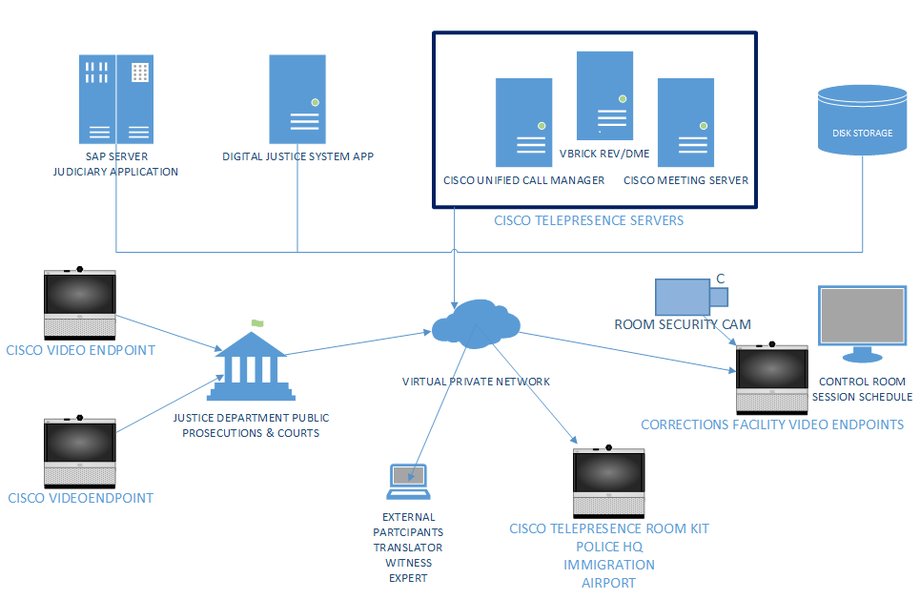
Electronic case management systems allow for the digital filing of documents, online scheduling of hearings, and efficient tracking of case progress. This reduces reliance on paper-based processes, minimizes administrative burdens, and speeds up the judicial workflow. Virtual hearings, accelerated by the necessities of the pandemic, have become a mainstay in many jurisdictions, offering flexibility and reducing delays associated with physical court appearances.
Addressing Pendency
Chronic case backlogs plague many judicial systems worldwide. Digital infrastructure provides tools to manage dockets more effectively and analyze workflow bottlenecks. While technology alone cannot solve the problem – infrastructure deficits, such as the disparity between sanctioned judicial officers and available court halls in places like India, remain a challenge – digitalization is empirically linked to reduced case delays and improved justice delivery metrics.
Expanding Access to Justice
Digital transformation holds the promise of democratizing access to the legal system. By removing geographical and physical barriers, DPI can make justice more attainable for a wider segment of the population.
Remote Access and Services
Features like remote hearings and online portals for legal information and services are crucial for individuals in remote areas, those with mobility issues, or those who cannot afford the time and cost of traveling to court. Digital platforms can provide multilingual support and user-friendly interfaces, further enhancing accessibility.
Transparency and Public Awareness
Making case information, judgments, and legal resources publicly available online increases transparency. This not only empowers citizens with knowledge about their rights and the legal process but also holds the judicial system accountable. Enhanced transparency can foster public trust and confidence in the judiciary.
The Nexus: Judicial DPI and Public Policy Formulation
The digitalization of the judiciary doesn't occur in a vacuum; it actively shapes and is shaped by public policy. The data generated, the efficiencies achieved, and the enhanced transparency directly influence government actions, resource allocation, and legislative priorities.
Evidence-Based Policymaking
Judicial DPI generates vast amounts of data on case types, processing times, outcomes, and user demographics. When anonymized and analyzed responsibly, this data provides invaluable insights for policymakers. It can highlight areas needing legislative reform, inform resource allocation for courts and legal aid, and help evaluate the effectiveness of existing policies. For example, understanding trends in specific types of litigation can signal emerging societal issues that require policy intervention.

Advanced Courtroom Technology: Facilitating modern judicial processes.
Influencing Governance and Regulation
An efficient and transparent judiciary, strengthened by DPI, plays a crucial role in upholding the rule of law and ensuring governmental accountability.
Judicial Review and Public Interest Litigation (PIL)
Digital tools can expedite processes like judicial review of administrative actions. Furthermore, the increased accessibility and transparency facilitated by DPI can empower citizens and organizations to bring Public Interest Litigations (PILs) forward more effectively. Landmark judgments resulting from PILs often lead to significant policy changes and legislative reforms, demonstrating the judiciary's direct impact on public policy.
Economic Impact and Infrastructure Policy
Studies suggest a correlation between a strong, efficient judiciary and economic growth. By ensuring contract enforcement and protecting property rights more effectively, a digitized judiciary can foster a more stable environment for investment and business activity. Furthermore, the judiciary's own need for digital infrastructure influences public spending and policy regarding technology investment, cybersecurity standards (as seen in US DOJ's strategic plans), and data governance frameworks.
The Role of Emerging Technologies: AI in Justice
Artificial Intelligence (AI) is poised to play an increasingly significant role within judicial DPI. Governments are actively exploring its potential, with initiatives like the "Roadmap to My Digital Justice" planned for 2025 aiming to integrate AI into justice systems.
Potential Applications
AI can assist in tasks such as legal research, document review, predicting case outcomes (with ethical safeguards), and optimizing case assignments. Intelligent automation can further streamline administrative processes.
Policy Considerations
The integration of AI necessitates careful policy development around data privacy, algorithmic bias, transparency, and accountability. Ensuring AI tools are used ethically and do not perpetuate existing inequalities is a critical policy challenge. Guidelines, like those developed by the National Center for State Courts (NCSC) for AI use, are becoming essential.
Visualizing the Impact: DPI Dimensions
To better understand the multifaceted impact of judicial DPI, the following chart evaluates its perceived contribution across several key dimensions. These ratings reflect a synthesis of reported benefits and strategic goals associated with judicial digitalization efforts globally. Higher scores indicate a stronger positive impact or focus area.
This radar chart illustrates the perceived strengths of judicial DPI implementation. Areas like 'Procedural Efficiency' and 'Rule of Law Enforcement' often see significant gains. 'Access to Justice' and 'Transparency' are major goals, though realizing their full potential depends on addressing the digital divide. 'Data for Policy' highlights the growing recognition of judicial data as a crucial input for governance. While operational 'Cost Reduction' is an expected benefit, initial investment costs can be substantial. Improving the 'User Experience' for all participants remains an ongoing focus.
Mapping the Ecosystem: Judiciary DPI and Policy Links
The following mindmap provides a visual overview of the core components of judicial Digital Public Infrastructure and its interconnected impacts on public policy areas.
(using judicial data)"] id3b["Resource Allocation
(funding for courts, legal aid)"] id3c["Legal & Judicial Reforms"] id3d["Digital Governance & Data Policy"] id3e["Economic Development
(rule of law, investment climate)"] id3f["Social Equity & Inclusion Policies"] id3g["Regulation of Technology
(e.g., AI in legal sector)"] id4["Challenges & Considerations"] id4a["Infrastructure Gaps"] id4b["Digital Divide & Equity"] id4c["Data Security & Privacy"] id4d["Algorithmic Bias (AI)"] id4e["Need for Training & Change Management"] id4f["Interoperability Issues"]
This mindmap illustrates how core components like e-filing and virtual courts lead to benefits such as efficiency and better access. These benefits, in turn, directly influence various domains of public policy, including how resources are allocated, how laws are reformed, and how digital governance frameworks are developed. However, realizing these benefits requires addressing significant challenges like the digital divide and ensuring data security.
Global Initiatives and Strategic Directions
Countries around the world are implementing strategies to digitize their judiciaries, reflecting a global trend towards modernizing justice systems. Here's a comparative look at some key initiatives and their policy links:
| Region/Country | Key DPI Initiatives | Strategic Focus (Examples) | Link to Public Policy |
|---|---|---|---|
| India | e-Courts Project (Phase I, II, III), National Judicial Data Grid (NJDG) | Paperless courts, AI integration, reducing pendency, enhancing transparency. | Policy focus on infrastructure investment, judicial reform, access to justice for rural populations, data-driven governance. |
| United States | Case Management/Electronic Case Files (CM/ECF), IT Strategic Plans (e.g., DOJ 2025-2027) | Infrastructure optimization, AI/automation adoption, cybersecurity, data stewardship, cost containment. | Policy related to federal funding for technology, data security standards, AI guidelines (NCSC), improving access in state courts. |
| United Kingdom | Ministry of Justice Digital Strategy 2025, Common Platform (CPS/HMCTS) | User-centric services, data sharing, modernizing legacy systems, simpler/faster justice. | Policy on digital government services, data strategy, efficiency in public spending, legal aid accessibility. |
| Uganda | Review and update of Judiciary ICT Policy (2025 focus) | Streamlining ICT-driven services, improving documentation and information management. | Policy aimed at modernizing public institutions, improving governance through technology, capacity building. |
| Global/Multilateral | UNDP/World Bank support for e-justice projects | Promoting rule of law, inclusive digital transformation, sharing best practices. | Influencing international development agendas, policy guidance on digital rights, equitable access, cross-border cooperation. |
This table highlights the diverse approaches and common goals in judicial digitalization. While specific initiatives vary, overarching themes include leveraging technology for efficiency, expanding access, and using data to inform policy decisions related to justice administration and broader governance.
Spotlight on Digitization Efforts: India's Perspective
India's e-Courts project is one of the most ambitious judicial digitalization initiatives globally. Understanding its goals provides insight into the practical application of DPI in a large and complex legal system. The video below features the Chief Justice of India discussing the importance and progress of digitization efforts.
CJI Chandrachud discussing the significance of digitization, paperless courts, and e-initiatives in the Indian Judiciary.
This discussion underscores the commitment at the highest levels to leveraging technology for transforming the judiciary. Key themes often include moving towards paperless courts, utilizing virtual hearings extensively, implementing the National Judicial Data Grid for transparency and case management, and exploring AI's potential. These efforts directly influence public policy by necessitating significant infrastructure investment, driving reforms in procedural laws to accommodate digital processes, and aiming to make the justice system more responsive and accessible to India's vast population.
Challenges and the Path Forward
Despite the significant potential, the implementation of judicial DPI faces several challenges that require careful policy consideration:
- Infrastructure Deficits: Many regions lack the basic digital infrastructure (connectivity, hardware) necessary for effective DPI implementation. Bridging this gap requires substantial public investment and targeted policies.
- Digital Divide: Ensuring equitable access for all citizens, regardless of their digital literacy, economic status, or geographic location, is paramount. Policies must actively promote digital inclusion and provide non-digital alternatives where necessary.
- Data Security and Privacy: Handling sensitive legal data requires robust cybersecurity measures and clear data governance policies that comply with privacy regulations and ethical standards.
- Change Management: Successfully transitioning to digital systems requires adequate training for judicial staff, lawyers, and users, along with adapting legal cultures and workflows.
- AI Ethics and Bias: As AI tools are integrated, policies must address potential biases in algorithms, ensure transparency in their use, and establish accountability mechanisms.
Addressing these challenges requires a holistic approach involving collaboration between the judiciary, government, technology providers, and civil society. The goal is not just digitalization, but the creation of a more just, efficient, and accessible legal system that strengthens public trust and underpins effective public policy.
Frequently Asked Questions (FAQ)
What exactly is Digital Public Infrastructure (DPI) in the context of the judiciary?
Judicial DPI refers to the shared digital systems and standards that enable courts and legal processes to function digitally. This includes core components like secure digital identities for legal participants, interoperable platforms for data exchange (e.g., between police, prosecutors, and courts), online payment systems for court fees, electronic case filing and management systems, and platforms for virtual hearings. It's the foundational digital layer enabling modern, efficient, and accessible justice services.
How does improving judicial efficiency through DPI impact public policy?
Increased judicial efficiency (e.g., faster case resolution, reduced backlogs) directly impacts public policy in several ways. It strengthens the rule of law, making contract enforcement and dispute resolution more reliable, which can positively influence economic policy and business confidence. It frees up judicial resources, potentially allowing focus on complex or public interest cases. Furthermore, efficiency gains can lead to cost savings in the long run, impacting public expenditure policies. Data on efficiency can also inform policies aimed at further optimizing the justice system itself.
Can judicial DPI help in making public policy more evidence-based?
Yes, significantly. Judicial DPI generates large volumes of structured data about the justice system's functioning – types of cases, frequency, geographical distribution, resolution times, outcomes, etc. When analyzed appropriately (while respecting privacy), this data provides empirical evidence for policymakers. It can reveal trends, pinpoint systemic issues, assess the impact of laws, and identify areas needing policy intervention or reform. This shifts policymaking from being purely reactive or anecdotal to being more data-driven and targeted.
What are the main policy challenges associated with implementing AI in the judiciary?
Key policy challenges include: 1) Ensuring fairness and preventing bias (AI algorithms can reflect biases present in historical data), 2) Maintaining transparency and explainability (understanding how AI reaches a decision), 3) Establishing accountability (who is responsible if an AI tool makes an error?), 4) Protecting data privacy and security, 5) Ensuring equitable access to AI-powered tools, and 6) Developing regulatory frameworks and ethical guidelines for the responsible development and deployment of AI in the sensitive context of justice.
Recommended Further Exploration
- How can digital divide challenges in accessing digital justice be addressed through public policy?
- What are the ethical guidelines for using Artificial Intelligence in judicial decision-making?
- Compare the impact of judicial DPI on public policy in developed vs. developing countries.
- What are the cybersecurity risks associated with digital judicial infrastructure and relevant policy responses?
References
Last updated May 4, 2025