
Qualitative Studies on Junior High Student Engagement
Exploring the multifaceted factors that influence engagement in secondary education
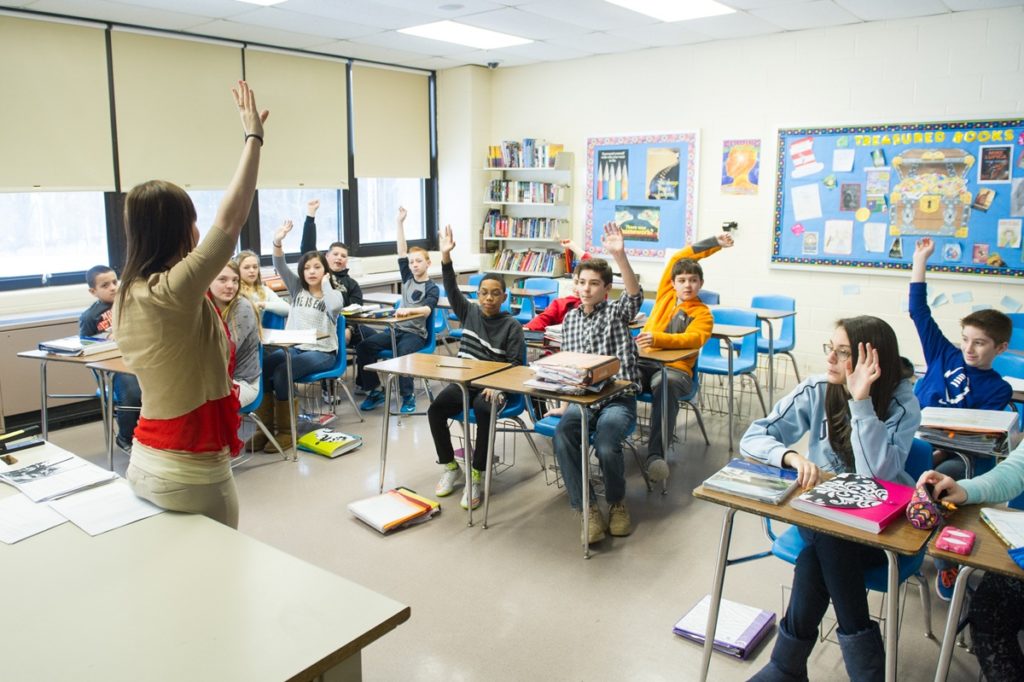
Key Insights
- Teacher-Student Relationships: The relational dynamics between educators and students play a central role in fostering engagement.
- Classroom Environment and Instruction: Variations in instructional strategies, classroom belonging, and academic challenge significantly affect engagement levels.
- Intrinsic Motivation and Transitional Experiences: The intrinsic drive to learn and the challenges during transitional periods (especially post distance learning) are pivotal in shaping student behavior.
Overview of Qualitative Studies
The landscape of qualitative research on junior high student engagement has expanded over recent decades, exploring diverse factors that affect how students interact within learning environments. These studies delve into the nuances of teacher-student relationships, classroom dynamics, and motivational strategies, effectively capturing experiences from both students and educators. The methodologies typically involve case studies, focus group discussions, open-ended questionnaires, and rich observational data, offering deep insights into school life.
Methodological Approaches
Case Studies
Case studies have been instrumental in examining specific contexts in which student engagement is either enhanced or diminished. Researchers often select schools or classrooms as case study sites and undertake in-depth interviews with participants. Such studies highlight the intricate influence of teacher instructional choices and the structure of learning activities in shaping student participation.
Focus Group Discussions
Focus groups provide a platform for junior high students and teachers to collectively discuss engagement-related topics. Through these group discussions, qualitative insights are gathered on the shared experiences that define classroom belonging, social dynamics, and the impact of the overall educational atmosphere. These insights often uncover latent challenges and opportunities for improvement in school settings.
Open-Ended Questionnaire Studies
Another popular qualitative method involves distributing open-ended surveys to gather personal accounts of classroom experiences. Students articulate how various factors, from academic rigor to family support, influence their engagement levels. This approach helps distill broad themes that recur across different schools and diverse student populations.
Influential Factors in Student Engagement
Teacher-Student Relationships
Several qualitative investigations underscore the significance of robust teacher-student relationships. When teachers engage in meaningful interactions, students are more likely to develop a sense of trust and belonging. This rapport not only facilitates a positive learning environment but also reinforces students’ intrinsic motivation to participate actively in class. Studies have documented that educators who adopt student-centered instructional strategies tend to see increased engagement, as they provide the necessary support for students to feel valued and understood.
Classroom Environment and Instructional Choices
The configuration of the classroom environment, including physical space, technological integration, and the layout of learning stations, contributes significantly to student engagement. Qualitative studies reveal that classrooms with a welcoming atmosphere and structured, diverse instructional choices are conducive to active learning. For example, research has highlighted how instructional methods that incorporate interactive activities, collaborative tasks, and game-based learning can spark and sustain student interest.
Role of Schedule Design and Learning Formats
Innovative schedule designs and the use of platforms such as Google Classroom have been subjects of qualitative analysis as well. While some studies indicate that the mere adoption of digital platforms does not automatically drive engagement, the design of class schedules and the interplay between in-person and online formats can set the stage for enhanced student interaction. Furthermore, informal learning spaces outside the traditional classroom are recognized as valuable in promoting engagement and co-creation of knowledge.
Intrinsic Motivation and Academic Challenge
Motivational theories play a crucial role in understanding student engagement. Intrinsic motivation, where students are driven by personal interest and enjoyment in the subject matter, appears to be a stronger predictor of sustained engagement compared to extrinsic motivators. Qualitative studies have also shown that academic challenges, when appropriately framed, can stimulate intellectual curiosity. Educators who craft lessons that balance challenge with support tend to see an upsurge in engagement, as students feel both equipped and excited to tackle complex problems.
Transitional Experiences and Adaptation
The transition from distance learning back to traditional classrooms has emerged as a significant area of qualitative research. Students navigating these shifts often face not only academic challenges but also emotional and social adjustments. Studies focusing on these transitions have identified the need for tailored support mechanisms, such as peer mentoring and gradual reintroduction to classroom settings, to help students adapt more effectively. These strategies enable educators to address the residual effects of distance learning while rebuilding a sense of community within the classroom.
Integrative Summary
The collective evidence from qualitative studies on junior high student engagement paints a detailed picture of a dynamic and complex educational environment. The research converges on several central themes:
| Area of Focus | Methodology | Key Findings |
|---|---|---|
| Teacher-Student Relationships | Interviews; Case Studies; Observations | Effective communication and supportive interactions enhance classroom engagement. |
| Instructional Practices | Focus Groups; Classroom Observations | Interactive and student-centered instruction fosters higher engagement levels. |
| Classroom Environment | Surveys; Observational Studies | Welcoming settings and structured learning activities are vital for student participation. |
| Intrinsic Motivation | In-depth Interviews; Case Studies | Intrinsic motivators such as personal interest are stronger drivers of engagement than external incentives. |
| Transitional Experiences | Case Studies; Qualitative Surveys | Targeted support during transitions (e.g., post-distance learning) significantly mitigates engagement challenges. |
The synthesis of these studies suggests that while the methods of data collection vary—from direct interviews to open-ended questionnaires—the core message remains consistent: student engagement is multifactorial. Effective strategies must address both the academic and social-emotional dimensions of learning.
Practical Implications for Educators and Administrators
Understanding the nuanced findings from qualitative studies on student engagement can help educators and administrators to implement targeted strategies for enhancing learning outcomes. These insights are particularly important in junior high, where students are undergoing significant developmental transitions. Here are some practical recommendations based on the research:
Enhancing Teacher-Student Relationships
Teachers are encouraged to cultivate open communication channels with their students. This can be achieved through informal check-ins, personalized feedback, and active listening to students’ needs. When students feel understood and valued, their willingness to participate meaningfully in class discussions increases.
Adopting Interactive and Inclusive Teaching Methods
Implementing a mix of instructional methods that include group projects, interactive technology, and gamified learning can diversify the classroom experience. Such methods cater to various learning styles and can break the monotony of traditional lectures, leading to a more dynamic and engaging classroom environment.
Supporting Transitions and Adaptation
Given the challenges presented by transitions between different learning formats, especially after periods of remote education, it is crucial to design re-entry programs. Educators should consider gradual reintegration, peer support groups, and counseling services to help students adjust to in-person learning environments.
Promoting Intrinsic Motivation and Self-Determination
To foster intrinsic motivation, teachers might integrate project-based learning that tap into students’ interests and encourage autonomy. By framing academic challenges as opportunities for personal growth, educators can inspire students to engage deeply with the content.
References
- Kennesaw State University Digital Commons - TeachLEAD Doc
- ResearchGate - Teacher-Student Interactions
- ERIC - Qualitative Study on Student Engagement
- Sacred Heart Digital Commons - Educational Learning
- JSTOR - Classroom Belonging and Engagement
Recommended Searches
Last updated March 19, 2025