
Why Modern Boys & Men Are Falling Behind: The Urgent Case for Cradle-to-Career Support
Unpacking the statistics and challenges demanding a dedicated support system for males throughout their lives.
Highlights: Understanding the Need
- Systemic Disparities: Boys and men, particularly from disadvantaged backgrounds, face increasing challenges in education, mental health, employment, and social connection across all life stages.
- Escalating Crises: Alarming statistics reveal higher rates of suicide, substance abuse deaths, loneliness, and educational underachievement among males compared to females in many areas.
- Untapped Potential: Investing in targeted, lifelong support for boys and men yields significant returns, fostering healthier individuals, stronger families, greater economic mobility, and more equitable communities.
The Foundation: Early Childhood (Cradle to Age 5)
The journey from cradle to career begins long before formal schooling. The earliest years are foundational, yet significant disparities impacting boys emerge during this critical period. Addressing these early challenges is paramount for setting a positive trajectory.
Laying the Groundwork: Health and Development
From birth, boys, especially those from lower socioeconomic backgrounds, can face systemic barriers affecting health and development. Research highlights concerning life expectancy gaps linked to early health inequities, such as limited access to quality prenatal and neonatal care in underserved communities. Developmental disparities also appear early, with boys sometimes lagging in social-emotional and language skills crucial for school readiness.
The Role Model Gap
Positive male role models are vital in early childhood, yet they are often scarce in formal settings. Statistics indicate that only about 24% of teachers in the United States are men. This lack of male presence in early education environments can potentially limit exposure to diverse role models and affect boys' engagement and sense of belonging from a young age.
Why Early Intervention Matters
Investing in early childhood programs that focus on health, development, and positive male engagement is crucial. Initiatives promoting parental involvement, especially fathers, are linked to better socio-emotional outcomes for boys. Addressing potential developmental delays and behavioral challenges early, through accessible community-based health and educational support, can help close initial gaps and prevent the compounding of disadvantages later in life. This aligns with the core principles of cradle-to-career frameworks, which emphasize that early support is a fundamental component of long-term economic mobility and well-being.
Navigating Growth: Childhood and Adolescence (Ages 6-18)
The school years and adolescence present unique hurdles for boys. Academic struggles, mounting mental health pressures, and the complexities of social development require targeted support to ensure boys remain engaged and on track for future success.
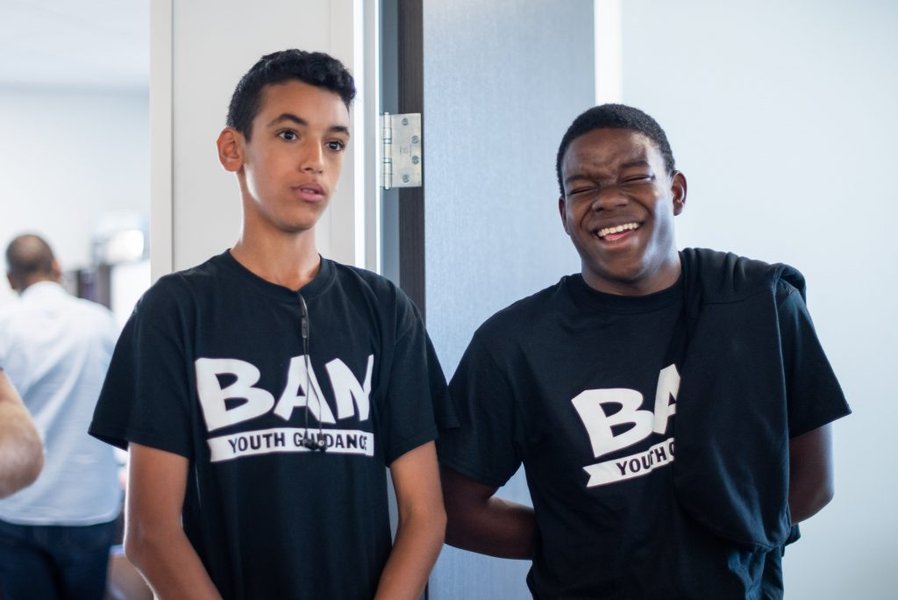
School-based programs like "Becoming A Man" provide vital support during adolescence.
The Educational Divide
Concerning trends show boys lagging behind girls in key educational metrics. Nationally, boys are more likely to be held back, suspended, or expelled, particularly boys of color. High school graduation rates are often lower for boys compared to girls, especially among Black and Latine males. This educational gap can stem from various factors, including differences in learning styles, engagement challenges, and systemic biases within the education system. The lower representation of male teachers (around 24%) may also contribute to a lack of relatable role models within schools.
Mental Health and Social Pressures
Adolescence is a period of significant mental and emotional development, yet boys often face barriers to accessing support. Mental health challenges like anxiety and depression are rising among adolescent boys. Alarmingly, statistics show men are significantly less likely to seek professional mental health help despite being four times more likely to die by suicide. Societal norms around masculinity can discourage emotional expression and help-seeking behaviors. Furthermore, loneliness and social isolation are concerns; while rates are similar between genders, boys and men may turn to their support networks less often.
- Suicide Risk: Men are 4 times more likely than women to die by suicide.
- Help-Seeking Barriers: Only 40% of men with a reported mental illness receive care, compared to 52% of women.
- Loneliness: Around 16% of Americans report feeling lonely or isolated often.
Need for Tailored Support
Effective support during this stage requires gender-specific and culturally responsive interventions. Mentorship programs, mental health services integrated into schools, and initiatives that challenge restrictive masculinity norms can help boys navigate adolescence successfully. Programs focusing on identity development, building resilience, and fostering healthy social connections are crucial for preventing derailment and preparing boys for the transition to adulthood.
Transition Points: Young Adulthood (Ages 18-30)
The transition from adolescence to adulthood is often a period of instability and exploration, but for many young men, it's fraught with significant challenges in establishing careers, stable relationships, and a clear sense of identity.

Career education and guidance are critical during young adulthood.
The "Age 30 Crisis" and Economic Hurdles
Researchers note a phenomenon sometimes called the "age 30 crisis," highlighting the difficulties many young men face in launching stable careers and adult lives. Educational disparities from earlier years often translate into employment challenges. While statistics like 89% employment for men aged 25-34 seem high, they can mask issues of underemployment, job instability, and significant wage gaps, especially for those without post-secondary education or from marginalized communities. Access to quality jobs and pathways for advancement can be limited.
Persistent Mental Health and Social Needs
Mental health struggles often persist or intensify during young adulthood. Loneliness and lack of social support can peak during this phase. Young men continue to be less likely to seek mental health support, contributing to higher rates of "deaths of despair," including suicide and alcohol-related fatalities (men are 2-3 times more likely to die from alcohol-related causes). Societal pressures regarding success and traditional masculinity can exacerbate stress and anxiety.
Stabilizing the Transition
Support during emerging adulthood is vital for long-term well-being. Interventions should focus on:
- Career Development: Guidance, counseling, skills training, and networking opportunities.
- Mental Health Resources: Accessible, destigmatized services tailored to young men's needs.
- Social Connection: Building community networks and promoting healthy relationships.
- Financial Literacy: Education on managing finances and building stability.
Sustaining Success: Adulthood and Midlife (Ages 30/40+)
Challenges for men do not end in young adulthood. Midlife brings its own set of pressures related to career stability, health, relationships, and maintaining a sense of purpose. Continued support is necessary to navigate these later stages successfully.

Support groups provide crucial social connection and mental health resources for men.
Health and Longevity Disparities
Significant health disparities persist and can widen in adulthood. Men generally have lower life expectancy than women, and these gaps are starkly amplified by socioeconomic status. Data indicates life expectancy gaps of 10-14 years between the wealthiest and poorest men. Chronic health issues, mental health challenges (including continued suicide risk), and the consequences of earlier lifestyle factors often manifest more significantly in midlife.
Career Stability and Economic Well-being
While many men are established in their careers by midlife, economic disruptions, occupational shifts, and ageism can threaten stability. Men from disadvantaged backgrounds or those in industries undergoing transformation face higher risks of unemployment, underemployment, or wage stagnation. Balancing work, family, and personal well-being becomes increasingly complex.
Social Connection and Purpose
Social isolation can remain a challenge for men in midlife and later life. Maintaining strong social support networks is crucial for mental health, yet traditional masculinity norms can sometimes hinder the formation and maintenance of deep, supportive relationships. Finding and maintaining a sense of purpose, self-worth, and engagement becomes critical for overall well-being during this stage.
The Need for Lifelong Support
A cradle-to-career approach recognizes that support shouldn't end once a career is established. Midlife interventions can include:
- Career reentry or transition programs.
- Health and wellness initiatives tailored to men's health risks.
- Opportunities for mentorship (both giving and receiving).
- Platforms for building social connections and community engagement.
- Mental health services that address midlife stressors.
Visualizing the Challenges: Key Areas Across the Lifespan
The following chart provides a visual representation of the perceived intensity of challenges faced by boys and men across different domains and life stages. This is an illustrative analysis based on the synthesized data, highlighting areas requiring significant attention and intervention throughout the lifespan.
This chart underscores that challenges are present across all domains throughout life, with particular peaks in mental health, social connection, and economic opportunity emerging in young adulthood and continuing into midlife. Educational challenges are prominent during schooling years but have lasting impacts.
Mapping the Support Network: A Holistic Approach
Addressing the multifaceted challenges faced by boys and men requires an interconnected system of support that spans their entire lives. The following mindmap illustrates how a cradle-to-career non-profit can structure its interventions to address key needs at each life stage, recognizing the links between early experiences and later outcomes.
for Boys & Men"] id1["Early Childhood (0-5)"] id1a["Health & Development
(Screening, Nutrition)"] id1b["Early Learning
(Literacy, Social-Emotional)"] id1c["Positive Male Role Models"] id1d["Parental Support
(Father Engagement)"] id2["Childhood & Adolescence (6-18)"] id2a["Academic Support
(Tutoring, Engagement)"] id2b["Mental Health Services
(School-based, Stigma Reduction)"] id2c["Mentorship Programs"] id2d["Healthy Masculinity & Identity"] id2e["Preventing Delinquency"] id3["Young Adulthood (18-30)"] id3a["Higher Education Access"] id3b["Career Counseling & Skills"] id3c["Job Placement & Networking"] id3d["Mental Health & Resilience"] id3e["Social Connection Building"] id3f["Financial Literacy"] id4["Adulthood & Midlife (30+)"] id4a["Career Advancement & Transitions"] id4b["Health & Wellness Programs"] id4c["Mental Health Maintenance"] id4d["Social Support Networks"] id4e["Mentorship & Leadership Roles"] id4f["Work-Life Balance Support"] id5["Overarching Principles"] id5a["Equity Focused
(Race, Socioeconomic Status)"] id5b["Place-Based Strategies"] id5c["Data-Driven Interventions"] id5d["Community Partnerships"] id5e["Policy Advocacy"]
This mindmap highlights the necessity of a comprehensive strategy, linking early interventions like health screenings and father engagement programs to later supports such as career counseling, mental health maintenance, and social networks. The overarching principles ensure that support is equitable, localized, effective, and sustainable.
Spotlight on Masculinity and Modern Challenges
Understanding the specific struggles faced by boys and men in the contemporary world is crucial for designing effective support. Richard Reeves, President of the American Institute for Boys and Men, discusses the "crisis of male inequality" and the complex factors contributing to it, including shifts in education, the economy, and societal expectations.
This discussion provides valuable context for the statistics presented earlier, emphasizing the need for nuanced approaches that acknowledge the unique pressures and disadvantages affecting males today. It reinforces the argument for dedicated resources and policies aimed at improving outcomes for boys and men, not as a zero-sum game against female progress, but as a necessary component of overall societal health and equity.
Summary of Challenges and Interventions by Life Stage
The following table synthesizes the key challenges identified at each major life stage and proposes corresponding areas for non-profit intervention, demonstrating the comprehensive nature of a cradle-to-career support model.
| Life Stage | Key Challenges | Potential Non-Profit Interventions |
|---|---|---|
| Early Childhood (0-5) | Developmental disparities (social-emotional, language), health inequities, lack of male role models in ECE, barriers to father engagement. | Early health screenings, developmental support programs, early literacy initiatives, father engagement programs, recruitment/support for male ECE professionals. |
| Childhood & Adolescence (6-18) | Educational lagging (achievement gaps, graduation rates, discipline disparities), rising mental health issues (anxiety, depression, suicide risk), help-seeking stigma, social pressures, lack of role models. | Tutoring & academic mentoring, school-based mental health services, anti-stigma campaigns, healthy masculinity programs, positive youth development activities, mentorship networks. |
| Young Adulthood (18-30) | Difficult transitions ("age 30 crisis"), education/employment gaps, underemployment, mental health crises (loneliness, suicide, substance abuse), identity formation challenges, weak social support. | Career counseling & skills training, job placement assistance, entrepreneurship support, accessible mental health care, peer support groups, financial literacy education, social networking events. |
| Adulthood & Midlife (30+) | Health disparities (lower life expectancy, chronic illness), ongoing mental health risks, career instability/transitions, social isolation, work-life balance stress, finding purpose. | Men's health & wellness programs, career transition support, midlife mental health resources, social clubs & networks, mentorship opportunities (giving/receiving), parenting/relationship support. |
The Compelling Case for a Dedicated Non-Profit
The statistics and trends across education, health, employment, and social well-being paint a clear picture: boys and men face significant, systemic challenges throughout their lives that demand focused attention. A non-profit dedicated to supporting them from cradle to career is not just beneficial, but essential for several reasons:
- Addressing Systemic Inequities: Many challenges faced by boys and men, especially those from marginalized communities (based on race, socioeconomic status), are rooted in systemic barriers within education, healthcare, and economic systems. A dedicated organization can advocate for and implement targeted strategies to dismantle these barriers.
- Economic Imperative: Improving educational attainment, job readiness, and career stability for men boosts workforce participation, reduces reliance on social safety nets, and contributes to overall economic prosperity for communities.
- Promoting Health and Well-being: By addressing mental health stigma, providing accessible support, and promoting healthy behaviors from a young age, such an organization can help reduce rates of suicide, substance abuse, and premature death, leading to longer, healthier lives.
- Strengthening Families and Communities: Supported, healthy, and engaged men are better partners, fathers, and community members. Investing in boys and men contributes to stronger family structures and more vibrant communities.
- Fostering Equity: Supporting boys and men is a matter of gender equity. Recognizing and addressing their unique vulnerabilities and disadvantages complements efforts to support girls and women, leading to a more balanced and equitable society for all. Public support exists, with reports suggesting three-quarters of Americans support special measures for men.
A comprehensive, place-based, and data-driven approach, like that advocated by cradle-to-career initiatives, offers the best potential for transformative change. By focusing specifically on the needs of boys and men across their entire lifespan, your non-profit can play a critical role in closing opportunity gaps and fostering a future where all individuals can thrive.
Frequently Asked Questions (FAQ)
Why focus specifically on boys and men? Aren't girls and women still facing disadvantages?
What are the biggest challenges boys face in education?
Why are men less likely to seek help for mental health issues?
How does a "cradle-to-career" approach work?
Recommended Further Exploration
- What are the most effective mentoring strategies for adolescent boys?
- How do socioeconomic factors impact men's health outcomes?
- Explore successful programs addressing male loneliness and social isolation.
- Investigate the link between father involvement and boys' long-term development.
References
Last updated May 5, 2025