
Juvenile Justice Systems in India
An In-Depth Look at Legal Frameworks and Rehabilitation Efforts
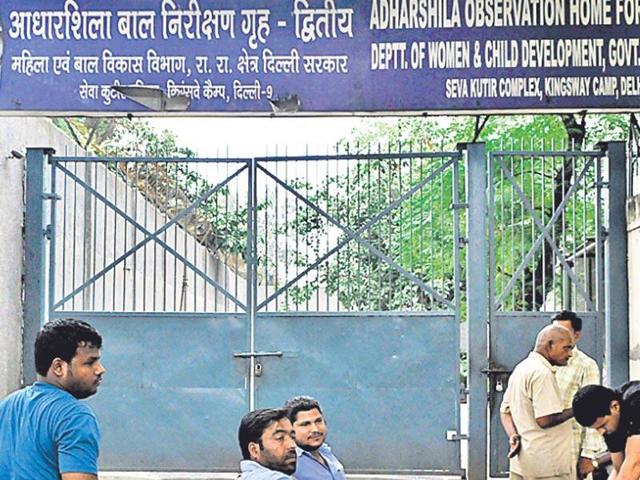
Key Highlights
- Legislative Evolution: Progressive reforms from the Juvenile Justice Act of 1986 to the Juvenile Justice (Care and Protection of Children) Act, 2015, with subsequent amendments.
- Rehabilitation Focus: Emphasis on reintegrating offenders through education, counseling, and vocational training rather than punishment.
- Dual Approach: Differentiating between children in conflict with law and those in need of care and protection, ensuring tailored interventions.
Historical Evolution of the Juvenile Justice System in India
The juvenile justice system in India has witnessed several evolutionary phases, reflecting a gradual shift from punitive measures to a rehabilitative approach. Initially, the juvenile legal framework started with laws like the Children Act of 1960. However, the critical turning point was marked with the enactment of the Juvenile Justice Act of 1986, which specifically targeted juvenile delinquency.
Over subsequent decades, increased public awareness and landmark cases pressured lawmakers to re-evaluate the system. In 2000, a revised Juvenile Justice Act was introduced to address evident loopholes and pave the way for a more child-centric approach. This laid the groundwork for the comprehensive reforms encapsulated in the Juvenile Justice (Care and Protection of Children) Act, 2015.
The 2015 Act was designed to align India’s juvenile justice system with international obligations such as the UN Convention on the Rights of the Child (CRC) and the UN Standard Minimum Rules for the Administration of Juvenile Justice (Beijing Rules). Furthermore, amendments, including those influenced by the Bharatiya Nyaya Sanhita (BNS) and Bharatiya Nagarik Suraksha Sanhita in 2023, have sought to create a balanced structure that prioritizes rehabilitation while ensuring accountability, especially for serious crimes.
Legislative Framework and Constitutional Mandates
Central to the juvenile justice system in India is its legislative backbone—the Juvenile Justice (Care and Protection of Children) Act, 2015. This Act is built upon a constitutional mandate and international agreements. Several articles of the Indian Constitution including Articles 15(3), 39 (e) & (f), 45, and 47 underscore the significance of child rights and the welfare state’s duty towards minors.
Complementing these constitutional articles, India’s adherence to international conventions like the UN Convention on the Rights of the Child (CRC) influences policies to ensure that children, despite involvement in criminal acts, are treated in a manner that fosters rehabilitation rather than mere retribution.
Core Provisions of the Legislative Framework
The Act distinctly addresses two categories:
- Children in Conflict with Law: These are minors accused of committing offenses. The system evaluates whether the child has the maturity to comprehend the consequences of their actions.
- Children in Need of Care and Protection: This group includes children from marginalized backgrounds or those encountering vulnerability due to various social disadvantages.
In cases involving heinous crimes, the provision allowing for children aged between 16 and 18 years to be tried as adults is strictly regulated, with the Juvenile Justice Board making preliminary assessments on the child’s ability to understand the implication of their actions.
Institutional Mechanisms and Key Components
A robust institutional framework supports the implementation of juvenile justice laws in India, ensuring that each case source receives a tailor-made approach for rehabilitation. Two major bodies operate within this system:
Juvenile Justice Boards (JJBs)
Established in every district, Juvenile Justice Boards are responsible for preliminary inquiries into cases involving juveniles accused of criminal acts. Their key responsibilities include:
- Conducting in-depth assessments of a child’s mental and physical capabilities to ascertain the level of criminal intent.
- Deciding on measures that focus on the social reintegration and overall welfare of the juvenile.
- Facilitating cases to ensure that interventions are both reformative and supportive of the child’s development.
Child Welfare Committees (CWCs)
While JJBs primarily deal with juveniles in conflict with the law, Child Welfare Committees are tasked with protecting children in need. CWCs work with children from socially and economically disadvantaged backgrounds, ensuring that they receive:
- Stable placement in foster care or adoption facilities when required.
- Access to education, healthcare, and other basic rights.
- Tailored rehabilitation programs that address both psychological and social needs.
The collaboration between these two bodies ensures that every child, irrespective of the circumstances leading them to conflict with the law, is treated with an emphasis on rehabilitation and long-term well-being.
Rehabilitation and Reintegration Strategies
One of the cornerstones of the juvenile justice system in India is its focus on rehabilitation. The primary philosophy is that children have a better propensity for change compared to adults, making rehabilitative measures more effective and humane.
Interventions under this framework include:
- Educational Programs: Schools and training centers are often integrated within rehabilitation centers, allowing juveniles to continue their education during their confinement.
- Vocational Training: Equipping young offenders with skills leads to better employment opportunities after reintegration.
- Counseling Services: Psychological support is provided to address trauma, improve self-esteem, and guide personal development.
- Family and Community Involvement: Close family ties coupled with community-based programs enhance the potential for successful reintegration and reduce recidivism.
These programs are designed not only as punitive measures but also as mechanisms for long-term transformation, helping the juveniles to integrate back into society as responsible citizens.
Specific Approaches for Heinous Offenses
While the overarching approach is reformative, cases involving serious crimes such as murder or rape invoke stringent assessments. The Juvenile Justice Board undertakes detailed evaluations to determine if the child understands the gravity of their actions. In these instances, special guidelines ensure that the judicial process respects the child's developmental stage while still addressing the severity of the crime.
Operational Challenges and Future Directions
Despite the progressive framework, the juvenile justice system in India faces several operational challenges that need continuous attention.
Challenges
- Infrastructure Gaps: Many rehabilitation centers and judicial facilities lack the necessary infrastructure to support comprehensive child development programs.
- Inconsistent Application of Laws: Variations in the interpretation and implementation of the law across different states often lead to disparities in juvenile treatment.
- Resource Constraints: Limited availability of trained personnel, including psychologists, social workers, and legal aid providers, hampers the system's effectiveness.
- Public Perception and Stigma: Societal attitudes towards juvenile offenders can sometimes hinder rehabilitation efforts and result in social exclusion post-release.
These challenges have prompted discussions within legal and social reform circles regarding the need for a more uniform and adequately funded system.
Future Directions
Ongoing legislative debates and judicial reviews aim to resolve existing challenges. The emphasis is on:
- Enhancing infrastructure through better funding and modern facilities.
- Standardizing judicial protocols across different regions to ensure fair treatment of juvenile offenders.
- Expanding rehabilitative programs to cover a broader range of services – from mental health support to skill-building initiatives.
- Promoting public awareness campaigns to de-stigmatize juvenile offenders and garner community support for reintegration.
Comparative Overview Table
| Aspect | Description | Key Points |
|---|---|---|
| Legislative Evolution | Transition from early acts to a modern, rights-based framework. |
|
| Constitutional & International Mandates | Framework based on constitutional provisions and international conventions. |
|
| Institutional Bodies | Specialized bodies managing cases. |
|
| Rehabilitation and Reintegration | Programs designed to transform and reintegrate juveniles. |
|
| Operational Challenges | Existing issues that impact consistent implementation. |
|
References
- Juvenile Justice System Balancing Rehabilitation and Accountability - The Legal Quorum
- Overview of Juvenile Justice Law in India - Latest Laws
- Juvenile Justice And Its Procedure In India - Legal Services India
- Juvenile Justice System India - iPleaders Blog
- Juvenile Justice (Care and Protection of Children) Act, 2015 - Wikipedia
Recommended Further Queries
Last updated March 18, 2025