
Kabihug: Preserving Heritage Amidst Modern Challenges
An in-depth journey into the life, culture, and challenges of the Kabihug tribe in the Philippines
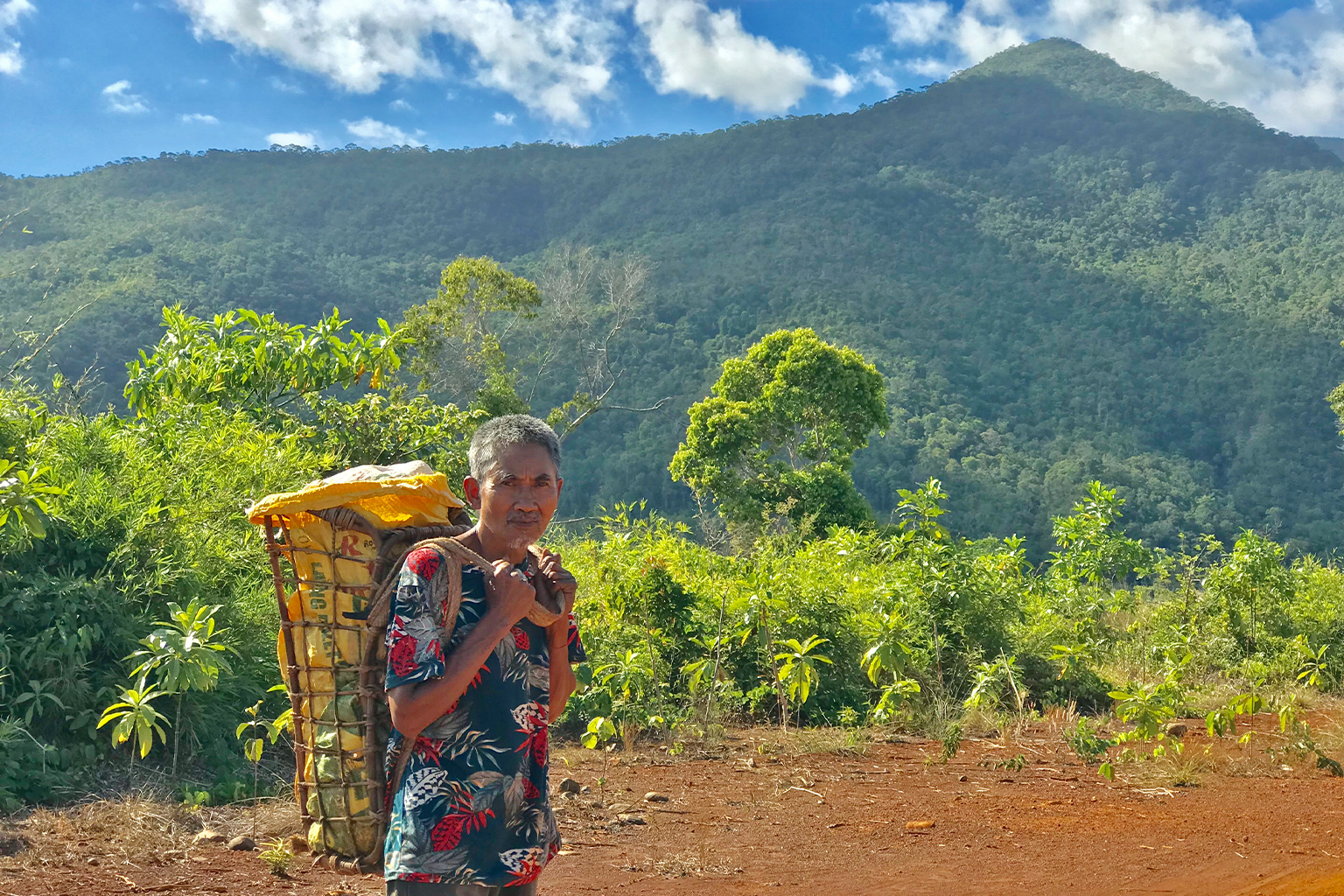
Key Highlights
- Cultural Resilience: The Kabihug tribe preserves ancestral traditions and a deep connection with nature.
- Modern Integration: Education and community efforts are bridging the gap between past and present.
- Challenges of Change: Confronting issues of cultural erosion and modern pressures while advocating for indigenous rights.
Introduction to the Kabihug Tribe
The Kabihug tribe, residing in the remote areas of Camarines Norte in the Philippines, represents a unique blend of traditional indigenous life and the inevitable influences of modern society. This community has skillfully managed to retain its ancestral customs and close relationship with nature, even as the world around them transforms rapidly. The poignant story captured in the documentary "Kabihug," presented by renowned journalist Kara David, offers an intimate exploration into the lives, struggles, and triumphs of this resilient tribe.
Historical and Cultural Background
For generations, the Kabihug people have lived in harmony with their natural environment. Their culture is deeply ingrained with rituals, ceremonies, and traditional practices that honor their ancestors and the land. Reliant on hunting, gathering, fishing, and rustic farming methods, the tribe exhibits a highly sustainable lifestyle that minimizes their environmental footprint. Their spiritual beliefs are closely tied to nature, infusing their daily activities with reverence for the earth and its resources.
Traditional Practices and Way of Life
Central to the Kabihug ethos is their respect for nature. Their seasonal hunting and gathering practices are conducted with a profound sense of responsibility, ensuring that they take only what is necessary to sustain the community. This careful balance of consumption and conservation not only preserves natural resources but also reinforces the spiritual significance of every living element in their ecosystem. Traditional rituals, storytelling, and community gatherings play critical roles in the collective memory of the tribe, helping pass on knowledge and cultural identities from one generation to the next.
Challenges and Modern Influences
Despite their strong cultural foundation, the Kabihug tribe is not insulated from the sweeping forces of modernity. The documentary highlights a myriad of challenges that have emerged as the tribe interacts with broader societal changes. One of the most significant influences is the introduction of formal education. For the first time, Kabihug children are accessing education, a development that brings both hope and a new set of challenges.
Navigating Education and Social Change
The decision to integrate modern education systems marks a monumental shift for the Kabihug people. On one hand, education equips the younger generation with skills to navigate an increasingly complex world. On the other hand, it introduces cultural dissonance as traditional values often clash with modern ideologies. Stories of young tribe members, like those who aspire to become professionals or community leaders, underline the dual-edged nature of education—offering empowerment while simultaneously posing risks to cultural identity.
Struggle for Ancestral Domain Recognition
Another central theme in the documentary is the socio-political struggle for the recognition of their ancestral domain. In 2012, the government officially acknowledged their rights over their traditional lands, a ruling that recognized the tribe's historical connection and cultural reliance on these territories. This acknowledgment, however, comes with ongoing challenges as modern economic interests and development projects continue to encroach upon their sacred lands. This conflict over land use is emblematic of the broader issues faced by indigenous communities worldwide.
Preservation Efforts Through Media
Documentaries like "Kabihug" serve a dual purpose. They not only document the lifestyles and traditions of indigenous groups but also catalyze broader discussions about cultural preservation and human rights. Through the lens of Kara David’s empathetic and incisive storytelling, audiences gain an understanding of the nuanced balance between tradition and modernity.
Role of Media in Cultural Preservation
By showcasing the stories of the Kabihug tribe, media plays an essential role in raising awareness and appreciation for indigenous cultures. The documentary provides a window into a rarely seen world and stresses the importance of safeguarding cultural heritage. Highlighting the real-life struggles and advancements of the Kabihug people invites discussions on the global stage about the rights and recognition of indigenous communities.
Impacts and Future Outlook
The narrative of the Kabihug tribe is one of resilience, adaptation, and hope. Despite the pressures and challenges of modernization, the community remains steadfast in its commitment to preserving its identity. The forward-looking aspect of the documentary is optimistic: through education and legal recognition of their lands, young Kabihug members gain opportunities to reimagine the future of their culture. What remains clear is that efforts to balance tradition with modern progress are critical for ensuring that such invaluable cultural heritages are not lost.
Comparative Insights: Lifestyle, Culture, and Adaptive Strategies
| Aspect | Description |
|---|---|
| Cultural Practices | Deep-rooted traditions, rituals, and sustainable living methods emphasizing conservation and respect for nature. |
| Social Structure | Community-centric living with strong family bonds and collective decision-making that honors elders and ancestral wisdom. |
| Education | Adoption of modern education creates new opportunities for the younger generation, while also challenging traditional cultural norms. |
| Land Rights | Legal acknowledgment of their ancestral domain in 2012, which symbolizes a victory for indigenous rights, yet continuous threats from external development remain. |
| Media Influence | Documentaries such as "Kabihug" illuminate the tribe's story, promoting cultural preservation and generating public discourse on indigenous issues. |
Ethical and Societal Implications
The Kabihug documentary does more than simply chronicle everyday life; it forces the audience to confront the implications of globalization on indigenous cultures. It serves as a reminder of the fine line between progress and preservation—a line that, if crossed, can erase centuries of invaluable knowledge and cultural inheritance.
Preservation vs. Modernization
Every system of progress comes with its trade-offs. With the introduction of modern education and external economic interests, the tribe experiences rapid social change. While these developments can lead to improved living conditions and broader life opportunities, they also risk diluting the cultural essence that defines the Kabihug identity. It is imperative to forge paths that allow traditional practices and modern amenities to coexist harmoniously.
The Global Context
The challenges faced by the Kabihug community resonate with indigenous populations across the globe. Narratives of cultural erosion, displacement, and the struggle for rights are common themes that demand a reevaluation of how modern society interacts with ancestral cultures. The Kabihug story thus contributes to a broader global dialogue about preserving indigenous identities in an era dominated by rapid change and globalization.
Integrating Tradition and Innovation
Despite the challenges of modernity, the Kabihug tribe's journey offers hopeful insights into the future. The community’s embrace of educational opportunities, while actively fighting for preservation of their traditions and rights, paints a picture of adaptive resilience. The careful blending of ancestral wisdom with modern tools creates a sustainable model for other indigenous populations worldwide.
Opportunities for Cultural Revitalization
Empowering indigenous communities through education, legal rights, and cultural exchange is fundamental to their survival. By highlighting success stories within the tribe—young minds planning careers in healthcare or community leadership—the documentary inspires actions that could lead to the revitalization of other endangered cultures. It invites not only awareness but also direct involvement from policy makers, NGOs, and global audiences to support initiatives protecting indigenous heritage.
References
- musely.ai - musely.ai
- NoteGPT - notegpt.io
- ScreenApp - screenapp.io
- summarize.tech - summarize.tech
- mymap.ai - mymap.ai
Recommended Further Exploration
Last updated March 8, 2025