
Crafting Characters for the World of Ismail Kadare: A Deep Dive into Literary Nuance
Unlocking the Secrets of Kadare's Character Development for Your Own Narrative Journey
Creating a character that seamlessly integrates into the distinct literary universe of Ismail Kadare requires a profound understanding of his thematic preoccupations, narrative style, and the socio-political landscapes he so masterfully portrays. Kadare, a titan of European literature and a universal voice against totalitarianism, crafted characters who are often caught between dream and reality, personal fate and inexorable historical forces, and individual agency versus societal control. His novels frequently draw on Balkan history, legends, and the harsh realities of life under an authoritarian regime, often with an oblique, allegorical, and darkly humorous tone. To build a character fit for "Kadaria," as David Bellos terms it, one must delve into the subtle complexities that define his work.
Key Insights for Kadare-esque Characters
- Embrace Ambiguity and Internal Conflict: Kadare's characters are rarely straightforward. They often grapple with blurred lines between waking and dreaming, and their motivations can be elusive, making them deeply human and relatable within a world of allegory.
- Reflect Societal and Historical Pressures: Characters in Kadare's novels are often shaped by the oppressive regimes or ancient customs, such as the Kanun in Broken April. Their personal struggles become microcosms of larger societal conflicts.
- Exhibit Resilience and Subtlety: Despite living under immense pressure, Kadare's characters often find ways to resist, whether through quiet defiance, intellectual questioning, or simply enduring. Their actions, though sometimes small, carry significant weight.
The Essence of a Kadare Character
Ismail Kadare's characters are not merely individuals; they are often embodiments of collective experiences, historical memories, and the psychological impact of living under pervasive systems of control. His narratives are rich with allegory, making his characters function on multiple levels—as distinct personalities and as symbolic figures within a broader commentary on power, freedom, and the human spirit. To create a character for such a world, one must think beyond simple traits and consider the character's relationship with fate, tradition, and the omnipresent state.
Defining Traits: Beyond the Surface
When developing a character for a Kadare-esque novel, consider the following dimensions:
The Weight of History and Tradition
Kadare's characters are inextricably linked to their historical and cultural backdrops. For instance, in Broken April, Gjorg's life is dictated by the archaic laws of the Kanun, forcing him into a cycle of blood feuds. A Kadare character would carry the burden of ancestral customs, national myths, or the scars of a totalitarian past. Their decisions, even seemingly personal ones, are often influenced by these deep-rooted elements. Consider how historical events or long-standing traditions might manifest in your character's personality, fears, or aspirations.
The Blurring of Reality and Dream
One of Kadare's signature styles is the constant questioning of the boundary between waking life and dreams. Characters may experience events that feel surreal, or their perceptions might be altered by fear, propaganda, or the sheer absurdity of their circumstances. This ambiguity adds a layer of psychological depth and allows for a narrative that transcends straightforward realism. Your character could struggle with distinguishing what is real from what is imagined, or their internal world might be as vivid and influential as their external reality.
Subtle Resistance and Inner Life
While often living under oppressive regimes, Kadare's characters rarely engage in overt, heroic acts of rebellion. Instead, their resistance is often internal, intellectual, or expressed through a quiet defiance of spirit. They might find solace in literature, art, or critical thought, even if these activities are dangerous. Their inner monologue and observations are crucial, as they often reveal the true dissent simmering beneath a conformist exterior. Focus on crafting a rich internal world for your character, where their true thoughts and feelings reside.
The Impact of the Environment
In Kadare's world, the environment—whether the ancient stone city of Gjirokastër in Chronicle in Stone or the harsh Albanian weather in The General of the Dead Army—often functions almost like a character itself. It imposes constraints, shapes perspectives, and sometimes even mirrors the characters' internal states. Your character should feel deeply connected to their setting, influenced by its physical characteristics, its history, and its unique atmosphere.
Developing a Character Profile
To create a truly compelling Kadare-esque character, a detailed character profile is essential. This goes beyond basic biographical details to explore their psychological makeup, motivations, and the complex interplay between their inner world and external pressures. Visual references and mood boards can also help bring your character to life. Consider their physical appearance not just as a description, but as a reflection of their experiences and the world they inhabit.
Core Identity and Background
- Name and Origin: What does their name signify, if anything? Where do they come from, and how does their place of origin shape their worldview?
- Age and Historical Context: How old are they, and what significant historical events have they lived through?
- Family Background: What traditions, secrets, or obligations does their family lineage impose upon them? How does their family history contribute to their present struggles?
Personality and Psychological Depth
- Key Traits: Go beyond simple adjectives. Is your character stoic, melancholic, sly, introspective, or subtly defiant? Consider how these traits manifest in their interactions.
- Fears and Vulnerabilities: What are their deepest anxieties? How do these fears connect to the oppressive forces or traditions in their world?
- Desires and Motivations: What do they truly long for? Is it freedom, understanding, survival, or a subversion of the status quo? These motivations should drive their actions, however subtle.
- Internal Monologue: How do they process the events around them? What are their unspoken thoughts and observations? This is crucial for revealing their true character in Kadare's allegorical narratives.
Relationships and Conflicts
- With Authority: How does your character navigate the demands of authority figures or oppressive systems? Do they conform, subtly resist, or observe from a distance?
- With Others: How do they interact with family, friends, or strangers? Are their relationships strained by the pervasive atmosphere of fear or suspicion?
- Internal Conflict: What moral dilemmas or psychological battles do they face? This often arises from the clash between their desires and the external realities.
Crafting Character Nuance: A Radar Chart Analysis
To visualize the multi-faceted nature of a Kadare-esque character, a radar chart can be incredibly useful. It allows for a comparison of various attributes, emphasizing the subtle interplay of internal and external forces that shape such characters. Below is a radar chart depicting a hypothetical Kadare-inspired character, focusing on key attributes that often appear in his novels.
The radar chart illustrates how a Kadare-esque character often scores high on "Internal Reflection" and "Perception of Reality" (which might be blurred), indicating a rich inner life and a tendency towards introspection or surreal experiences. "Allegorical Significance" is also high, as these characters often serve a larger symbolic purpose within the narrative. Their "Traditional Adherence" might be moderate to high, as they are often bound by old customs, but their "Subtle Defiance" against oppressive forces is also present, distinguishing them from purely obedient figures. "Resilience" is crucial for enduring the harsh realities, and the "Impact of Setting" is significant, showing how deeply intertwined they are with their environment.
AI Tools for Character Generation and Visualization
While the conceptual depth comes from understanding Kadare's literary style, modern AI tools can assist in visualizing and refining your character's appearance and persona. These tools can help in generating initial visual concepts, which can then be further refined to match the specific aesthetic and thematic requirements of a Kadare novel.
Several AI character generators are available, offering different functionalities:
- Picsart AI Character Generator: Ideal for instantly generating unique AI characters for fictional projects and concept art, without requiring drawing skills.
- Microsoft Designer's AI Character Generator: Allows users to describe a character's personality, appearance, environment, and other key details to generate vivid, lively character images.
- Canva's AI Character Generator: Utilizes machine learning models to create new images from descriptive text, with options for various art styles like Watercolor, Filmic, and Neon.
- Fotor's AI Character Generator: Can transform photos into unique, personalized characters in diverse styles (3D, anime, photorealistic) and is useful for creating game characters like DnD OCs.
- Perchance AI Character Generator: A free tool for designing and customizing character appearance and persona, suitable for OCs, villains, and RPG/DnD/fantasy characters.
- ToolBaz AI Story Character Generator: Provides a platform to create personalized characters based on user imagination for story writing.
These tools are particularly helpful for visualizing the physical aspects of your character, allowing you to iterate on appearances, clothing, and accessories based on your textual descriptions. However, remember that while AI can create visuals, the true depth of a Kadare-esque character lies in the narrative, psychological, and allegorical layers you infuse into them.
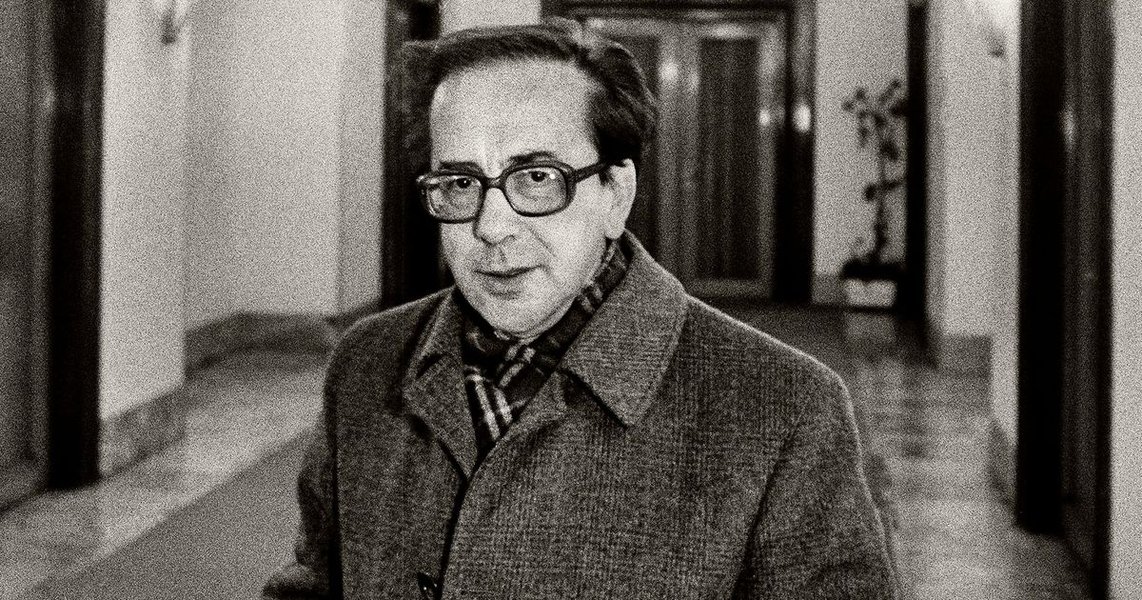
Ismail Kadare, whose profound literary contributions inspire deeply allegorical and psychologically rich characters.
Integrating Characters into Kadare's Narrative Style
Beyond individual character traits, consider how your character would function within Kadare's unique narrative frameworks. His novels often blend realism with fantasy, myth with modern minds, and offer cunning, wry humor amidst dark themes. The narrative perspectives can be multiple, and the prose style is often fluid, detached, and darkly humorous.
Narrative Perspective and Voice
Kadare often uses a somewhat detached narrative voice, allowing the reader to observe the characters' struggles without heavy emotional hand-holding. Characters might be introduced with phrases like "it seemed to him that..." or "he wasn't quite sure whether...", emphasizing the uncertain nature of their perceptions. Your character's interactions with the world should reflect this blend of observation and internal questioning.
Allegory and Symbolism
Many of Kadare's characters, and indeed his entire narratives, are allegorical. They subtly critique totalitarianism, explore the nature of memory, or dissect the absurdity of human behavior under duress. Your character should serve a purpose beyond their individual story, perhaps embodying a societal issue, a philosophical concept, or a historical pattern.
The Role of Weather and Setting
As mentioned, the physical environment is often a character in itself. How does your character interact with, respond to, or embody the setting? Is the weather a metaphor for their internal state or external pressures? In Broken April, the oppressive landscape and climate mirror the inescapable nature of the blood feud. Your character's relationship with their surroundings should be integral to their identity and journey.
Comparative Character Development: Kadare vs. Conventional
To further highlight the unique requirements for a Kadare-esque character, let's compare some key aspects of character development in his novels versus more conventional approaches.
| Aspect of Character Development | Conventional Novel Character | Ismail Kadare's Character |
|---|---|---|
| Primary Driving Force | Clear goals, personal desires, external conflicts. | Often driven by inherited traditions, societal pressures, or existential dread; actions are often reactions to external forces. |
| Relatability | Achieved through strong emotional connection, clear motivations, and identifiable struggles. | Achieved through shared human experience of oppression, ambiguity, and internal processing of surreal or absurd realities. |
| Growth and Change | Undergoes significant transformation, learns from mistakes, and develops over time. | Change can be subtle, internal, or cyclical; often trapped by fate or system, but their perception or understanding might deepen. |
| Voice and Perspective | Often direct, emotionally expressive, clear internal monologue. | Detached, often questioning reality, allegorical, subtle, with focus on observation and the unsaid. |
| Relationship with Environment | Setting is a backdrop, sometimes influencing mood or plot. | Setting (weather, city, historical context) functions as an active character, influencing fate and identity. |
| Role in Narrative | Propel plot forward, central to conflict resolution. | Often serve as vehicles for larger philosophical, political, or historical commentaries; their individual story is a microcosm. |
| Conflict Resolution | Direct confrontation, overcoming obstacles, achieving goals. | Often marked by tragic cycles, enduring without clear resolution, or finding a form of internal peace despite external chaos. |
This table underscores that a Kadare character is less about individual triumph and more about the human condition within a specific, often oppressive, context. Their "journey" is often one of internal survival and existential questioning rather than external achievement.
Further Reading and Resources
To further immerse yourself in Kadare's world and understand his character development, exploring his works is paramount. His novels offer profound insights into the human spirit under various forms of totalitarianism and the weight of history.
A video review of Ismail Kadare's "Broken April," discussing the haunting themes of Albanian blood feuds and fate, providing a glimpse into his character-driven narratives.
Frequently Asked Questions (FAQ)
What are the key elements of a Kadare-esque character?
How important is setting in Kadare's novels for character development?
Do Kadare's characters undergo significant transformations?
Can AI tools create Kadare-like characters?
Conclusion
Crafting a character to fit the novels of Ismail Kadare is a nuanced endeavor that demands a deep appreciation for his literary artistry. It goes beyond mere biographical details to embrace the allegorical, the psychological, and the subtle interplay between individual fate and historical forces. By focusing on ambiguity, internal conflict, resilience, and the pervasive influence of setting and tradition, aspiring writers can create characters that resonate with the profound, often unsettling, beauty of Kadare's unique world. Such characters are not just players in a story; they are echoes of history, symbols of universal struggles, and windows into the intricate tapestry of the human condition under duress.
Recommended Further Exploration
- How to develop allegorical characters in fiction?
- Exploring the theme of totalitarianism in literature.
- The role of dreams and reality in Kadare's narrative.
- Literary techniques for subtle character resistance.
Referenced Search Results


 nefeliatelier.wordpress.com