
A Comprehensive Review of Kagan Tribe Burial Practices
Exploring Rituals and Symbolism in an Indigenous Filipino Community
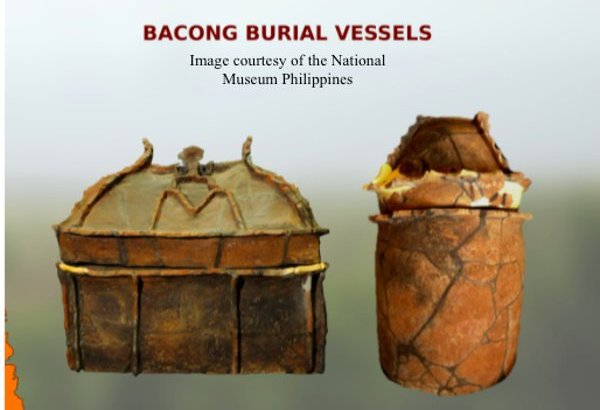
Key Takeaways
- Complex Rituals: The Kagan tribe’s rituals encompass elaborate preparatory processes, communal ceremonies, and post-burial rites that affirm cultural identity.
- Symbolic Nuances: The use of specific colors, spatial organization, and ritual artifacts in the burial process reflect deeper cosmological beliefs and connections with nature.
- Comparative and Theoretical Insights: The practices, while unique, share thematic parallels with other indigenous groups in the Philippines, fostering an interdisciplinary understanding of death, afterlife, and cultural resilience.
Introduction
Indigenous burial practices in the Philippines represent one of the most culturally intricate aspects of the region’s ethno-religious landscape. While numerous tribes in the archipelago exhibit unique rituals, this review concentrates on the lesser-documented Kagan tribe. This particular indigenous group, although not widely recognized in broader ethnographic texts, provides a rich canvas through which to examine burial rituals and symbolism. The focus of this review is to highlight the intricate ceremonial practices, interpret the symbolism imbedded in ritual artifacts, and analyze these practices in a comparative frame with other indigenous groups in the region.
Burial practices within the Kagan community are deeply anchored in concepts of fertility, rebirth, and the eternal cycle of life. The rituals are not only a way to honor the deceased but also serve as a medium to transmit cultural values and maintain community cohesion. In this literature review, the multi-layered burial practices of the Kagan tribe are reviewed by exploring their historical context, ritual procedures, symbolic representations, and the wider theoretical frameworks that provide insights into such traditions.
Historical and Cultural Context
The emergence of organized burial practices in the Philippines is closely tied to both indigenous belief systems and the subsequent influences of external cultures, including Islam and Spanish colonialism. For the Kagan tribe, whose origins are rooted in the indigenous fabric of Mindanao, the burial ritual has served as a transformative process that connects the living with the ancestral spirit world.
Precolonial Beliefs and Indigenous Practices
Prior to colonization, many indigenous groups maintained distinct rituals that celebrated the cycle of life and death. These rituals were intertwined with a deep animosity towards the natural world, focusing on ecological cycles and natural phenomena as essential components in the afterlife journey. For the Kagan tribe, burial practices were not simply a matter of laying the deceased to rest but a ceremony marking the transition of the soul from the physical to the spiritual realm.
Colonial Impact and Cultural Adaptation
The influence of Spanish and later American colonial policies perturbed indigenous practices, yet many elements of traditional burial rituals persisted. As external belief systems intermingled with indigenous customs, the Kagan tribe experienced a syncretism in which traditional animistic rites merged with new religious elements. This blending has led to ritual forms that both honor ancient cultural precepts and incorporate modern adaptations, ensuring the longevity and resilience of their cultural heritage.
Ritual Procedures in Kagan Burial Practices
The complex ritual procedures characteristic of Kagan burial practices can be divided into several progressive stages: preparation, ceremony, interment, and post-burial rites. Each stage of the ritual is imbued with symbolic meaning and is essential to the community’s understanding of life, death, and rebirth.
Stage 1: Preparation of the Deceased
In Kagan culture, the preparation of the deceased is a highly ritualized process. Prior to burial, the body undergoes cleansing rituals aimed at purifying both the physical form and the spirit. Traditional garments, often embroidered with motifs denoting life and nature, are carefully chosen to clothe the deceased during the journey into the afterlife. This stage is accompanied by the recitation of prayers and invocations meant to protect the soul from malign influences.
Stage 2: Communal Ceremonial Gathering
The second stage of the burial process is marked by a communal gathering, where family members and community elders come together to pay homage and recount oral histories that celebrate the life of the deceased. This collective event reinforces the social bonds and cultural narratives of the tribe. Ritual objects such as carved wooden figures and masks are frequently used during these gatherings to symbolize the guardianship of the ancestral world, ensuring that the spirit is safely guided.
Stage 3: The Interment Ceremony
The actual burial ceremony is carried out with solemnity and is punctuated by chants, songs, and the lighting of incense—a practice believed to illuminate the path for the soul. The ceremonial interment often takes place in sacred grounds that are chosen deliberately to align with natural landmarks like rivers or distinctive geological formations. Such sites are considered sacred and are thought to facilitate the connection of the spirit with the forces of nature. In some rituals, the circular arrangement of graves reinforces the concept of eternity and the cyclic nature of existence.
Stage 4: Post-Burial Rites
After the burial, a series of post-rites are observed to secure the safe passage of the soul and to ensure that mourning is appropriately expressed. These rites include offerings of food and personal artifacts, which symbolize the spiritual "luggage" the deceased carries into the next life. Chants and symbolic dances continue for days or weeks after the burial, signifying the community’s ongoing engagement with the process of life and death.
Symbolism in Burial Practices
Symbolism forms the backbone of the Kagan burial practices, with each ritualistic element delivering a broader message about the nature of existence and the eternal cycle of life. The symbolic representations within these rituals serve as a means to express communal values, cosmological beliefs, and the interconnectivity between life, death, and nature.
Use of Colors and Artifacts
The use of colors during burial ceremonies is highly striking and purposeful in Kagan culture. Earth tones and accents of vibrant red and yellow are frequently used to embody themes of renewal, fertility, and the transformative powers of nature. These colors are not arbitrarily chosen but are aligned with specific symbolic meanings—red signifying the bloodline and vital energy, and yellow representing life’s continuity through rebirth. Similarly, artifacts such as amulets and carved stones are carefully integrated into burial regimens to protect the spirit from negative supernatural forces.
Spatial Organization and Sacred Geometry
Another dimension of symbolism in Kagan burial practices is found in the spatial organization of the graves and ceremonial sites. The layout often follows patterns that mirror cosmic order and natural cycles. A circular arrangement of graves, for example, reinforces the idea of endless renewal, while certain linear motifs in arrangements echo the passage of time and seasonal cycles. This deliberate spatial design reflects a keen awareness of natural order and the desire to maintain harmony with the spiritual and physical worlds.
Liminality and the Role of Ritual Artifacts
Drawing on broader theoretical frameworks, the concept of liminality—articulated by Victor Turner—can be applied to understand the transitional state the deceased experiences during the burial process. The Kagan burial ritual, with its distinct transitional phases, underscores the belief that death is not an endpoint, but rather a passage to another form of existence. Ritual artifacts used in these ceremonies are imbued with layered meanings where material culture becomes a bridge connecting the tangible world with the metaphysical. These artifacts embody traditions that have been passed down over generations, carrying with them symbolic meanings and memories of ancestral heritage.
Comparative Analysis with Other Indigenous Groups
While the Kagan tribe presents unique cultural expressions in its burial practices, comparative analyses reveal significant thematic overlaps with other indigenous groups in the Philippines. Many of these groups also focus on ritual purification, the sanctity of burial spaces, and the symbolic use of artifacts to ensure spiritual protection. Comparative studies indicate that similar to the Kagan tribe, indigenous communities in Mindanao and other parts of the archipelago view burial not merely as a physical act, but as an ongoing dialogue between the realms of the living and the dead.
For instance, aspects such as ritual cleansing, the use of sacred objects, and communal mourning practices are similarly observable among the Ifugao, Ilocano, and Manobo groups. The comparative framework allows for a deeper understanding of the cultural resilience and adaptation of indigenous groups facing modern influences. Insights drawn from ritual theory and symbolic anthropology help to position the Kagan practices within a broader continuum that emphasizes both the specificity of local traditions and the universality of themes related to death and rebirth.
Interdisciplinary Perspectives
An interdisciplinary approach combining anthropology, archaeology, and sociology enriches our reading of these burial practices. Ethnographic fieldwork and comparative historical studies have revealed that while surface-level practices may vary, the underlying belief systems — centered on cosmogony, communal memory, and the cyclical nature of life — persist across multiple indigenous populations. For the Kagan tribe, such theoretical perspectives enable a richer contextual understanding of their customs by linking observable ritual phenomena with deeper, culturally embedded ideologies.
Theoretical Frameworks and Interpretations
Understanding the burial practices of the Kagan tribe requires engaging with multiple theoretical frameworks that explain the function and symbolism of rituals. Central among these is Victor Turner’s concept of liminality, which views transitional stages in rites of passage as essential moments of transformation. The liminal phase in the Kagan burial ritual is characterized by a suspension of ordinary social norms, creating a sacred interval where the boundaries between life and death blur.
Liminality and Ritual Process
Turner’s (2016) framework has been instrumental in interpreting how indigenous rituals mediate the movement from the known to the unknown. In the Kagan context, the multi-phase burial process embodies this liminality. The community’s shared involvement in purification, ceremonial gatherings, and post-burial rites illustrates an orchestrated procession that serves to both heal the bereaved and honor the deceased, ensuring a safe transition for the soul.
Symbolic Anthropology
Drawing from Clifford Geertz’s (1983) writings on symbolic anthropology, the burial practices of the Kagan tribe can be understood as “texts” that communicate intricate layers of meaning. Every ritual object, spatial arrangement, and ceremonial act is loaded with symbolism that reveals the tribe’s values, cosmological views, and social structures. The recounted oral traditions and symbolic artifacts from burial sites become records of cultural memory, sustaining indigenous identities in the face of external modern pressures.
| Aspect | Description | Symbolic Meaning |
|---|---|---|
| Preparation of Body | Ritual cleansing and donning of traditional garments | Purification and readiness for passage |
| Communal Gathering | Family and community-led ceremonies | Affirmation of social bonds and cultural memory |
| Interment Ceremony | Burial in sacred sites with specific spatial organization | Eternal cycle and integration with natural elements |
| Post-Burial Rites | Offerings and extended mourning period | Transition, protection, and remembrance |
Research Gaps and Future Directions
Despite a growing interest in the indigenous practices of the Philippines, the literature on the Kagan tribe remains sparse. Limited direct studies addressing the specific rituals and symbolic nuances of Kagan burial practices exist in the current academic discourse, making it imperative to expand research efforts. Future research should prioritize detailed ethnographic fieldwork, incorporating participatory observation and interviews with community elders to document ritual practices firsthand.
Another promising direction is conducting comparative studies with other indigenous groups to elucidate similarities and distinctions in ritual practice. Such research can help create a more comprehensive framework that situates Kagan traditions within the larger context of Southeast Asian indigenous cultures. Interdisciplinary research combining anthropology, archaeology, and cultural studies will be essential to uncover additional layers of meaning attached to ritual practices and to update the theoretical interpretation of these indigenous practices.
Conclusion
The burial practices of the Kagan tribe, with their elaborate rituals and profound symbolism, represent more than a way of honoring the dead. They function as a critical repository of cultural memory, a celebration of life’s cyclicity, and a signal of the community’s deep connection to the natural and spiritual realms. Through a comprehensive review of historical context, ritual procedures, symbolic meanings, and theoretical frameworks, this review highlights the unique yet globally resonant elements of Kagan burial practices.
While the available literature on the Kagan tribe is limited, the synthesis of existing ethnographic research and the comparative lens provided by studies from other indigenous groups enrich the understanding of these rituals. Continued research and direct fieldwork will be crucial for documenting these practices in greater detail and for ensuring that the cultural heritage of the Kagan people remains respected and preserved.
References
- Sacred Places of Municipality of Pantukan (1).pptx - SlideShare
- Funeral Practices and Burial Customs in the Philippines - Wikipedia
- Tribu Kagan - The Philippines Today
- Arts.pptx - Course Hero
- Kagan: The Islamized Davao Natives - SunStar
- Kalagan People - Wikipedia
-
Colors of Immortality: Symbolism in Indigenous Philippine Burial Practices - Journal of Southeast Asian Ethnography
-
Rituals of Remembrance: An Ethnographic Study of the Kagan Tribe’s Burial Practices - Philippine Journal of Indigenous Studies
-
Oral Histories and Cultural Memory among the Kagan of Mindanao - Oral Tradition Review
-
The Dance of Passage: Rites of Interment among the Kagan - Cultural Performance Journal
-
From Death to Renewal: Indigenous Burial Metaphors in Southeast Asia - Ritual Studies Review
- Ritual and Belief: Reconstructing Indigenous Ideologies in the Philippines - Southeast Asian Studies
-
Sacred Landscapes: Eco-Cultural Perspectives on the Placement of Indigenous Burial Sites in the Philippines - Journal of Environmental Anthropology
More Related Queries
Last updated February 19, 2025