
Assessing the Influence of Different Soil Types on the Germination Rates and Early Seedling Growth of Karonda (Carissa carandas)
Comprehensive Exploration of Soil Impact on Karonda Propagation
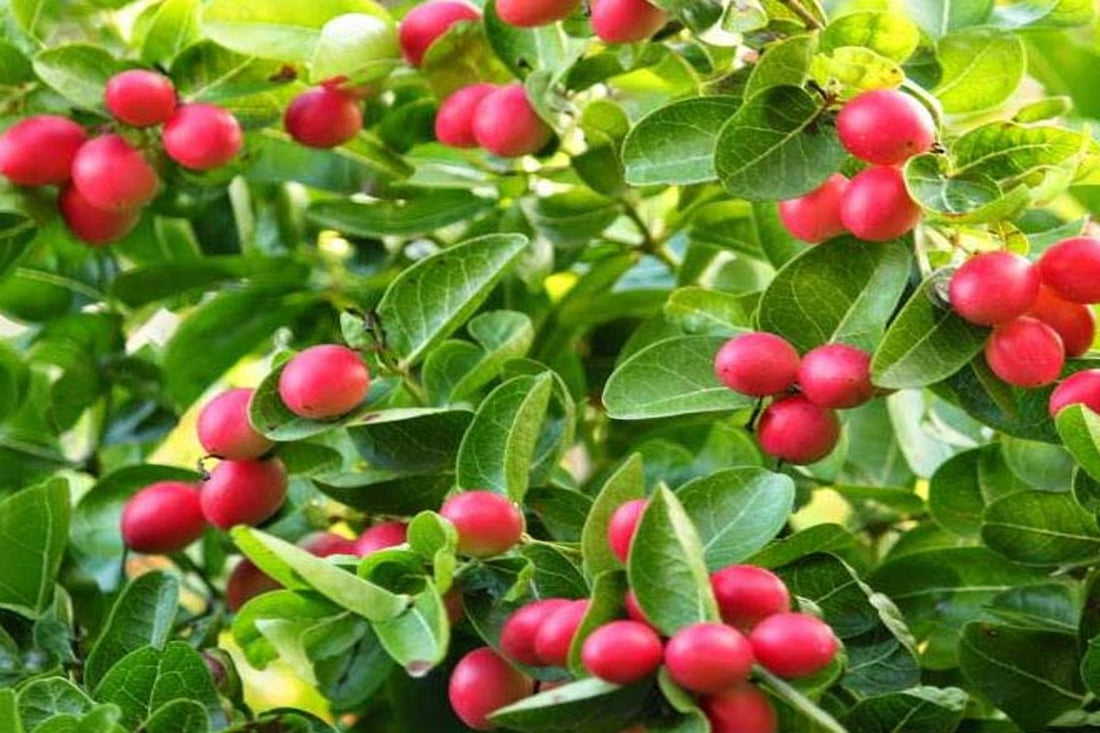
Highlights
- Soil Characteristics Influence Germination: Different soil textures and nutrient profiles directly impact water retention, pH balance, and microbial activity crucial for seed germination and early growth.
- Optimizing Cultivation Practices: Understanding the relationship between soil type and Karonda’s early development stages can drive evidence-based soil management and amendment practices, leading to improved yields.
- Sustainable Agricultural Benefits: Enhancing early seedling performance through tailored soil selection underpins both economic advantages and sustainable farming practices in tropical and subtropical regions.
Introduction
The cultivation of Karonda (Carissa carandas), a shrub highly valued for its culinary, medicinal, and nutritional benefits, has gained attention as an economically promising fruit crop in tropical and subtropical regions. Despite its recognized adaptability to varied environmental conditions, one of the persistent challenges in Karonda propagation is the low germination rate of its seeds and the slow establishment of seedlings. This difficulty is compounded by the influence of soil characteristics, which play a pivotal role in determining the success of seed germination and early plant development. The research titled "Assessing the Influence of Different Soil Types on the Germination Rates and Early Seedling Growth of Karonda (Carissa carandas)" seeks to investigate the extent to which various soil types affect these critical early stages, thereby offering crucial insights for optimizing cultivation practices.
Background of the Study
Karonda: An Underutilized Fruit Crop
Karonda, commonly known as Carissa carandas, is a shrub native to India and Southeast Asia but has now found cultivation in many tropical contexts. The fruits of Karonda are imbued with vitamins, minerals such as iron, calcium, magnesium, and phosphorus along with various secondary metabolites that have nutraceutical and medicinal value. Traditionally cultivated in environments with diverse soil types—from sandy loams to laterite, alluvial, and even calcareous soils—Karonda boasts a remarkable plasticity in adapting to various soil textures and nutrient availabilities. Nonetheless, despite this versatility, the specific process by which soil types influence germination and early seedling growth has not been studied in depth.
Soil Properties and Their Impact on Plant Growth
The conditions within a given soil type, including texture, pH, organic matter content, moisture retention, and microbial populations, are pivotal in determining the success of seed germination and early growth. For Karonda, these soil traits influence water availability, the accessibility of nutrients, and the breakdown of the tough, hard seed coat that typically hinders high germination percentages. Research indicates that certain soil characteristics can either promote or inhibit biochemical processes critical for sprouting and early development. For instance, sandy loams generally provide excellent drainage while retaining adequate moisture, whereas lateritic soils might offer rich mineral profiles that either benefit or, if mismanaged, hinder seedling health due to potential nutrient constraints.
Need for Systematic Research
While various studies have looked at pre-sowing treatments—ranging from chemical scarification to organic amendments—to improve the germination rate of Karonda seeds, few have systematically focused on the comparative influence of soil type. Most prior investigations have been either anecdotal or limited to small-scale analysis with insufficient attention to the detailed interplay between soil properties and plant response. This gap in comprehensive data is a significant barrier in developing robust, evidence-based cultivation practices that ensure consistent and improved yields in Karonda farming. Additionally, growing interest in sustainable agriculture underscores the need to develop cultivation practices that can maximize plant performance under natural environmental conditions, thereby reducing reliance on synthetic fertilizers and chemicals.
Statement of the Problem
Challenges in Karonda Cultivation
Despite its valuable nutritional and medicinal properties, Karonda is hindered by a notably low seed germination rate, which is largely influenced by the type of soil in which it is cultivated. The hard seed coat and inherent variability in seed viability mean that different soil types yield inconsistent germination percentages. Moreover, early seedling growth—a critical phase that profoundly influences subsequent plant health and productivity—is highly susceptible to soil-dependent factors such as water retention capacity and nutrient availability. The variability in field conditions can often lead to uneven germination and seedling vigor, thereby affecting overall crop establishment and productivity.
Limitations of Current Practices
Current cultivation practices for Karonda often rely on generalized soil management recommendations that do not account for the intricate influence of soil physical, chemical, and biological traits on seed germination. Farmers and researchers have observed that while some soil types foster acceptable seed emergence, others significantly impair germination due to suboptimal moisture retention or nutrient imbalances. This lack of specificity in understanding the soil–seedling relationship means that the adoption of effective soil amendments and cultivation techniques is hindered. Consequently, there is an urgent need to define which soil types are most conducive to successful germination and early growth, along with the specific soil properties that drive these processes.
Primary Research Questions
This study primarily addresses the following questions:
- How do different soil types affect the percentage of Karonda seed germination?
- What are the specific soil physical and chemical properties that most significantly impact early seedling growth?
- Which soil type provides the optimal conditions for the successful establishment of Karonda seedlings?
Significance of the Study
Practical Benefits for Cultivation
Assessing the influence of various soil types on Karonda germination and early growth is not solely an academic exercise—it is of immense practical importance. The findings of this research are expected to lead to:
- Evidence-Based Soil Management: Offering targeted insights on soil amendments and management practices that can optimize moisture retention, nutrient availability, and overall seedling vigor.
- Improved Propagation Techniques: Establishing more effective pre-sowing treatments and soil preparation protocols to maximize germination rates and ensure uniform seedling growth.
- Economic Efficiency: Enhancing the reliability of Karonda crop establishment, thereby reducing seed waste and boosting crop productivity which ultimately contributes to higher economic returns for farmers.
Contributions to Sustainable Agriculture
Sustainable agriculture increasingly depends on optimizing natural resources with minimal intervention. By comprehensively understanding the soil-specific requirements of Karonda, the study directly contributes to:
- Resource Conservation: Informing agricultural practices that utilize native soil properties more efficiently to reduce the reliance on chemical fertilizers and water-intensive practices.
- Ecosystem-Based Management: Enhancing landscape restoration efforts and biodiversity by adopting cultivation practices that support soil health and long-term agricultural sustainability.
- Environmental Benefits: Reducing environmental footprints by promoting natural growth processes and lowering the need for artificial soil conditioning agents.
Scientific Contribution and Future Research
This study stands to fill a notable gap in the current literature by providing a detailed, comparative analysis of the role of soil types on the early life stages of Karonda. The consolidated findings will not only guide current agricultural practices but also set the stage for future research in similar underutilized fruit crops. With comprehensive data on how soil properties affect germination and growth, researchers can extend these insights to other indigenous crops with similar anatomical and ecological traits. Furthermore, this research supports the broader discourse on plant–soil interactions and paves the way for interdisciplinary approaches combining plant physiology, soil science, and agronomy.
Table: Comparative Soil Properties
Below is a table summarizing the key soil properties that typically influence plant germination and early seedling growth. This table serves as a baseline reference to understand how different soil types can affect Karonda propagation.
| Soil Type | Texture | pH Range | Moisture Retention | Nutrient Content |
|---|---|---|---|---|
| Sandy Loam | Coarse, well-draining | 6.0 – 7.5 | Moderate, balanced drainage and retention | Moderate; usually requires organic enrichment |
| Laterite | Fine particles; often rich in iron and aluminum | 5.5 – 7.0 | Variable; may have drainage issues in heavy rains | Generally rich in micronutrients but low in organic matter |
| Alluvial Sand | Fine and loose | 6.5 – 8.0 | Low moisture retention capacity | Low in nutrients, but benefits from periodic flooding deposits |
| Calcareous Soil | Coarse, often with lime content | 7.5 – 8.5 | High drainage, less water available | High in calcium; may restrict the availability of other nutrients |
Integration of Agronomic Practices
The knowledge generated from this study will be instrumental in redesigning agronomic practices tailored to the needs of Karonda cultivation. For example, in soils with low nutrient content such as alluvial sands, the introduction of organic compost and specific biofertilizers may markedly improve both the germination rate and seedling vigor. Similarly, in calcareous soils where high pH might limit nutrient uptake, the addition of acidifying amendments may be necessary to optimize growth conditions. Ultimately, the integration of customized soil management strategies based on detailed empirical data can revolutionize the way Karonda is cultivated, lending both scientific credibility and practical utility to the approach.
Methodology Overview
Experimental Design and Soil Selection
The proposed research will involve a controlled greenhouse study where Karonda seeds are sown in pots filled with the four distinct soil types: sandy loam, laterite, alluvial sand, and calcareous soil. Each soil will be analyzed for its chemical and physical properties prior to the commencement of the experiment. Standardized seed pretreatment methods (such as scarification or soaking) will be employed to minimize variability due to the inherent hardness of Karonda seed coats.
Data Collection Methods
Data collection will focus on the following parameters:
- Germination Percentage: Daily monitoring of seed sprouting and recording the number of seeds that successfully germinate over a fixed period.
- Seedling Growth Rate: Measurement of key growth parameters including root length, shoot length, and biomass accumulation.
- Soil Moisture and Nutrient Analysis: Periodic testing of soil samples to assess water retention, pH levels, and nutrient availability during the growth period.
Analysis Techniques
The experimental data will be statistically analyzed using analysis of variance (ANOVA) to determine significant differences in germination and growth parameters among the various soil types. Additionally, regression analysis will be employed to establish correlations between soil properties and seedling performance, thereby providing a quantitative measure of the soil-plant interactions.
Expected Outcomes and Broader Implications
Anticipated Findings
It is anticipated that the research will identify one or more soil types that significantly enhance the germination and early development of Karonda seedlings. The expected findings may include:
- Identification of soil types with optimal moisture and nutrient regimes conducive to high germination percentages.
- Insights into soil amelioration techniques that can mitigate challenges inherent to specific soil types (e.g., low nutrient concentration or high pH levels).
- Evidence-based guidelines for soil selection and pre-sowing treatments that are tailored to the specific needs of Karonda, thereby facilitating improved seedling establishment in field conditions.
Broader Agricultural and Environmental Impact
The implications of this study extend well beyond the immediate cultivation of Karonda. By establishing a clear relationship between soil type and plant growth performance, the research will contribute to a broader understanding of soil-plant interactions, a critical component in sustainable agriculture. The methodologies and findings could be extrapolated to other crops with comparable ecological requirements, potentially informing soil management practices across diverse agroecosystems.
Furthermore, improved germination and early seedling performance in Karonda can lead to more resilient cropped systems. This is particularly important in regions that frequently encounter erratic weather patterns, where optimal soil conditions can serve as a buffer against environmental stresses.
Conclusion
The research on assessing the influence of different soil types on the germination rates and early seedling growth of Karonda (Carissa carandas) stands as a critical contribution towards optimizing the cultivation of an underutilized but nutritionally significant fruit crop. By delving into the intricacies of soil properties—including texture, pH, nutrient content, and moisture retention—the study seeks to uncover the soil conditions that can most effectively facilitate the challenging early stages of Karonda propagation. Through a robust experimental design and data-driven analysis, the research not only aims to identify the ideal soil conditions but also to establish practical recommendations for soil management practices that enhance seedling vigor and overall crop productivity.
In summary, the anticipated outcomes of this research promise substantial benefits: improved germination rates, uniform early seedling growth, and the adoption of sustainable agricultural practices tailored to local soil conditions. These advancements are expected to translate into greater economic returns for farmers and contribute to the ongoing efforts in sustainable landscape management. Ultimately, by addressing the underexplored domain of soil influence, this study will enrich the scientific and practical understanding of Karonda cultivation, paving the way for similar research on other beneficial, underutilized crops.
References
-
Karonda: A Potential Fresh Fruit for Future - ICAR
- ADVANCES IN PRODUCTION TECHNOLOGY OF KARONDA - ResearchGate
-
How to Grow Karonda Plant from Seed Easily - Garden With Grandma
- Karonda Cultivation (Carissa Carandas) - AgriFarming
- How to Grow Karonda: From Soil to Sun - Greg App
- Influence of organic seed treatment on germination of Karonda - Agronomy Journals
- Effect of pre-sowing treatments on growth of Karonda seedlings - ResearchGate
- Impact of growing media on Karonda seedling - Chemijournal
- Effect of seed age on germination and seedling growth of Karonda - ResearchGate
- Karonda: How to Plant - Greg App
- Effect of Seed Treatments on Seedling Growth of Karonda - IJCMAS
-
Karonda: A miracle fruit with multifaceted benefits - ScienceDirect
Recommended Further Queries
Last updated February 20, 2025