
Unveiling Kashmiri Identity: A Complex Tapestry Beyond Borders
Exploring the deep-rooted distinctiveness of Kashmiri culture, its people's aspirations, and perspectives on the Line of Control.
Key Insights into Kashmiri Identity
- Distinct Regional Identity: Kashmir possesses a robust and unique regional identity, known as "Kashmiriyat," shaped by centuries of syncretic cultural, religious, and historical influences, setting it apart from neighboring India, Pakistan, and China.
- The Line of Control (LoC) Dilemma: While historically many Kashmiris have opposed the LoC as a permanent division, a pragmatic desire for peace, stability, and improved daily life could lead to acceptance if a peace process guarantees security and rights, reflecting a complex balance between aspiration and realism.
- Multifaceted Cultural Heritage: Kashmiri identity is woven from diverse threads including its unique languages (like Koshur), a blend of Islamic, Hindu, and Buddhist traditions (especially Sufism), deep ancestral ties to the land, renowned crafts like Pashmina weaving, distinctive cuisine, and a lifestyle adapted to its striking geography.
The Strength and Character of Kashmiri Identity
The people of the Kashmir region possess a national or regional identity that is notably strong, complex, and distinct when compared to the neighboring populations of India, Pakistan, and China. This identity, often encapsulated in the term Kashmiriyat, signifies a unique ethno-national consciousness rooted in a shared history, cultural heritage, and a deep connection to the Kashmir Valley and its surrounding territories.
A Unique Identity Forged in History
Kashmir's identity has been shaped over millennia, influenced by waves of Hinduism, Buddhism, and subsequently, Islam (particularly Sufi traditions). This has resulted in a syncretic culture that blends these diverse influences, making it quite different from the more religiously or ethnically homogenous identities in some adjacent areas. While the Kashmir Valley is predominantly Muslim, the broader historical region includes Jammu with a Hindu majority and Ladakh with a significant Buddhist population, adding layers to the overall regional identity.
Comparison with Neighboring Regions
Versus Indian Regions
While sharing some cultural traits with northern Indian states, Kashmir's historical trajectory and unique blend of cultures set it apart. Regions like Jammu have a distinct Dogra culture and may align more closely with broader Indian national narratives. Ladakh, with its Tibetan Buddhist culture, also maintains a separate identity within the larger Kashmir region framework.
Versus Pakistani Regions
Pakistani-administered Kashmir (Azad Kashmir) and Gilgit-Baltistan have their own distinct ethnic and cultural compositions. While sharing religious commonalities, their historical experiences and political alignments differ from those in the Kashmir Valley. Identities in these areas might be more aligned with Pakistani national identity for various reasons.
Versus Chinese-Controlled Regions
China administers Aksai Chin and the Trans-Karakoram Tract. These areas are sparsely populated, primarily by people of Tibetan ethnicity, and their cultural and political identity is largely separate from the discourse surrounding "Kashmiri identity" prevalent in the Valley and other parts of the former princely state.
Kashmiri regional identity often prioritizes self-determination or autonomy over simple integration with either India or Pakistan, a sentiment less pronounced in many neighboring areas which may more readily identify with the larger national frameworks of their respective countries.
The Line of Control: A Contentious Divide
The Line of Control (LoC) is the de facto border that divides the Indian-administered and Pakistani-administered parts of Kashmir. Established following the 1971 war (formalized by the Simla Agreement in 1972), it is one of the most heavily militarized frontiers in the world. It is crucial to understand that neither India nor Pakistan officially recognizes the LoC as a permanent international boundary.
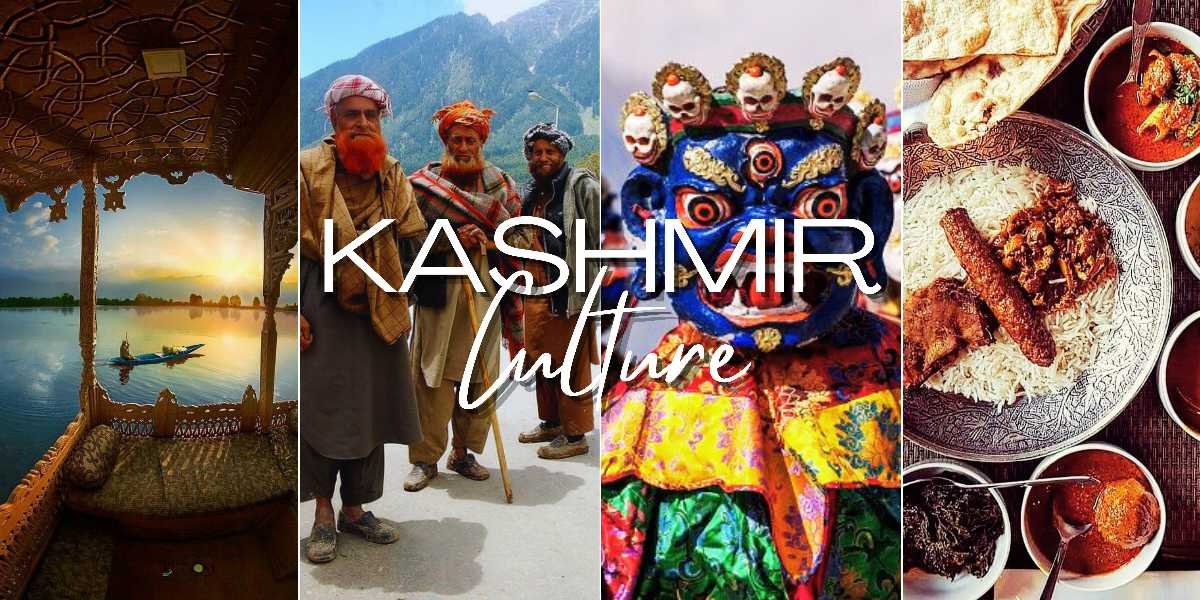
The breathtaking landscapes of Kashmir are intertwined with its complex identity and history.
Kashmiri Perspectives on Retaining the LoC
The question of whether Kashmiris would "fiercely object" to retaining the LoC in a peace process, instead of adjustments or independence for the entire Kashmir region, is complex and does not elicit a uniform response. Historically, many Kashmiris, particularly in the Valley, have viewed the LoC as an artificial barrier dividing their land, families, and culture, and have aspired for reunification or independence.
However, decades of conflict, political instability, and human suffering have also fostered a pragmatic desire for peace, security, and normalcy. Some sources suggest a "modest ambition level" among parts of the population, where the immediate concerns for safety, economic stability, freedom of movement (including across the LoC), and respect for their cultural and political rights might take precedence over maximalist political goals. If a peace process retaining the LoC could genuinely deliver:
- Lasting stability and an end to violence.
- Guarantees for human and political rights.
- Significant demilitarization and reduced military presence in daily life.
- Easier cross-LoC travel, trade, and cultural exchange.
- Meaningful autonomy and self-governance within their respective administered regions.
Then, a pragmatic acceptance, or at least a lack of fierce widespread objection, might emerge from a population weary of conflict. However, this acceptance would likely be conditional and could still face opposition from groups steadfastly committed to independence or reunification. The deep-seated aspiration for a resolution that addresses the core political grievances would remain a significant factor.
Explained: Who are the People of Kashmir?
This video offers insights into the diverse populace of Kashmir, exploring their historical and cultural backgrounds, which are central to understanding their distinct identity and aspirations. It sheds light on the human element of a region often viewed primarily through a geopolitical lens.
Elements Weaving the Kashmiri Identity
The identity of the Kashmiri people is a rich mosaic woven from several interconnected elements that distinguish it from surrounding regions.
(Koshur, Urdu, Dogri, etc.)"] id1b["Religious Syncretism
(Islam, Hinduism, Buddhism, Sufism)"] id1c["Kashmiriyat
(Pluralistic Ethos)"] id1d["Arts & Literature
(Poetry, Music, Ancient Texts)"] id1e["Cuisine
(Wazwan, Kahwa)"] id1f["Festivals & Traditions"] id2["Historical Context"] id2a["Ancient Civilization Center"] id2b["Princely State Legacy"] id2c["Post-1947 Conflict & Division"] id2d["Influence of Various Empires"] id3["Social Fabric"] id3a["Ancestral Ties & Birthright"] id3b["Community Bonds"] id3c["Regional Variations
(Valley, Jammu, Ladakh)"] id3d["Resilience & Adaptability"] id4["Economic & Lifestyle Elements"] id4a["Traditional Crafts
(Pashmina, Carpets, Papier-mâché)"] id4b["Agriculture & Saffron"] id4c["Pastoralism"] id4d["Influence of Geography
(Mountains, Valleys)"] id5["Political Aspirations"] id5a["Desire for Peace & Stability"] id5b["Self-Determination/Autonomy"] id5c["Concerns over LoC"] id5d["Human Rights & Representation"]
A mindmap illustrating the multifaceted components that constitute Kashmiri identity.
Cultural and Religious Tapestry
A Melting Pot of Faiths
Kashmir has historically been a cradle for Hinduism and Buddhism, with significant sites and philosophical contributions. The arrival of Islam, particularly through Sufi saints, led to a widespread embrace of the faith, but one that often integrated with pre-existing spiritual traditions. This resulted in a unique Sufi-influenced Islamic practice in the Valley. While the Kashmir division is overwhelmingly Muslim (around 97%), the historical region includes significant Hindu (Pandit) communities, Sikhs, and Buddhists (especially in Ladakh). This intermingling fostered Kashmiriyat, an ethos emphasizing communal harmony and a shared Kashmiri identity irrespective of religion, though this has been strained by conflict.
Linguistic Diversity
Voices of the Valley and Beyond
The primary language of the Kashmir Valley is Kashmiri (Koshur), a Dardic language with a rich literary tradition. Urdu also serves as an official and widely understood language. Other languages spoken in the broader region include Dogri (in Jammu), Ladakhi and other Tibetan dialects (in Ladakh), Gojri, Pahari, and Hindi. English is also used in administration and education. This linguistic diversity reflects the region's complex ethnic makeup.

Renowned Kashmiri Pashmina shawls, a testament to the region's exquisite craftsmanship and cultural heritage.
Ancestral Lands and Birthright
Generations of Belonging
A profound sense of belonging is derived from ancestral ties to the land and being born in Kashmir. Families often trace their lineage in the region for many generations, fostering a deep emotional and historical connection that forms a cornerstone of their identity. This connection transcends mere geography; it's about heritage and a shared past.
Unique Economic Activities and Crafts
The Artistry of Kashmir
Kashmir is world-renowned for its exquisite handicrafts, which are integral to its cultural and economic identity.
- Pashmina Wool: The region is famed for its fine Pashmina wool, derived from Changthangi goats, and the luxurious shawls and textiles woven from it. This is a highly specific and prized product.
- Carpet Weaving: Kashmiri carpets, often hand-knotted with intricate Persian-inspired designs, are highly valued.
- Papier-Mâché: Brightly painted and ornately decorated items made from paper pulp are a unique Kashmiri craft.
- Wood Carving: Walnut wood carving is another distinctive art form.
- Saffron Cultivation: Pampore in Kashmir is famous for its high-quality saffron.
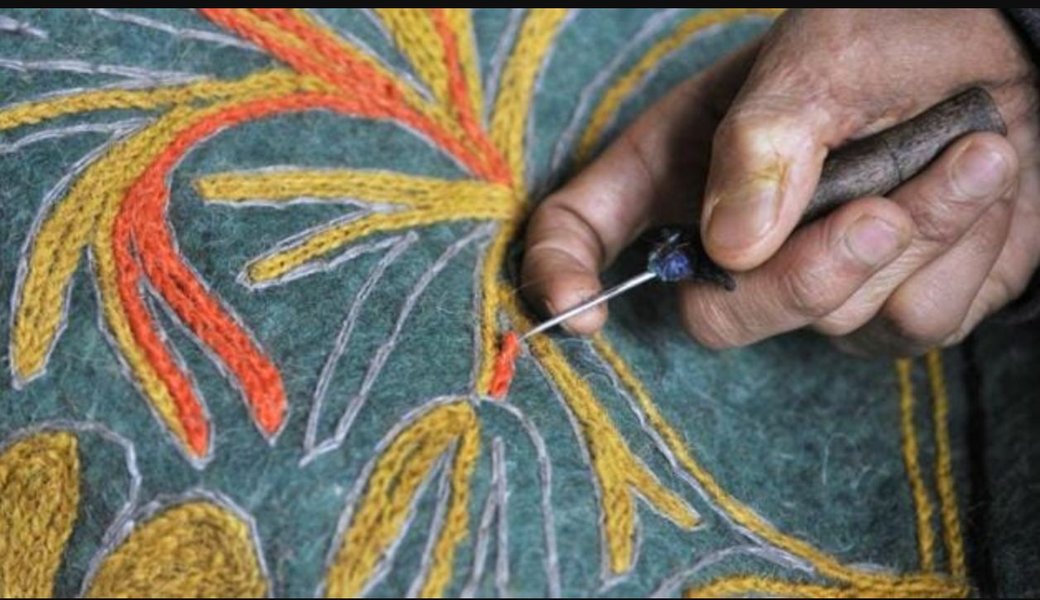
Namda, a traditional felted wool craft, is another example of Kashmir's rich textile heritage.
Distinctive Lifestyle
Life in the Mountains and Valleys
The mountainous terrain, fertile valleys, and distinct seasons (including harsh winters) have shaped a unique lifestyle. Agriculture, pastoralism, and horticulture are traditional mainstays. Kashmiri cuisine is renowned, with signature dishes like Rogan Josh, Gushtaba, and the saffron-infused tea, Kahwa. Social customs, music, dance (like Rouf), and festivals further differentiate the Kashmiri way of life.
Comparative Identity Aspects: A Visual Snapshot
To visualize how certain aspects of Kashmiri identity might compare with its diverse internal regions and neighboring countries, the following radar chart offers an illustrative representation. These are generalized assessments based on the prevailing understanding of cultural distinctiveness, historical depth, linguistic uniqueness, religious syncretism, and aspirations for autonomy, rather than precise data points. The scale is from 1 (Lower) to 10 (Higher).
This chart illustrates how the Kashmir Valley often scores highly in markers of distinct identity compared to its immediate sub-regions and generalized neighboring national identities. For instance, its cultural uniqueness, linguistic distinctiveness (Koshur), and historical drive for autonomy are prominent.
Kashmiri Regional Identities: A Comparative Overview
The broader Kashmir region is not monolithic. The table below summarizes some key differentiating identity elements across its major constituents and neighboring administered areas. This helps to understand the internal diversity within the larger "Kashmiri" umbrella.
| Region/Area | Primary Language(s) | Dominant Religion(s) | Key Cultural Features/Aspirations |
|---|---|---|---|
| Kashmir Valley (Indian-Administered) | Kashmiri (Koshur), Urdu | Islam (predominantly Sunni, significant Sufi influence) | Strong "Kashmiriyat," syncretic traditions, unique crafts (Pashmina, carpets), aspiration for autonomy/self-determination, rich literary and poetic heritage. |
| Jammu Division (Indian-Administered) | Dogri, Hindi, Punjabi, Gojri | Hinduism (majority), Islam, Sikhism | Distinct Dogra culture, various Pahari and Gujjar influences, closer alignment with broader Indian narratives for some, diverse religious landscape. |
| Ladakh (Indian-Administered Union Territory) | Ladakhi (Tibetan dialects), Balti | Tibetan Buddhism, Islam (Shia in Kargil) | Strong Tibetan cultural and religious influences, distinct monastic traditions, unique high-altitude lifestyle, focus on regional autonomy. |
| Azad Kashmir (Pakistani-Administered) | Pahari-Pothwari, Hindko, Gojri, Kashmiri, Urdu | Islam (predominantly Sunni) | Cultural ties with Punjab and Khyber Pakhtunkhwa, various ethnic groups, political alignment often reflects Pakistani national narratives. |
| Gilgit-Baltistan (Pakistani-Administered) | Shina, Balti, Burushaski, Khowar, Wakhi | Islam (Shia, Sunni, Ismaili, Noorbakhshi) | Highly diverse ethnolinguistically, unique mountain cultures, strategic importance, demands for constitutional rights and representation. |
| Aksai Chin (Chinese-Administered) | Tibetan dialects, Uyghur (minimal presence) | Tibetan Buddhism (historically, now sparsely populated) | Primarily strategic/military significance for China, largely uninhabited, culturally distinct from Kashmir Valley. |
This table underscores the rich diversity within the historical expanse of Kashmir, highlighting why a single, uniform "Kashmiri identity" can be an oversimplification, even as the Kashmir Valley's specific identity remains a powerful cultural and political force.
Frequently Asked Questions (FAQ)
How strong is Kashmiri regional identity compared to its neighbors?
Kashmiri regional identity, particularly in the Kashmir Valley, is exceptionally strong and distinct. It's rooted in a unique syncretic culture blending Hindu, Buddhist, and Sufi Islamic influences, a specific language (Koshur), and a shared historical experience. This often leads to a prioritization of Kashmiri self-determination or autonomy over integration with India or Pakistan, making it stand out from the more nationally aligned identities in many parts of neighboring India, Pakistan, or the culturally separate Chinese-administered areas.
Would Kashmiris object to retaining the Line of Control (LoC) in a peace deal?
Historically, many Kashmiris have objected to the LoC as a permanent border because it divides their land and people. However, after decades of conflict, there's also a strong desire for peace, stability, and normalcy. If retaining the LoC were part of a comprehensive peace process that guaranteed security, political rights, economic development, and freer movement across the line, some pragmatic acceptance might be possible, especially among those prioritizing an end to violence. Fierce objection would likely persist from groups advocating for full independence or reunification, but a "modest ambition" for a stable, secure life could influence broader public sentiment if tangible improvements are seen.
What are the main elements of Kashmiri identity?
Key elements include:
- Cultural and Religious Mix: A unique blend of Islamic (especially Sufi), Hindu, and Buddhist traditions, encapsulated in "Kashmiriyat."
- Languages: Kashmiri (Koshur) as the primary language in the Valley, alongside Urdu, Dogri, Ladakhi, etc., in wider regions.
- Ancestry and Birthplace: Deep historical and emotional ties to the land, with families living there for generations.
- Unique Cultural Practices: Distinctive cuisine (e.g., Wazwan, Kahwa), music, dance, literature, and architecture.
- Economic Traditions & Crafts: Renowned for Pashmina wool products, carpet weaving, papier-mâché, saffron cultivation, and wood carving.
- Lifestyle: Shaped by the mountainous geography, distinct seasons, and traditions of agriculture and pastoralism.
Is specific wool, like Pashmina, important to Kashmiri identity?
Yes, Pashmina wool and the intricate shawls and textiles made from it are extremely important to Kashmiri identity. It's not just an economic product but a significant cultural heritage item, representing centuries of specialized craftsmanship and artistry unique to the region. The production and trade of Pashmina are deeply woven into Kashmir's cultural and economic fabric.
Recommended Further Exploration
- What are the historical origins of Kashmiriyat and how has it evolved?
- How does the political status of Jammu and Ladakh differ from the Kashmir Valley within Indian administration?
- What are the socio-economic impacts of the Line of Control on communities living nearby?
- Can you detail the process of Pashmina wool production and its cultural significance in Kashmir?
References

Last updated May 20, 2025