
Disaster Analysis in Katanga Slum, Kampala
Detailed examination of flooding and crime impacts on livelihoods and community well-being
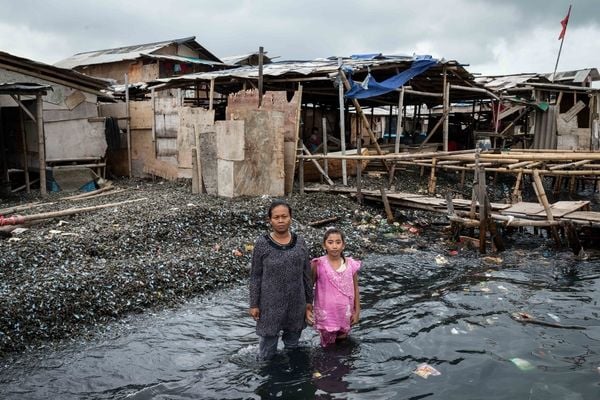
Highlights
- Flooding: Often severe, disrupts livelihoods, and poses significant health risks in Katanga due to its floodplain location.
- Crime and Violence: High prevalence in the slum creates insecurity, hampers economic activity, and particularly endangers vulnerable groups.
- Mitigation Strategies: Integrated approaches that include infrastructure improvement, community engagement, relocation, and social programs are essential.
Introduction
Katanga slum, located in the heart of Kampala, Uganda, is a densely populated area known for its unique challenges. Being situated on a floodplain and surrounded by essential urban landmarks such as Makerere University and Mulago Hospital, the community faces numerous disasters. This analysis explores the major natural disaster—flooding—and the human-made disasters—crime and violence—that critically affect Katanga. The discussion categorizes these challenges based on risk level, impact on livelihoods, and generates targeted mitigation strategies.
Major Natural Disaster: Flooding
Overview
Flooding is a recurrent natural disaster in Katanga, with its geographical position on a floodplain making it highly susceptible during the rainy season. The combination of heavy rainfall, poor drainage systems, and inadequate waste management exacerbates flood risks. Floodwater can lead to extensive damage of property, contamination of water supplies, and outbreaks of waterborne diseases.
Risk and Livelihood Impact
The flooding in Katanga presents a high risk to both life and livelihoods. The effects include:
- Property and Infrastructure Damage: Temporary and substandard housing structures are highly vulnerable, resulting in widespread destruction and displacement.
- Health Hazards: Overflowing sewage and stagnant water serve as breeding grounds for waterborne diseases such as cholera and malaria.
- Economic Disruption: Disruption of markets and local economic activities results in loss of income and long-term poverty cycles.
Mitigation Strategies
To reduce the impact of flooding in Katanga, several targeted interventions can be implemented:
- Infrastructure Improvement: Upgrade and maintain drainage systems and canals to ensure effective water runoff during heavy rains. Regular cleaning and structural enhancements are critical.
- Housing Solutions: Relocate residents from the most flood-prone areas and encourage the development of flood-resistant housing using durable and waterproof materials.
- Early Warning Systems: Deploy community-based early warning systems to alert residents of impending heavy rainfall, allowing for timely preparations.
- Environmental Management: Promote proper waste management practices to prevent blockage of drainage and reduce contamination risks.
Major Human-Made Disaster: Crime and Violence
Overview
In addition to natural hazards, Katanga faces significant challenges due to human-made disasters. High rates of crime and violence, including theft, assault, and gender-based violence, contribute to a pervasive sense of insecurity. These issues are intertwined with poverty, unemployment, and limited access to social services, which further destabilize the community.
Risk and Livelihood Impact
Crime and violence in Katanga are categorized as high-risk events with profound impact on everyday living and social stability:
- Social Insecurity: Persistent criminal activities undermine residents’ safety, disrupt community cohesion, and instill fear, particularly among women and children.
- Economic Disruption: Insecurity discourages local investments, hinders market operations, and reduces employment opportunities, further entrenching poverty.
- Psychological Impact: The stress of living in a high-crime environment leads to psychological trauma and deteriorates overall quality of life.
Mitigation Strategies
To combat crime and violence, a multifaceted approach is necessary:
- Community Policing and Security: Foster trust between law enforcement and residents through enhanced community policing initiatives and neighborhood watch programs. Regular patrols and open communication channels can build mutual trust and reduce crime.
- Youth Engagement Programs: Combat the cycle of violence by offering vocational training, educational opportunities, and employment incentives to empower young residents and reduce their involvement in criminal activities.
- Gender-Based Violence Interventions: Implement specific programs to support women and children, including counseling services, legal support, and public education campaigns that promote gender equality and safeguard vulnerable populations.
- Economic and Social Development: Encourage initiatives that provide better economic opportunities and lift the community out of poverty. Enhanced job creation and micro-financing schemes can improve local economic conditions.
Categorization of Disasters Based on Risk, Livelihood, and Impact
Both flooding and crime/violence in Katanga significantly impact the lives and well-being of its residents. These disasters can be categorized into different risk levels based on their frequency, severity, and ultimate impact on livelihoods.
| Disaster | Risk Level | Impact on Livelihood | Mitigation Strategies |
|---|---|---|---|
| Flooding | High | Extensive property damage, displacement, significant health risks due to contaminated water, and disruption of economic activities. | Drainage infrastructure improvement; relocation and construction of flood-resistant homes; early warning systems; proper waste management. |
| Crime and Violence | High | Disruption of social services and local economies, insecurity affecting women and children, and long-term psychological trauma. | Enhanced community policing; youth engagement and vocational training programs; targeted interventions for gender-based violence; improved economic opportunities. |
Additional Risk Categories and Mitigation Considerations
Medium-Risk: Disease Outbreaks
Secondary to the primary impacts of flooding, medium-risk disasters such as outbreaks of cholera and typhoid remain a serious concern in Katanga. These disease outbreaks are often initiated by contamination of water supplies during floods.
Mitigation Strategies:
- Implement robust public health campaigns to educate residents about hygiene practices and disease prevention.
- Ensure access to clean water and proper sanitation facilities.
- Establish partnerships with local healthcare providers for mobile clinics and emergency medical responses.
Low-Risk: Minor Accidents and Fires
Minor everyday hazards, such as small-scale fires or accidental injuries from unsafe infrastructural setups, are categorized as low-risk. Although these events do not have impacts as severe as flooding or crime, they nonetheless represent challenges that need consistent management and preventive measures.
Mitigation Strategies:
- Conduct regular community safety inspections.
- Provide basic safety and fire prevention education.
- Enhance local infrastructure maintenance to minimize the risk of incidents.
References
- Katanga — Hope for Life Katanga - Hope for Life
- Katanga Slum - Wikipedia
- Life in Uganda's Katanga slum - Monitor
- The Katanga Summit – Listening to the Residents - Restless
-
Research on Violence in Katanga Slum - Makerere University
Recommended Further Inquiries
 dbazekuketta.wordpress.com
 static1.squarespace.com
Last updated March 13, 2025