
How Poor Water Drainage Jeopardizes Lives in Katwe II Slums
Exploring community insights and real-life challenges of inadequate drainage
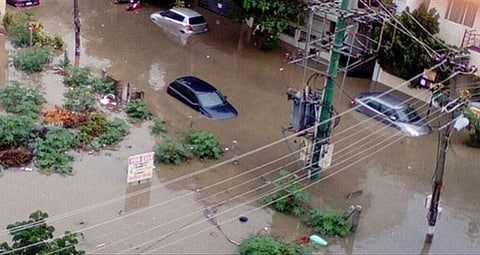
Key Highlights
- Health Hazards: Stagnant water fosters mosquito breeding, leading to diseases such as cholera, malaria, and typhoid.
- Infrastructure Damage: Flooding disrupts homes, markets, and roadways, compounding economic hardship and disconnecting communities.
- Community Impact: Inadequate drainage affects access to clean water and sanitation, impacting daily life and community cohesion.
Introduction
In the densely populated Katwe II slums of Kampala, Uganda, poor water drainage is a pervasive problem that not only compromises the physical infrastructure of the community but also significantly endangers the health, economic stability, and overall quality of life for its residents. This issue becomes particularly pronounced during the rainy season, when poor drainage systems result in frequent flooding, disruption of social and economic activities, and escalated public health risks.
Understanding the Problem Through Community Engagement
To gain a comprehensive understanding of the drainage challenges in Katwe II, direct interaction with community members is indispensable. Interviews with local residents, community leaders, and health workers highlight not only the technical inadequacies in the drainage systems but also the profound human impact these issues cause. The residents report regular episodes of flooding, causing both immediate and long-term problems that ripple through every aspect of their lives.
Insights from Local Voices
Daily Struggles and Health Concerns
Community conversations reveal that after heavy rains, the streets and alleys become inundated with stagnant water, which then becomes a breeding ground for mosquitoes and other disease-carrying vectors. A local community leader emphasized:
"Flooding is a recurring problem here. During heavy rains, not only do homes endure significant damage, but the rising water also creates unsafe conditions that expose residents, especially children, to diseases like malaria and cholera."
Health workers in the area report increases in waterborne and vector-borne diseases during prolonged rainy periods. They note that areas with clogged drainage channels see a higher incidence of illnesses due to contaminated water mixing with waste and pollutants.
Economic and Social Disruptions
The economic impact of poor drainage extends beyond immediate property damage. Many small-scale vendors and business owners in Katwe II rely on daily sales in open markets. Flooding disrupts these activities, leading to a loss of income and destabilization of livelihoods. One local vendor stated:
"When the streets flood, our stalls are washed away and we are forced to close our businesses. This not only affects our income but also interrupts the flow of essential goods across the community."
Additionally, the combined effect of health risks and economic instability undermines community morale. Displacement due to recurring flooding often leads families to temporarily leave their homes, straining social bonds and diminishing the local economic infrastructure.
Infrastructure and Accessibility Issues
Poor water drainage causes substantial damage to the physical infrastructure. Local residents draw attention to eroded roads, damaged sewer systems, and the frequent destruction of community spaces. This damage exacerbates the problem by hindering the response capabilities during emergencies. A community leader remarked:
"Our drainage channels are clogged with waste, making it nearly impossible for water to flow correctly, which in turn destroys the little infrastructure we have put together to sustain our community."
The damage also complicates access to critical services such as healthcare and education. For instance, flooding can prevent children from reaching schools and restrict residents’ access to health facilities, especially in dangerous weather conditions.
Detailed Analysis and Community Data
Key Factors Contributing to Poor Water Drainage
- Inadequate Drainage Infrastructure: The absence of professionally designed drainage systems results in water stagnation and overflow during rains.
- Improper Waste Disposal: The habit of dumping solid waste in drainage channels significantly reduces the efficiency of water flow, leading to blockages.
- High Population Density: Overcrowding increases the volume of water runoff, overwhelming the already insufficient drainage facilities.
- Lack of Community Maintenance: Limited local initiatives in maintaining drainage channels exacerbate the problem, raising both the health and economic stakes.
Impact on Community Health and Well-being
The continuous presence of flooding and stagnant water directly translates to higher risks of waterborne diseases such as cholera and typhoid, as well as vector-transmitted diseases like malaria. The nutritional status of children is compromised by the prevalence of disease, leading to broader concerns in public health. Moreover, damp and unsanitary living conditions contribute to the spread of infections, placing an undue burden on already strained local health services.
Experts stress that beyond the immediate risk of infections, the psychological impact of living under constant threat of flooding—such as stress and depression—cannot be ignored. The disruption of normal life also interferes with education and employment, both of which are crucial for the community's socioeconomic development.
A Comprehensive Table of Challenges and Effects
| Problem Areas | Direct Effects | Long-term Impact |
|---|---|---|
| Health Risks |
|
|
| Infrastructure |
|
|
| Economic Impact |
|
|
| Social and Psychological Effects |
|
|
Recommendations Based on Community Feedback
Infrastructure Enhancement
Upgrading Drainage Systems
Community members consistently emphasize the urgent need to install robust drainage systems designed to effectively channel water away from residential zones. By integrating modern civil engineering solutions, including the construction of larger, properly graded channels and retention basins, the community could significantly reduce the risk of flooding.
Local authorities and NGOs could collaborate to develop projects that not only clear clogged drainage but also maintain them through periodic clean-ups. Investments in sustainable wastewater management and drainage improvements could serve the twofold purpose of mitigating flood risks and enhancing overall public health.
Community Engagement and Education
Mobilizing Local Knowledge
In addition to physical infrastructure improvements, many community members stress the value of engaging the local population in maintenance activities. Establishing community committees to monitor drainage, organize clean-up drives, and educate residents on proper waste disposal methods can foster a proactive culture of environmental stewardship.
Health education initiatives emphasizing the need for clean surroundings and regular upkeep can go a long way in reducing the vector breeding sites. This, in turn, will help to lower the rates of disease transmission and ensure that residents are aware of best practices in sanitation.
Economic and Social Interventions
Supporting Local Businesses
Given that flooding and poor drainage directly affect local economics, targeted support for small businesses during rainy seasons is critical. Governments and NGOs can offer temporary economic aid, supply resources to repair damage, or create contingency plans to help minimize disruptions to daily commerce. Such economic interventions would not only provide immediate relief but also contribute to long-term urban resilience.
Moreover, establishing accessible flood warning systems and emergency planning can lessen the socioeconomic impact. Ensuring that all community members have timely and accurate information would improve response times and reduce property damage.
Strategies for Long-Term Resilience
Integrated Urban Planning
Addressing the challenge of poor drainage in Katwe II slums requires a holistic approach that integrates urban planning with community development. Planners should consider designing neighborhoods with environmental resilience in mind—incorporating green spaces, permeable pavements, and sustainable drainage systems into future development projects. Such measures will significantly reduce runoff stress and create an environment that is better able to absorb heavy rainfall.
Local governments should coordinate with urban planners, engineers, and community stakeholders to ensure that development plans:
- Factor in climate projections and potential extreme weather conditions.
- Incorporate public spaces that double as flood mitigation zones.
- Ensure that waste management systems are aligned with drainage requirements to prevent blockages.
This integrated approach will lead to a more adaptable city infrastructure, reducing future vulnerabilities and enhancing the community's overall resilience.
Further Insights and Comparative Analysis
Examining other urban slums facing similar challenges provides valuable insights. For instance, communities in comparable settings have implemented localized drainage maintenance programs with the support of NGOs. These programs involve routine clearing of drainage channels, community-based monitoring, and the introduction of environmentally friendly waste disposal practices.
While the scale of implementation in Katwe II is still emerging, early indications suggest that empowering community members to take charge can result in noticeable improvements. Strategies such as these not only provide immediate relief by clearing blockages but also promote long-term community ownership of local infrastructure projects.
Comparative Table: Drainage Solutions and Outcomes
| Initiative | Key Actions | Reported Outcomes |
|---|---|---|
| Community-Led Clean-up Drives |
|
|
| Government-NGO Partnerships |
|
|
| Urban Resilience Projects |
|
|
References and Additional Resources
Below is a list of some key resources that provide additional context and data on the challenges faced by the Katwe II community regarding poor water drainage:
- Uganda Country Brief - ISCollab
-
Nutrition, Water, Sanitation & Hygiene Assessment among Urban Poor Children - Global Waters
- Community Case Study Report on Katwe II - ISCollab
- Uganda Heavy Downpour Floods Batter Kampala - ReliefWeb
- KCCA Steps Up Efforts to Rid Slums of Spilling Sewage - Monitor Uganda
Recommended Related Queries for Further Exploration
To gain deeper insights into the challenges and potential solutions surrounding water drainage issues in urban slums, consider exploring the following related queries:
Last updated March 24, 2025