
Unlock Ancient Secrets: What Hidden Knowledge Lies Within Gnostic Scriptures?
Discover the profound Gnostic quest for inner truth and liberation from the material world.
Highlights: Key Gnostic Insights
- Gnosis as Salvation: The core insight is that salvation comes not through faith or ritual, but through gnosis – a secret, intuitive, experiential knowledge of the divine.
- Radical Dualism: Gnostic texts reveal a stark conflict between the pure, spiritual realm of the true God and the flawed, illusory material world created by a lesser deity (the Demiurge).
- The Trapped Divine Spark: Humans possess a fragment of the divine ('spark') trapped within the material body, and gnosis is the key to awakening this spark and escaping the material prison.
Journey into Gnosis: Understanding the Core Message
Beyond Faith: The Pursuit of Divine Knowledge
Gnostic scriptures, a diverse collection of ancient texts primarily discovered in the Nag Hammadi library in Egypt in 1945, offer a radical alternative to mainstream religious thought. Their central, unifying theme revolves around gnosis (Greek: γνῶσις), a term typically translated as "knowledge." However, this isn't mundane, intellectual knowledge. Gnosis, in the context of these scriptures, refers to a profound, secret, and often mystical or intuitive understanding of spiritual truths.
Unlike orthodox Christian traditions that often emphasize salvation through faith, grace, and adherence to doctrine and sacraments, Gnosticism posits that liberation and true salvation are achieved through this special, experiential knowledge. Gnosis is the key that unlocks the understanding of one's true divine origin, the nature of the cosmos, and the path to escaping the limitations and illusions of material existence.
The Role of the Revealer
Many Gnostic texts feature a Christ figure, often distinct from the historical Jesus of orthodox belief. This Gnostic Christ is primarily a divine messenger or revealer who descends from the higher spiritual realm not necessarily to atone for sins in the traditional sense, but to impart the crucial gnosis needed to awaken the dormant divine consciousness within humanity. Figures like Jesus, Seth, or Sophia (Wisdom) act as guides, offering cryptic sayings, parables, and revelations designed to trigger inner enlightenment.
A Universe Divided: The Gnostic View of Reality
Spirit vs. Matter: The Cosmic Conflict
A fundamental insight presented across many Gnostic scriptures is a stark dualistic worldview. Reality is seen as divided into two opposing realms:
- The Spiritual Realm (Pleroma): The transcendent, perfect, and purely good domain of the ultimate, unknowable God. This is the true home of the divine essence.
- The Material World: The physical cosmos, including human bodies, which is viewed as fundamentally flawed, corrupt, illusory, and sometimes inherently evil. It is a realm of darkness, ignorance, and suffering.
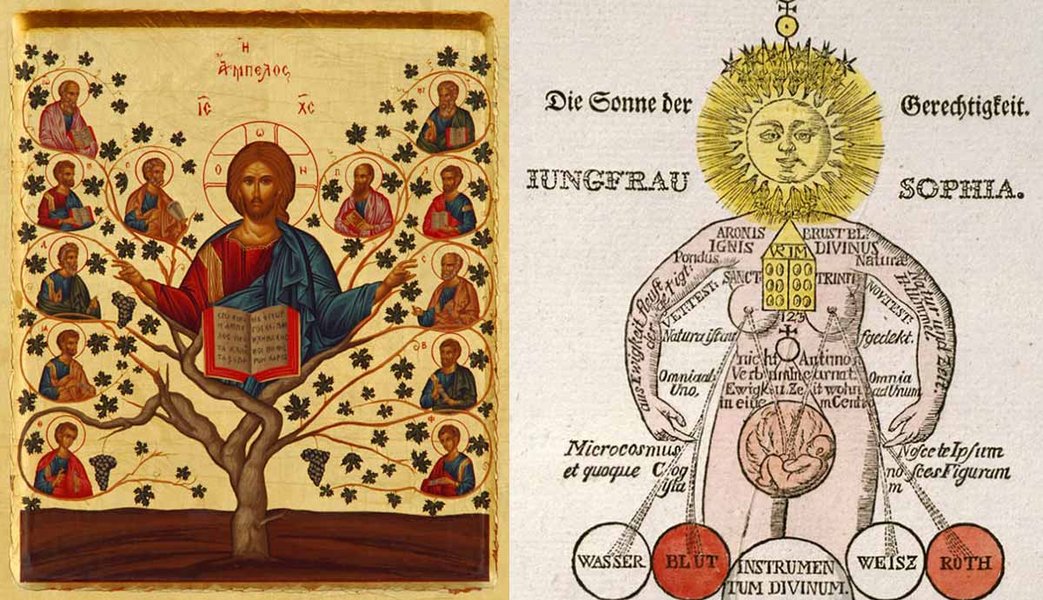
Gnosticism offered alternative interpretations that diverged significantly from emerging orthodox Christianity.
The Demiurge: The Flawed Creator
Crucially, Gnostics did not believe the material world was created by the highest, true God. Instead, texts like the Apocryphon of John attribute its creation to a lesser, often ignorant or malevolent entity known as the Demiurge (sometimes identified with the God of the Old Testament, named Yaldabaoth, Saklas, or Samael in various texts). This Demiurge, unaware of the true God above him, imperfectly fashioned the physical universe and trapped divine elements within it. This belief underpins the Gnostic rejection of the material world as a prison or an error, rather than a fundamentally good creation.
The Divinity Within: Awakening the Trapped Spark
Remembering Our True Nature
Central to Gnostic anthropology is the belief that humans (or at least, certain humans) carry within them a "divine spark" – a fragment or emanation of the true God from the spiritual Pleroma. This spark has "fallen" or become entrapped within the material body and the ignorance imposed by the physical world and its Archons (servants of the Demiurge).
The human condition, according to Gnosticism, is one of spiritual amnesia or intoxication – forgetting one's divine origin and true identity. The purpose of life, therefore, is not adherence to external laws or rituals, but the inward journey of self-discovery to awaken this latent spark. Gnosis is the means by which individuals remember who they are, where they came from, and how to return to their divine source.
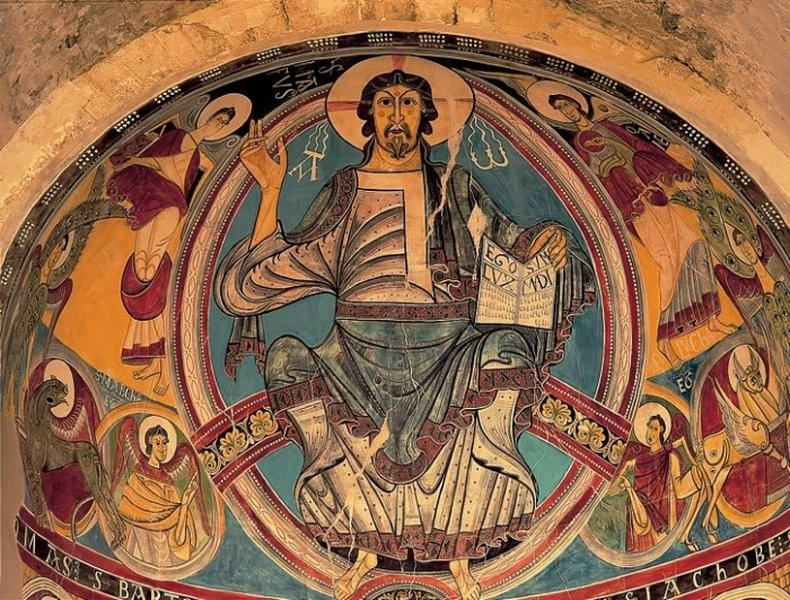
Gnostic thought emphasized inner knowledge and spiritual awakening.
Salvation as Liberation
Salvation in Gnosticism is fundamentally about liberation – freeing the divine spark from the confines of the material body and the deceptive cosmos ruled by the Demiurge. This is achieved through the illuminating power of gnosis, which dispels ignorance, breaks the chains of fate or reincarnation (depending on the specific Gnostic school), and allows the soul or spirit to ascend back to the Pleroma upon physical death. It is an intensely personal and experiential path, often contrasting with communal or institutionally mediated salvation models.
Exploring the Gnostic Library: Key Texts and Ideas
Mapping the Landscape of Gnostic Thought
The Nag Hammadi library, along with other discoveries like the Berlin Codex, provides our primary access to Gnostic scriptures. These texts vary widely in style and specific doctrines but share the core themes discussed. The mindmap below illustrates the interconnectedness of key concepts and influential texts within Gnosticism.
(Sayings of Jesus)"] id2b["Apocryphon of John
(Creation Myth, Cosmology)"] id2c["Gospel of Mary
(Role of Mary Magdalene, Inner Vision)"] id2d["Gospel of Truth
(Nature of Ignorance & Knowledge)"] id2e["Treatise on the Resurrection"] id3["Central Goal"] id3a["Awakening Inner Divinity"] id3b["Escape from Material World"] id3c["Return to the Pleroma (Spiritual Fullness)"] id4["Influential Figures"] id4a["Revealer Christ/Jesus"] id4b["Sophia (Wisdom)"] id4c["Seth"] id4d["Mary Magdalene"]
This mindmap provides a visual overview of the central pillars of Gnostic thought as expressed in its key scriptures. It highlights the emphasis on inner knowledge (Gnosis), the dualistic understanding of reality, the concept of an inner divine spark, and the ultimate goal of liberation from the material realm to reunite with the divine source, often detailed in specific texts found within the Nag Hammadi collection.
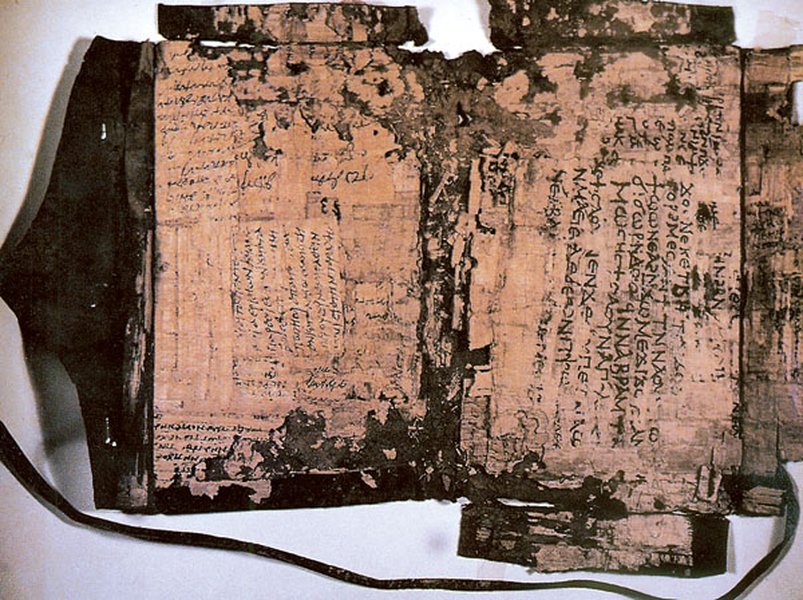
The Nag Hammadi Codices, discovered in 1945, are the primary source for many Gnostic texts.
Thematic Emphasis in Gnostic Texts
Comparing Focus Across Key Scriptures
While sharing core ideas, different Gnostic texts emphasize certain aspects more than others. The radar chart below offers a subjective visualization of the relative prominence of key Gnostic themes in some major scriptures. The scores (on a scale where higher means more emphasis) reflect general scholarly interpretations of the primary focus within each text.
This chart illustrates, for example, how the Gospel of Thomas strongly emphasizes Gnosis and the sayings of the Revealer (Jesus), while the Apocryphon of John provides a detailed account of the Dualistic cosmology, the Demiurge, and the role of Sophia (Feminine Divine). The Gospel of Truth focuses heavily on the nature of Gnosis versus ignorance. Understanding these nuances helps appreciate the diversity within Gnostic thought.
Gnosticism vs. Orthodoxy: A Comparative Glance
Contrasting Worldviews
The insights from Gnostic scriptures often stood in stark contrast to the developing doctrines of orthodox Christianity. The table below summarizes some key differences:
| Concept | Gnostic Perspective | Orthodox Christian Perspective |
|---|---|---|
| Nature of God | Ultimate God is transcendent, unknowable, distinct from the creator-god (Demiurge). Strong dualism. | One God, Creator of all things (heaven and earth), fundamentally good. Monotheism. |
| Creation/Material World | Material world is flawed, illusory, or evil; a prison created by a lesser deity (Demiurge). | Material world is fundamentally good, created by God, though fallen due to sin. |
| Human Nature | Humans possess a divine spark (good) trapped in a material body (problematic/evil). Ignorance is the core problem. | Humans created in God's image, body and soul united (good), but fallen due to original sin. Sin is the core problem. |
| Jesus Christ | Primarily a divine revealer of gnosis; often seen as spirit appearing human, divinity emphasized over humanity, role is enlightenment. | Fully God and fully human (hypostatic union); Savior who died for sins and resurrected bodily. Role is atonement and redemption. |
| Salvation | Achieved through secret knowledge (gnosis), leading to liberation of the spirit from matter. Focus on enlightenment. | Achieved through faith in Jesus Christ, grace, sacraments, repentance from sin. Focus on redemption and resurrection. |
| Scripture/Authority | Emphasis on esoteric texts, personal revelation, and inner experience. Often rejects Old Testament God. | Emphasis on canonical scriptures (Old and New Testaments), apostolic tradition, and Church authority. |
This table highlights the fundamentally different frameworks through which Gnosticism and Orthodox Christianity approached questions of divinity, existence, and salvation.
Glimpses into Gnostic Teachings
Understanding the Ancient Movement
To grasp the essence of Gnosticism, it's helpful to hear concise explanations of its core tenets. The video below provides a brief introduction to the Gnostic movement, touching upon its emphasis on esoteric knowledge and its place in ancient religious history.
This video, "Gnosticism - Everything you need to Know (In 3 Minutes)," serves as a quick primer on the Gnostic emphasis on hidden or esoteric knowledge (gnosis) as the pathway to spiritual enlightenment. It contextualizes Gnosticism as an ancient religious movement with distinct ideas about God, the world, and salvation, aligning with the core insights drawn from the scriptures themselves—namely, the centrality of gnosis and the dualistic worldview.
Frequently Asked Questions (FAQ)
What exactly is "Gnosis"?
Gnosis is a Greek word for "knowledge," but in the Gnostic context, it signifies a special kind of knowledge: intuitive, experiential, and salvific. It's not intellectual learning but a direct, personal realization of divine truths, particularly one's own divine nature and the path to liberation from the material world. It's often described as secret knowledge revealed to initiates.
Who is the "Demiurge"?
In many Gnostic systems, the Demiurge (Greek for "craftsman") is a lesser divine being who created the physical, material universe. This entity is often portrayed as arrogant, ignorant of the true, higher God, and sometimes malevolent. Gnostics distinguished this flawed creator from the ultimate, transcendent God of the spiritual realm (Pleroma). Some Gnostic texts identify the Demiurge with the God depicted in the Old Testament.
How does Gnosticism fundamentally differ from mainstream Christianity?
Key differences include:
- Path to Salvation: Gnosticism emphasizes salvation through secret knowledge (gnosis); Christianity emphasizes salvation through faith in Jesus Christ, grace, and sacraments.
- View of Creation: Gnosticism often views the material world as flawed or evil, created by a lesser god; Christianity views creation as fundamentally good, made by the one true God.
- Nature of God: Gnosticism posits a radical dualism between the ultimate God and the creator Demiurge; Christianity affirms one God who is the Creator.
- Nature of Jesus: Gnostic views vary, often seeing Jesus as a spirit or revealer of gnosis; Christianity affirms Jesus as fully God and fully human, who died for sins.
- Problem of Humanity: Gnosticism sees ignorance as the core problem; Christianity sees sin as the core problem.
What are the most important Gnostic texts?
The Nag Hammadi library is the most significant collection. Important texts include:
- The Gospel of Thomas: A collection of sayings attributed to Jesus, emphasizing inner knowledge.
- The Apocryphon of John: Details Gnostic cosmology, the creation myth involving the Demiurge and Sophia, and the path of liberation.
- The Gospel of Truth: A meditative text likely associated with Valentinus, focusing on gnosis overcoming ignorance.
- The Gospel of Mary: Highlights the role of Mary Magdalene as a prominent disciple who received special revelations.
- On the Origin of the World: Another text detailing cosmology and the role of the Demiurge and Archons.
References
- Gnosticism - World History Encyclopedia
- Gnosticism Definition and Beliefs Explained - Learn Religions
- The Gnostic World View: A Brief Summary of Gnosticism - The Gnosis Archive
- Gnosticism - Wikipedia
- The Story Of The Storytellers - The Gnostic Gospels - PBS Frontline
- Gnosticism | Internet Encyclopedia of Philosophy
- 10 Essential Texts for Understanding Esoteric Gnosis - Reality Pathing
Recommended Reading
 danielpaulschnee.wordpress.com

 static1.squarespace.com
 ogdoas.wordpress.com
Last updated April 19, 2025