
Comprehensive Keyboard Instruction Manual
Your complete guide to using, maintaining, and troubleshooting keyboards
Highlights
- Understanding Key Types – Detailed overview of alphanumeric, function, navigation, and special keys.
- Step-by-Step Setup & Maintenance – Instructions on properly connecting, cleaning, and troubleshooting your keyboard.
- Resourceful Manuals & Online Support – Guidance on locating manufacturer manuals and community resources for additional help.
Introduction to Keyboard Instruction Manuals
Keyboards are an essential input device utilized in both musical and computer contexts. Whether you are using a musical keyboard for performance and practice or a computer keyboard for everyday typing tasks, having a comprehensive instruction manual on hand is invaluable. This guide provides a detailed overview of the various types of keyboards, their components, and user-friendly instructions for setup, use, and maintenance.
In this manual, we address several common topics: the structure and layout of keyboards, the functionalities of various keys, safety guidelines, cleaning, troubleshooting, and reliable resources where you can download or view a manual for your specific keyboard model. By following these guidelines, you are equipped with the essential knowledge to maximize the lifespan and performance of your keyboard.
Understanding Keyboard Types & Layouts
Keyboards can generally be categorized into two major groups: computer keyboards and musical keyboards. Each category has its unique features, key layouts, and functionalities. Below is an overview of the specific types and layouts:
Computer Keyboards
Computer keyboards are designed primarily for inputting data and commands into digital devices. They come in various types, such as:
- Mechanical Keyboards: Known for their tactile feedback and durability, these keyboards have individual mechanical switches under each key.
- Membrane Keyboards: Feature a soft, pressure-sensitive membrane that registers key presses, making them quieter but less tactile.
- Wireless Keyboards: Operate without cables, connecting via Bluetooth or other wireless technologies.
- Gaming Keyboards: Often include customizable keys, backlighting, and high polling rates tailored for gaming environments.
Musical Keyboards
Musical keyboards are used in performances, rehearsals, and music education. They offer features that cater to various functions, such as:
- Digital Pianos: Emulate the feel and sound of an acoustic piano with weighted keys and high-quality sound samples.
- Synthesizers: Focus on sound synthesis with an array of tonal and modulation options that allow for complex sound creation.
- Electronic Keyboards: Versatile instruments that may cover both performance and learning, often offering a variety of sounds and built-in learning modules.
Keyboard Structure and Key Functions
Standard Layout Components
Regardless of the type, most keyboards share a common layout structure designed for efficiency and ergonomic comfort. Understanding these components is essential for mastering keyboard functionality.
Alphanumeric Keys
The alphanumeric section consists of the letters, numbers, and primary symbols used for standard text input. This section is the most frequently used and forms the core of any typing exercise.
Function Keys
Located at the top of computer keyboards, function keys (F1 to F12) offer shortcuts to system commands and functions. They may control brightness, volume, or open help dialogs, depending on the system.
Navigation Keys
Navigation keys such as Home, End, Page Up, and Page Down facilitate movement within documents and webpages. They are essential for efficient editing and browsing.
Modifier Keys
Modifier keys, including Shift, Ctrl, Alt, and sometimes the Windows or Command key, provide additional functionalities when used in combination with other keys. They can transform lower-case letters into uppercase and invoke special command sequences (e.g., Ctrl+C for copying).
Numeric Keypad
The numeric keypad is typically found on the right side of full-size keyboards and is designed for numeric data entry. It mirrors a calculator’s layout, enhancing efficiency for mathematical operations.
Detailed Setup and Operation Guide
Initial Setup
Before you start using your keyboard, whether for a computer or musical instrument, it is crucial to ensure proper setup. Here are the steps for a successful installation:
For Computer Keyboards
- Unboxing and Inspection: Carefully unbox the keyboard and check for any physical damage, ensuring all keys and cables (if applicable) are intact.
- Connection: Connect the keyboard to the computer using the USB cable or pair it via Bluetooth if it is a wireless device. For wired connections, make sure the USB port is functioning properly.
- Driver Installation: Most modern operating systems automatically recognize and install the necessary drivers; however, consult the manufacturer’s website for any specialized software or drivers that might be required.
- Initial Testing: Launch a text editor to test the response of all keys. Verify that special function and multimedia keys are working as expected.
For Musical Keyboards
- Power Source: Ensure the keyboard is connected to a suitable power source or that fresh batteries are installed if applicable.
- Audio Connection: Connect audio output via an amplifier, headphones, or directly to a computer interface if you plan to record or utilize digital software for sound editing.
- Sound Settings: Review the onboard settings to select your preferred tone, instrument sounds, and any pre-programmed rhythms.
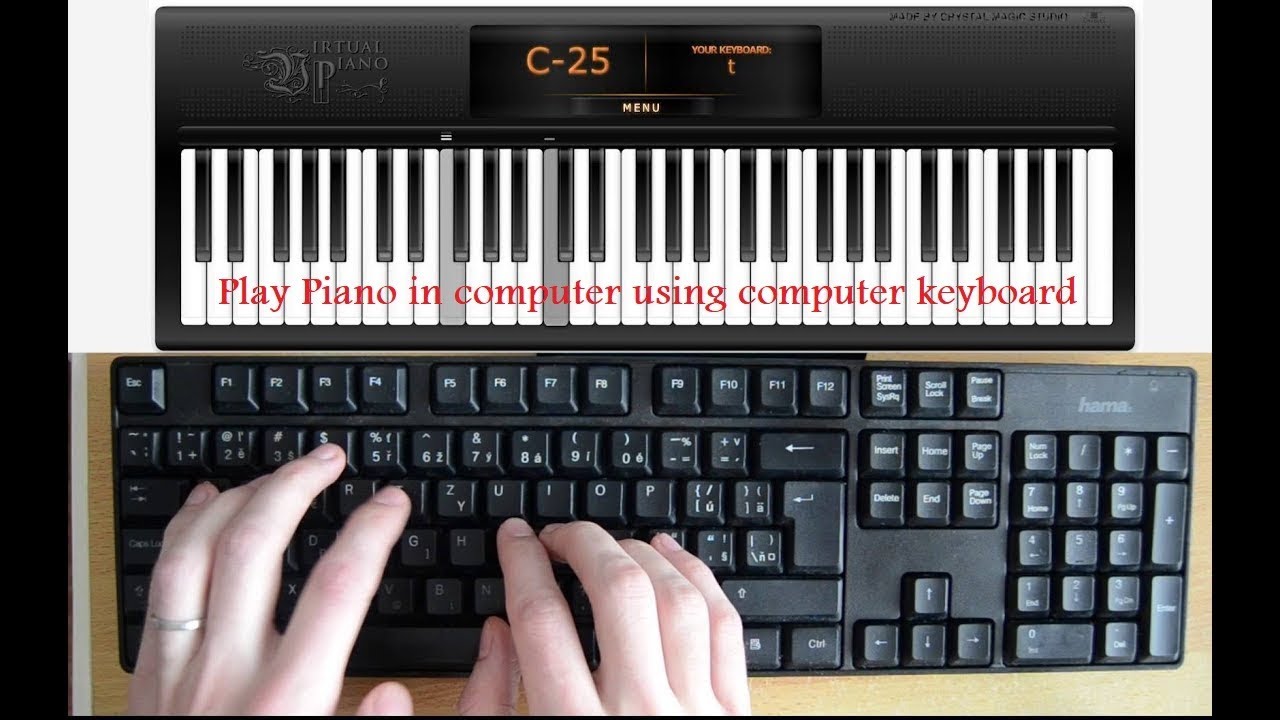
- Tutorial Mode: Many modern keyboards include a built-in tutorial mode or lesson guide. Activate this feature to familiarize yourself with the layout and functionality of the instrument.
Following the initial setup guidelines ensures that you get the most out of your keyboard and avoid common pitfalls during the installation phase.
Operational Instructions and Key Functions
Computer Keyboard Operations
Once your computer keyboard is set up, the following instructions will guide you through efficient usage:
Typing and Editing
Simple keystrokes translate into commands and text entries. The primary function includes typing letters and numbers. Special keys, such as Backspace and Delete, facilitate text editing by eliminating errors or unwanted characters.
Modifier Key Functions
The Shift key temporarily modifies the case of letters, while the Caps Lock key locks them into uppercase. Keys such as Ctrl and Alt, used in combination with other keys, unlock system commands like copying (Ctrl+C), pasting (Ctrl+V), and printing (Ctrl+P).
Navigating Documents
Navigation keys help in moving the cursor quickly within documents or web pages. The Home key returns the cursor to the beginning of a line, while the End key moves it to the line's end. Page Up and Page Down facilitate swift scrolling in lengthy documents.
Musical Keyboard Operations
Musical keyboards combine technical operation with artistic performance. Their operation gets defined by the following functions:
Playing and Performance
To play musical notes, simply press the keys. Many keyboards have velocity-sensitive keys, meaning the force with which a key is pressed can affect the sound intensity and character.
Tone and Sound Selection
Musical keyboards come with presets that emulate various instruments. Use dedicated control buttons or an on-screen interface to switch between piano, organ, synth, and other available timbres.
Built-in Learning Tools
Many modern electronic keyboards incorporate tutorial modes. These features assist beginners by providing visual cues and feedback on finger placement and timing, effectively streamlining the learning process.
Maintenance, Safety, and Troubleshooting
Proper care and regular maintenance can significantly prolong the lifespan of both computer and musical keyboards. Here, we detail a collection of useful maintenance practices and troubleshooting steps.
Maintenance Best Practices
Regular Cleaning
It is critical to keep your keyboard free of dust, debris, and spills.
- Dust Removal: Use a soft, lint-free cloth or specialized cleaning tools. For computer keyboards, compressed air can help dislodge particles beneath the keys.
- Surface Cleaning: For both types, switch off the device and gently wipe the surfaces. Avoid harsh chemicals that could damage key inscriptions or finishes.
- Deep Cleaning: In case of spills, disconnect power sources immediately. Allow the keyboard to dry fully before reactivation to prevent electrical shorts or damage.
Safe Handling
Operating your keyboard safely is paramount.
- Ensure that all connections are secure. For computer keyboards, this means checking that cables are fastened correctly.
- With musical keyboards, avoid exposing the instrument to moisture and extreme temperatures, as these conditions can affect both the electronics and sound quality.
Troubleshooting Common Issues
For Computer Keyboards
Some common issues and their remedies include:
- Keys Not Registering: Clean the affected keys with a soft brush and ensure no debris is interfering with key function.
- Connectivity Issues: Check that your keyboard is securely connected; try switching USB ports or resetting Bluetooth pairing.
- Lag or Delay in Response: Verify that your computer’s drivers are updated and free of conflicts. A routine cleaning might also alleviate lag by removing obstructive dust.
For Musical Keyboards
Common troubleshooting steps include:
- No Sound Output: Ensure the audio connections are properly set up, check the volume settings, and confirm that the keyboard is not muted.
- Unresponsive Keys: Restart the device after a thorough cleaning. In cases of repeated issues, consult the manufacturer’s troubleshooting guide.
- Firmware or Software Issues: Visit the manufacturer’s website to check for firmware updates or additional support documentation.
Keyboard Instruction Manual Resources and Online Guides
Numerous resources are available to further assist you. Whether you are troubleshooting an issue or seeking detailed instructions on key functions, these online platforms offer manuals and guides that are both comprehensive and user-friendly.
Notable Online Resources
A number of websites provide downloadable keyboard manuals in PDF format and other digital forms. These include:
- Casio and Yamaha: Locate specific manuals for musical keyboards via the official manufacturer’s site. These manuals provide detailed instructions on tone selection, connection methods, and safe operation.
- Logitech & Apple: For computer keyboards, manufacturer support pages offer troubleshooting guides, feature activation instructions, and customization tips.
- WhatGeek and Manualsnet: Community-supported platforms that offer a wide collection of electronic, mechanical, and specialized keyboard manuals.
Comprehensive Keyboard Overview Table
The table below summarizes the key aspects and differences between various keyboard types alongside their corresponding functionalities:
| Keyboard Type | Key Components | Key Functions | Primary Use |
|---|---|---|---|
| Computer Keyboard (Mechanical) | Alphanumeric, Function, Navigation, Modifier, Numeric Keypad | Typing, Shortcuts, Data Input | General computing, Gaming |
| Computer Keyboard (Membrane) | Alphanumeric, Function, Navigation, Modifier | Typing, Basic Navigation, Multimedia Control | Office work, Everyday computing |
| Musical Keyboard (Digital Piano) | Weighted Keys, Tone Selectors, Pitch/Modulation Controls | Playing Musical Notes, Sound Emulation | Music performance, Education |
| Musical Keyboard (Synthesizer) | Multi-Function Keys, Sound Modulation, Effects | Sound Design, Composition, Live Performance | Music production, Experimental compositions |
Additional Tips and Best Practices
To further enhance your experience with your keyboard, consider the following advanced tips:
Keyboard Customization
Many keyboards offer customization options that allow you to tailor your typing or playing experience. For computer keyboards, software solutions enable you to program macros, remap keys, and adjust lighting. Musical keyboards may include the ability to save preset sounds, adjust the sensitivity of keys, and integrate with digital audio workstations (DAWs) for recording and editing.
Learning and Skill Development
Utilizing built-in learning tools or external tutorials can significantly boost your proficiency. Beginners should experiment with tutorial modes provided by modern digital pianos and synthesizers, while advanced users might explore deeper customized settings that allow integration with music software for enhanced performance.
Software and Firmware Updates
Regularly check the manufacturer's website for any software or firmware updates that can improve compatibility, add new features, or resolve known issues. This proactive approach will help maintain the optimal performance of your keyboard.
Remember, an updated keyboard is not only more secure but also provides a more fluid user experience, whether you are editing documents or composing music.
References
-
Keyboard Manuals / Instruction Manuals: Find Them Online - KeytarHQ
- Logitech Keyboard User Manuals Download - ManualsLib
- Electronic Musical Instrument Manuals - CASIO
- Apple Keyboard Manuals and Downloads - Apple Support
- Mechanical Keyboard Manuals - WhatGeek
Recommended Queries for Further Exploration
 m.media-amazon.com
 cdn.competec.ch
Last updated March 21, 2025