
What to Know About Passing a Kidney Stone
A comprehensive guide to understanding and managing kidney stones
Highlights
- Hydration is Essential: Drinking 2-3 quarts of water daily dilutes urine and encourages stone passage.
- Pain Management and Activity: Managing pain with medication and staying active aids stone movement.
- Medical Interventions and Prevention: Understanding when to seek help and making dietary adjustments can prevent future stones.
Introduction
Passing a kidney stone is a process that can range from mildly uncomfortable to extremely painful. Kidney stones are hard deposits of minerals and salts that form inside the kidneys when urine becomes concentrated. Their journey from formation to elimination involves a series of stages, each with its own set of symptoms and management strategies. In this guide, we delve into the science behind kidney stone formation, the signs and symptoms you may experience, techniques to facilitate the stone’s passage, and methods to prevent their recurrence. This comprehensive resource is designed to equip you with detailed, actionable insights into handling the entire kidney stone passage process, and determining when to seek professional medical intervention.
Understanding Kidney Stones
Formation and Composition
Kidney stones originate when the substances in urine—such as calcium, oxalate, and uric acid—become overly concentrated, crystallizing and bonding together. The process of stone formation is usually gradual and not typically accompanied by pain until the stone starts its movement. The composition of the stone can vary, with some stones being primarily calcium-based while others may consist of uric acid or even struvite.
Factors Contributing to Stone Formation
Several factors can increase the likelihood of kidney stone formation:
- Dehydration: Insufficient fluid intake results in concentrated urine, encouraging crystal formation.
- Diet: High salt and animal protein consumption can predispose individuals to stone formation.
- Genetics: Family history plays a significant role in determining the risk of developing kidney stones.
- Medical Conditions: Conditions such as urinary tract infections can contribute to the formation of certain types of stones.
Stages of Stone Passage
1. Stone Dislodgement
In many cases, the stone initially remains in the kidney without causing any discomfort. Pain typically begins when the stone dislodges and starts its journey via the urinary tract, often entering the ureter—the narrow tube connecting the kidney to the bladder. As the stone travels through the ureter, it can cause irritation, leading to severe pain that tends to come in waves.
2. Ureteral Passage and Onset of Pain
As the stone rubs against the ureter's walls, pain intensifies. Beyond pain, you might notice additional symptoms such as nausea, vomiting, frequent pressing need to urinate, and even blood in the urine (hematuria) due to irritation and minor injury of the urinary tract lining.
3. Reaching the Bladder and Exit
When the stone finally reaches the bladder, the most severe pain often subsides. However, you might experience bladder discomfort and a strong, frequent urge to urinate as the stone waits to be expelled from the body. In many instances, once in the bladder, the stone will pass with a subsequent urination, though this can still be accompanied by some discomfort.
Management Techniques and Best Practices
Hydration and Its Critical Role
Drinking a sufficient amount of water is one of the cornerstones of both preventing kidney stones and facilitating their passage. Medical experts widely recommend consuming around 2 to 3 quarts (1.8 to 3.6 liters) of water daily. The purpose of this regimen is to dilute urine, which in turn reduces the concentration of minerals and salts, thereby decreasing the likelihood of new stone formation and aiding the self-passage of existing stones.
To monitor your hydration, observe the color of your urine; pale yellow indicates proper hydration while darker shades suggest you may need to drink more fluids.
Pain Management Strategies
The passage of a kidney stone is often marked by severe pain that requires efficient pain management techniques:
- Over-the-counter medications: Ibuprofen or acetaminophen can be used to alleviate the discomfort that accompanies the stone’s movement. These medications help target pain and inflammation.
- Prescription medication: In cases of intense pain, doctors may prescribe stronger analgesics or specific medications such as alpha-blockers, which help relax the muscles of the ureter. This can facilitate faster and less painful passage of the stone.
Pain management should be maintained under medical advice, particularly if the pain becomes unbearable or persists for an extended period.
Facilitating Stone Passage Through Activity
Physical activity, even light exercise such as walking, can assist in dislodging and moving the stone through the urinary tract. Staying active encourages natural movement, which might help the stone transition through the narrow passages more smoothly.
However, it is important to balance activity with rest, especially when the discomfort is significant, and ensure that any exercise does not exacerbate pain.
Medical Interventions and Treatment Options
While many small stones (typically those smaller than 4 mm) pass on their own with proper self-care, larger stones may require medical intervention. The choice of treatment depends on the size, location, and composition of the stone, as well as the overall health of the patient.
Non-Invasive Treatments
When non-invasive methods are sufficient, doctors often recommend:
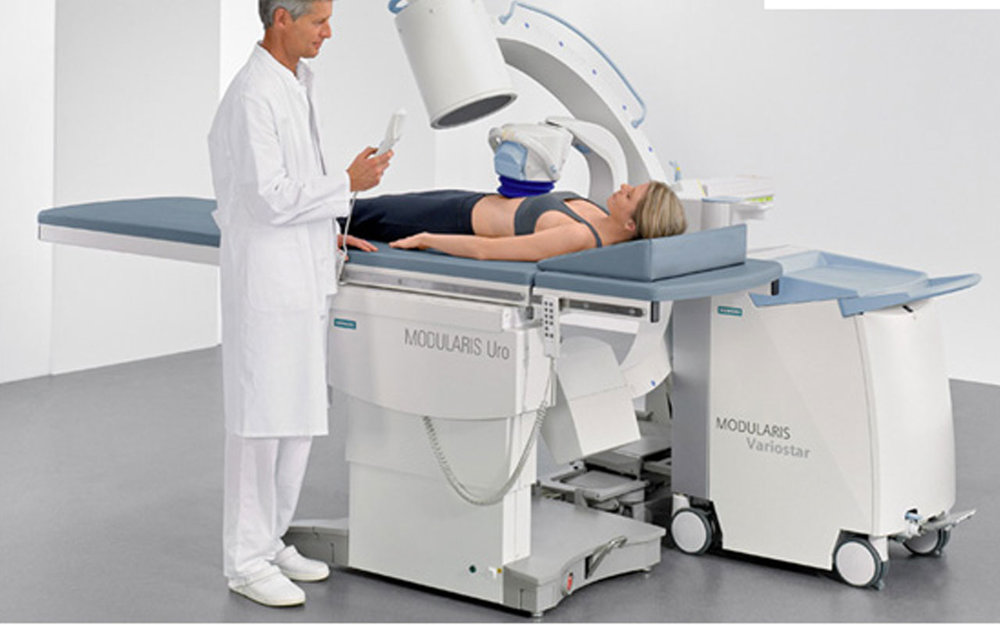
- Shock Wave Lithotripsy (SWL): This treatment involves using sound waves to break the stone into smaller pieces that can then pass through urine more easily.
- Medications: Specific drugs, such as alpha-blockers or calcium channel blockers, are prescribed to help the ureter relax and facilitate the movement of the stone.
Minimally-Invasive Procedures
In instances where the stone is larger than 4 mm or if it is causing persistent obstruction, minimally-invasive surgeries may be necessary:
- Ureteroscopy: A small endoscope is introduced through the urethra into the bladder and up the ureter, allowing doctors to directly visualize and remove or fragment the stone. This procedure can be particularly effective for stones that are lodged in the ureter.
- Percutaneous Nephrolithotomy (PCNL): In situations where the stone is exceptionally large or irregular in shape, PCNL can be performed. This surgical procedure involves creating a small incision in the patient’s back to directly access, remove, or break up the stone within the kidney.
Symptom Monitoring and When to Seek Help
It is crucial to monitor your symptoms throughout the process of passing a kidney stone. Key indicators that require immediate medical attention include:
- Severe or worsening pain: If pain becomes unbearable or does not subside with over-the-counter medications despite proper hydration and activity, it might be time for professional evaluation.
- Fever and chills: The presence of a fever, especially when accompanied by chills, could indicate an infection, in which case prompt medical intervention is necessary.
- Nausea and vomiting: Persistent gastrointestinal distress alongside the pain of a kidney stone can be a sign of complications.
- Difficulty urinating: Experience of blockage or inability to pass urine, indicated by a weak urine stream or severe urgency, is another red flag.
- Blood in the urine: Hematuria or the appearance of blood in the urine should be evaluated by a healthcare provider.
In addition to these symptoms, if the stone remains in your system without passing for several weeks or if your condition deteriorates, seek professional help immediately.
Detailed Comparison Table: Stone Management Options
| Aspect | Self-Care Techniques | Medical Treatments |
|---|---|---|
| Hydration | Drink 2-3 quarts of water daily to dilute urine | May be combined with medications to enhance stone passage |
| Pain Management | Use of over-the-counter pain relievers like ibuprofen | Prescription medications and alpha-blockers might be necessary |
| Physical Activity | Light exercise such as walking to promote movement | Activity may be recommended post-intervention to aid recovery |
| Non-Invasive Procedures | N/A | Shock Wave Lithotripsy (SWL) |
| Minimally-Invasive Procedures | N/A | Ureteroscopy or Percutaneous Nephrolithotomy (PCNL) |
| Monitoring | Keep track of urine output and pain levels | Regular imaging tests and consultations with a healthcare provider |
Diet and Lifestyle Adjustments for Prevention
Short-Term Dietary Strategies
During the process of passing a kidney stone, a few dietary measures can be adopted to support the body's natural efforts:
- Increase Fluid Intake: As mentioned, consuming ample water helps prevent the urine from becoming overly concentrated.
- Reduce Sodium Intake: High salt levels in the diet can increase calcium levels in urine, amplifying the risk of stone formation.
- Limit Animal Protein: Excessive consumption of animal proteins might boost uric acid levels, setting off conditions favorable for stone formation.
- Consume Citrate-Rich Foods: Citrus fruits like lemons can boost citrate levels in the urine, which helps to prevent stone formation.
Long-Term Preventative Measures
Beyond immediate treatment, adjustment in long-term dietary and lifestyle habits plays an essential role in preventing future stone formation:
- Consistent Hydration: Maintaining a daily regimen of high fluid intake even after the episode reduces the recurrence risk.
- Balanced Diet: A diet rich in fruits, vegetables, and plant-based proteins can help avoid excessive concentrations of stone-forming minerals.
- Regular Medical Consultations: Follow-up appointments with a healthcare provider can help monitor any predispositions to kidney stones and ensure early detection in case of recurrence.
- Targeted Nutritional Adjustments: Based on the stone’s composition (e.g., calcium oxalate, uric acid), personalized dietary recommendations can be provided to reduce future risk.
Practical Tips for Daily Care
Lifestyle Considerations
While managing the active passage of a kidney stone and focusing on prevention, the following lifestyle tips may be useful:
- Keep a Symptom Diary: Documenting the frequency and intensity of pain, urine appearance, and any additional symptoms can help guide your healthcare provider in tailoring treatments.
- Use a Urine Strainer: Straining your urine during stone passage can help you catch the stone to enable analysis of its composition. This may be useful for designing a long-term prevention plan.
- Monitor and Adjust Activity: Incorporate light, regular exercise to support your body's natural mechanism for passing the stone, but be sure to rest when necessary.
- Stay Informed: The field of kidney stone management continues to evolve. Educate yourself on new treatments and preventive measures, and consult reliable health sources regularly.
When to Seek Medical Advice
Although many kidney stones pass with self-care, there are critical warning signs that necessitate immediate professional evaluation:
- If the pain intensifies or fails to ease even after using over-the-counter pain relievers along with increased hydration, consult your doctor.
- The presence of systemic symptoms such as fever, chills, or persistent nausea/vomiting might indicate complications like an infection.
- If you experience difficulties in urinating, notice significant blood in your urine, or if the stone remains for an extended period, medical intervention may be necessary.
Comparative Analysis and Considerations
Key Considerations in Treatment Decisions
A variety of factors influence the treatment plan for kidney stones. The size and location of the stone, the severity of symptoms, and the patient’s overall health are key determinants. For stones under 4 mm, a period of observational management supported by hydration and pain relief is often recommended. In contrast, larger stones or those causing significant symptoms may require intervention, such as lithotripsy or endoscopy.
Here is a summary table that compares the management approaches for passing kidney stones:
| Characteristic | Small Stones (<4 mm) | Larger Stones (>4 mm) |
|---|---|---|
| Likely Outcome | Often pass naturally within weeks | May require medical procedures |
| Pain Level | Mild to moderate, usually manageable with OTC medication | Often intense, requiring stronger pain management or intervention |
| Intervention | Hydration and light activity | Surgical procedures such as ureteroscopy or SWL |
| Follow-up | Observation and lifestyle adjustments | Regular imaging and medical consultations |
Effectiveness of Self-Care Versus Medical Intervention
The effectiveness of self-care strategies, including hydration and pain management, is well-documented in cases of smaller kidney stones. However, persistent or severe symptoms warrant further medical intervention to avoid complications such as urinary tract infections or irreversible damage to the urinary tract. Healthcare providers may employ advanced imaging techniques such as CT scans or ultrasounds to assess stone size, location, and the potential need for surgical intervention.
Conclusion and Final Thoughts
Passing a kidney stone is a multifaceted process that involves various stages—from the initial formation in the kidney to the eventual expulsion through the urinary tract. Key management strategies involve abundant fluid intake, diligent pain management, and an appropriate level of physical activity. Over-the-counter medications such as ibuprofen may provide relief, but prescription drugs like alpha-blockers can be crucial for easing the passage if pain persists. In cases where stones are large, or complications arise, medical interventions including non-invasive procedures like shock wave lithotripsy or minimally invasive procedures like ureteroscopy and percutaneous nephrolithotomy may be required.
In addition to actively managing the discomfort, paying attention to dietary and lifestyle modifications can help prevent future occurrences. Reducing sodium intake, limiting animal proteins, and incorporating citrate-rich foods like lemons are practical steps to minimize the chances of stone formation over the long term. It is equally important to monitor symptoms and be aware of warning signs including severe pain, fever, blood in the urine, and difficulty urinating. These symptoms indicate that prompt medical evaluation is necessary to prevent further complications.
Ultimately, understanding the underlying processes and adopting a proactive approach to both treatment and prevention can significantly improve outcomes. Whether through self-care measures or with the aid of medical interventions, comprehensive management strategies are essential in effectively dealing with kidney stones. By staying informed and attentive to your body’s signals, you can navigate the discomfort and challenges associated with passing a kidney stone while working towards long-term health and kidney stone prevention.
References
- Stages of Passing a Kidney Stone - Verywell Health
- Kidney Stones Information - National Kidney Foundation
- 5 Things That Can Help Pass Kidney Stones - Harvard Health
- How to Pass Kidney Stones - Health.com
- Kidney Stones Diagnosis and Treatment - Mayo Clinic
Recommended Related Queries
Last updated February 21, 2025