
Unforgettable Day at Kinderdijk: Maximizing Your Viking Cruise Stop
Discover the Iconic Windmills and Rich Water Management History in a UNESCO World Heritage Site
Welcome to Kinderdijk, a truly unique and picturesque UNESCO World Heritage site in the Netherlands, renowned for its iconic 19 windmills. As a stop on your Viking River Cruise, this day offers a perfect opportunity to immerse yourself in centuries of Dutch history and ingenuity in water management. While your time may be limited, focusing on key attractions will ensure a memorable and enriching experience.
Key Highlights for Your Kinderdijk Visit
- Explore the Historic Mill Network: Walk or bike along the scenic paths to witness the impressive array of 19 original 18th-century windmills, many of which are still inhabited.
- Step Inside a Museum Windmill: Gain a fascinating insight into the lives of the millers and the intricate workings of these structures by visiting one of the two open museum windmills (Nederwaard and Blokweer).
- Experience the Water Management System: Understand the Netherlands' ongoing battle against water by visiting the Wisboom Pumping Station and the multi-screen film at De Fabriek Secondary Pumping Station.
Navigating Kinderdijk: An Overview for Cruise Visitors
Kinderdijk is an open area, allowing visitors to explore the grounds freely. However, to truly delve into its history and significance, purchasing an entrance ticket is highly recommended. This ticket typically grants access to the museum windmills, the Wisboom Pumping Station, and often includes a boat tour of the canals, providing a unique perspective of the windmill landscape. Given your single-day stop, a structured approach is beneficial.
Understanding the Significance of Kinderdijk
For over 700 years, Kinderdijk has been a testament to the Netherlands' enduring struggle and mastery of water management. The nineteen windmills, alongside dikes and pumping stations, collectively form a complex hydraulic system that has kept the low-lying Alblasserwaard polder dry. This historical ingenuity earned Kinderdijk its UNESCO World Heritage status in 1997, recognizing its global importance as an example of human ingenuity in adapting to the environment.
The site's name, "Kinderdijk," which translates to "children's dike," is rooted in a local legend surrounding the Saint Elizabeth Flood of 1421. The tale recounts a wooden cradle spotted floating on the floodwaters, kept afloat by a cat jumping back and forth. Upon reaching dry land, a baby was discovered inside, giving the area its poignant name.
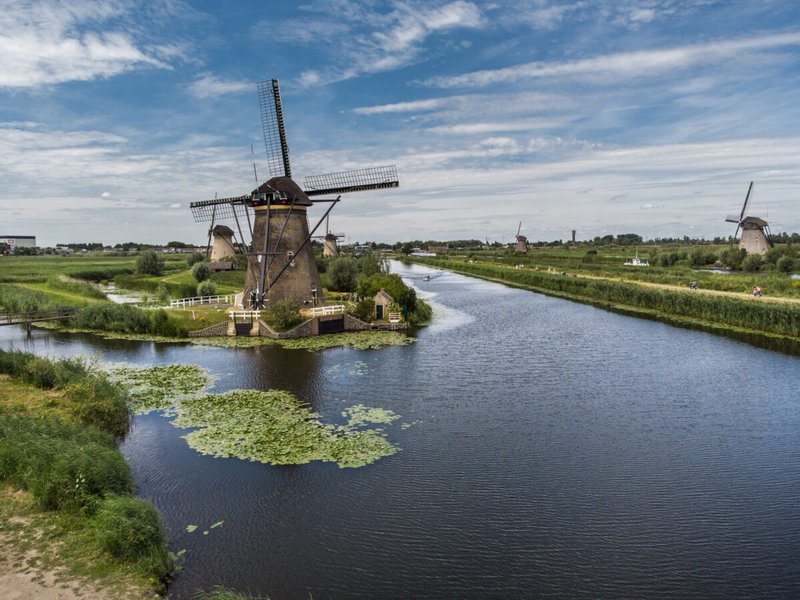
An aerial view showcasing the extensive network of windmills and waterways at Kinderdijk.
Essential Activities and Attractions
Stepping Back in Time: The Windmills
The 19 windmills are the undisputed stars of Kinderdijk. Built between 1738 and 1740, these magnificent structures were designed to pump water from the polder into the river Lek, preventing floods and creating arable land. While you can admire them from the outside, entering a museum windmill offers a profound experience.
Museum Windmills: Nederwaard and Blokweer
With your entrance ticket, you gain access to two dedicated museum windmills: Museummolen Nederwaard and Museum Molen Blokweer. Inside, you'll discover how families lived and worked in these structures for generations. The interiors are preserved, offering a glimpse into their daily lives, complete with traditional furnishings and tools. Understanding the challenges and unique lifestyle of a miller provides a deeper appreciation for these "delicate structures," which require continuous maintenance.

The interior of a museum windmill, offering a glimpse into the miller's daily life.
The Story of Water Management: Pumping Stations and Exhibitions
Kinderdijk isn't just about windmills; it's about the entire water management system that has shaped the Dutch landscape.
Wisboom Pumping Station
The Wisboom Pumping Station, with its impressive engine room, provides insight into the evolution of water management technology, from wind power to steam and modern electric pumps. This station helps illustrate the continuous innovation required to keep the Netherlands above water.
De Fabriek Secondary Pumping Station & Visitor Center
At 'De Fabriek' Secondary Pumping Station, an engaging multi-screen film takes you on a journey through Kinderdijk's history, explaining how the area was formed, the mechanics of the water management system, and its significance as a UNESCO site. The Visitor Center is an excellent starting point for your exploration, often offering audio guides and interactive maps to enhance your self-guided tour.
Exploring the Landscape: Boats, Bikes, and Walks
The flat terrain of Kinderdijk is ideal for exploring on foot or by bike. Many visitors enjoy walking along the canal paths, soaking in the serene atmosphere and capturing stunning photographs of the windmills.
Boat Tours
A boat tour along Kinderdijk's canals is often included with your entrance ticket and is highly recommended. It offers a unique and relaxing perspective of the windmills and the surrounding polder landscape. The hop-on-hop-off boat service allows you to explore different areas at your own pace.
Biking and Walking
Renting a bike is a popular way to cover more ground and truly experience the Dutch countryside. Several rental options are available, and the paths are well-maintained. Even if you don't rent a bike, the flat paths are perfect for a leisurely stroll between the windmills.

A tranquil morning view of Kinderdijk, highlighting the peaceful canals and windmills.
Optimizing Your Short Visit
Given your one-day stop, efficiency is key. Here’s a plan to maximize your experience:
- Arrival and Visitor Center: Upon arrival, head straight to the Visitor Center. Purchase your tickets, grab an audio guide, and orient yourself with the site map. The multi-screen film at De Fabriek is an excellent introduction.
- Museum Windmills: Prioritize visiting at least one of the two museum windmills (Nederwaard or Blokweer) to understand the interior workings and historical context.
- Boat Tour: Take advantage of the boat tour. It offers excellent photo opportunities and a comprehensive view of the entire windmill network without requiring extensive walking if time is limited.
- Wisboom Pumping Station: Visit the Wisboom Pumping Station to see the historical machinery and learn about the evolution of water management.
- Leisurely Walk/Photos: Dedicate any remaining time to a leisurely walk along the paths, capturing photos, and simply enjoying the tranquil scenery.
Considerations for a Cruise Stop
Viking River Cruises often provide seamless transfers to and from Kinderdijk, making logistics easier. However, be mindful of the tour timings provided by your cruise line. If your cruise offers a guided tour, it can be an excellent way to gain comprehensive insights within a limited timeframe. Otherwise, the site is very accessible for self-guided exploration.
Visitor Experience Ratings at Kinderdijk
To provide a clearer picture of what to expect, here is a radar chart based on typical visitor experiences and the site's offerings. These ratings are opinionated and designed to help you gauge the overall experience for a short visit.
This radar chart illustrates the perceived strengths of Kinderdijk as a visitor destination, highlighting its exceptional scenic beauty and photo opportunities, alongside its strong historical and educational value. Its engagement for short visits is also notably high, making it an ideal stop for a cruise itinerary.
Understanding the Local Context: Beyond the Windmills
While Kinderdijk is primarily about the windmills, it's also a living landscape. Many of the windmills are still private residences, adding to the unique atmosphere. Respect for residents' privacy is essential during your visit. The area is also known for its rich birdlife, with Kinderdijk being home to the largest colony of purple herons in Western Europe. Keep an eye out for local wildlife as you explore.
Visualizing Your Visit: A Guided Tour
To give you a better sense of what a visit to Kinderdijk entails, here's a relevant video showcasing the experience. This visual guide can help you mentally prepare for your trip and identify key areas you'd like to focus on during your limited time.
"Visiting Kinderdijk: Exploring The Historic Windmills" provides a visual overview of the site, including the iconic windmills, boat tours, and museum interiors. This video helps convey the tranquil atmosphere and beauty of the area, allowing you to envision your own visit.
Kinderdijk: Practical Information for Your Visit
To help you plan your day, here's a summary of practical information, from access to what to bring:
| Aspect | Details for Your Visit |
|---|---|
| Duration | Allocate 1 to 3 hours for a comprehensive visit, depending on your pace and whether you take a boat tour or enter museum mills. A Viking cruise stop will typically align with this. |
| Entrance Fee | The site itself is an open area, accessible for free. However, tickets are required to enter museum windmills, pumping stations, and for the shuttle boat. Check the official Kinderdijk website for current pricing. |
| Getting Around | Walking is popular, but consider renting bikes for a more extensive exploration. The hop-on-hop-off boat is highly recommended for scenic views and convenient transport between key points. |
| Best Time to Visit | Early morning or late afternoon are often less crowded and offer beautiful light for photography. Mid-April through September generally offers pleasant weather. |
| Accessibility | Footpaths, tour boats, and the Wisboom pumping station are generally wheelchair accessible. However, the narrow entrances and steep stairwells of the traditional windmills make their interiors inaccessible for wheelchairs. |
| Amenities | Visitor Center, toilets (including accessible facilities), a small cafe, and gift shops are available on-site. |
| Tips for Travelers | Bring comfortable walking shoes, a power bank for your phone (for photos), and binoculars for birdwatching. Drones are prohibited. |
This table provides a quick reference for key information, helping you to efficiently plan your limited time during the cruise stop. Being prepared will allow you to make the most of every moment.
Frequently Asked Questions (FAQ)
What exactly are the Kinderdijk windmills for?
Can I go inside all of the windmills at Kinderdijk?
How long does it take to see Kinderdijk?
Is Kinderdijk a good place for a day trip from a Viking cruise?
Conclusion: A Timeless Dutch Experience
Your one-day stop at Kinderdijk during your Viking River Cruise offers a truly unique opportunity to connect with a vital piece of Dutch heritage. From the mesmerizing sight of the 19 windmills gracefully standing against the backdrop of the polder landscape to understanding the ingenious water management systems that have kept the Netherlands dry for centuries, Kinderdijk is a testament to human resilience and innovation. By prioritizing the museum windmills, the pumping stations, and a serene boat tour, you will gain a profound appreciation for this UNESCO World Heritage site and depart with stunning memories of a truly iconic Dutch experience.
Recommended Further Exploration
- What are the best attractions in Rotterdam to combine with a Kinderdijk visit?
- Dive deeper into the fascinating history of Dutch water management and polder systems.
- Discover other UNESCO World Heritage sites across the Netherlands worth exploring.
- Learn about the ideal seasons to visit the windmills for photography and fewer crowds.