
Comparing Kindergarten Plans for Your Child
Insights on how each program fosters baby development
Key Highlights
- Pedagogical Focus: One plan emphasizes play-based, structured learning, whereas the other leans toward exploration in natural settings and sensory experiences.
- Facilities and Environment: There is a clear difference in physical settings, with one kindergarten offering unique outdoor environments and specialized sensory rooms compared to a more traditional setup.
- Child’s Overall Development: Emphasis varies from emotional and social development using a whole-heart approach to a project-based curriculum aimed at stimulating inquisitiveness and creativity.
Overview of the Kindergarten Plans
When evaluating early childhood education, particularly for a child embarking on their kindergarten journey, it is essential to consider how the meal plans are structured not only academically, but also emotionally, socially, and in terms of the sensory environment. The two plans, both in Norwegian, demonstrate contrasting but insightful approaches tailored to foster individual growth.
1. Sensory and Nature-Focused Kindergarten
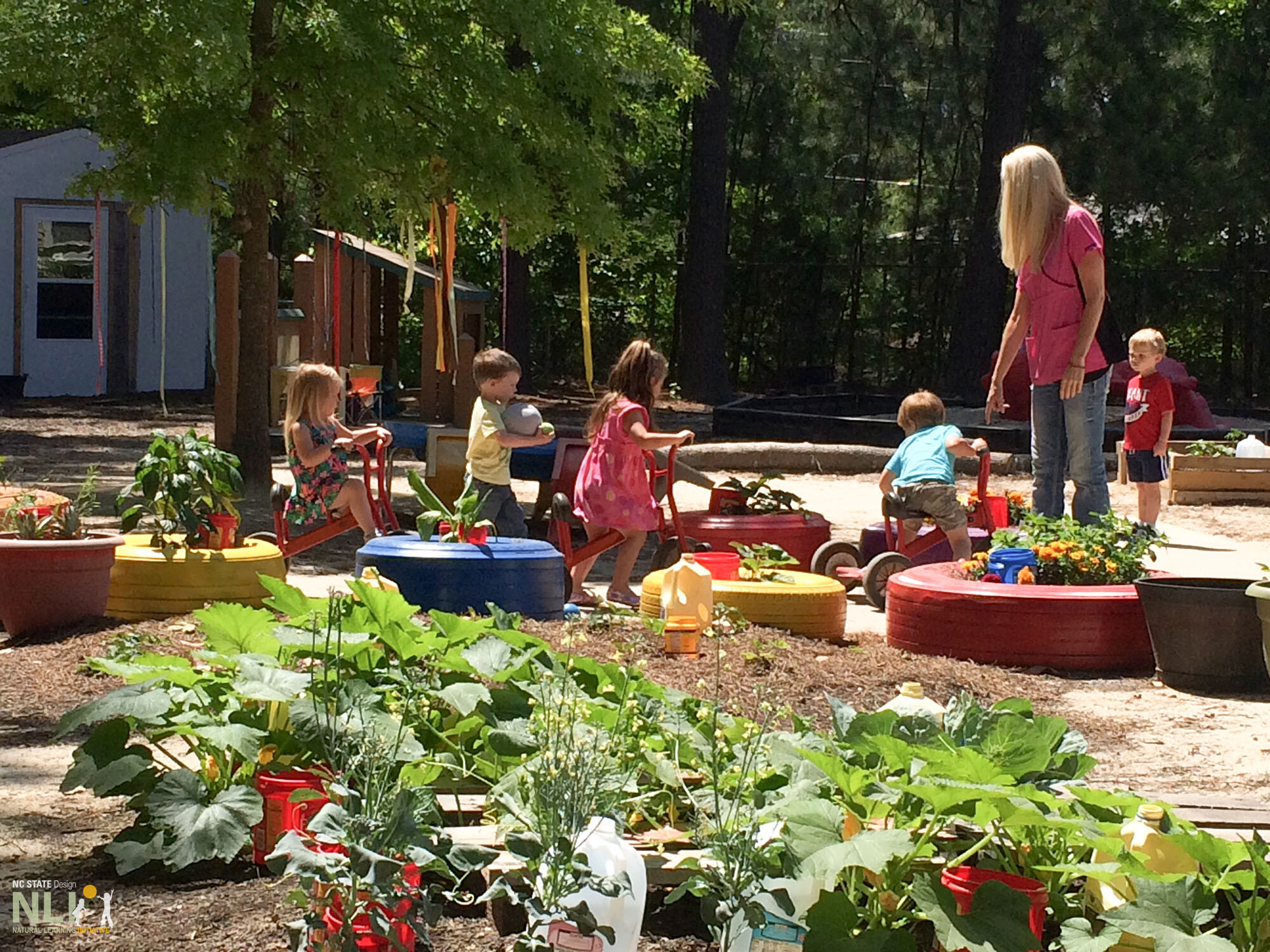
This kindergarten plan emphasizes a connection with nature and the use of specialized facilities to enhance the sensory experiences of the children. With an innovative approach that includes a sensory room equipped with calming elements like a water bed, bubble tubes, and interactive light setups, this option promotes a calm and exploratory atmosphere.
Key Aspects
- Environment-Oriented Learning: Located in a distinctive natural area, this kindergarten uses its surroundings—such as lighted trails and close proximity to nature—to promote outdoor learning and exploration.
- Sensory Stimulation: The sensory room is designed to help children regulate their emotions and stay engaged through tactile and visual stimuli.
- Project-Based Initiatives: Throughout the school year, the plan is divided into project periods that encourage the child's curiosity and provide flexible, experiential learning opportunities.
- Values: Emphasis is placed on knowledge, wisdom, friendship, and even a touch of playful "craziness," which aims to create a balanced educational environment with an element of fun and unexpected surprises.
Pros and Cons
| Pros | Cons |
|---|---|
|
|
2. Structured, Playful Learning Kindergarten
The second plan adopts a highly structured and detailed approach, integrating play and learning into a precise curriculum outline. This approach leverages a pedagogical model where play is intertwined with systematic progression through various learning domains. A highlight of the plan is its clear focus on a "Heart Culture," which emphasizes self-worth, social belonging, and community values.
Key Aspects
- Detailed Progression Model: The curriculum is divided into clear sections or developmental areas guided by what is sometimes referred to as a "pedagogical tree." This ensures that learning is step-by-step and carefully tracked.
- Emphasis on Playful Learning: While the structure is defined, the plan does not lose sight of the importance of play in child development. Play-based activities serve as the primary method for building both cognitive skills and social competencies.
- Social and Emotional Development: The “Heart Culture” of the kindergarten specifically aims to nurture the child’s self-esteem and interpersonal skills, encouraging active participation in group activities.
- Focus on Transition Readiness: Special attention is given to smoothly integrate children, particularly those transitioning into the formal schooling system, ensuring they are academically and socially prepared.
Pros and Cons
| Pros | Cons |
|---|---|
|
|
Comparative Analysis
When comparing the two kinds of kindergarten plans, it is essential to consider how early childhood education ideally balances academic preparation with emotional and social growth. Each approach has its unique merits. The sensory and nature-focused option leverages its distinctive natural setting and creative sensory stimulation, potentially fostering an environment where children can explore organically and build connections with nature. This model supports experiential learning and may be particularly appealing for families who prioritize outdoor activities, flexibility, and modalities that encourage creativity through non-traditional methods.
On the other hand, the structured, playful learning plan is meticulously designed to ensure that every aspect of child development is monitored and fostered through a clear, progressive curriculum. Its strength lies in the detailed organization and emphasis on both academic and social milestones. By integrating a play-based approach within a rigorous educational structure, it is well-suited for parents looking to balance academic readiness with emotional well-being. This plan is particularly advantageous for children who benefit from clearly outlined developmental targets and a strong social framework to support self-esteem and group dynamics.
Both plans reflect crucial educational philosophies common in early childhood education in Norway—one being more flexible and nature-oriented, and the other providing a detailed roadmap to learning and personal growth. The decision between them depends on assessing which environment might better align with your child’s personality and your personal educational values.
Final Suggestion for Your Son’s Progress
As someone specialized in baby development, I recommend a careful consideration based on the unique needs and personality of your son. If your son thrives in an environment that offers variability, creative sensory stimulation, and direct contact with nature, the first kindergarten might be the better option. Its project-based approaches and unique sensory room might provide the spontaneity and environmental engagement necessary for a curious and explorative child.
However, if structured progression and a clearly mapped-out plan that targets both academic and socio-emotional development align better with your son’s learning style, then the more detailed, structured kindergarten plan should be considered. The emphasis on a playful yet focused learning strategy, along with a strong heart culture aimed at reinforcing self-worth and social competencies, can be instrumental in laying a solid foundation for your child’s overall development.
Evaluating the current characteristics and future needs of your child is paramount. Many educators argue that early years benefit significantly from both free exploration and systematic skill development. Given that these phases of development require a blend of creative play and gradual mastery of academic and social tasks, a kindergarten that successfully integrates both aspects would likely offer the best footing for his progression.
Considering the plans at hand, and if your primary focus is ensuring comprehensive personal and academic readiness, I lean toward recommending the structured yet playful learning environment. This option, with its specific focus on progressive learning, heart culture, and detailed transition plans, would likely allow your son to build strong social bonds, improve self-esteem, and acquire foundational skills necessary for success once he enters formal schooling.
Conclusion
In summary, both kindergarten plans offer valuable and well-thought-out approaches to early childhood education. The first, with its focus on natural environments and sensory stimulation, caters well to children who benefit from flexible, exploratory learning and a direct engagement with nature. The second, with a meticulously structured program, is designed to deliver balanced academic, social, and emotional development through a clear pedagogical model and progressive learning frameworks. Given the need to ensure that your son is well-prepared for future academic challenges and social integration, the structured, playful learning model is likely to provide a more comprehensive foundation for his progress. However, the final decision should consider your child’s individual temperament, learning style, and environmental preferences, along with consultations from both educational institutions.
References
Recommended Further Queries
Last updated February 24, 2025