
King James I and the Divine Right of Kings: An Analysis
Exploring the Monarch's Claim and Justification
Key Highlights of James I's Doctrine
- Divine Mandate: James I asserted that monarchs are appointed by God, holding their authority directly from Him.
- Accountability to God Alone: Kings, according to James I, are accountable only to God and not to earthly powers or institutions like Parliament.
- Royal Authority: James I believed that the monarchy held supreme power, mirroring God's own authority on Earth.
Understanding King James I's Central Claim
King James I, who ruled Scotland as James VI and then England and Ireland as James I from 1603 to 1625, was a staunch believer in the Divine Right of Kings. This doctrine posits that a monarch's authority comes directly from God, positioning the king as God's representative on Earth. James I articulated this belief in his speeches to Parliament, asserting the supremacy of the monarchy and the king's accountability to God alone.
The Essence of the Divine Right of Kings
The central claim of King James I was that the state of monarchy is the "supremest thing upon earth." He argued that kings are not only God's lieutenants upon Earth, sitting upon God's throne, but also participate in a divine power on earth, thus are justly called gods. This implies that monarchs possess absolute authority derived directly from divine will, making them inherently superior to their subjects and other earthly institutions.
James I explained the divine right of kings, claiming that the monarch was appointed to rule by God. He sets out the divine right of kings, explaining that kings are higher beings than other men for Biblical reasons.
James I's Reasoning and Justification
James I provided several justifications for his claim, rooted in theological and philosophical arguments:
Biblical Basis
James I drew upon biblical passages to support his claim, suggesting that kings are analogous to God in their kingdoms. He argued that God has power to create or destroy, to give life or send death, and to judge all while being accountable to none. Similarly, kings possess ultimate authority within their realms, mirroring God's omnipotence.
Accountability
According to James I, kings are accountable only to God, not to Parliament, the nobility, or the people. This stemmed from the belief that God appointed them, and therefore, only God could judge them. This perspective positioned the monarch above earthly laws and institutions.
Role as Lawmaker
James I posited that kings are the makers of laws, not the other way around. As the ultimate source of authority, the king was not bound by laws but rather created them to maintain order and justice within the realm. This idea reinforced the king's supreme position and his independence from legal constraints.
The Broader Context and Implications
James I's espousal of the Divine Right of Kings had significant implications for the relationship between the monarchy and Parliament in England. His insistence on royal prerogative and his belief in his divine mandate often brought him into conflict with Parliament, which sought to assert its own rights and authority. These tensions would later escalate under his son, Charles I, ultimately leading to the English Civil War.
The amplification of God's powers in the King James translation effectively strengthens the monarchy's existence through the divine right doctrine. God's power makes the King's power absolute.
Impact on Governance
James I's views shaped his approach to governance. He believed that his royal authority was not subject to negotiation or limitation, which influenced his policies and decisions. This approach sometimes led to clashes with Parliament over issues such as taxation, foreign policy, and religious matters.
Long-Term Consequences
The conflict between the Divine Right of Kings and parliamentary rights had lasting consequences in English history. The English Civil War and the subsequent establishment of a constitutional monarchy marked a turning point, limiting the power of the monarch and affirming the importance of parliamentary sovereignty.
Visualizing Royal Power: Embedded Video
This video, "James I explains the Divine Right of Kings, ‘The True Law of Free Monarchies’," offers valuable insight into James I's own explanation of his doctrine. Understanding this perspective is crucial for grasping the political and religious context of his reign.
King James Stuart (1566-1625) is famous for his assertion of the Divine Right of Kings, claiming that the monarch was appointed to rule by God. He articulates his views in "The True Law of Free Monarchies," a treatise that elucidates his understanding of kingship and its divine origins. The video serves as a resource for those seeking to comprehend the theoretical underpinnings of James I's reign and the conflicts that arose from his unwavering belief in his divinely ordained authority.
The Divine Right in Contrast: A Comparative Table
To better understand the Divine Right of Kings as espoused by James I, it is helpful to compare it with alternative views on the source of political authority.
| Concept | Description | Source of Authority | Accountability |
|---|---|---|---|
| Divine Right of Kings | Monarch's authority comes directly from God. | God | God alone |
| Social Contract Theory | Political authority derives from the consent of the governed. | The People | The People |
| Constitutional Monarchy | Monarch's power is limited by a constitution and laws. | Constitution and Laws | Parliament and Legal Institutions |
| Absolutism | Ruler holds unlimited power without legal constraints. | Ruler's own power | None |
This table illustrates the fundamental differences between the Divine Right of Kings and other political theories. While James I firmly believed in divine mandate and accountability only to God, alternative views emphasize the role of the people, laws, and constitutions in shaping political authority.
Visualizing Power: Historical Context of Divine Right
The concept of the Divine Right of Kings has roots stretching back through European history. Examining visual representations can provide a deeper understanding of its historical and cultural significance.
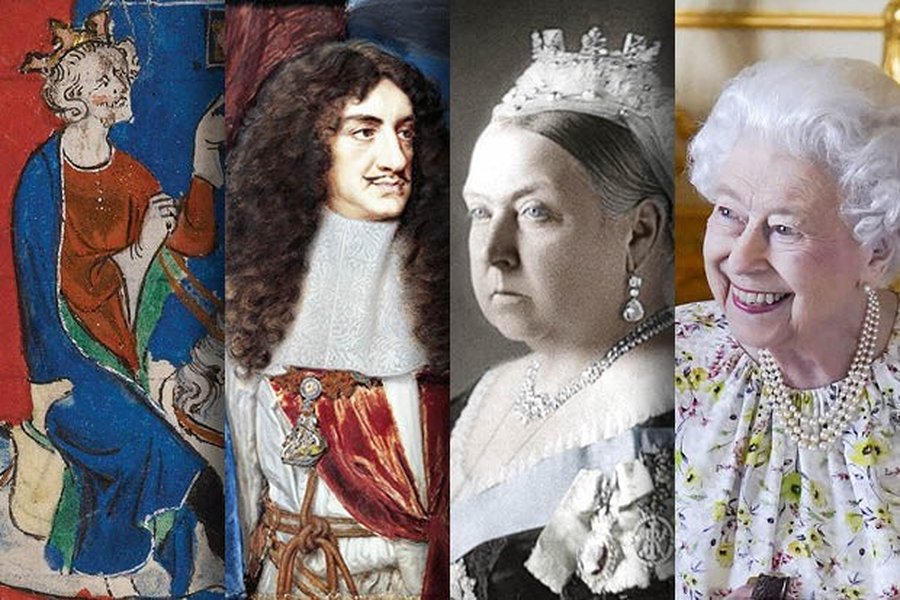
The Divine Right of Kings is a doctrine asserting that a monarch's legitimacy and right to rule are derived from God. It posits that kings are appointed by a divine authority and are therefore not subject to the will of their subjects, the aristocracy, or any other earthly power, including parliaments. This concept was particularly prominent in Europe during the medieval and early modern periods, providing a strong justification for monarchical absolutism.
In the context of English history, the belief in the Divine Right of Kings was strongly advocated by monarchs like James I (1603-1625). James I articulated his views on the divine source of royal authority in his writings and speeches, asserting that kings are God's lieutenants on Earth and are thus entitled to unquestioning obedience. This belief often put him at odds with Parliament, which sought to limit royal power and assert its own rights. The conflict between the Divine Right of Kings and parliamentary sovereignty would eventually lead to the English Civil War in the 17th century.
The image above depicts a timeline of the English monarchy. This timeline helps contextualize how James I's belief in the Divine Right of Kings was a pivotal moment in the ongoing power struggle between the monarchy and Parliament, ultimately shaping the course of English political history.
FAQ
What is the Divine Right of Kings?
The Divine Right of Kings is a political and religious doctrine that asserts a monarch's legitimacy and authority to rule are derived directly from God. According to this belief, kings are appointed by God and are accountable only to Him, not to any earthly authority such as a parliament or the people.
How did James I use the Divine Right of Kings to justify his rule?
James I used the Divine Right of Kings to assert his supreme authority and independence from Parliament. He believed that as God's chosen ruler, he had the right to govern without interference from earthly institutions. He often cited biblical passages and theological arguments to support his claim.
What were the consequences of James I's belief in the Divine Right of Kings?
James I's unwavering belief in the Divine Right of Kings led to frequent conflicts with Parliament, particularly over issues such as taxation and royal prerogative. These tensions ultimately contributed to the growing political instability that culminated in the English Civil War under his son, Charles I.
How does the Divine Right of Kings differ from other forms of political legitimacy?
The Divine Right of Kings differs from other forms of political legitimacy, such as social contract theory or constitutionalism, in that it asserts that a ruler's authority comes from divine appointment rather than the consent of the governed or legal frameworks. It implies that the monarch's power is absolute and not subject to human laws or institutions.
Is the Divine Right of Kings still relevant today?
The Divine Right of Kings is largely considered an outdated and discredited doctrine in modern political thought. Most contemporary political systems are based on principles of popular sovereignty, democracy, and constitutionalism, which emphasize the importance of citizen participation, limited government, and the rule of law.
References
 jwmportfolio.wordpress.com
Last updated April 11, 2025