
King James I's Argument for Divine Right: A Godly Authority
Examining the central claims, reasoning, and flaws in James I's defense of monarchical power.
Key Highlights of King James I's Divine Right Argument
- Central Claim: King James I asserted that monarchs hold a supreme position on Earth, acting as God's lieutenants and resembling divine power.
- Reasons for the Claim: He justified this claim by arguing that kings possess the power to create and destroy, judge all, and are accountable to no one except God, mirroring divine attributes.
- Flaws in Reasoning: James I's argument relies on the assumption that earthly power should mirror divine power, neglecting the limitations and moral considerations inherent in human governance, which can lead to absolutism and disregard for the welfare of the governed.
The Divine Right of Kings: James I's Central Claim
King James I of England ardently defended the divine right of kings, a political and religious doctrine asserting that a monarch's authority comes directly from God. This belief positioned the king as God's representative on Earth, granting him absolute power and placing him beyond earthly judgment. James I's central claim was that kings are not only God's lieutenants but also resemble divine power in their earthly roles.
Kings as Gods: James I's Justification
In his speeches to Parliament, James I articulated his belief that monarchs are akin to gods due to the nature of their power and responsibilities. He argued that kings possess:
- The power to create and destroy.
- The authority to judge all.
- Accountability only to God.
These attributes, according to James I, mirror God's own qualities, thus justifying the king's supreme authority.
Supporting Reasons for Divine Authority
James I provided several reasons to support his central claim, each designed to reinforce the idea that monarchs hold a divinely ordained position.
Reason 1: Kings are God's Lieutenants
James I argued that kings serve as God's representatives on Earth, entrusted with the responsibility of governing their kingdoms according to divine will. This idea is encapsulated in his statement that kings "sit upon God's throne."
Evidence:
- "The state of monarchy is the supremest thing upon earth; for kings are not only God's lieutenants upon earth, and sit upon God's throne, but even by God himself they are called gods" (King James I Speech to Parliament).
Reason 2: Kings Mirror Divine Power
James I contended that monarchs possess powers similar to those of God, including the ability to create, destroy, and judge without being judged themselves. This resemblance to divine power elevates kings above ordinary mortals.
Evidence:
- "God has power to create, or destroy, make, or unmake at his pleasure, to give life, or send death, to judge all, and to be judged nor accountable to none; to raise low things, and to make high things low at his pleasure" (James I of England Speech to Parliament (1609)).
- "Kings are justly called gods for that they exercise a manner or resemblance of divine power upon earth. For if you will consider the attributes to God, you shall see how they agree in the person of a king" ([PDF] A Speech to the Lords and Commons of the Parliament at White-Hall).
Reason 3: Kings are Accountable Only to God
According to James I, kings are accountable solely to God for their actions, meaning they are not subject to earthly judgment or restriction. This lack of accountability reinforces their supreme authority and divine mandate.
Evidence:
Flaws in King James I's Reasoning
Despite the persuasive nature of James I's arguments, several flaws undermine his claims about the divine right of kings.
Assumption of Divine Qualities in Human Rulers
One of the primary flaws in James I's reasoning is the assumption that human rulers can possess divine qualities without also embracing divine limitations. Equating kings to gods overlooks the inherent imperfections and moral failings of human beings, which can lead to abuse of power and tyranny.
Neglect of Accountability and Justice
By asserting that kings are accountable only to God, James I disregards the importance of earthly accountability and justice. This lack of oversight can create an environment in which monarchs are free to act arbitrarily and oppress their subjects without fear of consequence.
Ignoring the Social Contract
James I's argument for divine right stands in stark contrast to the concept of a social contract, which posits that governments derive their legitimacy from the consent of the governed. By claiming that kings are divinely appointed, James I dismisses the idea that rulers have a responsibility to serve the interests and protect the rights of their subjects.
Historical Challenges to Divine Right
Historically, the divine right of kings has been challenged and overturned by various movements and revolutions that emphasized popular sovereignty and individual rights. The English Civil War, for example, demonstrated the limitations of monarchical power and the willingness of people to resist tyrannical rule.
Summary Table: King James I's Divine Right Argument
The following table summarizes the key components of King James I's argument for the divine right of kings, including his central claim, supporting reasons, evidence, and the flaws in his reasoning.
| Component | Description | Evidence/Example | Flaws |
|---|---|---|---|
| Central Claim | Kings are like gods, holding supreme power on Earth as God's lieutenants. | "Kings are justly called gods for that they exercise a manner or resemblance of divine power upon earth." | Assumes human rulers can embody divine qualities without divine limitations. |
| Reason 1 | Kings are God's representatives on Earth. | "The state of monarchy is the supremest thing upon earth; for kings are not only God's lieutenants upon earth, and sit upon God's throne." | Ignores the responsibility of rulers to serve the interests of their subjects. |
| Reason 2 | Kings mirror divine power. | "God has power to create, or destroy... to judge all, and to be judged nor accountable to none." | Overlooks the imperfections and moral failings of human rulers. |
| Reason 3 | Kings are accountable only to God. | "Only divine authority can judge a monarch... any attempt to depose... their powers runs contrary to God's will." | Disregards the importance of earthly accountability and justice. |
| Flaws in Reasoning | - Assumption of divine qualities in human rulers. - Neglect of accountability and justice. - Ignoring the social contract. - Historical challenges to divine right. | - Abuse of power by monarchs. - Suppression of individual rights. - Revolutions against tyrannical rule. | - Leads to absolutism and tyranny. - Undermines the legitimacy of government. - Disregards the welfare of the governed. |
Visualizing Divine Authority: Art and Kingship
Art from the era often reinforced the concept of the divine right of kings by portraying monarchs in ways that emphasized their power and legitimacy. Paintings and other visual media depicted kings as majestic figures, divinely inspired and chosen to rule.
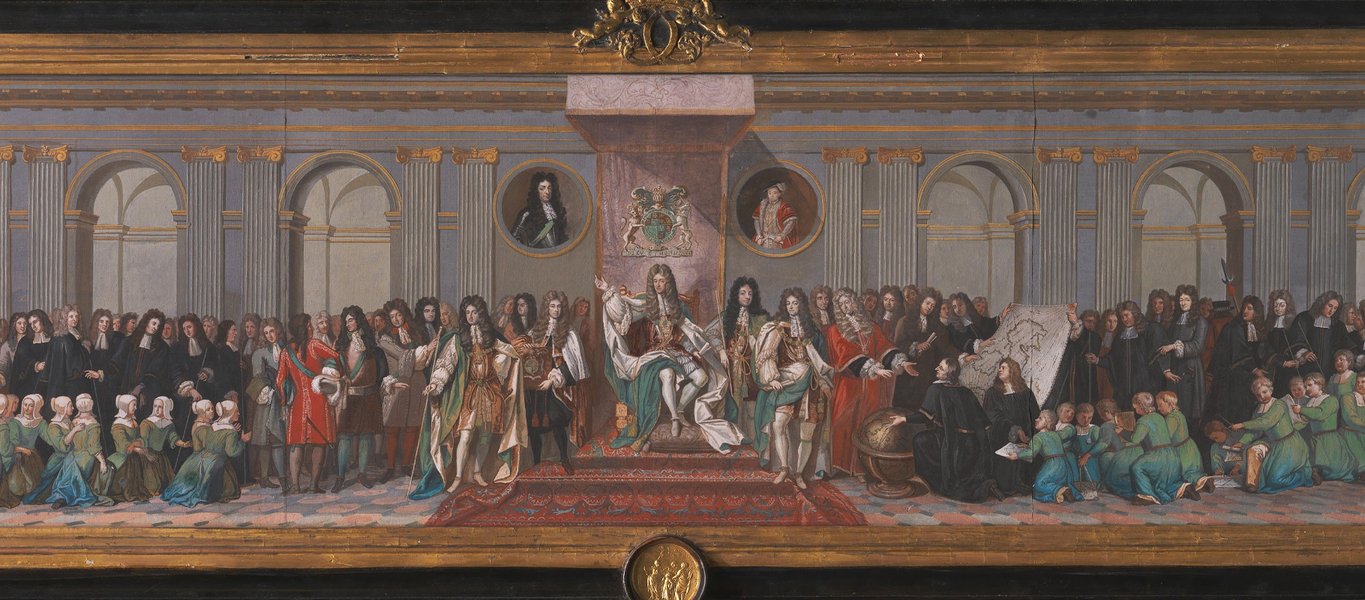
A depiction of a European King in power.
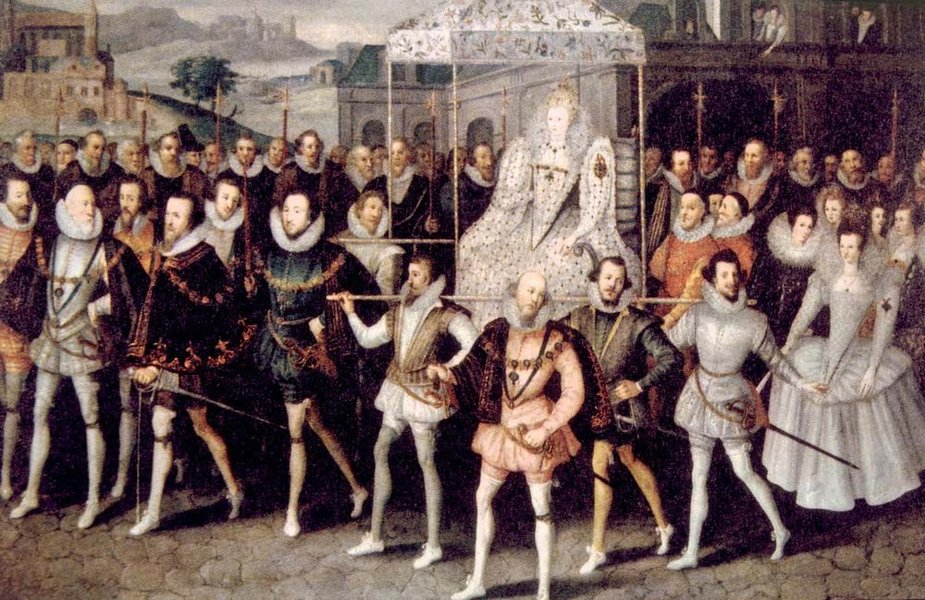
Queen Elizabeth, a predecessor to King James.
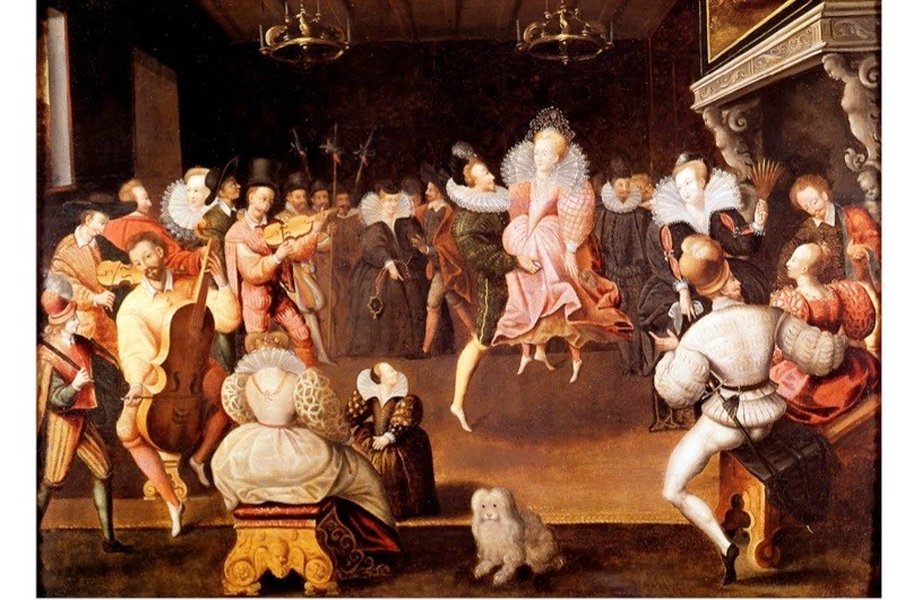
Queen Elizabeth I, dancing.
Understanding Divine Right through Video
To further illustrate the concept of the divine right of kings, consider the following video, which discusses the historical context and implications of this doctrine.
This video, titled "James I explains the Divine Right of Kings, ‘The True Law of Free Monarchies’," provides a direct look into James I's own words and justifications for his belief in the divine right of kings. It offers valuable insights into the mindset of a monarch who genuinely believed in his divinely ordained authority, helping us understand the historical context and the implications of this doctrine on governance and the relationship between rulers and their subjects.
FAQ
What is the divine right of kings?
The divine right of kings is a political and religious doctrine that asserts a monarch's legitimacy and authority to rule comes directly from God. This belief places the monarch above earthly judgment and grants them absolute power.
How did King James I use the divine right of kings to justify his rule?
King James I argued that monarchs are like gods because they possess similar powers, such as the ability to create, destroy, and judge. He believed that kings are accountable only to God and serve as God's lieutenants on Earth, making them supreme rulers.
What were the main flaws in King James I's argument for the divine right of kings?
The flaws in James I's argument include the assumption that human rulers can embody divine qualities, neglect of accountability and justice, ignoring the social contract, and historical challenges to the idea of divine right.
How did the concept of divine right affect the relationship between the king and his subjects?
The concept of divine right positioned the king as an absolute authority, often leading to a disregard for the rights and welfare of his subjects. This could result in tyranny and oppression, as monarchs believed they were accountable only to God.
What historical events challenged the divine right of kings?
Various historical events, such as the English Civil War, challenged the divine right of kings. These events demonstrated the limitations of monarchical power and the willingness of people to resist rulers who were perceived as tyrannical.
References
Last updated April 11, 2025