
Case Study: Kitchen and Food Production Department
Exploring Operational Efficiency, Safety, and Innovation in Modern Kitchens
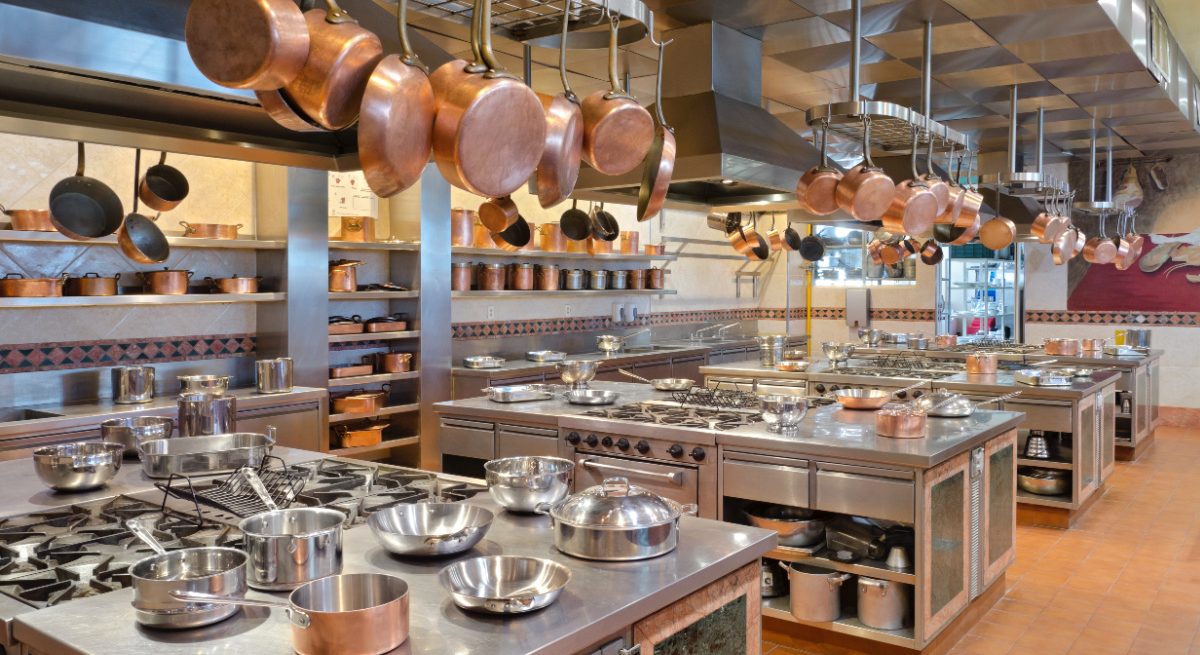
Highlights
- Operational Efficiency: How strategic layout, technology, and centralized production streamline processes.
- Food Safety & Quality: The importance of rigorous standards, technology integrations, and continuous staff training.
- Innovative Approaches: Leveraging AI analytics, modern kitchen management systems, and flexible staffing models.
Introduction
The modern food service industry is under immense pressure to deliver high-quality, safe, and nutritious meals fast and efficiently. The Kitchen and Food Production Department is a critical component of this process, responsible for everything from food preparation and cooking, to quality control and customer satisfaction. This comprehensive case study explores the multifaceted operations within such departments—starting from kitchen layout and design, technology integration and data-driven management, to staff training and centralization of operations.
Background and Rationale
As consumer expectations evolve, so do the methods and technologies that underpin successful kitchens and food production facilities. Traditional kitchens, often characterized by segmented tasks and manual processes, are transforming into dynamic, innovative hubs where technology and human expertise blend seamlessly. Recognizing the demand for increased operational efficiency, food safety, and quality, many institutions—including schools, restaurants, and commercial food enterprises—have adopted modern practices. This shift has not only resulted in improved productivity but has also ensured lower operational costs and enhanced food safety protocols.
Key Components of Kitchen and Food Production Operations
Kitchen Layout and Design
An intelligently designed kitchen is pivotal in reducing stress, minimizing staff movement, and optimizing workflow. Investments in kitchen upgrades (sometimes reaching costs such as $30,000 per kitchen) have proven beneficial for creating efficient workspaces that support scratch-cooking from freshly sourced ingredients. An efficient layout integrates designated areas for food preparation, cooking, storage, and dishwashing – all designed to reduce redundant steps and reduce time from preparation to service.
Strategic Layout Considerations
Key considerations include ensuring good communication between stations, improving access to ingredients, and incorporating modern, energy-efficient equipment. Central kitchen models, as seen in school districts, take these principles further by consolidating operations to streamline the production process across multiple locations, ensuring consistent food quality and safety.
Technology and Data-Driven Management
The integration of technology in modern kitchens has revolutionized food production operations. Kitchen Management Systems (KMS) offer real-time, data-driven insights into inventory tracking, labor productivity, and overall performance. These systems enable managers to make informed decisions, reduce waste, and optimize labor allocation.
Artificial Intelligence and Analytics
Advanced AI-powered tools can perform visual analyses and simulate different scenarios to shorten the kitchen-to-table time. Utilizing AI-based systems for inventory management not only helps in maintaining optimal stock levels but also assists in ensuring safety protocols are met by monitoring environmental conditions and automating critical safety checks. This technology has been central to achieving heightened operational efficiency in high-volume kitchens.
Staff Training and Standard Operating Procedures (SOPs)
A well-trained team is the backbone of any successful kitchen operation. Establishing clear and concise SOPs, covering everything from food safety protocols and hygiene reviews to ingredient handling, ensures consistent and high-quality performance across all operations. Comprehensive hands-on training programs—often with onboarding periods spanning two weeks—form the basis of a well-disciplined, safety-conscious workforce.
Enhancing Team Productivity
Regular training sessions support continuous improvement and skill development, allowing personnel to keep up with the latest culinary trends, technological integrations, and regulatory standards. Emphasis on teamwork and clear communication channels are essential in mitigating errors and promoting an environment that values safety and efficiency.
Food Safety and Quality Control
Maintaining stringent food safety standards is non-negotiable for any kitchen. Establishments deploy rigorous sanitation protocols, regular inspections, and HACCP (Hazard Analysis and Critical Control Points) plans to monitor and mitigate the risk of contamination. Incorporating state-of-the-art antimicrobial technologies further ensures that bacterial loads are effectively managed.
Implementing HACCP and Antimicrobial Measures
The systematic approach provided by HACCP ensures that hazards are identified and controlled at critical points throughout the production process. In addition, the use of antimicrobial treatments like BioCote® technology has demonstrated tangible benefits in minimizing the risk of microbial contamination in high-usage areas, thereby safeguarding both products and personnel.
Centralization and Operational Efficiency
One of the most transformative approaches in modern food production has been the centralization of kitchens, notably within school districts and other large organizations. Central kitchens consolidate food production from various outlets into a single, streamlined operation. This model enhances production capacity, reduces overall costs, and ensures consistency in meal quality across multiple locations.
Benefits of Central Kitchen Operations
Central kitchens not only streamline production by coordinating staffing and resource allocation but also enhance safety by keeping food production away from high-traffic areas. This approach reduces labor costs and food waste while ensuring that food safety practices are uniformly applied. Moreover, by concentrating production, these facilities can invest in the highest-quality equipment and technology, which might be cost-prohibitive for smaller, individual kitchens.
Operational Metrics and Performance Indicators
Effective management of kitchens involves monitoring a range of Key Performance Indicators (KPIs) designed to assess operational efficiency, food safety, and customer satisfaction. Areas of focus include:
| Performance Indicator | Description | Impact |
|---|---|---|
| Kitchen-to-Table Time | Time taken from food preparation to service | Shorter times improve customer satisfaction and efficiency |
| Labor Productivity | Measure of output per employee | Enhanced training and scheduling optimize performance |
| Inventory Turnover | The frequency of stock usage and replenishment | Effective inventory management minimizes waste and cost |
| Food Safety Compliance | Adherence to sanitation and quality standards | Ensures reduced risk of contamination and regulatory compliance |
| Cost Efficiency | Operational savings achieved through centralization and technology | Reduces waste and optimizes resource allocation |
Case Studies in Practice
Several real-world examples underline the effectiveness of modern kitchen and food production methodologies. Institutions and businesses across the food service industry have successfully implemented the techniques discussed:
School District Culinary Centers
Large school districts have increasingly adopted central kitchen models to manage meal production for multiple schools. One notable instance involved a district that restructured its food production by establishing a centralized culinary center. This model significantly reduced payroll and food costs, enhanced meal consistency, and improved food safety by removing cooking operations from school campuses.
Key Outcomes
In such settings, centralization allowed for better resource consolidation, higher volume production, and more robust safety protocols. The result was not only cost savings but a demonstrably higher quality of meals, consistent with nutritional guidelines and safety regulations.
Shared Commercial Kitchens
Commercial kitchens that serve multiple food businesses have also found success through shared-use models. By creating an infrastructure that supports several culinary enterprises, these kitchens provide advanced equipment, safety technologies, and expert consulting services. This arrangement has helped small businesses overcome initial capital costs and efficiently scale operations while ensuring rigorous food safety standards.
Consultation and Incubation
In a shared kitchen setup, access to consultation and training services further bolsters the quality and consistency of food production. By pooling resources, operators can take advantage of economies of scale and advanced analytics, leading to improved service delivery and operational resilience.
Integrating Technology for Future Readiness
The deployment of cutting-edge technology is a recurring theme in modern kitchen operations. From AI-powered visual analysis tools that provide real-time feedback on workflow efficiency to integrated systems that automate inventory and staffing decisions, technological innovation offers a promising avenue for further enhancing productivity. Advanced data analytics facilitate benchmarking against industry standards and pinpoint areas for improvement.
Innovative Technologies In Use
Key technological integrations include:
- Automated Inventory Management: Systems that predict consumption trends and optimize order quantities to minimize waste.
- AI-Based Operational Analysis: Tools that evaluate performance across multiple parameters, enabling dynamic scheduling and resource distribution.
- Digital Safety Protocols: Implementing digital checklists and automated hazard assessments to ensure food safety compliance.
Impact on Operational Efficiency
These technologies not only reduce human error but also free up staff time for more critical tasks. As kitchens continue to adopt data-driven strategies, a direct correlation between technology integration and overall performance improvements becomes evident, thus paving the way for future-ready kitchen operations.
Recommendations for Enhancing Kitchen Operations
To achieve superior outcomes in kitchen and food production operations, the following recommendations are proposed:
Optimize Kitchen Layout
Invest in kitchen design that emphasizes efficient workflow and reduces unnecessary movement. Reconfigure workstations regularly to adapt to changing demand patterns and integrate modern equipment designed for energy efficiency and high performance.
Adopt Advanced Management Systems
Leverage Kitchen Management Systems (KMS) to monitor operational metrics continuously. An integrated data analysis system can help identify trends, improve labor scheduling, and reduce kitchen-to-table time, directly impacting customer satisfaction and reducing operational costs.
Invest in Employee Training
Prioritize comprehensive training programs that cover not only culinary skills but also food safety, hygiene, and new technological tools. Regular workshops, hands-on training, and detailed SOPs are crucial for sustaining a high-performing kitchen.
Centralize Operations When Feasible
For large institutions, centralizing food production can yield significant benefits. A central kitchen can standardize quality, minimize labor costs, and improve consistency in meal preparation. Such models ensure better utilization of resources and more robust food safety measures.
Incorporate AI and Data Analytics
Embrace technological advancements by integrating AI-powered systems in your daily operations. This will allow for continuous monitoring of key performance indicators, enabling real-time adjustments to workflow processes, inventory, and staffing schedules.
Conclusion and Final Thoughts
In today’s fast-paced food service industry, the success of a Kitchen and Food Production Department greatly depends on the harmonization of technology, design, operational efficiency, and a well-trained team. By reconfiguring kitchen layouts, incorporating cutting-edge management systems, and centralizing operations, organizations are better equipped to meet the demands of high-quality food production and safety. Real-world case studies—from school district culinary centers to shared commercial kitchens—demonstrate that these approaches are not only feasible but yield significant benefits in terms of cost reduction, improved food safety, and enhanced customer satisfaction.
The integration of data-driven strategies, AI-powered analytics, and modern kitchen management tools provides a robust roadmap for future improvements. Organizations that continuously analyze performance, invest in employee training, and prioritize operational innovation can successfully navigate the complexities of modern food production operations—ultimately ensuring not just sustainability but also competitive differentiation in the market.
References
- Conscious Kitchen Case Study - Conscious Kitchen
- The Pig and The Plow - USDA AMS
- Chiknegg Kitchen Case Study - USDA AMS
- Food Network's Fantasy Kitchen Case Study - BarkBark
- Central Kitchens Benefits Case Study - The Lunch Box
- Central Kitchens Design and Construction Case Study - The Lunch Box
-
AI-Powered Kitchen Analysis - Google Cloud
- Restaurant Operations Analysis - Simply Just Restaurants
- Food Production Case Study with BioCote® - BioCote
Recommended Related Queries
Last updated February 21, 2025