
Optimizing Crossover Settings for Klipsch RP-280FA and R-112SW
Achieve Seamless Integration and Superior Sound Performance
Key Takeaways
- Start with an 80 Hz crossover setting as a reliable baseline for balancing speaker and subwoofer performance.
- Consider room acoustics and speaker placement to fine-tune the crossover for optimal sound quality.
- Utilize calibration tools like room correction systems or measurement software to achieve precise settings.
Understanding Crossover Settings
The crossover setting in a home audio system is a critical parameter that determines how frequencies are distributed between your speakers and subwoofer. Properly configuring the crossover ensures that each component handles the frequency ranges it is best suited for, resulting in a cohesive and balanced soundstage.
What is a Crossover?
A crossover is an electronic filter that divides the audio signal into different frequency bands. In a typical setup involving a subwoofer and full-range speakers, the crossover directs low frequencies to the subwoofer and higher frequencies to the main speakers. This division allows each speaker to operate within its optimal frequency range, enhancing overall sound clarity and depth.
Why Crossover Settings Matter
Incorrect crossover settings can lead to issues such as frequency overlap or gaps, causing muddiness or a lack of bass responsiveness. An appropriately set crossover ensures that there is a smooth transition between the subwoofer and the main speakers, eliminating these problems and providing a rich, immersive audio experience.
Recommended Crossover Setting for Klipsch RP-280FA and R-112SW
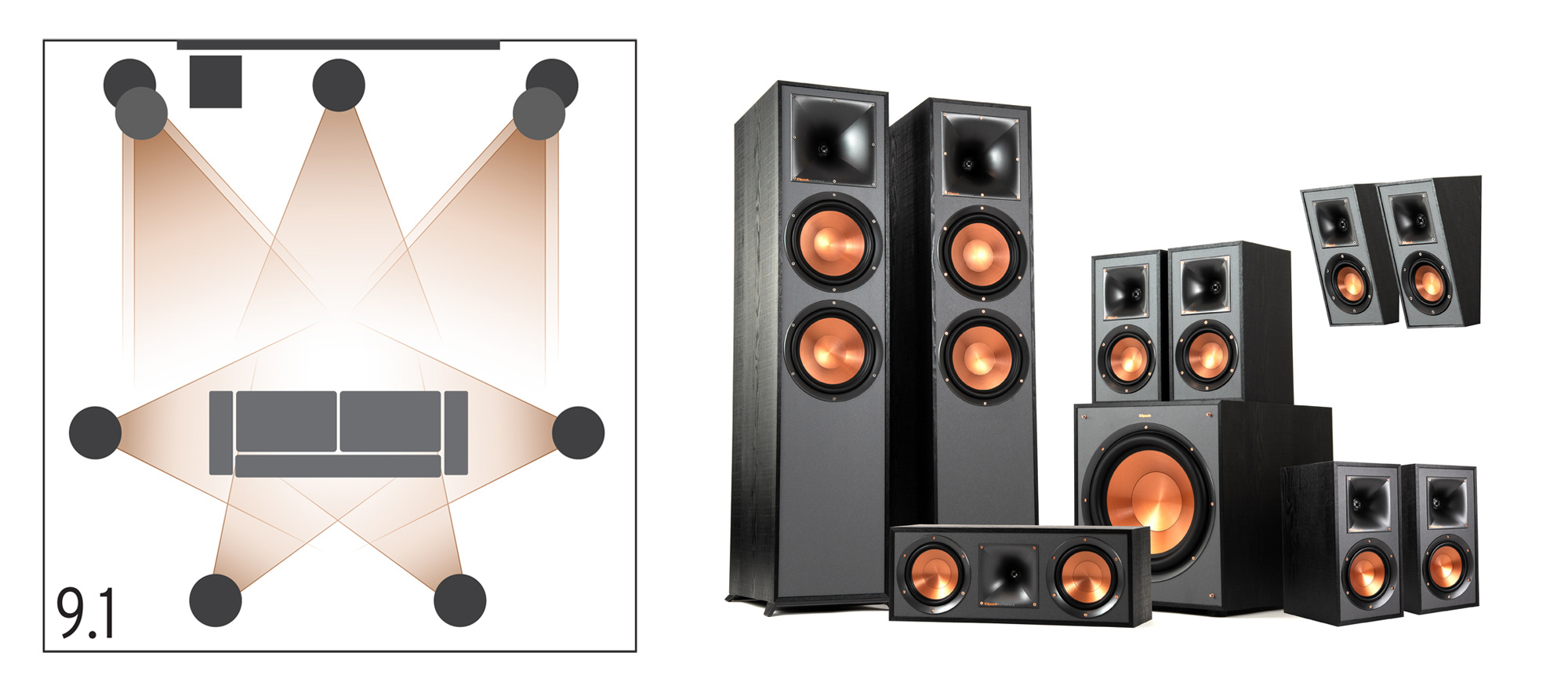
Based on expert consensus and manufacturer guidelines, an 80 Hz crossover setting is recommended as the starting point for integrating Klipsch RP-280FA speakers with the R-112SW subwoofer. This setting effectively delegates frequencies below 80 Hz to the subwoofer while allowing the RP-280FA speakers to handle mid and high frequencies.
Why 80 Hz?
The Klipsch RP-280FA floor-standing speakers have a frequency response that extends down to approximately 32 Hz (claimed) or 37 Hz (measured). Setting the crossover at 80 Hz ensures that the subwoofer manages the lower frequencies without overburdening the main speakers, promoting clarity and preventing distortion in both the speakers and the subwoofer.
Supporting Details
- The R-112SW subwoofer is designed to handle frequencies from 40-160 Hz, making it well-suited to manage the lower end when set to 80 Hz.
- An 80 Hz setting is a widely accepted standard that provides a good balance between bass performance and overall sound quality.
Factors Influencing Crossover Settings
While 80 Hz serves as a solid starting point, several factors can influence the optimal crossover setting for your specific environment and preferences.
Room Acoustics
The size, shape, and materials of your room can significantly impact how sound waves behave. Rooms with lots of hard surfaces may reflect sound, while those with more soft furnishings may absorb it. These characteristics can affect the perceived bass response, necessitating adjustments to the crossover setting.
Speaker Placement
The positioning of your speakers and subwoofer plays a crucial role in sound distribution. For instance, placing the subwoofer in a corner can enhance bass response, while placing it near a wall might lead to excessive boominess. Experimenting with placement can help determine the most effective crossover setting.
Listening Preferences
Individual preferences for bass levels and overall sound balance will influence your crossover settings. Some listeners may prefer a more pronounced bass presence, warranting a slightly lower crossover setting, while others may favor a tighter, more controlled bass, suggesting a higher setting.
System Calibration Tools
Utilizing calibration tools, such as built-in room correction systems in your AV receiver or specialized software like Room EQ Wizard (REW), can aid in identifying the optimal crossover point by providing detailed measurements of your system's frequency response.
Step-by-Step Guide to Setting the Crossover
Achieving the ideal crossover setting involves a systematic approach to ensure that both the main speakers and the subwoofer work harmoniously. Follow these steps to configure your Klipsch RP-280FA speakers with the R-112SW subwoofer effectively.
1. Initial Setup
Begin by connecting your Klipsch RP-280FA speakers and the R-112SW subwoofer to your AV receiver or amplifier. Ensure that all connections are secure and that your system is properly powered on.
2. Set Crossover on Receiver
Access the crossover settings in your AV receiver's menu. Set the crossover frequency to 80 Hz, and designate the RP-280FA speakers as "small" if that option is available. This configuration instructs the receiver to route frequencies below 80 Hz to the subwoofer.
3. Adjust Subwoofer Settings
On the R-112SW subwoofer, set the Low Pass Filter (crossover) knob to 80 Hz to match the receiver's setting. Additionally, set the subwoofer's phase control to 0 degrees as a starting point.
4. Position the Subwoofer
Place the subwoofer in your listening area, preferably near a wall or in a corner to enhance bass response. Avoid placing it directly in the center of the room, as this can lead to uneven bass distribution.
5. Calibrate the System
Use your receiver's built-in room correction system (e.g., Audyssey) to calibrate the system. This process typically involves playing test tones and adjusting settings based on the room's acoustics.
6. Fine-Tune the Crossover
After initial calibration, play a variety of audio content, including music and movies with heavy bass. Listen for any gaps or overlaps in the frequency response. Adjust the crossover setting incrementally—either up or down by 5 Hz—to find the most seamless integration between the speakers and subwoofer.
Fine-Tuning Your Setup
Once the initial setup is complete, further adjustments may be necessary to cater to specific preferences and room characteristics.
Phase Adjustment
The phase control on the subwoofer can help align the subwoofer's output with the main speakers. Experiment with different phase settings (e.g., 0° and 180°) to determine which provides the best bass coherence and depth.
Volume/Gain Adjustment
Adjust the subwoofer's volume to blend seamlessly with the main speakers. A common starting point is around 60-75% of its maximum gain. Fine-tune based on how the bass integrates with the overall sound.
Bass Management
Ensure that the bass response is consistent across all listening positions. If certain areas of the room experience excessive boominess or weak bass, consider using bass traps or repositioning furniture to mitigate these issues.
Equalization
Employ equalization techniques to address specific frequency imbalances. While some AV receivers offer built-in EQ settings, using software like Room EQ Wizard can provide more precise control over frequency adjustments.
Tools and Techniques for Optimization
Leveraging the right tools and techniques can significantly enhance the precision and effectiveness of your crossover settings.
Room Correction Systems
Many modern AV receivers come equipped with room correction systems such as Audyssey, YPAO, or MCACC. These systems analyze the room's acoustics using a series of test tones and automatically adjust settings to optimize sound performance.
Measurement Software
Software like Room EQ Wizard (REW) allows for detailed measurement and analysis of your audio system's frequency response. By connecting your computer to a measurement microphone, you can visualize and adjust the crossover settings with high precision.
Calibration Microphones
Utilizing a calibration microphone can assist in achieving accurate system measurements. These devices are designed to capture the room's sound profile, facilitating more precise adjustments.
Listening Tests
Conduct subjective listening tests using a variety of audio content. Pay attention to how the bass integrates with the main speakers, ensuring there are no noticeable gaps or overwhelming boominess.
Common Mistakes to Avoid
To ensure optimal performance, be mindful of common pitfalls that can compromise the effectiveness of your crossover settings.
Overlapping Frequencies
Avoid setting the crossover frequency too high, which can cause the subwoofer to handle frequencies that the main speakers are also reproducing. This overlap can lead to muddiness and reduced clarity in the audio.
Ignoring Room Acoustics
Failing to account for the room's acoustic properties can result in suboptimal bass performance. Room size, shape, and materials play a significant role in how sound propagates and should be considered when setting the crossover.
Neglecting Calibration Tools
Overlooking the use of calibration tools and measurement software can limit the precision of your settings. These tools provide valuable insights that can enhance the integration of your subwoofer and speakers.
Improper Subwoofer Placement
Incorrect placement of the subwoofer can negatively impact bass performance. Experiment with different locations to find the spot that offers the most balanced and impactful bass response.
HTML Table: Crossover Settings and Their Effects
| Crossover Setting (Hz) | Effect on Sound | Best For |
|---|---|---|
| 60-70 | Emphasizes deeper bass frequencies, may require precise phase alignment | Listeners who prefer strong, deep bass; larger rooms |
| 70-80 | Balances between deep and mid-bass, smooth integration with main speakers | General home theater and music listening; medium-sized rooms |
| 80-100 | Provides tighter, more controlled bass; reduces handle lower frequencies | Compact rooms; listeners who prefer less boomy bass |
Conclusion
Setting the correct crossover frequency is pivotal in achieving a harmonious balance between your Klipsch RP-280FA speakers and the R-112SW subwoofer. Starting with an 80 Hz crossover serves as a reliable baseline, ensuring that the subwoofer handles the lower frequencies while the main speakers adeptly manage the mid and high ranges. However, optimal performance often requires fine-tuning based on room acoustics, speaker placement, and personal listening preferences.
Utilizing calibration tools and conducting thorough listening tests can further refine your settings, eliminating potential issues like frequency overlap or inadequate bass response. By carefully adjusting the crossover and other subwoofer settings such as phase and volume, you can enhance the overall sound quality, resulting in a rich and immersive audio experience tailored to your unique environment and preferences.
References
Last updated February 16, 2025