
How to Know if You Have ADHD Without Visiting a Therapist
A Comprehensive Guide to Self-Assessment and Management of ADHD Symptoms
Key Takeaways
- Understand Core Symptoms: Recognizing the primary signs of inattention and hyperactivity is essential for identifying potential ADHD.
- Utilize Self-Assessment Tools: Tools like the Adult ADHD Self-Report Scale (ASRS) and online quizzes can help gauge the presence of ADHD symptoms.
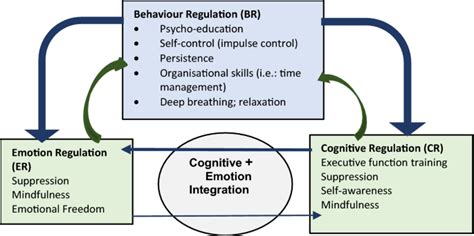
- Implement Lifestyle Strategies: Adopting structured routines, organizational tools, and mindfulness practices can assist in managing ADHD-like behaviors.
Understanding ADHD and Its Core Symptoms
Inattention
Common Inattention Symptoms
- Difficulty sustaining focus on tasks or activities.
- Frequently making careless mistakes in work or other activities.
- Struggling to organize tasks or manage time effectively.
- Avoiding tasks that require sustained mental effort.
- Frequently losing items such as keys, phones, or important documents.
- Being easily distracted by external stimuli or unrelated thoughts.
- Forgetfulness in daily activities, leading to missed appointments or deadlines.
Hyperactivity and Impulsivity
Common Hyperactivity/Impulsivity Symptoms
- Fidgeting or tapping hands or feet when seated.
- Feeling restless or unable to remain seated in situations where it is expected.
- Talking excessively or interrupting others during conversations.
- Difficulty waiting for turns in conversations or group activities.
- Acting impulsively without considering the consequences of actions.
- Interrupting or intruding on others’ activities or conversations.
- Experiencing impatience and frustration in various settings.
Adult-Specific ADHD Symptoms
Signs Unique to Adults
- Chronic procrastination and difficulty initiating tasks.
- Time management challenges, leading to lateness or missed deadlines.
- Emotional dysregulation, such as irritability, frustration, or mood swings.
- Difficulty maintaining relationships due to inattentiveness or impulsivity.
- Low self-esteem stemming from perceived underachievement or repeated failures.
- Frequent changes in jobs or careers without long-term stability.
- Impulsive decision-making in financial or personal matters.
Using Self-Assessment Tools
Adult ADHD Self-Report Scale (ASRS)
The Adult ADHD Self-Report Scale (ASRS) developed by the World Health Organization (WHO) is a widely recognized screening tool designed to identify ADHD symptoms in adults. It consists of 18 questions that assess both inattentive and hyperactive-impulsive behaviors aligned with ADHD diagnostic criteria.
Completing the ASRS can provide a preliminary indication of whether your symptoms align with those typically associated with ADHD. However, it is important to note that while the ASRS is a valuable screening tool, it cannot replace a formal diagnosis provided by a healthcare professional.
Online Quizzes and Symptom Checklists
Numerous reputable websites offer online quizzes and symptom checklists tailored to help individuals identify potential ADHD patterns. These tools can aid in recognizing whether you exhibit behaviors consistent with ADHD. Some reliable resources include:
While these online tools can provide insights, they should be used as supplementary resources rather than definitive diagnostic instruments.
Self-Reflection and Journaling
Engaging in self-reflection and maintaining a journal can help you track your symptoms over time. Documenting specific instances where you struggle with focus, impulsivity, or hyperactivity can illuminate patterns that may indicate ADHD. Consider noting the following:
- When and where symptoms occur.
- Situations that trigger or exacerbate symptoms.
- The impact of these symptoms on your daily life and relationships.
- Strategies you use to cope with or mitigate symptoms.
This detailed record can be invaluable if you decide to seek professional help in the future.
Reflecting on Your Daily Life
ADHD symptoms typically affect multiple areas of an individual's life. Reflecting on how these symptoms manifest in different contexts can provide a clearer understanding of their impact.
Work or Academic Performance
- Difficulty meeting deadlines or managing time effectively.
- Challenges in staying organized or prioritizing tasks.
- Frequent interruptions or inability to complete projects.
- Inconsistent performance levels despite potential and intelligence.
Relationships
- Struggles with active listening, leading to misunderstandings.
- Interrupting conversations or appearing inattentive.
- Forgetfulness impacting personal commitments and trust.
- Emotional volatility affecting interactions with others.
Personal Life
- Chronic procrastination hindering personal goals and responsibilities.
- Disorganization causing stress and inefficiency in daily tasks.
- Feelings of being overwhelmed by household or personal responsibilities.
- Difficulty maintaining consistent routines and habits.
If these challenges have been persistent since childhood and are present across various settings—such as at home, work, and in social environments—it increases the likelihood that ADHD may be the underlying cause.
Reviewing Your Family History
ADHD has a significant genetic component, making family history an important factor to consider when assessing your own symptoms.
- Check if close family members, such as parents or siblings, have been diagnosed with ADHD.
- Observe if family members exhibit similar inattentive or hyperactive behaviors.
- Consider genetic predispositions that may increase the likelihood of ADHD.
Understanding your family history can provide additional context and support the possibility that you may have ADHD.
Tracking Your Symptoms
Keeping a Symptom Journal
Maintaining a detailed symptom journal is an effective way to monitor the frequency, intensity, and context of your ADHD-related behaviors. Consider tracking the following:
- Instances of inattention, such as losing focus during tasks.
- Episodes of hyperactivity or impulsivity, like fidgeting or interrupting others.
- Triggers that lead to or worsen symptoms, such as stress or lack of sleep.
- Strategies employed to manage symptoms and their effectiveness.
Analyzing Patterns
Regularly review your journal entries to identify recurring patterns or triggers. This analysis can help you understand the situations that exacerbate your symptoms and develop strategies to manage them more effectively.
Considering Alternative Resources
Books and Educational Materials
Educating yourself about ADHD through reputable books and articles can enhance your understanding and provide valuable management strategies. Recommended readings include:
- Driven to Distraction by Edward M. Hallowell and John J. Ratey
- ADHD in Adults: What the Science Says by Russell A. Barkley
- Articles from authoritative sources like the National Institute of Mental Health (NIMH) and Mayo Clinic.
Online Communities and Support Groups
Connecting with others who have similar experiences can provide emotional support and practical advice. Consider joining online forums, support groups, or social media communities focused on ADHD:
- Reddit’s ADHD Community
- ADHD Support Groups
Educational Videos and Webinars
Visual and auditory learning through videos and webinars can offer insights into ADHD management techniques. Trusted sources include:
Implementing Lifestyle Changes
Creating Routines and Using Organizational Tools
- Establishing consistent daily routines to provide structure.
- Utilizing planners, calendars, or digital apps to track tasks and appointments.
- Setting reminders and alarms to stay on schedule.
Breaking Tasks into Manageable Steps
- Dividing larger tasks into smaller, more achievable steps.
- Focusing on one task at a time to prevent feeling overwhelmed.
- Setting specific, realistic goals for each step to measure progress.
Incorporating Mindfulness Practices
- Engaging in meditation or deep breathing exercises to enhance focus.
- Practicing techniques that reduce impulsivity, such as pausing before responding.
- Using mindfulness to become more aware of distracting thoughts and redirect focus.
Setting Up Visual Reminders and Limits
- Posting notes or using color-coded systems to remember tasks and deadlines.
- Designating specific areas for essential items to prevent loss.
- Limiting electronic distractions by creating quiet workspaces or using apps that block interruptions.
Implementing Time Management Strategies
- Using timers to allocate specific periods for tasks.
- Prioritizing tasks based on importance and deadlines.
- Avoiding multitasking, which can decrease overall productivity.
Ruling Out Other Possible Causes
ADHD symptoms can overlap with other conditions or be influenced by various non-ADHD factors. It's crucial to consider and rule out these possibilities to gain a clearer understanding of your symptoms.
Mental Health Conditions
- Anxiety: Can cause restlessness and difficulty concentrating, similar to ADHD.
- Depression: May lead to inattention and lack of motivation.
- Stress: High levels of stress can impair concentration and executive functions.
Medical Conditions
- Thyroid Dysfunction: Can result in fatigue, irritability, and cognitive issues resembling ADHD.
- Sleep Disorders: Poor sleep quality can impact attention and hyperactivity levels.
- Chronic Illnesses: Conditions like fibromyalgia or chronic fatigue syndrome can affect focus and energy levels.
Lifestyle Factors
- Excessive screen time or lack of physical activity can mimic ADHD symptoms.
- Substance abuse may interfere with cognitive functions and attention.
- Poor nutrition or irregular eating habits can affect energy levels and concentration.
Consider consulting a general practitioner for a comprehensive physical checkup to rule out medical causes if possible. Understanding the root of your symptoms is essential for effective management.
Seeking Low-Cost or Remote Resources
Telehealth Services
Telehealth options provide access to mental health professionals remotely, offering a convenient and often more affordable alternative to in-person visits. These services can include consultations, therapy sessions, and even diagnostic assessments for ADHD.
- Platforms like Teladoc, Amwell, and BetterHelp offer telehealth services that may include ADHD assessments.
- Some services may offer sliding scale fees based on income, making them more accessible.
Support Groups
Joining support groups can provide emotional support and practical strategies for managing ADHD symptoms. These groups can be found both locally and online, offering a platform to share experiences and advice.
- Online platforms like Meetup host various ADHD support groups.
- Social media groups, such as those on Facebook or Reddit (Reddit’s ADHD Community), offer forums for discussion and support.
Community Health Centers
Community health centers often provide mental health services on a sliding scale based on income, making professional help more affordable. These centers can offer assessments, counseling, and management plans for ADHD.
- Visit the Health Centers by ZIP Code to locate a center near you.
- Some community centers may offer group therapy sessions, which can be both affordable and beneficial.
Educational Workshops and Seminars
Attending workshops and seminars focused on ADHD can provide deeper insights and practical strategies for managing symptoms. These events often feature experts who share the latest research and best practices.
- Organizations like CHADD (Children and Adults with Attention-Deficit/Hyperactivity Disorder) offer workshops and educational seminars.
- Local community colleges or adult education centers may host relevant events.
Implementing Coping Strategies
Organizational Tools and Technology
- Use digital planners or calendar apps like Google Calendar or Todoist to organize tasks and set reminders.
- Implement note-taking apps such as Evernote or OneNote for keeping track of ideas and important information.
- Utilize project management tools like Trello or Asana to manage ongoing projects and collaborate with others.
Physical Activity and Exercise
- Incorporate regular physical activity into your routine to help manage hyperactivity and improve concentration.
- Activities such as yoga, running, or team sports can enhance focus and reduce stress.
- Even short walks or stretching can provide significant benefits throughout the day.
Healthy Diet and Nutrition
- Maintain a balanced diet rich in fruits, vegetables, whole grains, and lean proteins to support overall brain health.
- Avoid excessive intake of sugar and processed foods, which can lead to energy spikes and crashes.
- Stay hydrated by drinking plenty of water, as dehydration can impact cognitive functions.
Sleep Hygiene
- Establish a consistent sleep schedule by going to bed and waking up at the same times each day.
- Create a relaxing bedtime routine to improve sleep quality, such as reading or taking a warm bath.
- Limit screen time before bed to reduce exposure to blue light, which can interfere with sleep.
Stress Management
-
Practice relaxation techniques such as deep breathing, meditation, or progressive muscle relaxation.
-
Engage in hobbies and activities that bring joy and reduce stress levels.
-
Set realistic goals and prioritize tasks to avoid feeling overwhelmed.
Conclusion
While identifying ADHD without professional assistance can be challenging, a structured approach incorporating self-assessment tools, symptom tracking, and lifestyle modifications can provide valuable insights into whether ADHD may be present. Understanding the core symptoms, reflecting on their impact across various life domains, and considering genetic factors through family history are crucial steps in this self-assessment process.
Implementing organizational strategies, maintaining a healthy lifestyle, and utilizing available resources can help manage ADHD-like symptoms effectively. However, it is important to acknowledge that only a licensed mental health professional can provide a definitive diagnosis. If your symptoms significantly impair your quality of life, continue seeking avenues to access professional help through telehealth services, community health centers, or support groups.
Proactive management and continuous self-education can empower you to navigate the challenges associated with ADHD, enhancing both personal and professional aspects of your life.
References
Last updated January 19, 2025