
Approaching EU and USA Companies: A Strategic Guide for Kosovo Intermediaries
Crafting a Comprehensive Plan to Expand Your Export Reach
Key Insights and Takeaways
- Regulatory and Compliance Clarity: Ensure complete understanding of the EU and USA regulatory frameworks to streamline product certification, tax obligations, and customs requirements.
- Utilize Strategic Market Channels: Leverage a combination of online marketplaces, trade shows, digital marketing, and personalized networking to connect with potential buyers.
- Local Partnerships and Tailored Sales Pitches: Develop strong local alliances and customize your approach to address cultural preferences and market-specific needs.
Understanding the Market Landscape
As an intermediary company in Kosovo, your task is to bridge the gap between Kosovo’s quality products and the competitive markets of the EU and USA. The sell-through strategy begins with extensive market research, including identifying market demand and consumer purchasing behaviors. Understanding the dynamics of each region is imperative:
Conducting Market Research
Begin by identifying key industry sectors that are favorable for Kosovo products, such as agricultural goods, minerals, and specialized manufactured items. Use resources such as country-specific commercial guides, international databases, and expert publications to gather data on competitors, pricing trends, and consumer preferences in both the EU and USA. You should pay attention to factors such as:
- Product demand and price sensitivity
- Seasonal variations and market trends
- Competitor analysis and differentiators of Kosovo products
Additionally, online resources and export promotion agencies provide market insights which are critical when tailoring your sales strategy.
Regulatory Compliance and Tax Obligations
One of the first considerations must be the differing regulatory regimes in the EU and USA. For example, in the EU:
- Product safety certifications are mandatory, ensuring that goods meet European Union standards.
- VAT compliance is essential. Depending on the nature of your business and storage facilities, you might have to register for VAT in different member states. Utilizing the One Stop Shop mechanism can simplify this process.
- Adherence to the General Data Protection Regulation (GDPR) if you plan to collect or manage customer data digitally is required.
In contrast, the USA emphasizes compliance with different sets of safety certifications and labeling standards, which may vary by state. Investing time to consult legal experts in international trade will help you navigate these challenges efficiently.
Building and Leveraging Effective Sales Channels
Multi-Channel Approach
A multi-channel sales strategy is a critical component of your expansion efforts. Given the different approaches preferred by buyers in the EU and USA, your strategy should be adaptable yet focused.
Online Marketplaces and Trade Platforms
Platforms like Tradewheel, eWorldTrade, and other specialized B2B marketplaces support the connection between international buyers and sellers. By establishing a presence on these portals, you can efficiently display your product portfolio, track inquiries, and manage leads.
Social Media and Professional Networks
Modern business demands a strong digital presence. Social media platforms and networks such as LinkedIn allow you to:
- Establish direct communications with target companies and decision-makers.
- Share detailed insights on your products and success stories.
- Participate in industry-specific groups which foster potential long-term relationships.
Trade Shows, Exhibitions, and Business Delegations
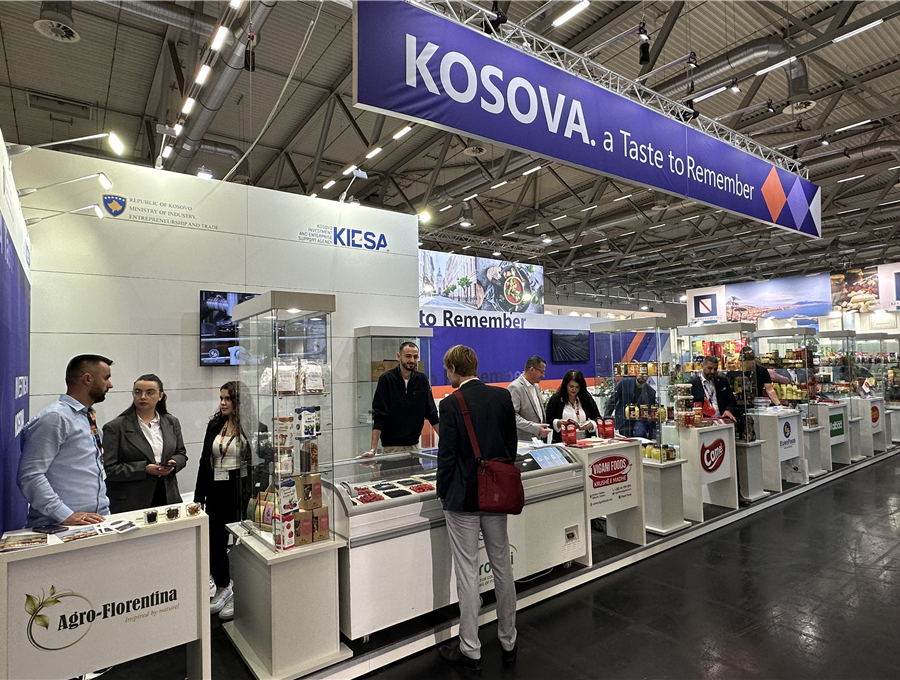
Physical presence at trade shows and exhibitions remains invaluable. These venues not only offer the chance to showcase the unique qualities and competitive advantages of Kosovo's products but also provide a forum for face-to-face meetings and negotiations. In both the EU and USA, trade fairs are well-recognized events for industry-specific networking.
Strategic Partnerships and Local Alliances
To overcome market entry barriers, it is highly recommended to form alliances with local partners:
Local Distributors and Sales Agents
Collaborate with established local distributors who are well-versed in regional business practices. A local representative or general agent can help tailor your product offerings and negotiate on your behalf, taking into account cultural nuances and local preferences.
Utilization of Export Promotion Agencies
Engage with export promotion agencies, both in Kosovo and target markets. These agencies can provide strategic advice and facilitate introductions, reducing the friction inherent in penetrating competitive markets.
Collaborations with Business Associations
Local business associations, such as the American Chamber of Commerce in Kosovo or EU trade associations, provide platforms for networking, shared resources, and market insights. Being active in these organizations not only builds credibility but also expands your reach in international markets.
Crafting a Tailored Sales Pitch
Developing Compelling Marketing Materials
The key to persuading potential buyers lies in a well-structured sales pitch that highlights the unique strengths and benefits of sourcing products from Kosovo. Your marketing materials should:
- Emphasize quality, reliability, and economic benefits such as favorable tax advantages or competitive pricing.
- Include detailed product information such as origin, manufacturing process, certifications, and safety standards.
- Display visual elements such as high-quality images of products, packaging, and any certifications.
Alongside printed materials, digital content like websites, brochures, and video presentations should be available in multiple languages (at least English and relevant local languages of the target markets) to ensure a wider audience reach.
Personalizing Communications for Different Markets
Although your product may appeal to a broad audience, the approach should consider the distinct cultural and business etiquettes. European buyers often value a relationship-driven approach and may expect a more humble, nuanced presentation that builds trust over time. On the other hand, the US market might appreciate a more direct and results-oriented communication style.
You could start with targeted email or letter campaigns that sufficiently detail your company’s credentials, product benefits, and offer a personal touch. For example, an introductory email may include:
- A brief background about your company and experience in international trade.
- A highlight of Kosovo’s competitive advantages in terms of cost, quality, and innovation.
- An invitation for further dialogue or physical meetings, with demonstrative data and product samples attached.
Implementing Effective Logistics and Distribution
One of the key components in a successful international sales strategy is your logistics and distribution plan. Working with established transportation companies and reliable courier services is essential to ensure timely and efficient delivery.
Logistical Considerations
Transportation Solutions
Identify and partner with reputable transportation and logistics companies that have established networks in both Europe and North America. This ensures that your products are delivered swiftly while complying with shipping and customs regulations.
Customs and Duties
Familiarize yourself with customs requirements in both the EU and USA. It is crucial to maintain transparency on the applicable duties and taxes to avoid delays. Working with experienced logistics providers can reduce potential friction, ensuring smooth clearance and distribution.
Table: Key Elements for a Successful Market Entry
| Strategic Area | Key Actions | Target Market Considerations |
|---|---|---|
| Market Research | Identify industry trends, pricing models, and competitor performance | Adapt research to the specific needs of EU versus USA |
| Regulatory Compliance | Obtain safety certifications, understand VAT, and meet labeling standards | EU: stringent standards and VAT; USA: state-specific regulations |
| Digital & Trade Platforms | Establish presence on online marketplaces and participate in trade fairs | Tailor platform usage to culturally aligned communication styles |
| Local Partnerships | Form alliances with distributors, agents, and business associations | Capitalize on local market insight and trusted networks |
| Sales Pitch and Marketing | Create customized pitches and multilingual marketing materials | Differentiate between direct US approaches and relationship-based EU engagements |
| Logistics & Distribution | Partner with experienced logistics companies and plan for customs clearance | Ensure streamlined delivery and transparent duties/taxes |
Digital Marketing and Outreach Strategies
Maximizing Your Online Presence
In today’s digital age, building an influential online presence transcends traditional business cards and trade show brochures. Digital marketing tactics can expand your reach, elevate brand credibility, and drive inbound inquiries. Consider these key initiatives:
Search Engine Optimization (SEO) and Content Marketing
Optimize your website and digital content for search engines. Use relevant keywords and meta descriptions that emphasize Kosovo’s unique advantages. Additionally, maintaining an active blog or news section featuring articles on international trade, product quality, and regulatory updates can build trust and authority in your markets.
Social Media Engagement
Use platforms such as LinkedIn, Facebook, and Instagram to share success stories, product showcases, and behind-the-scenes insights into your operations. Building a social media presence that is both professional and engaging will help attract a diverse clientele.
Email Marketing Campaigns
Develop segmented email marketing campaigns that target specific industries and geographic locations. Personalize the content of your emails to speak directly to the needs and business challenges of each target market. This can lead to more effective relationship building and conversion.
Developing a Data-Driven Sales Strategy
Data analysis is an essential tool for continuously refining your market strategy. By tracking key performance indicators (KPIs) and analyzing customer feedback, you can adjust your approaches in real-time to optimize sales. Consider incorporating the following:
- CRM Tools: Implement customer relationship management software to streamline communications, track client interactions, and maintain accountability.
- Performance Analytics: Use analytics platforms to monitor website traffic, conversion rates, and engagement on digital marketing channels.
- Feedback Loops: Regularly solicit feedback from new and existing clients to gauge satisfaction levels and areas for improvement.
Empower your team through regular training sessions based on the latest market trends and regulatory changes. Staying informed ensures your strategies remain relevant and effective as market conditions evolve.
Effective Communication and Relationship Building
Establishing Trust and Credibility
Building and maintaining trust is central to successful international business relationships. Create a communication strategy that focuses on transparency, reliability, and mutual benefit.
Tailored Outreach Initiatives
Whether sending an introductory email or meeting potential partners in person, personalize every interaction. Use comprehensive and well-researched communication materials that outline:
- The unique selling points of Kosovo’s products
- Strategic benefits such as competitive pricing and high quality
- Clear logistics details that minimize concerns related to shipping and customs clearance
A clear, professional approach combined with consistent follow-ups helps reinforce your commitment to providing quality products and aligning with the needs of your business partners.
Funding and Resource Allocation Considerations
Expanding successfully into the EU and USA markets may require an upfront investment in branding, legal consultancy, and logistics. Allocating sufficient resources towards market research, digital marketing, and regulatory consultations will result in diversified risk and increased market penetration.
Budgeting for Expansion
Investing in Talent and Technology
Hire skilled trade professionals who understand international markets. Alongside human talent, investing in modern CRM systems and ERP software can help manage operations effectively. By tracking performance and remaining agile, you can adjust your resources as markets evolve.
Leveraging Governmental and Non-Governmental Support
Check with local governmental agencies and export promotion councils for financial incentives or grants that support market expansion. These programs are often designed to mitigate the risks associated with entering new regions.
References
- 10 Best Sites to Find International Buyers Online - Global Trade Mag
- Find Buyers and Partners - International Trade Administration
- Find Buyers for Export Business - Amazon Global Selling
- EU VAT Rules - EuroVAT
- Tips for US Retailers Selling Online in Europe - Swanky Agency
Recommended Related Queries

Last updated March 7, 2025