
Kurd kîne? İn-Depth Exploration of Kurdish Identity
Discovering the Ethnic, Cultural, and Historical Significance of the Kurds
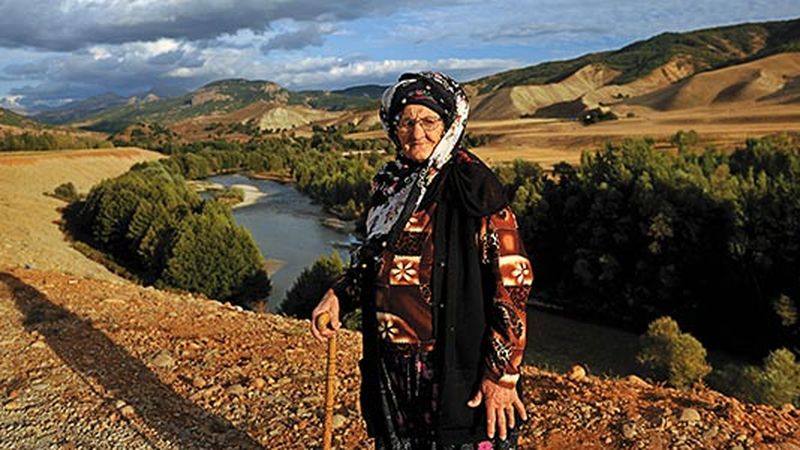
Highlights
- Kurdish Identity and Geography: The Kurds are an ancient ethnic group primarily residing in a region known as Kurdistan, spread across parts of Turkey, Iran, Iraq, and Syria.
- Cultural and Linguistic Richness: Kurdish culture is expressed through its distinct language, dialects, music, folklore, and unique historical narratives.
- Historical and Political Dynamics: The Kurds have a long history marked by struggles for autonomy and recognition, influencing modern geo-political contexts.
Understanding the Kurdish Peoples: Ethnicity and Identity
The question "Kurd kîne?" translates to “Who are the Kurds?” and encapsulates an inquiry into the ethnic, cultural, and historical identity of the Kurdish people. The Kurds represent a distinct ethnic group with roots deeply embedded in the Middle Eastern landscape. Their presence spans a significant geographical region known as Kurdistan, a territory that extends over parts of Turkey, Syria, Iraq, and Iran. This region, though not always recognized as a sovereign state, is characterized by its unique cultural mosaic and historical significance.
Historical Background
Ancient Origins and Evolution
The historical origins of the Kurds trace back thousands of years. Their roots are often associated with the ancient populations of the Mesopotamian and surrounding highlands. Historical studies suggest that Kurdish ancestors might have even connections reaching into the Mesolithic period, which is estimated to be around 11,000 years ago. Over millennia, these people have developed distinct societal structures, languages, and cultural practices that have been passed down through successive generations.
Despite their ancient roots, the Kurds have often felt marginalized in the modern nation-states that were carved out of the former Ottoman and Persian empires. The political restructuring of the 20th century, particularly following the dissolution of these empires, left the Kurdish people without an independent, recognized state, even as they maintained a strong and unique identity. The desire for autonomy and self-governance has been a recurring theme in Kurdish history, especially highlighted in the turbulent decades following World War I and the subsequent reorganization of the Middle East.
Cultural and Social Structures
Kurdish society is characterized by its rich cultural fabric. A defining feature of Kurdish identity is its language. Kurdish is part of the larger Iranian branch of Indo-European languages, carrying several dialects, with Kurmancî and Soranî being the most widely spoken. In addition to language, Kurdish culture is also distinguished by its oral traditions, music, dance, and storytelling, which have played an essential role in preserving collective memory and identity.
The social structure among Kurdish communities is often organized around tribal bonds, rural and mountainous lifestyles, as well as a deep connection to the land. Kurdish folklore, literature, and traditions emphasize themes of resilience, honor, and community solidarity. These elements have not only shaped the everyday lives of thousands of Kurds but have also served as powerful symbols of resistance and identity in the face of political and cultural pressures.
Geography and Demographics
The Region of Kurdistan
The region commonly referred to as Kurdistan does not have international borders as defined by modern nation-states but comprises an area that includes parts of southeastern Turkey, northern Iraq, northwestern Iran, and northeastern Syria. Although the exact boundaries of Kurdistan can vary based on historical, political, and cultural contexts, the region is unified by common ethnic, linguistic, and cultural threads. The mountainous terrain and diverse landscapes have significantly influenced the development of the Kurdish way of life, fostering a strong community bond and a sense of shared destiny among its inhabitants.
Population and Distribution
Kurdish demographic research estimates that there are approximately 30-40 million Kurds living across the Middle East. While a large number of Kurds still reside in the rugged terrains of Kurdistan, many have migrated to urban centers and even to Western countries in recent decades, seeking better employment opportunities, safety, and education. This widespread diaspora has contributed to a broader international recognition of Kurdish cultural and political issues.
Population Distribution Table
| Country/Region | Estimated Kurdish Population | Key Cultural Centers |
|---|---|---|
| Turkey | 8-10 million | Diyarbakır, Mardin, Van |
| Iraq | 5-8 million | Erbil, Sulaymaniyah, Dohuk |
| Iran | 6-8 million | Urmia, Sanandaj, Kermanshah |
| Syria | 2-4 million | Qamishli, Kobani, Afrin |
This table provides an overview of the population distribution along with some of the major cultural hubs where Kurdish traditions thrive.
Language, Culture, and Traditions
The Kurdish Language
The Kurdish language is one of the most distinctive aspects of Kurdish identity. Being part of the Iranian language family, Kurdish features several dialects. The primary dialects include:
- Kurmancî: Predominantly spoken in Turkey and northern parts of Kurdistan, this dialect is one of the most widely used.
- Soranî: Commonly used in Iraq and the southeastern parts of Kurdistan, Soranî has a significant literary presence.
- Hewramî and Zazakî: While less prevalent than Kurmancî and Soranî, these dialects contribute to the linguistic diversity of the Kurds.
The language is not just a medium of communication; it is a repository of Kurdish history, folklore, and traditions. Kurdish literature, ranging from epic poems to modern-day writings, plays a crucial role in expressing the values and experiences of the Kurdish people.
Cultural Expressions
Music and Dance
Music has always been a powerful medium for cultural expression among the Kurds. Traditional Kurdish music is characterized by its soulful melodies and instruments such as the tembûr (a string instrument), the duduk (a woodwind instrument), and various percussion instruments. The tunes and lyrical content often reflect themes of longing, resistance, and love for the land. Kurdish dance, frequently performed at cultural gatherings and celebrations, further exemplifies the community's unity and vibrant spirit.
Folklore and Oral Traditions
Oral traditions form the backbone of Kurdish historical memory. Storytelling, poetry, and proverbs have been passed through generations, serving both as entertainment and as means of preserving the collective identity. Many of these stories recount historical struggles, heroic figures, and deep connections to the natural environment, reinforcing a sense of resilience and continuity within the community.
Religious Practices
Although the majority of Kurds are Sunni Muslims, the community is religiously diverse, incorporating different faiths and sects, including various branches of Islam, as well as minority religions such as Yazidism, Alevism, and others. This religious diversity reflects the historical interactions and cultural syncretism within the region. The religious practices among Kurds are often intertwined with cultural rituals, shaping their social customs and community celebrations.
Political and Social Dynamics
The Struggle for Recognition
One of the most defining aspects of modern Kurdish history is the struggle for self-determination and political recognition. Despite their long-standing presence in the region, Kurds have often faced challenges in achieving statehood. The dissolution of empires in the early twentieth century, followed by the establishment of nation-states, inadvertently sidelined many ethnic groups, including the Kurds.
This historical marginalization has contributed to periodic conflicts and uprisings as Kurds sought to assert their cultural and political rights. In various instances throughout the 20th and 21st centuries, Kurdish-dominated regions have witnessed uprisings and calls for greater autonomy. The collective sentiment, encapsulated in expressions such as “Kurd kîne?” or “Who are the Kurds?”, is a reflection of deep-seated demands for recognition, justice, and the right to preserve their unique cultural heritage.
Contemporary Political Landscape
In modern times, Kurdish political movements have diversified both in their goals and methods. While some groups lobby for full independence, others aim for regional autonomy within the frameworks provided by existing nation-states. The political agenda is often intertwined with demands for cultural rights, education in the Kurdish language, and the preservation of historical and social institutions that embody Kurdish identity.
The political dynamics among Kurds are influenced by regional power structures and international alliances. In nations such as Iraq, a degree of autonomy has been achieved through regional governments like the Kurdistan Regional Government (KRG), albeit with ongoing debates about resource allocation, political representation, and security. Conversely, in Turkey, Iran, and Syria, Kurdish political aspirations have been met with a mix of resistance, negotiation, and at times, suppression. Despite these challenges, Kurdish political activism continues to be a potent force in shaping both local and international political discourse.
Table: Comparative Overview of Political Developments
| Country | Political Status | Key Developments |
|---|---|---|
| Iraq | Autonomous Region | Kurdistan Regional Government and constitutionally recognized areas |
| Turkey | Minority within a unitary state | Ongoing conflict, demands for cultural rights, periodic uprisings |
| Iran | Ethnic Minority | Calls for improved cultural and political rights within a centralized state framework |
| Syria | Contested Regions | Challenges in a fragmented political landscape, autonomous initiatives in northern areas |
This table highlights the different political statuses and key developments in each country where Kurdish populations reside, reflecting their varied experiences with integration, autonomy, and resistance.
Expressions of Identity and Solidarity
Cultural Expressions in Art and Media
Art and media serve as important channels for expressing and preserving Kurdish identity. The question "Kurd kîne?" is sometimes used in cultural contexts to affirm a shared sense of belonging and collective memory. Various forms of art, including music, poetry, and visual arts, have been instrumental in broadcasting Kurdish narratives to both local and international audiences.
One prominent aspect is the use of slogans and phrases that assert Kurdish identity. These expressions appear not only in cultural productions but also in political rallies and social media platforms, serving as beacons of solidarity and resistance. Iconic works by Kurdish artists have attempted to capture the struggles, dreams, and resilience of their people, reinforcing a link between artistic expression and the quest for autonomy and recognition.
Symbols and Nationalism
Kurdish nationalism is a multifaceted phenomenon closely tied to historical memories and cultural symbols. From traditional clothing and music to modern-day political protests, symbols of Kurdish identity are ubiquitous. Nationalistic expressions have evolved over time, informed by historical experiences, regional conflicts, and external political pressures.
Public demonstrations, cultural festivals, and commemorative events serve both as celebrations of Kurdish heritage and as calls for political change. The recurring themes of resistance, freedom, and justice are central to many of these public expressions, which aim to unite diverse Kurdish groups under a common banner while highlighting the shared struggles against marginalization and oppression.
The Global Kurdish Diaspora
Migration and Cultural Continuity
Over the past few decades, the Kurdish diaspora has grown significantly as Kurds have migrated to various parts of the world, including Europe and North America. This migration is often a result of conflict, economic hardships, and political instability in their native regions. Despite the geographical spread, the diaspora has managed to maintain its cultural identity and strengthen communal ties through cultural centers, festivals, and language schools.
The global network of Kurdish communities plays an essential role in advocating for Kurdish rights internationally. These communities organize cultural exhibitions, academic conferences, and political forums, ensuring that the narrative of the Kurdish people reaches a global audience. Through these efforts, the Kurdish diaspora continuously reinforces a sense of unity and pride, which in turn affects the political dynamics in their native regions.
Impact on International Politics
The presence of a vibrant Kurdish diaspora has not only contributed to cultural preservation but also to the broader international political discourse. Diasporic Kurdish organizations often collaborate with human rights groups, international NGOs, and diplomatic bodies to raise awareness about the challenges faced by Kurds in their homelands. These initiatives have sometimes translated into concrete political pressure, encouraging governments and international institutions to consider Kurdish rights in policy-making discussions related to the Middle East.
Contemporary Challenges and Future Prospects
Navigating Political Complexities
While the Kurdish identity remains robust, modern political circumstances continue to pose challenges. The Kurds have often found themselves at the crossroads of regional conflicts and global power struggles. The absence of a unified Kurdish state has sometimes led to varied and conflicting political strategies among Kurdish groups, impacting their effectiveness in negotiations with established governments. This fragmented political landscape, however, does not diminish the collective aspiration for recognition and self-determination.
The future of the Kurdish people is closely linked to regional stability and international diplomatic engagements. While some regions have witnessed remarkable progress towards autonomous governance, others remain fraught with conflict and repression. Critical issues such as resource management, political representation, and cultural preservation remain central to Kurdish debates, both in Kurdistan and within the diaspora communities worldwide.
Cultural Preservation Amid Social Change
Cultural preservation of Kurdish heritage stands as a vital element in the face of rapid social change. Modern influences, including globalization and digital media, have begun reshaping Kurdish cultural practices. Yet, these changes also provide opportunities for cultural renewal. Digital platforms allow for the widespread dissemination of Kurdish literature, music, and scholarly work, fostering a renewed interest in the language and traditions among younger generations.
Educational institutions, both within Kurdistan and in diaspora communities, play a pivotal role in instilling a sense of historical continuity. Courses in the Kurdish language, history, and folklore not only educate but also empower young Kurds to explore their cultural roots and contribute to a sustained cultural revival. This interplay between tradition and modernity appears to be a promising path for the future of Kurdish identity.
Modern Initiatives and Educational Efforts
Educational initiatives, cultural festivals, and social media campaigns are increasingly employed by Kurdish communities to preserve their language and heritage. The advent of the internet has enabled the creation of online archives, digital libraries, and virtual classrooms that teach Kurdish history and literature. This approach helps bridge the gap between generations, ensuring that while modernization may influence day-to-day life, the core values and traditions of the Kurdish people are not lost.
Broader Implications of the Kurdish Identity
Interplay of Cultural Identity and Politics
The notion of "Kurd kîne?" extends beyond a mere ethnic definition—it represents an intricate interplay between cultural identity and politics. The Kurdish struggle for autonomy, self-determination, and the preservation of identity is emblematic of broader challenges faced by many minority groups around the world. Their experiences highlight the ways in which marginalized populations negotiate their cultural heritage within dominant political frameworks.
This dynamic has educational significance on a global scale, inviting discussions on cultural diversity, human rights, and the responsibilities of nation-states towards minority communities. In many ways, the Kurdish narrative contributes to a broader understanding of identity politics, encompassing issues of language rights, cultural survival, and political inclusion. This dialogue influences academic research, international policy discussions, and the collective memory of communities both within and outside Kurdistan.
The Role of International Perspectives
Global perspectives on Kurdish identity involve understanding the balance between local traditions and international influences. The engagement of Kurdish communities in international forums has enabled them to present their case on platforms that extend well beyond regional politics. Concerted efforts by Kurdish activists, scholars, and cultural practitioners seek to transform their narrative into one of resilience, creativity, and historical continuity. This transition reflects a broader trend of minority groups leveraging digital media and international alliances to secure recognition and support.
In addition, international academics and policymakers contribute to a nuanced understanding of Kurdish issues through field research and policy papers. These contributions aim to foster dialogue, promote human rights, and encourage peaceful resolutions to conflicts in the region. Thus, international collaboration becomes a cornerstone in the quest for a more inclusive and equitable political landscape, where the recognition of diverse cultural identities is both celebrated and protected.
Conclusion
In summary, the question "Kurd kîne?" opens up a comprehensive exploration of the Kurdish people's identity which is multifaceted and deeply rooted in history, culture, and political struggles. The Kurds, an ancient ethnic group, inhabit a region commonly known as Kurdistan, spanning parts of Turkey, Iran, Iraq, and Syria. Their unique identity is encapsulated by a rich cultural heritage expressed through language, music, folklore, and art. Over the centuries, the Kurds have endured political marginalization and have continuously sought recognition and autonomy. Despite the challenges, they have maintained a robust sense of community, further reinforced by the widespread diaspora which actively contributes to the preservation and advancement of Kurdish identity on the global stage.
The Kurdish struggle reflects broader themes of minority rights and cultural preservation amidst modern political dynamics. It emphasizes the critical balance between traditional values and contemporary influences, urging an appreciation for the ways in which identity can be both resilient and adaptive. As Kurdish communities continue to navigate the complexities of regional politics and globalization, their enduring cultural legacy remains a powerful testament to the spirit of a people defined not only by their past, but also by their unyielding commitment to a shared future.
References
- Kurdish people - Simple English Wikipedia
- Kurd | History, Culture, & Language - Britannica
- History of the Kurds - Wikipedia
- Learn About Kurdish History - The Kurdish Project
- Timeline: The Kurds' Long Struggle With Statelessness - CFR
-
History of the Kurds - The Kurdistan Memory Programme
- Who are the Kurds? - BBC News
- Who Are the Kurds? - Institut kurde de Paris
Recommended
Last updated February 19, 2025