
Landscape Architecture in the Kyoto Region: A Comprehensive Case Study
Exploring the Harmony of Tradition and Modernity in Kyoto's Landscapes
Key Takeaways
- Historical Continuity: Kyoto's landscape architecture maintains a profound connection to its centuries-old traditions, ensuring cultural heritage is preserved amidst modern developments.
- Philosophical Integration: The seamless blend of Shinto and Zen Buddhist philosophies influences garden designs, promoting harmony, meditation, and spiritual reflection.
- Sustainable Urban Planning: Contemporary initiatives prioritize sustainability and the integration of green spaces, balancing urban growth with environmental preservation.
Introduction
Kyoto, a city with over a millennium of history, stands as a beacon of cultural and architectural excellence in Japan. Renowned for its meticulously designed gardens, historic temples, and harmonious urban planning, Kyoto offers a unique case study in landscape architecture. This study delves into the evolution, key design elements, cultural influences, preservation efforts, and modern innovations that shape Kyoto's landscapes.
Historical Context and Evolution
Foundational Influence
Established in 794 as the imperial capital, Kyoto's urban layout was initially influenced by Chinese grid patterns, evident in the design of Heian-kyo. This deliberate planning facilitated the integration of built environments with natural landscapes, laying the groundwork for Kyoto's renowned landscape architecture.
Development of Garden Types
Kyoto's gardens are primarily categorized into stroll gardens, tea gardens, and dry gardens, each embodying distinct philosophies and functions. For example, the Ryoanji Temple's karesansui (dry garden) employs raked gravel and strategically placed rocks to foster meditation and contemplation, reflecting Zen Buddhist ideals.
Cultural and Religious Influences
Shinto and Buddhist Philosophies
The interplay between Shinto, Japan's indigenous religion, and Buddhism significantly shapes Kyoto's landscape architecture. Shinto's reverence for nature is evident in the use of natural materials and the creation of sacred spaces, while Zen Buddhism introduces minimalism and symbolic elements that promote spiritual reflection. This fusion results in gardens that are not only aesthetically pleasing but also serve as conduits for spiritual practices.
Symbolism and Design Principles
Key design principles such as simplicity, asymmetry, and borrowed scenery (shakkei) are prevalent in Kyoto's gardens. These elements work together to create spaces that evoke philosophical and spiritual meanings, enhancing the contemplative experience for visitors.
Key Landscape Elements and Design Features
Japanese Garden Design
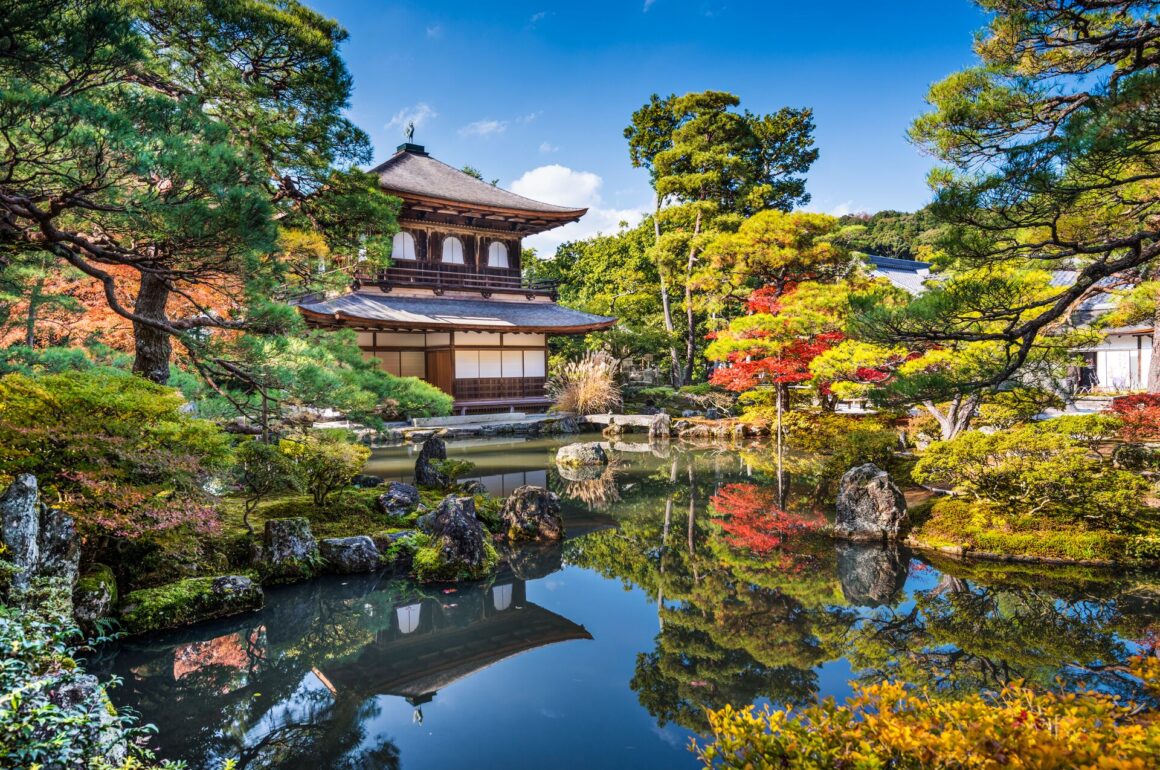
Japanese gardens in Kyoto emphasize harmony between human-made structures and natural elements. Gardens like those at Kinkaku-ji (the Golden Pavilion) and Ginkaku-ji (the Silver Pavilion) showcase refined aesthetic elements, featuring carefully arranged rocks, water features, and plantings that mirror natural landscapes in a controlled environment.
Zen Rock Gardens (Karesansui)
The Zen rock gardens, exemplified by the Ryoanji Temple, embody minimalist design principles. These gardens utilize rocks, gravel, and sparse vegetation to create serene, meditative spaces that encourage introspection and mindfulness.
Integration of Water Features
Water features such as ponds, streams, and waterfalls are integral to Kyoto's landscape architecture. They symbolize movement and change, providing reflective surfaces that enhance the surrounding greenery and architectural elements. The harmonious flow of water aligns with the natural terrain, blending artifice with nature.
Urban Context and Preservation of Green Spaces
Kyoto successfully integrates green spaces within its urban fabric, maintaining a balance between historical gardens, temple grounds, and new public parks. This approach ensures that traditional landscapes remain integral to the city's modern development, reflecting a philosophical commitment to nature and cultural continuity.
Preservation and Architectural Integration
Conservation Policies
Kyoto has implemented stringent landscape conservation policies since the early 20th century. Regulations such as the Scenic Landscape Districts policy and the Kyoto City Landscape Policy govern urban development, ensuring that new constructions harmonize with traditional architectural characters and natural landscapes.
Integration with Traditional Architecture
Modern buildings in Kyoto often incorporate traditional elements like Zen-inspired gardens and the use of natural materials. This integration fosters a harmonious coexistence between contemporary structures and historical aesthetics, maintaining the city's unique identity.
Modern Developments and Sustainability
Sustainable Design Practices
Contemporary landscape architects in Kyoto prioritize sustainability by utilizing native plant species, managing water resources efficiently, and minimizing the use of chemical treatments. These practices ensure that urban green spaces are environmentally friendly and resilient.
Integration of Modern Amenities
Modern amenities such as improved lighting, accessible pathways, and public facilities are thoughtfully integrated into Kyoto's gardens and parks. These enhancements cater to the needs of residents and tourists without detracting from the historic and aesthetic integrity of the sites.
Ecological Restoration
Efforts to restore degraded traditional gardens and areas impacted by urban stress reinforce biodiversity and historical land-use patterns. Restoration projects ensure that Kyoto's natural landscapes remain vibrant and ecologically balanced.
Case Studies of Notable Landscape Architecture Sites
Katsura Imperial Villa
The Katsura Imperial Villa, a 17th-century masterpiece, exemplifies the integration of architecture and natural landscapes. Its meticulously designed gardens and buildings reflect the aesthetic principles of the tea ceremony and Zen Buddhism, showcasing harmony between human craftsmanship and the natural environment.
Shūgakuin Imperial Villa
Shūgakuin Imperial Villa demonstrates exemplary integration of architectural elements with the surrounding natural landscape. The villa's design emphasizes flow and connectivity, creating seamless transitions between indoor and outdoor spaces.
Maruyama Park
Maruyama Park, Kyoto's oldest park, is designated as a national Place of Scenic Beauty. It features a blend of traditional garden designs and natural landscapes, serving as a communal space for relaxation and cultural activities.
Challenges and Contemporary Approaches
Balancing Preservation with Development
One of Kyoto's primary challenges is maintaining historical integrity amidst urban growth. Strict zoning laws and community involvement play crucial roles in ensuring that new developments do not compromise the city's cultural and natural landscapes.
Innovative Urban Planning
Kyoto's approach to urban planning emphasizes the harmonious integration of traditional and modern landscapes. Innovative strategies include the use of sustainable materials, adaptive reuse of historical sites, and the incorporation of modern amenities that respect the city's architectural heritage.
Economic and Environmental Pressures
Economic pressures and environmental concerns necessitate adaptive landscape practices. Kyoto addresses these by promoting eco-friendly designs, enhancing green infrastructure, and fostering community-led conservation initiatives.
Lessons Learned and Broader Implications
Historical Continuity and Modern Relevance
Kyoto's landscape architecture underscores the importance of historical continuity in guiding modern design. Respecting and learning from traditional practices provides a foundation for creating relevant and resilient landscapes in contemporary contexts.
Harmonious Integration of Built and Natural Environments
The seamless blend of built structures with natural landscapes in Kyoto highlights the significance of a design philosophy that honors local context and environmental harmony. This approach serves as a model for sustainable urban development globally.
Culturally-Informed Sustainability
Kyoto demonstrates that sustainability efforts are most effective when aligned with cultural and historical values. Incorporating local heritage into sustainable design fosters environmental stewardship while preserving cultural identity.
Conclusion
The landscape architecture of the Kyoto region exemplifies a harmonious blend of tradition and modernity, deeply rooted in cultural and philosophical principles. Through meticulous preservation, innovative design, and sustainable practices, Kyoto maintains its unique identity while adapting to contemporary needs. The city's gardens and urban planning not only enhance its aesthetic appeal but also offer valuable insights into the sustainable integration of nature and human development. Kyoto's approach serves as an inspiring model for cities worldwide, demonstrating that preserving cultural heritage can coexist with modern advancements to create resilient and vibrant urban landscapes.
References
| Garden Type | Description | Example Sites |
|---|---|---|
| Stroll Gardens | Designed for walking and experiencing different views and moods as one progresses through the garden. | Katsura Imperial Villa, Maruyama Park |
| Tea Gardens | Associated with tea ceremonies, emphasizing simplicity, tranquility, and minimalism. | Katsura Rikyu, Ginkaku-ji |
| Dry Gardens (Karesansui) | Utilize rocks, gravel, and minimal planting to create a meditative space, often reflecting Zen Buddhist principles. | Ryoanji Temple, Daitoku-ji |
Last updated February 12, 2025