
Labour Impact on High-Rise Construction Cost
Exploring the Dynamics of Urban Labour in a 20-Storey Office Project
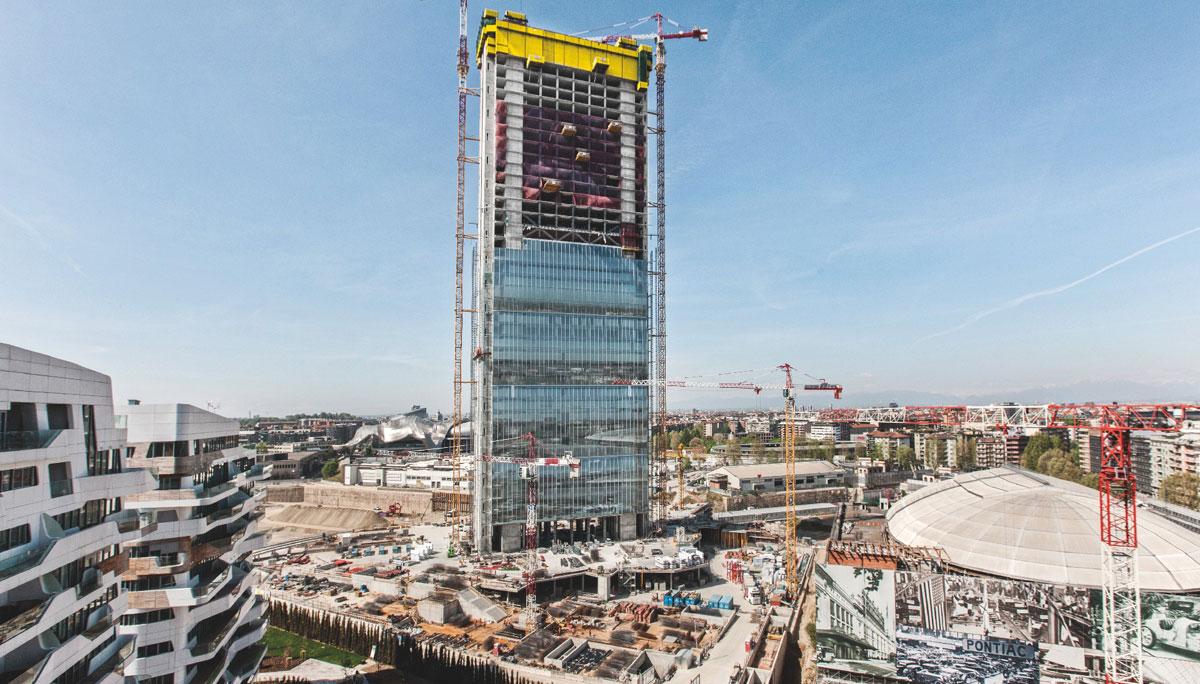
Key Insights
- Urban Labour Premium: Labour costs in Johannesburg are higher due to the urban setting, specialized skills demand, and market dynamics.
- Skilled Workforce Requirements: High-rise construction requires highly specialized personnel, leading to competitive wage rates and efficient resource utilization.
- Regulatory and Socioeconomic Factors: Compliance with local labour laws and navigating socioeconomic challenges significantly influence project timelines and overall costs.
Introduction to Labour Cost Influences
The cost of constructing a high-rise commercial office building is heavily influenced by various factors, among which labour plays a crucial role. When building in an urban center such as Johannesburg, the dynamics of labour costs become even more critical due to the region’s unique socioeconomic and economic characteristics. This case study examines the multifaceted ways in which labour factors impact the construction costs of a 20-storey office building featuring a reinforced concrete structure, curtain wall facade, high-end finishes, basement parking, energy-efficient systems, and a rooftop terrace.
Labour Cost Composition and Dynamics
General Composition of Labour Costs
In South Africa, labour typically accounts for approximately 25-30% of overall construction expenses. In urban areas like Johannesburg, several interrelated elements contribute to a higher percentage within this range:
Urban Premium on Labor
Johannesburg, being a major urban center, experiences increased labour costs due to higher living expenses and the competitive market for skilled labour. Contractors and developers may face higher wage demands compared to rural areas, which directly raises the labour cost share in the project budget.
Skilled vs. Unskilled Labor Considerations
High-rise construction demands specialized skills that extend beyond basic labour. Skilled trades such as electrical wiring, plumbing, HVAC installation, and specialized reinforced concrete work receive premium wages. The complexity of the project requires workers with technical expertise, thereby increasing the labour cost estimates. Additionally, the integration of high-end finishes and energy-efficient systems intensifies the need for professionals who are not only experienced but also adept at working with modern construction technologies.
Productivity and Efficiency
Labour Productivity Impact
The productivity level of the workforce plays a significant role in determining overall project costs. In Johannesburg, efficiency can vary widely based on factors such as:
- Coordination between on-site teams
- Timely delivery of materials
- Effective planning and scheduling
Any delays caused by inefficient labour utilization can extend project timelines and result in higher expenditures through overtime and extended site management costs. In cases where labour productivity is optimized, the overall cost impact may be mitigated even if the hourly wage rates are higher.
Impact of Working Conditions
Urban construction projects often encounter challenges such as traffic congestion and limited site accessibility. These conditions can delay material deliveries or reduce the effective work hours each day, thereby increasing the overall cost of labour due to lost productivity. For instance, a delay in the delivery of curtain wall materials or high-end finishes can have a domino effect on assembly schedules, requiring additional labour hours to maintain the project timeline.
Labour Market Dynamics in Johannesburg
Johannesburg's labour market is highly competitive, and this influences the wage structures and availability of skilled workers:
Supply and Demand of Specialized Skills
The high demand for engineers, masons, certified contractors, and specialized construction trades in Johannesburg pushes wages higher. When demand outstrips supply, labour costs are further inflated, compelling contractors to offer competitive packages to secure experienced and reliable workers. This scenario is particularly prevalent in high-rise construction, where technical precision and adherence to safety protocols are non-negotiable.
Union Regulations and Compliance
Labour unions in South Africa have a significant influence on wage negotiations, working hours, and overall conditions on construction sites. Adhering to union agreements and labour laws can lead to higher base wages and specific cost additions. These regulations ensure that workers receive fair pay and safe working conditions, but they also contribute to an escalation in labour costs. Any mismanagement in this area or disputes with unions can lead to production delays, further impacting the overall construction expenses.
Economic and Regulatory Influences on Labour Costs
Economic Factors
Inflation and Currency Fluctuations
Economic conditions such as inflation and currency fluctuations have a direct impact on labour costs. As the cost of living increases, workers demand higher wages to maintain their standard of living, leading to an upward pressure on labour costs. In projects like a high-rise office building, where skilled labour is already in high demand, such economic factors can lead to increased cost estimations.
Market Competition
When multiple construction projects are underway concurrently in a city like Johannesburg, competition for the best workers intensifies. This competitive environment often results in higher wages as contractors vie for the same pool of skilled professionals. This can be especially challenging for projects requiring quick turnaround times, where any delay may result in higher long-term costs.
Regulatory and Legal Framework
Labour Laws and Safety Regulations
South Africa has stringent labour laws that protect workers’ rights and ensure safe working environments. While these regulations are essential for maintaining quality and safety standards, they can also contribute to increased labour costs. Compliance with these laws often involves additional administrative oversight, worker training, and sometimes enhanced wage structures, all of which contribute to the overall budget.
Transformation and Socioeconomic Policies
Socioeconomic transformation policies, such as those that encourage local employment and promote equitable opportunity within the construction industry, also impose additional cost considerations. For example, preferential procurement measures might require contractors to hire a certain quota of local workers, which can affect scheduling and wage negotiations if local skills are in short supply. Managing these policies effectively is critical to achieving compliance without incurring excessive additional costs.
Table: Factors Contributing to Labour Cost Influences
| Factor | Description | Impact on Costs |
|---|---|---|
| Urban Labour Premium | Higher wage demands due to cost of living and competitive market | Increases overall percentage of project budget |
| Specialized Skills Requirement | Need for skilled trades for high-rise construction | Leads to higher premium wages and specialized training costs |
| Labour Productivity | Efficiency in time management and resource utilization | Inefficiency and delays can incur additional costs |
| Economic Conditions | Inflation and currency fluctuations impacting worker wages | Unpredictable cost escalations over project duration |
| Regulatory Compliance | Adherence to labour laws and union guidelines | Increases in administrative and labour costs |
Mitigation Strategies for Labour Cost Escalation
Optimizing Labour Productivity
One of the most effective strategies to keep construction costs in check is optimizing labour productivity. By ensuring that workers are effectively coordinated, material deliveries are timely, and schedules are strictly maintained, the negative impact of high payroll expenses can be mitigated. Specific approaches include:
Streamlined Project Management
Implementing robust project management practices that integrate scheduling software, real-time monitoring, and performance tracking helps in reducing idle time and minimizing wastage of labour hours. This makes it easier to manage delays and reduce potential overtime, thereby containing the overall expense.
Lean Construction Techniques
Adopting lean construction methods, which focus on eliminating waste and maximizing efficiency, can significantly lower the effective labour cost per output unit. For example, modular construction methods for the reinforced concrete structure and curtain wall installations can reduce on-site labour hours required while still upholding quality.
Engagement with Local Labour and Union Negotiations
A proactive approach to engaging local labour forces and unions can help manage wage structures and prevent costly disputes:
Proactive Union Engagement
Early collaboration with labour unions and workers’ representatives ensures alignment on project goals, expected working conditions, and wage negotiations. By setting clear timelines and understanding union demands from the outset, project managers can reduce the risk of delays and extra costs related to non-compliance or disputes.
Training and Upskilling
Investing in training programs for local labour not only enhances productivity but also helps in reducing the dependency on higher-wage expatriate or specialist labor. Offering continuous professional development can also foster loyalty, resulting in a more stable and efficient workforce over the duration of the project.
Economic and Regulatory Adaptation
Understanding and anticipating economic trends is crucial for accurate budgeting in high-rise construction. Contractors need to build contingencies into their budgets to accommodate unexpected wage hikes due to inflation or currency devaluation. Additionally, staying abreast of any changes in labour legislation allows project managers to plan for compliance requirements well in advance.
Adaptive Budgeting
Adaptive budgeting techniques involve forecasting potential cost escalations and including buffer amounts in project financing. This not only caters to unforeseen events, such as sudden increases in wage demands but also ensures that the project can continue without financial disruptions.
Geographical and Socioeconomic Considerations
Urban Challenges and Opportunities
The urban setting of Johannesburg presents both challenges and opportunities when it comes to labour costs. The complexity of city logistics, traffic management, and regulatory compliance can all contribute to increased labour costs. Conversely, the availability of a sophisticated infrastructure and a pool of skilled workers in an urban center can lead to more competitive bidding and, in some cases, a mitigation of higher wage requirements.
Infrastructure and Project Coordination
Effective coordination with local authorities and urban planning agencies can streamline various construction processes, significantly reducing delay times and enhanced labour utilization. With the proper coordination strategies, challenges like restricted working hours due to city regulations can be better managed, leading to more predictable cost outcomes.
Socioeconomic Stability
Johannesburg's role as an economic hub means that stability in the labour market can often translate into reliability in delivery and quality. However, socioeconomic factors like rapid urbanization and migration can unpredictably shift labour availability, impacting wage levels. Intelligent forecasting based on the latest market trends helps in accommodating these variances during the bidding and planning phases.
Summary of Labour-Related Cost Impacts
To summarize, labour costs for this high-rise commercial office building in Johannesburg are influenced by:
- The urban premium due to higher living and operational expenses in a city centre.
- The need for highly specialized and skilled trades which command higher wages.
- Market dynamics and labour availability driven by competitive international and local forces.
- Regulatory compliance, union negotiations, and economic factors such as inflation and currency variations.
- Productivity challenges that directly lead to extended timelines and higher overhead costs.
Conclusion and Final Thoughts
In conclusion, understanding the influence of labour on construction costs in high-rise projects in Johannesburg is paramount to budgeting and project management. The location inherently demands a premium on labour given the urban environment, advanced skill requirements, and regulatory complexities. Effective management practices, adaptive budgeting, and proactive engagement with local labour unions can all play pivotal roles in mitigating these higher costs. Additionally, maintaining a strong focus on improving labour productivity and ensuring seamless coordination on a multi-disciplinary level is key to minimizing delays and the escalatory impact of any inefficiencies.
By addressing labour challenges through strategic planning, robust project management tools, and effective communication with all stakeholders, stakeholders can achieve an efficient allocation of resources and control overall costs. Ultimately, a well-managed workforce not only accelerates project delivery but also improves quality, ensuring that the high-rise commercial office building stands as a testament to both architectural innovation and operational excellence.
References
- Building Prices South Africa - Building Prices South Africa
- The Cost of Building in South Africa - AXIO Projects
- Construction Cost South Africa - Construction Cost South Africa
-
Building Costs per Square Meter South Africa - Building Costs per Square Meter South Africa
Recommended Queries
Last updated February 26, 2025