
Ladakh's Unwavering Quest: Why the Call for Sixth Schedule Protections Echoes Through the Himalayas
Unpacking the persistent protests for autonomy, cultural preservation, and environmental safeguarding in India's northernmost region.
Key Insights into Ladakh's Demands
- Protecting Indigenous Identity: With over 97% of Ladakh's population being tribal, the primary aim of seeking Sixth Schedule status is to constitutionally safeguard their unique cultures, languages, traditional practices, and land rights from potential demographic shifts and external influences.
- Environmental Imperative in a Fragile Zone: Activists and local leaders emphasize the critical need for constitutional safeguards under the Sixth Schedule to protect Ladakh's highly sensitive Himalayan ecosystem from unsustainable development, resource exploitation, and the escalating impacts of climate change.
- Aspirations for Self-Governance: The movement, which gained significant traction after Ladakh became a Union Territory in 2019, articulates a strong desire for greater political autonomy, including demands for full statehood, enhanced local control over administrative and developmental decision-making, and adequate parliamentary representation.
The Genesis of the Movement: A Call for Protection and Autonomy
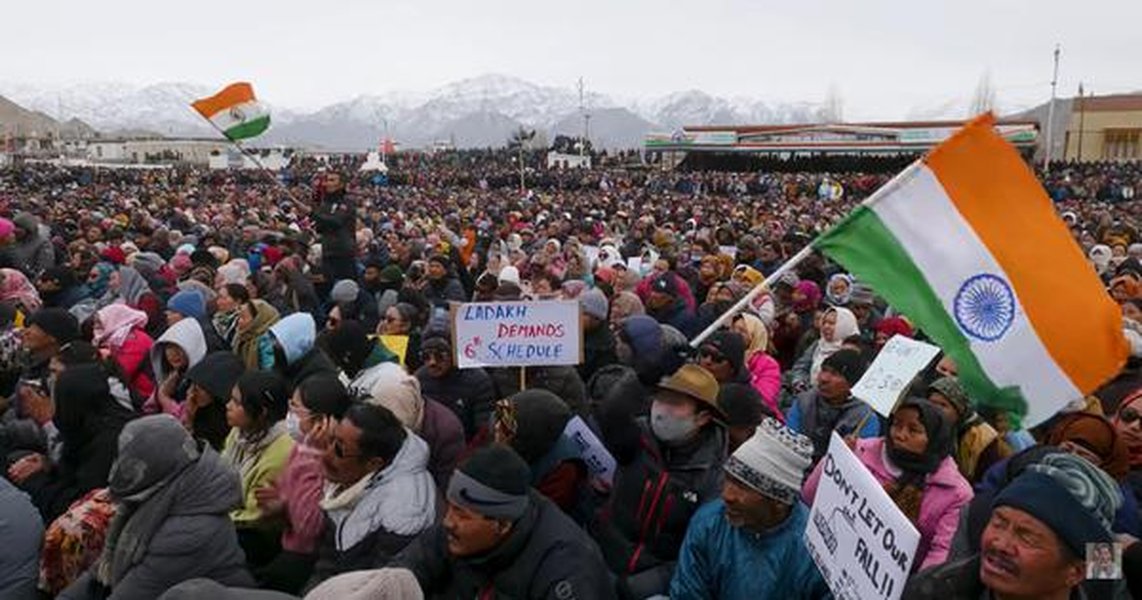
The breathtaking, high-altitude landscapes of Ladakh have become the stage for a resolute and sustained movement: the demand for the region's inclusion under the Sixth Schedule of the Indian Constitution. This call for robust constitutional protections and enhanced autonomy gained considerable momentum following August 2019. It was then that Ladakh was administratively separated from the erstwhile state of Jammu and Kashmir and reconstituted as a Union Territory. While this transition was presented as a step towards focused development, it also meant the loss of its prior statehood and a degree of semi-autonomy. This change triggered widespread apprehension among Ladakh's predominantly tribal population concerning their distinct identity, ancestral lands, rich cultural heritage, and the uniquely fragile ecosystem they call home.
The protests are not merely a recent reaction but an articulation of long-held aspirations for self-determination and the preservation of a way of life deeply intertwined with the region's unique geography and traditions. Various political, social, and religious groups have coalesced, notably under banners like the People's Movement for Sixth Schedule for Ladakh, and a powerful joint front formed by the Leh Apex Body (LAB) and the Kargil Democratic Alliance (KDA), to voice these concerns collectively.
Core Demands: Safeguarding Identity, Environment, and Future
The movement in Ladakh is driven by a clear set of objectives aimed at securing the region's distinctive character and ensuring a sustainable future for its people. These demands reflect deep-seated concerns about cultural erosion, environmental degradation, and the need for greater local control over resources and governance.

Thousands rally in Ladakh, demanding constitutional safeguards and special status for the region.
Protecting Tribal Identity and Cultural Heritage
A paramount concern is the protection of Ladakh's tribal population, which constitutes over 97% of its inhabitants. The Sixth Schedule is seen as essential for preserving their distinct cultures, languages, customs, and traditional livelihoods. Proponents argue that without such constitutional safeguards, the unique Ladakhi identity is vulnerable to dilution from external demographic pressures and cultural influences.
Safeguarding the Fragile Himalayan Environment
Ladakh's delicate ecosystem is another major focus. Leaders and activists, including prominent environmentalist Sonam Wangchuk, have passionately highlighted the region's vulnerability to climate change and the potential for ecological damage from unregulated industrial development or resource extraction by non-local entities. They assert that conservation of Ladakh's sensitive nature, land, and water resources is impossible without the protective framework offered by the Sixth Schedule, which would empower local bodies to regulate land use and prevent detrimental projects.
Aspirations for Greater Autonomy and Representation
Beyond the Sixth Schedule, the movement also encompasses demands for full statehood for Ladakh, granting it more comprehensive legislative and administrative powers. There is also a strong call for the establishment of a Public Service Commission (PSC) for Ladakh to address the lack of gazetted job opportunities for locals since it became a Union Territory. Furthermore, protesters demand increased parliamentary representation, with separate seats for both Leh and Kargil districts, to ensure their voices are adequately heard at the national level.
Understanding the Sixth Schedule: Provisions and Powers
Article 244 of the Indian Constitution, in conjunction with the Sixth Schedule, provides a framework for the administration of tribal areas in certain states, primarily in Northeastern India (currently Assam, Meghalaya, Tripura, and Mizoram). Its core purpose is to protect and preserve the rights, customs, and cultural identity of tribal communities by granting them a significant degree of self-governance.
Key provisions include:
- Autonomous District Councils (ADCs) and Regional Councils: The Schedule allows for the creation of ADCs and Regional Councils within tribal areas. These bodies are elected and have members predominantly from the Scheduled Tribes of the district.
- Legislative Powers: ADCs are empowered to make laws on a range of subjects pertinent to tribal life, including land management (except reserved forests), forest management (unclassed state forests), inheritance of property, marriage and divorce, social customs, and village or town administration.
- Judicial Powers: Councils can constitute village councils or courts for the trial of suits and cases between parties belonging to Scheduled Tribes within their jurisdiction.
- Regulatory Powers: They can regulate money-lending and trading by non-tribals within their areas.
- Financial Powers: ADCs can assess and collect land revenue and impose certain specified taxes. They also receive grants-in-aid from the Consolidated Fund of India.
For Ladakh, inclusion in the Sixth Schedule would mean the establishment of such autonomous councils, empowering local communities to manage their affairs, protect their land from alienation, and ensure that development aligns with their cultural and environmental priorities. This is seen as a more robust mechanism than the existing Ladakh Autonomous Hill Development Councils (LAHDCs) in Leh and Kargil, which operate under state law and lack the constitutional safeguards and broader legislative powers of Sixth Schedule councils.
Comparing Governance: Current UT Status vs. Potential Sixth Schedule Framework
The table below outlines the differences in governance and autonomy between Ladakh's current status as a Union Territory with Hill Councils and the potential framework under the Sixth Schedule, highlighting why the latter is being sought:
| Aspect of Governance | Current Status (Union Territory with LAHDCs) | Potential under Sixth Schedule |
|---|---|---|
| Constitutional Basis | LAHDCs established by Act of J&K State Legislature (adapted by UT Admin); UT directly under Central Govt. | Autonomous District Councils (ADCs) established directly under Article 244(2) and Sixth Schedule of the Constitution. |
| Legislative Powers | LAHDCs have executive powers over specified subjects but limited legislative power; laws primarily made by Parliament or UT Admin. | ADCs have powers to make laws on land, forests (unclassed), canal water, village administration, inheritance, marriage, social customs etc. |
| Land Protection | Protection primarily through UT and Central Govt. notifications and policies; concerns about alienation to outsiders exist. | ADCs can make regulations for control of land, allotment, occupation, or use; stronger protection against land alienation. |
| Cultural Preservation | Responsibility shared by LAHDCs and UT administration; reliant on administrative measures. | ADCs empowered to make laws on social customs, effectively preserving cultural practices. |
| Judicial Powers | Regular judicial system; LAHDCs have no direct judicial powers. | ADCs can constitute village courts for trial of suits and cases between Scheduled Tribes. |
| Financial Autonomy | Dependent on fund allocation from Central Government via UT budget. | ADCs can assess and collect land revenue, impose certain taxes, and receive grants-in-aid directly. Control over district funds. |
| Control over Resources | Limited direct control by local bodies; subject to UT and Central policies. | Greater control over local resources, especially land and unclassed forests. |
This comparison underscores the aspiration for a more constitutionally entrenched system of self-governance that the Sixth Schedule offers, which is perceived as crucial for safeguarding Ladakh's unique socio-cultural and ecological fabric.
Key Figures and Organizations Spearheading the Movement
The movement for Ladakh's inclusion in the Sixth Schedule is not monolithic but involves a broad coalition of voices and organizations, united by a common cause. Certain individuals and bodies have been particularly instrumental in articulating the demands and mobilizing support.
Environmentalist Sonam Wangchuk has been a prominent voice, employing methods like hunger strikes to highlight Ladakh's ecological vulnerabilities and the need for constitutional protections.
Sonam Wangchuk: A Voice for Climate and Culture
Renowned innovator and environmental activist Sonam Wangchuk has emerged as one of the most visible faces of the movement. He has undertaken several "climate fasts" (hunger strikes) to draw national and international attention to Ladakh's ecological fragility and the urgent need for constitutional safeguards under the Sixth Schedule to protect its glaciers, land, and unique way of life. Wangchuk links the region's vulnerability to climate change directly to the demand for autonomy, arguing that local communities empowered by the Sixth Schedule would be better stewards of their environment. His peaceful protests, including marches like the proposed "Pashmina March" in April 2024 (which faced restrictions), have garnered significant public support and media coverage.
Leh Apex Body (LAB) and Kargil Democratic Alliance (KDA)
These two umbrella organizations represent a significant political and social consensus within Ladakh, bringing together diverse groups from the Leh and Kargil districts, respectively. The Leh Apex Body (LAB) comprises various political, religious, and social organizations from the Buddhist-majority Leh district, while the Kargil Democratic Alliance (KDA) represents similar groupings from the Muslim-majority Kargil district. Their joint front has been crucial in presenting a united voice for Ladakh's demands, including statehood, Sixth Schedule status, job reservations, and increased parliamentary representation. They have engaged in multiple rounds of talks with the central government and have been at the forefront of organizing protests, shutdowns, and public awareness campaigns.
The National Commission for Scheduled Tribes (NCST) also plays a noteworthy role, having recommended Ladakh's inclusion in the Sixth Schedule back in 2019, recognizing its predominantly tribal nature and the necessity to preserve its distinct cultural heritage.
Government's Stance and the Path of Dialogue
The Central Government of India has acknowledged the demands emanating from Ladakh. In response to the sustained protests and representations, the Ministry of Home Affairs (MHA) constituted a high-powered committee in early 2024. This committee, headed by Union Minister of State for Home Nityanand Rai, was tasked with examining measures to protect Ladakh's unique culture and language, ensure land protection, provide employment opportunities, and discuss issues related to the empowerment of the LAHDCs of Leh and Kargil.
However, despite several rounds of talks between the Ladakhi leadership (LAB and KDA) and the central government, a definitive resolution on the core demand for Sixth Schedule inclusion remains elusive. Reports suggest that while the MHA is open to discussing measures for the protection of land, culture, and employment, it has shown reluctance towards granting full Sixth Schedule status or statehood. The government's perspective, at times, has been that the Union Territory administration is already addressing the socio-economic development of the tribal population and that sufficient funds are being allocated for Ladakh's overall development. This stance has led to frustration among the protestors, who feel their fundamental demands for constitutional safeguards and greater autonomy are not being adequately met. As of early May 2025, discussions were reportedly ongoing regarding a "unique model of governance" for Ladakh, potentially involving reforms to the LAHDCs, though this still falls short of the full Sixth Schedule provisions sought by the activists.
Visualizing Autonomy: Ladakh's Governance Aspirations
To better understand the tangible differences sought by the Ladakhi people, the following radar chart illustrates key aspects of governance, comparing the perceived levels of empowerment under the current Union Territory status (with LAHDCs) versus the potential enhancements under the Sixth Schedule. The scores are illustrative, representing the aspirations for increased local control and protection.
This chart visually represents the significant leap in self-governance and protective mechanisms that Ladakhi people anticipate with the implementation of the Sixth Schedule, particularly in areas crucial for their identity and environment.
Mapping the Movement: Key Facets of Ladakh's Struggle
The demand for Sixth Schedule status in Ladakh is a multifaceted issue with interconnected components. The mindmap below provides a holistic overview of the movement, outlining its core demands, the motivations behind them, the key actors involved, the context of the Sixth Schedule's provisions, the government's response, and the historical backdrop fueling these aspirations.
This mindmap helps visualize the complex interplay of factors driving the protests and the aspirations for a constitutionally protected future for Ladakh.
A Voice from Ladakh: Sonam Wangchuk on the Sixth Schedule
To understand the depth of feeling and the rationale behind the demand for the Sixth Schedule, it is insightful to hear directly from key figures in the movement. The following video features environmentalist and innovator Sonam Wangchuk, who has been a vocal advocate for Ladakh's constitutional rights. He explains why he believes the Sixth Schedule is crucial for the survival of Ladakh's unique culture and fragile ecology.
In this and similar appeals, Wangchuk and other Ladakhi leaders articulate a vision where development and progress do not come at the cost of their identity or environment. They emphasize that the Sixth Schedule is not about isolation, but about empowered participation in shaping their own destiny within the Indian Union, ensuring that Ladakh's future is guided by the wisdom of its people and the ecological limits of its land.
Significance and Broader Implications
The protests in Ladakh carry significance that extends beyond the region itself, touching upon vital national themes.
Environmental Stewardship in a Climate Crisis
Ladakh is on the frontlines of climate change, with its glaciers receding at an alarming rate. The demand for Sixth Schedule status is intrinsically linked to environmental stewardship. Proponents argue that local autonomous councils, empowered by constitutional provisions, would be more effective in implementing sustainable development practices, protecting biodiversity, and managing resources in a way that mitigates climate impacts. This movement highlights the critical need to integrate local and indigenous knowledge into environmental governance, especially in ecologically sensitive zones.
Tribal Rights, Federalism, and Inclusive Governance
The Ladakh issue is a test case for India's commitment to tribal rights and federal principles. The Sixth Schedule itself is a unique feature of the Indian Constitution designed to accommodate the distinct needs of tribal communities. Fulfilling Ladakh's demand could strengthen the fabric of Indian federalism by demonstrating responsiveness to regional aspirations for autonomy. It also underscores the importance of inclusive governance, ensuring that the voices of minority groups and those in geographically remote areas are heard and their rights protected within the larger national framework. The persistence of these demonstrations underscores a growing resolve among Ladakhis, potentially influencing future policy decisions and serving as a point of reference for other tribal regions seeking similar protections for their identity and resources.
Frequently Asked Questions (FAQ)
What exactly is the Sixth Schedule of the Indian Constitution? ▼
The Sixth Schedule, under Article 244 of the Indian Constitution, provides for the administration of tribal areas in certain northeastern states (Assam, Meghalaya, Tripura, and Mizoram). It allows for the formation of Autonomous District Councils (ADCs) and Regional Councils, which have powers to make laws on specific subjects like land, forests, local customs, inheritance, and village administration. This is designed to protect the distinct cultures and interests of tribal populations by granting them a degree of self-governance.
Why are the people of Ladakh demanding inclusion in the Sixth Schedule? ▼
Ladakh's population is over 97% tribal. They are demanding Sixth Schedule status primarily to:
- Protect their unique tribal identity, culture, languages, and customs from dilution.
- Safeguard their ancestral lands from potential exploitation by non-tribal and non-local entities, especially in light of concerns about increased outside investment and industrialization after becoming a Union Territory.
- Protect Ladakh's fragile environment and sensitive ecosystem.
- Gain greater administrative and legislative autonomy to manage their own affairs and resources.
Who are the main leaders and organizations involved in these protests? ▼
Key figures include environmental activist and innovator Sonam Wangchuk, who has undertaken hunger strikes (climate fasts) to highlight the demands. The protests are jointly spearheaded by the Leh Apex Body (LAB) and the Kargil Democratic Alliance (KDA), which are umbrella organizations representing various political, social, and religious groups from the Leh and Kargil districts respectively. The "People's Movement for Sixth Schedule for Ladakh" is another banner under which these demands have been raised.
What has been the central government's response to these demands? ▼
The central government has engaged in discussions with Ladakhi leaders. A high-level committee, headed by the Union Minister of State for Home Nityanand Rai, was formed to look into the demands, including protection of land, culture, and employment. However, the Ministry of Home Affairs (MHA) has reportedly not been eager to grant Sixth Schedule status, suggesting that the Union Territory administration is already working on the socio-economic development of the tribal population and providing sufficient funds. As of May 2025, talks were reportedly ongoing about a "unique model of governance" for Ladakh, but a final decision on Sixth Schedule status remains pending.
Are there other demands besides inclusion in the Sixth Schedule? ▼
Yes, alongside the primary demand for Sixth Schedule status, the movement also calls for:
- Full statehood for Ladakh.
- The establishment of a Public Service Commission (PSC) for Ladakh to address job reservations and recruitment for locals.
- Increased parliamentary representation, specifically two Lok Sabha seats (one for Leh and one for Kargil) and potentially Rajya Sabha representation.
Recommended Further Exploration
- What are the specific powers of Autonomous District Councils under the Sixth Schedule?
- How has Ladakh's environment been impacted by recent administrative changes and development projects?
- What is the history of tribal governance in Ladakh before it became a Union Territory?
- Compare the socio-economic indicators of Ladakh with other regions under the Sixth Schedule.
References
Last updated May 7, 2025