
Discover the Enduring Charm of Lake Getaways: Embrace Lower Water Levels and Unforgettable Experiences
Beyond the Surface: Why Lower Lake Levels Open Up New Opportunities for Adventure
Highlights of Your Lake Adventure
- Expansive White Sand Beaches: Lower water levels reveal more of the natural white sand beaches, offering more space for relaxation and recreation.
- Enhanced Waterside Camping: With the shoreline expanded, waterside camping opportunities become more accessible and plentiful.
- Abundant Fishing Opportunities: Despite lower levels, lakes continue to offer excellent fishing, providing a peaceful and rewarding activity for families.
While news of lower lake levels might initially cause some hesitation for potential visitors, these changes present a unique opportunity to experience the natural beauty and recreational offerings of our lakes in a new light. Instead of focusing solely on activities dependent on higher water, consider the hidden gems and enhanced experiences that emerge when the water recedes.
Unveiling the Beauty of White Sand Beaches
More Sand, More Fun: Exploring the Expanded Shoreline
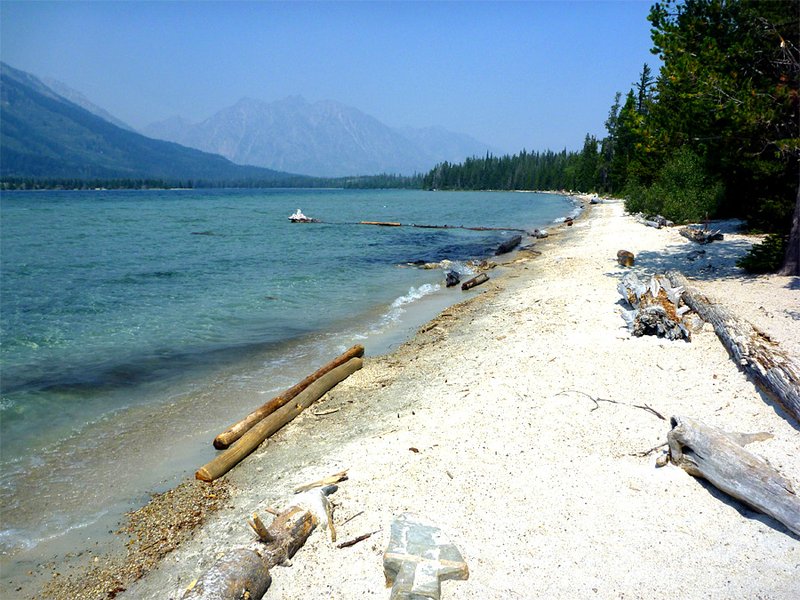
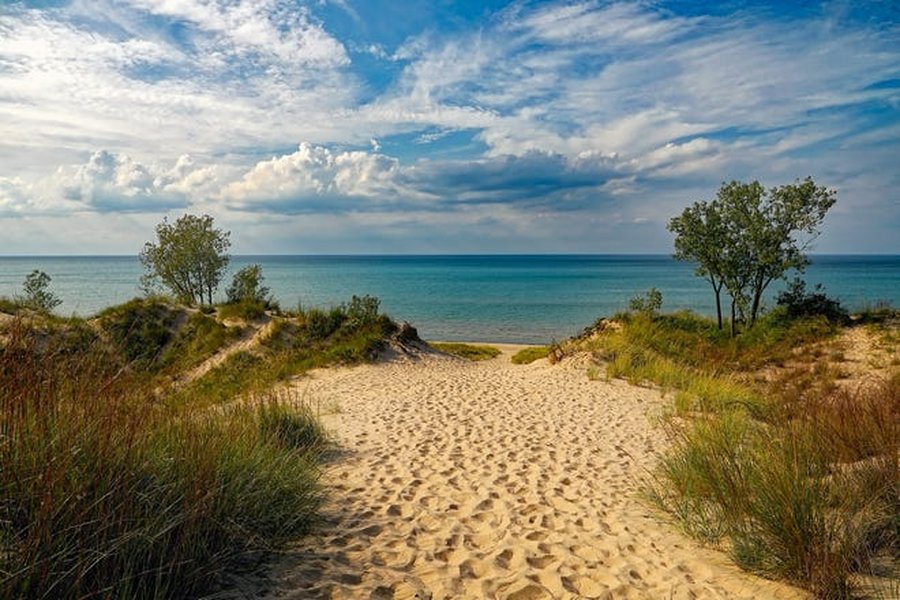
One of the most immediate and appealing benefits of lower lake levels is the expansion of the natural white sand beaches. What was once submerged is now accessible, offering vast stretches of pristine sand perfect for sunbathing, building sandcastles, beachcombing, and leisurely strolls. Imagine having even more room to spread out, play, and soak in the natural surroundings. Destinations like Lake McConaughy in Nebraska are renowned for their extensive white sand beaches, often referred to as "Nebraska's Secret White Sand Beaches," offering a truly unique lakeside experience.
Increased Space for Relaxation and Activities
The increased beach area provides ample space for families and groups to gather, picnic, and engage in various beach activities without feeling crowded. It's an invitation to enjoy the simple pleasures of a lakeside retreat with more room to breathe and play.
Waterside Camping: Closer to Nature
Pitch Your Tent with a View: Enhanced Camping Experiences
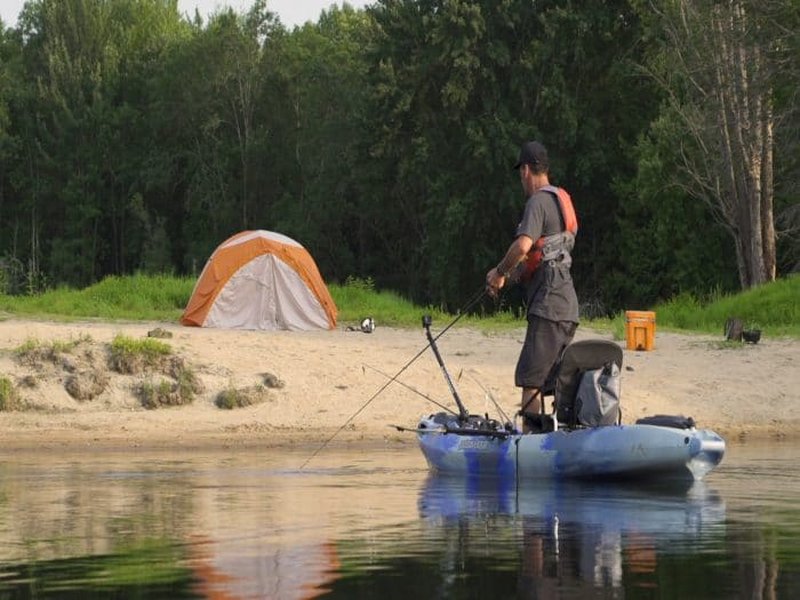
Lower water levels can significantly enhance the camping experience, particularly for those who enjoy camping near the water's edge. With the shoreline extended, more areas that were previously too close to the water are now ideal for setting up camp. This means more opportunities for waterside campsites, offering stunning views and easy access to the lake.
Finding Your Perfect Campsite
Campgrounds near lakes, such as White Lake State Park in New Hampshire or White's Beach & Campground in Maine, often offer a variety of sites, from wooded spots to those with electric and water hookups. The Beach Camping Area in North Conway, NH, specifically highlights its back-to-basics camping along the Saco River with a sandy beach. While some amenities like lifeguards may be affected by staffing, the core experience of camping by the water remains a powerful draw.
Fishing Fun for Everyone
Reeling in Memories: Abundant Fishing Despite Lower Levels
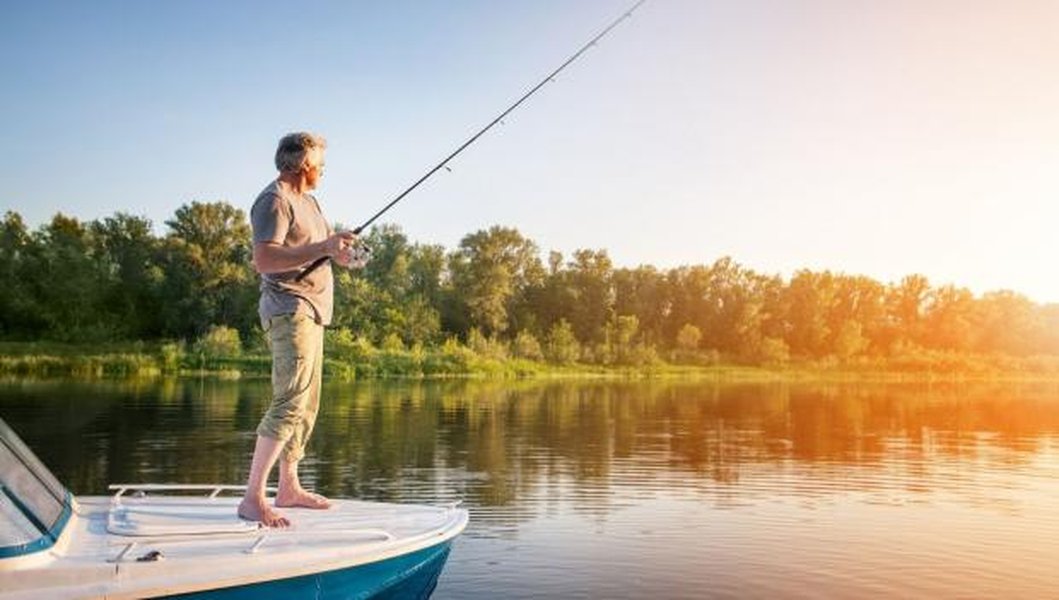
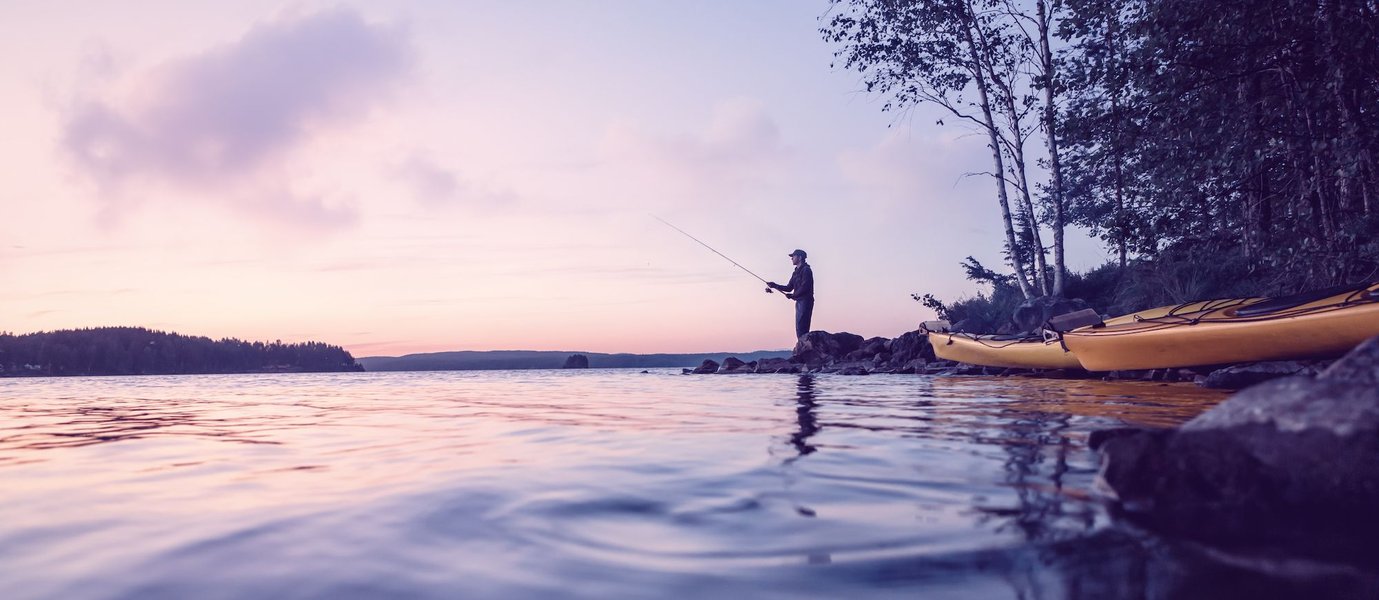
Concerns about lower water levels impacting fishing are understandable, but many lakes continue to offer excellent fishing opportunities. Fish populations adapt to changing conditions, and often, lower levels can concentrate fish in certain areas, potentially making them easier to locate. Planning and understanding the lake's specific characteristics can lead to a successful and enjoyable fishing trip.
Planning Your Fishing Adventure
Locations like Douglas Lake in Tennessee, near the Smoky Mountains, and Toledo Bend, straddling Louisiana and Texas, are known for their abundant bass populations. For families, lakes like Coffenbury Lake in Oregon offer good stocks of Rainbow Trout, Yellow Perch, and Catfish. The White River below the Beaver Lake Dam in Arkansas is also noted for good trout fishing for kids. Remember to pack essentials like sunscreen, insect repellent, hats, and plenty of food and drinks for a comfortable day on the water or shore.
Navigating Dock Challenges
Adapting and Exploring: Finding Alternatives for Water Access
It's true that lower water levels can present challenges for traditional boat dock usage. However, this doesn't mean boating or water access is impossible. Many lakes have alternative launch points, and activities like kayaking, canoeing, and paddleboarding are often less affected and can be launched from various shoreline locations. Exploring coves and areas that might have been too deep before can also become a new adventure.
Alternative Water Activities
Consider bringing watercraft that are easier to launch from the shore, or look into rental options at the lake that are adapted to current conditions. The focus can shift to enjoying the water in different ways, embracing the opportunity to try new activities.
Quality Family Time and Escape from the Hustle
Disconnect and Reconnect: The True Value of a Lake Getaway
Perhaps the most significant benefit of a lake vacation, regardless of water levels, is the opportunity to spend quality time with family and disconnect from the demands of daily life. Lakes offer a natural setting conducive to relaxation, conversation, and shared experiences. Fishing together, exploring the expanded beaches, gathering around a campfire while camping, or simply enjoying the tranquility of the water creates lasting memories.
Creating Lasting Memories
Stepping away from screens and schedules allows for genuine connection and shared experiences. The challenges of lower water levels can even become part of the adventure, encouraging adaptability and problem-solving as a family. A lake vacation provides a refreshing escape and a chance to create bonds that will be cherished for years to come.
Understanding Lake Levels: A Broader Context
Factors Influencing Lake Water Levels
Lake water levels are influenced by a variety of natural factors, including precipitation, snowmelt, evaporation, and outflow. These levels can fluctuate seasonally and from year to year. For instance, the Great Lakes experience an annual cycle where water levels typically drop in the winter and rise in the spring due to snowmelt and increased precipitation. While some lakes, like the Great Lakes in April 2025, are experiencing levels below recent years and historical averages, others may have different patterns.
Current Lake Level Information
Staying informed about the specific lake you plan to visit is always a good idea. Resources like the NOAA Lake Level Viewer and updates from organizations like the U.S. Army Corps of Engineers provide current and forecasted water level information for various bodies of water, including the Great Lakes, Lake Mead, and Lake Powell. For example, in April 2025, Lake Mead and Lake Powell were reported to be at approximately 33% capacity, with expectations of a potential drop in Lake Mead levels.
Here is a summary of recent water level conditions for some notable lakes:
| Lake | Recent Status (April 2025 unless noted) | Additional Context |
|---|---|---|
| Great Lakes (Superior, Michigan-Huron, Ontario) | 6-7 inches below historical April averages, but rising seasonally. | Still below 2024 levels in some basins. |
| Lake Mead & Lake Powell | Approximately 33% of capacity. | Lake Mead expected to drop, Lake Powell slightly above minimum for full hydroelectric output. |
| Lake Oroville (California) | 878 feet elevation (as of 4/10/2025). | Operated for flood control and water delivery. |
| Bear Lake | High water levels reducing beach space (as of a media report). | A popular summer destination. |
While lower levels might impact some activities, they often open doors to others and reveal more of the lake's natural landscape, including its beaches.
Plan Your Lake Getaway Today
Embrace the Opportunity for a Different Kind of Adventure
Don't let lower water levels deter you from planning a relaxing and enjoyable lake vacation. Focus on the positive aspects: more expansive beaches, enhanced waterside camping, and continued opportunities for fishing. It's a chance to experience the lake environment in a unique way and create cherished memories with your loved ones. With a little flexibility and an open mind, your lake getaway can be an unforgettable experience.
Frequently Asked Questions
Will lower water levels affect swimming?
While some swimming areas near docks might be impacted, most lakes still offer plenty of accessible areas for swimming, especially with the expansion of natural beaches. Always be mindful of water depth and any posted signs.
Are boat ramps still usable with lower water levels?
The usability of boat ramps can vary depending on the specific lake and the degree of water level change. It's recommended to check with the local park authorities or marinas for the most up-to-date information on ramp conditions.
What kind of fish can I catch in lakes with lower water levels?
The types of fish available depend on the specific lake and its ecosystem. Lower water levels don't necessarily mean fewer fish, and in some cases, certain species might become more concentrated in deeper areas or channels. Researching the specific lake's fishery is advisable.
Are there any safety concerns with lower water levels?
Lower water levels can expose hidden obstacles that were previously submerged. Boaters and swimmers should exercise caution and be aware of their surroundings. Always follow any posted safety guidelines or warnings.
Can I still rent boats or kayaks?
Many rental facilities adapt their operations to changing water levels and may offer different types of watercraft that are suitable for current conditions. It's best to contact rental providers in advance to inquire about availability and recommendations.
References
Last updated April 19, 2025