
Iron Content in Lamb
Explore the nutritional details of 100g lamb in iron-rich contexts
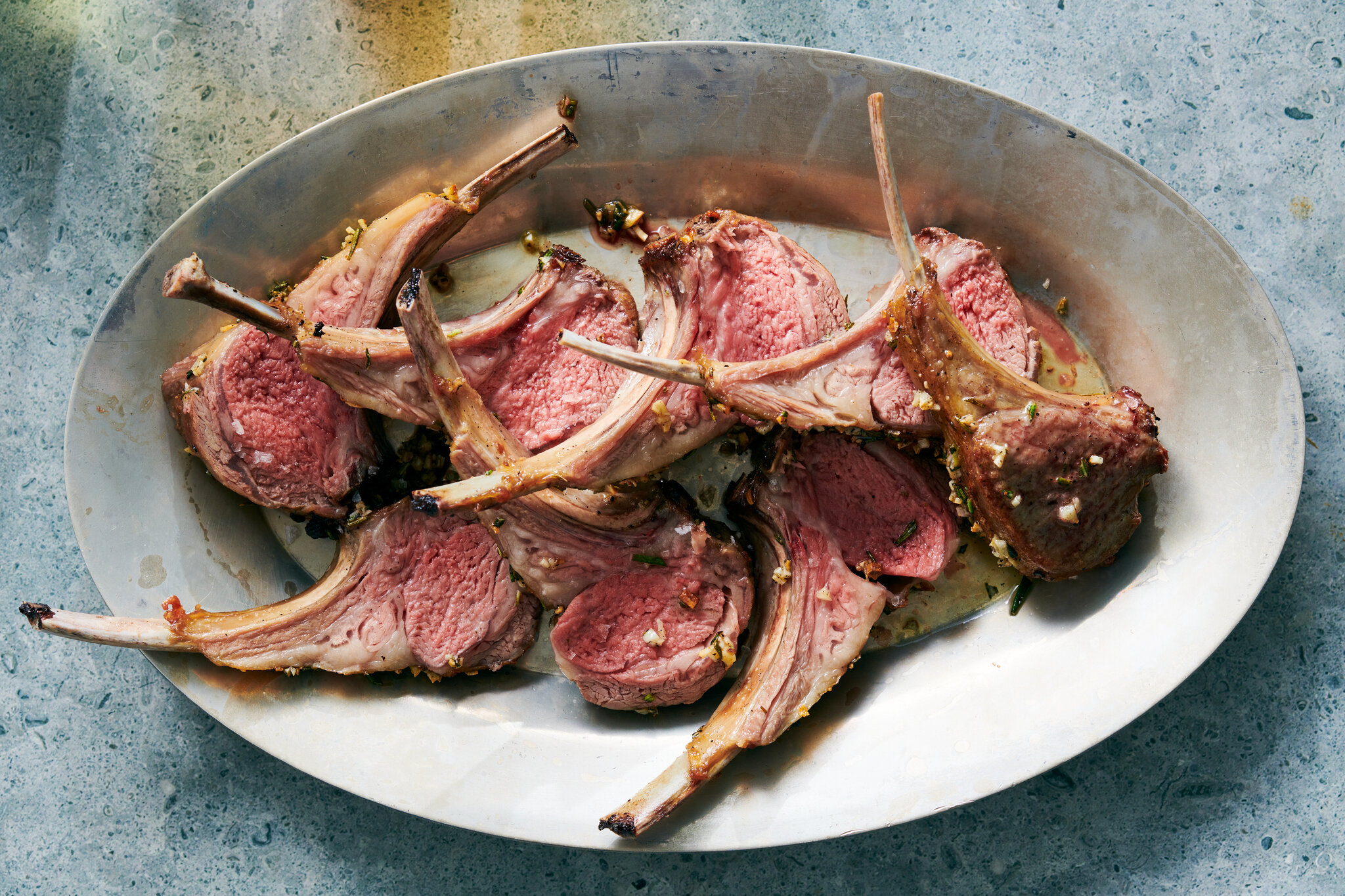
Key Highlights
- Range of Iron Content: Lamb typically contains between 1.2 mg and 2.5 mg of iron per 100 grams.
- Heme Iron Advantage: The iron found in lamb is predominantly heme iron, which is significantly more bioavailable than non-heme iron.
- Variations by Cut: Different cuts of lamb, such as ground lamb, lamb chops, and liver, offer varying iron levels, with liver being exceptionally rich in iron.
Overview of Iron in Lamb
Lamb is prized not only for its distinctive taste but also for its nutritional benefits, one of the foremost being its iron content. Iron plays an essential role in various bodily functions such as oxygen transport and energy production. In lamb, the iron is predominantly in the form of heme iron, which is known for its superior absorption rate compared to the non-heme iron found in plant-based foods. This property makes lamb a valuable source for individuals who may be at risk of iron deficiency.
Understanding Iron Content in 100g of Lamb
On examining multiple nutritional sources, the iron content in lamb is typically reported within a range. For every 100 grams of lamb, whether cooked or raw, the amount of iron can vary. The average falls between 1.2 mg to 2.5 mg. Some data points indicate that a standard serving might provide approximately 1.8 mg to 2.1 mg of iron, while certain cuts like lamb liver, known for its exceptional nutrient density, can contain up to 10 mg or more per 100 grams.
Variability Dependent on Cut and Preparation
It is essential to note that the iron content is not uniform across all lamb products. Several factors contribute to this variability:
- Standard Cuts: Common muscle cuts such as lamb chops and ground lamb typically contain between 1.5 mg and 2.5 mg of iron per 100 grams.
- Specialty Cuts: Lean lamb portions are known to trend towards the upper range of the typical values, offering closer to 2.1 mg per 100 grams.
- Liver and Organ Meats: Lamb liver is a powerhouse of nutrients, providing iron levels that can be significantly higher – often exceeding 10 mg per 100 grams, making it an excellent choice when looking for iron-dense foods.
Impact of Cooking Methods
Cooking methods may influence the iron content provided in a serving of lamb. Generally, light cooking techniques that preserve the integrity of the meat tend to maintain a higher level of bioavailable heme iron. For example, boiled lamb may show a slight variation in iron content compared to grilled or roasted versions, though the differences are not drastically large. The focus remains on retaining the nutrient-rich properties of the meat, and such preservation assists in maximizing the absorption benefits associated with heme iron.
Nutritional Value and Bioavailability
One of the critical advantages of consuming lamb is its provision of heme iron. Unlike non-heme iron found in plant-based foods, heme iron is absorbed at a rate generally between 15% to 35% in the human body. This increased efficiency in absorption is significant for addressing iron deficiency, particularly among individuals who might have subtle insufficiencies in their iron status.
For context, the Recommended Dietary Allowance (RDA) for iron is approximately 8 mg for adult men and 18 mg for adult women, particularly those of reproductive age. Thus, even a moderate intake of lamb in a balanced diet contributes to the overall iron requirements. The incorporation of lamb can be part of an overall strategy to achieve adequate iron intake, especially in demographics such as active individuals, athletes, and women who have higher iron needs due to menstruation.
Detailed Analysis: Iron Content by Lamb Cuts
Different cuts of lamb yield varying amounts of iron. The following table summarizes the approximate iron content per 100 grams of various lamb cuts:
| Cut Type | Iron Content (mg per 100g) |
|---|---|
| General Lamb (muscle cuts) | 1.2 - 2.5 mg |
| Ground Lamb | Approximately 1.5 mg |
| Lamb Chops | Approximately 2.2 mg |
| Lean Lamb | Approximately 2.1 mg |
| Lamb Liver | 10 mg to 11.4 mg |
Insights into Iron Absorption
The high levels of bioavailable heme iron in lamb are particularly noteworthy. This enhanced absorption plays a vital role in mitigating iron deficiency, as the body absorbs a significant percentage of the iron provided. In contrast to non-heme iron, which is absorbed at only 2% to 20% efficiency, heme iron absorption typically ranges from 15% to 35%. As a result, dietary iron from lamb is better utilized by the body, contributing effectively toward daily nutritional needs.
Furthermore, lamb's iron works synergistically with other dietary components. When consumed with vitamin C-rich foods, the absorption of non-heme iron from plant-based sources increases, thereby complementing the high bioavailability of the heme iron in lamb. Thus, including lamb in a balanced meal can further boost overall iron uptake.
Considerations for Specific Diets
Lamb's nutrient profile, particularly its high-quality protein and generous iron content, makes it an excellent option for a variety of dietary regimens. For individuals following low-carbohydrate diets, protein-rich diets, or those seeking to increase their intake of bioavailable minerals, lamb is an outstanding choice.
For those managing conditions such as iron-deficiency anemia, dietary recommendations often include an increased intake of iron-rich foods. Lamb, being a source of heme iron, fits well within these nutritional guidelines. In addition, it might be beneficial for people with increased iron requirements, such as pregnant women or athletes, to include lamb as part of their dietary plan.
Balancing Lamb Consumption in a Diet
While lamb offers crucial nutritional benefits, it is important to balance its consumption with other aspects of a healthy diet. Excessive intake of red meat can have other health implications, and therefore, dietary guidelines recommend a varied diet that includes a mix of lean proteins, vegetables, fruits, and whole grains. Incorporating lamb alongside these food groups will ensure that the body receives a well-rounded spectrum of nutrients.
Moreover, mindful portion control and cooking methods that limit excessive fat content can optimize the health benefits of lamb. Grilling, broiling, or stewing are recommended methods for preparing lamb in a way that preserves its nutrient content while keeping the meal balanced and healthy.
Comparative Nutritional Context
While lamb is renowned for its iron content, it is insightful to compare its nutritional profile with other common protein sources. For example, beef, another red meat, provides slightly higher iron content in some cases, generally around 2.47 mg per 100 grams. In contrast, pork tends to have lower iron content, roughly around 0.86 mg per 100 grams. These comparisons emphasize why lamb is often a favored source of heme iron, especially in diets tailored to combat iron deficiency.
The decision to include a specific type of meat in one’s diet depends on several factors ranging from flavor preferences to individualized nutritional requirements. In this context, lamb provides not only essential iron but also a robust profile of other micronutrients such as zinc, vitamin B12, and high-quality proteins. These complementary nutrients further support overall health, making lamb a well-rounded option for many dietary plans.
Nutrient Synergy in Dietary Practices
The incorporation of lamb into meals can assist in the improved absorption of other vital minerals and vitamins. When consumed as part of a balanced diet, the nutrients in lamb work synergistically with vitamins like B12 and vitamin C, enhancing bodily functions from energy metabolism to cognitive health. This nutrient synergy reinforces the benefits of including iron-rich foods like lamb in everyday nutrition, particularly for individuals with greater iron demands.
Practical Tips for Incorporating Lamb
Given its advantageous iron profile, lamb can play a crucial role in a balanced diet. Here are several practical tips for integrating lamb into your meals:
- Meal Planning: Consider featuring lamb as part of a weekly meal plan that alternates with other lean protein sources to maintain a varied and balanced diet.
- Cooking Methods: Optimize nutrient retention by choosing cooking methods such as grilling, roasting, or stewing rather than deep-frying. These methods help preserve the essential heme iron content while also enhancing flavor.
- Balanced Accompaniments: Pair lamb with iron absorption enhancers like citrus fruits or leafy greens to further maximize its nutritional benefits.
- Portion Control: While lamb is beneficial, maintaining appropriate portion sizes ensures that overall dietary fat and caloric intake remain within healthy limits, aligning with general dietary guidelines.
By implementing these tips, you can effectively include lamb in a diet aimed at preventing or alleviating iron deficiency while enjoying its rich, flavorful taste.
Detailed Nutritional Table
The following table provides an extended comparison, highlighting the iron content alongside important nutritional markers across different cuts of lamb.
| Cut Type | Iron (mg/100g) | Heme Iron (%) | Protein (g/100g) |
|---|---|---|---|
| General Lamb (Muscle Cuts) | 1.2 - 2.5 mg | High (15-35%) | 20-25 g |
| Ground Lamb | Approximately 1.5 mg | High (15-35%) | 18-22 g |
| Lamb Chops | Approximately 2.2 mg | High (15-35%) | 22-26 g |
| Lean Lamb | Approximately 2.1 mg | High (15-35%) | 21-25 g |
| Lamb Liver | 10 - 11.4 mg | Very High | 18-20 g |
References
- How Much Iron is in Lamb? - Chef's Resource
- Lamb - Daily Iron
- Lamb Meat - HealthifyMe
- Sources of Iron for Iron Deficiency - Circulon
- Update on Iron - Nutrition Consultants
- Iron in Lamb - Healthline
- Ground Lamb Nutritional Facts - Daily Iron
- Foods High in Iron - WebMD
- Lamb Chops Nutrition - Nutritionix
- Food Sources of Iron - Dietary Guidelines
Recommended Queries for Further Exploration
Last updated March 1, 2025