
Scientists' Reason for Inventing LAMESA
Exploring the innovative motivations behind a groundbreaking safety technology
Essential Insights
- Child Safety and Protection: LAMESA is designed to ensure the immediate protection of kindergarten students during earthquake events.
- Technological Innovation for Disaster Preparedness: By integrating advanced sensors and automated responses, the system proactively addresses seismic threats.
- Educational Impact: As a functional safety tool, LAMESA also serves as an educational asset, teaching children and communities about resilience and response to emergencies.
Understanding the Core Motivations
The development of LAMESA, an acronym for "Life-saving Automated Mesa to Endure Seismic Activity," is a response to critical safety concerns in earthquake-prone regions. The primary motivation was the pressing need to protect kindergarten students and other vulnerable groups during seismic events. Researchers and engineers recognized that conventional classroom furniture did not adequately mitigate hazards during an earthquake. Thus, creating a desk that not only sheltered children but also actively contributed to safety education became imperative.
Protection of Young Children
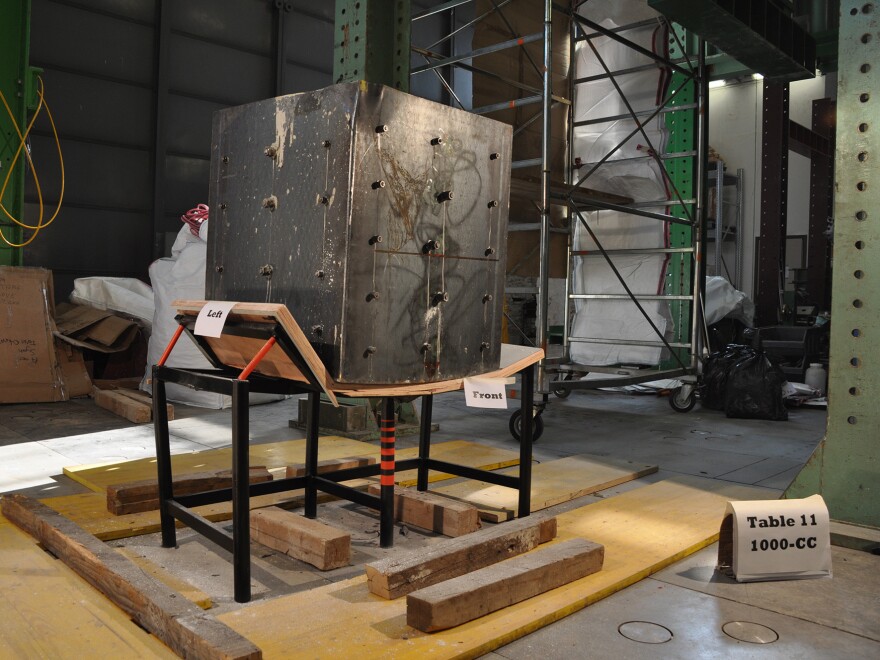
One of the foundational reasons for inventing LAMESA was to enhance child safety during earthquakes. Kindergarten students, due to their physical and cognitive vulnerabilities, are particularly at risk during seismic disturbances. Standard desks and chairs in classrooms might cause injuries or even collapse, leading to harm. LAMESA’s structure includes a mechanism that, upon detection of abnormal vibrations, automatically folds its tabletop upward by 16 degrees, creating a protective space. This innovative feature provides an immediate defense mechanism, reducing injuries from falling debris or structural collapse.
Incorporating Advanced Technology for Quick Response
The integration of technology was pivotal in transforming traditional classroom furniture into life-saving equipment. LAMESA features several advanced components:
Sensors and Motion Detection
Equipped with an accelerometer, LAMESA constantly monitors for seismic activity using precise motion detection techniques. When the sensors detect significant vibrations or movement consistent with an earthquake, the desk’s automated system immediately triggers a safety response. This rapid response mechanism ensures that the desk assumes a protective configuration before the worst of the seismic event occurs.
Wi-Fi-Enabled Microcontroller and Alarm Systems
A built-in Wi-Fi-enabled microcontroller in LAMESA processes the sensor data in real-time. In conjunction with this automation, a sophisticated alarm system is activated when seismic vibrations exceed normal thresholds. The alarm not only alerts occupants of the immediate need to take shelter but also allows for remote monitoring by safety officials or school administrators. This connectivity enhances the overall emergency management strategy in educational settings.
Display for Instructional Purposes
In addition to its protective functionalities, LAMESA features a 13-bit liquid crystal display. This display communicates vital information such as the current intensity level of the earthquake and provides instructions for evacuation if necessary. This dual function of the display serves both as a real-time warning system and a means to educate users about the scale of the seismic event and the proper safety protocols.
Educational and Community Impact
Beyond its role as a protective device during earthquakes, LAMESA is also an instrument for disaster preparedness education. This device does not merely function as a safety shelter but also as a practical educational tool that trains young learners in emergency response. Being exposed to such systems early on encourages children and educators to familiarize themselves with efficient safety procedures and resilience training.
Enhancing Disaster Preparedness
Incorporating LAMESA into classroom settings has a broader societal benefit, as it instills a culture of preparedness. Teachers can use the desk as a focal point during safety drills and educational sessions about natural disasters, ensuring that children understand the importance of quick and decisive action during emergencies. Effective disaster preparedness can potentially reduce casualties and injuries when earthquakes strike.
Community Response and Local Expertise
The creation of LAMESA reflects a proactive approach taken by local experts in regions frequently affected by earthquakes. Filipino researchers and scientists, in collaboration with university engineers, recognized that innovative solutions must be locally tailored to address specific risks. This context-specific design not only contributes to a safer school environment but also lays the groundwork for a wider application of similar technologies in other high-risk regions. LAMESA is emblematic of how local expertise, when combined with modern engineering practices, can produce life-saving technologies that are both practical and scalable.
Key Features and Technological Innovations
LAMESA incorporates a combination of modern technological innovations and thoughtful design to provide both immediate and long-term benefits for children in earthquake-prone areas. The following table summarizes its main features:
| Feature | Description | Purpose |
|---|---|---|
| Accelerometer | Monitors seismic activity with high sensitivity. | Detects and initiates a protective response |
| Automated Tabletop Mechanism | Folds the table upward by 16 degrees during an earthquake. | Creates a safe space for children |
| Wi-Fi-Enabled Microcontroller | Processes sensor data in real-time and communicates with external systems. | Ensures timely alert and remote monitoring |
| Built-in Alarm System | Activates above-normal vibration thresholds. | Alerts occupants and enhances emergency response |
| Liquid Crystal Display | Shows seismic intensity levels and evacuation guidance. | Educates and directs users during an emergency |
The table above encapsulates the primary features of LAMESA that make it a uniquely effective safety solution. Each component is integral to mitigating the risks inherent in seismic events and collectively contributes to a robust defense mechanism specifically designed for young children.
Design Considerations and Collaborative Efforts
The collaborative work behind LAMESA involved various educational institutions and expertise from multiple domains. Led by dedicated researchers and engineers, particularly from the Philippines, the development process was an interdisciplinary effort that combined the insights of civil engineering, disaster management, and educational psychology.
Interdisciplinary Collaboration
The innovation of LAMESA was not confined to a single field of study but was the result of combined efforts that spanned different areas of expertise. Recognizing the need for an effective solution in an environment where standard furniture could exacerbate the dangers of an earthquake, the scientists involved brought together:
Civil and Structural Engineering
Engineers contributed their understanding of seismic forces, structural dynamics, and material science to ensure that the desk could withstand the harsh conditions of an earthquake. Their input was critical in the design of LAMESA's folding mechanism and overall structural stability.
Technology and Automation Experts
Specialists in electronics and automation integrated state-of-the-art sensors and microcontrollers into LAMESA. Their expertise ensured that the system could quickly process seismic data and trigger the safety mechanisms without delay.
Educational and Psychological Insights
Beyond the mechanical and electronic design, insights from educators and child psychologists helped shape LAMESA into a dual-purpose tool. While offering physical protection, it was also meant to serve as an engaging educational resource, improving children’s understanding of disaster preparedness and instilling a sense of calm during emergencies.
LAMESA's Role in Future Disaster Management
The invention of LAMESA is a pioneering example of how technology can be integrated into everyday objects to enhance safety and preparedness. As earthquake-prone regions continue to face the threat of seismic activity, the implementation of such innovative solutions can greatly reduce the loss of life and injury. Future adaptations of LAMESA may include further improvements in materials, sensor technology, and connectivity to integrate with broader emergency management systems.
Implications for Broader Safety Practices
LAMESA’s design paradigm serves as an important model not only for schools but also for public spaces in regions susceptible to earthquakes. By embedding safety technology into furniture and infrastructure, communities can better prepare for and respond to natural disasters. The concept behind LAMESA might inspire further innovations where everyday items are repurposed to serve critical safety functions.
Integration with Modern Emergency Systems
With its advanced connectivity features, LAMESA can potentially be linked with larger networked emergency response systems. This integration would allow real-time monitoring and communication during crises, ensuring that authorities receive accurate information about the status of affected areas. Such robustness in design not only saves lives but also enhances the overall efficiency of disaster prevention measures.
References
- About LAMESA - Research Portal
- LAMESA's Purpose as a Survival Tool - Course Hero
- Local Experts Develop Quake-Proof Desks - PreventionWeb
- Earthquake-Resilient Table for Kindergarten - OneNews
- What does LAMESA Stand For? - Brainly
Recommended Topics for Further Exploration
Last updated March 6, 2025