
Landfills Unveiled: Tracing Their Environmental Shadow from Global Origins to Uganda's Kiteezi
An in-depth look at the historical and ongoing impact of waste disposal sites on air, water, health, and biodiversity.
Highlights
- Evolution of Waste Management: Landfills transformed from rudimentary open dumps to engineered "sanitary" facilities, yet substantial environmental challenges persist globally, particularly with managing leachate and greenhouse gas emissions.
- Amplified Risks in Africa: Rapid urbanization and resource constraints in many African nations exacerbate landfill-related problems, leading to severe contamination of water sources, poor air quality, and significant health risks for communities living nearby.
- The Kiteezi Landfill Case: Uganda's Kiteezi landfill, initially a step towards improved sanitation, now exemplifies the crisis of overburdened waste sites, profoundly impacting the local environment through air and water pollution, and posing direct health threats to residents.
The Unfolding Legacy of Landfills: A Global Perspective
The practice of landfilling, or dedicating specific areas for waste disposal, has a history as long as organized human settlements. However, the nature and scale of these sites have dramatically evolved, particularly since the Industrial Revolution, bringing complex environmental consequences that continue to be addressed today.
Evolution from Open Dumps to Engineered Sites
Historically, waste was often disposed of in open dumps, leading to uncontrolled decomposition, pest proliferation, and direct pollution of the surrounding land and water. The mid-20th century saw a shift towards "sanitary landfills," which incorporated engineering principles like liners, leachate collection systems, and daily soil cover to mitigate some of these gross environmental insults (sbnsoftware.com, n.d.). Despite these advancements, the sheer volume of waste generated by modern societies and the inherent nature of decomposition continue to pose significant environmental challenges (University of Colorado Boulder, 2021).
The Environmental Footprint: Air, Water, and Soil
Landfills impact the environment in several critical ways:
- Air Quality: The anaerobic decomposition of organic waste in landfills produces landfill gas (LFG), primarily composed of methane (CH4) and carbon dioxide (CO2). Methane is a potent greenhouse gas, significantly more effective at trapping heat than CO2 over shorter timeframes, thus contributing to climate change (University of Colorado Boulder, 2021). Other volatile organic compounds (VOCs) and trace gases can cause odors and pose health risks to nearby communities (NCEJN, n.d.).
- Water Quality: Leachate is a highly toxic liquid formed when rainwater percolates through the waste mass, picking up a cocktail of harmful chemicals, heavy metals, and pathogens. If landfill liners fail or are absent, leachate can seep into the ground, contaminating groundwater aquifers and nearby surface water bodies, rendering them unsafe for human consumption and harmful to aquatic life (PMC, 2022; sbnsoftware.com, n.d.).
- Soil Contamination: Leakage of leachate can also contaminate soil in and around landfill sites, affecting soil fertility and potentially entering the food chain. Pollutants like heavy metals and persistent organic pollutants (POPs) can remain in the soil for extended periods (IOPscience, 2021).
Human Health in Proximity to Waste
Communities living near landfills often bear a disproportionate burden of health risks. Exposure to airborne pollutants can lead to respiratory problems, asthma, and other chronic conditions (PMC, 2019). Contaminated water sources can result in gastrointestinal illnesses and exposure to toxins. Beyond direct health effects, issues like odor, noise, and pest infestations can significantly reduce the quality of life for residents (NCEJN, n.d.).
Impacts on Biodiversity and Ecosystems
The construction and operation of landfills require significant land, often leading to habitat destruction and fragmentation. Contamination of soil and water can poison local flora and fauna, disrupting ecosystems and reducing biodiversity (Environment Go!, n.d.; Sciencing, n.d.). The long-term ecological damage can persist even after a landfill is closed if remediation is not thorough.
Waste Management in Africa: Unique Challenges and Amplified Impacts
Across the African continent, rapidly growing populations, increasing urbanization, and economic development are generating unprecedented volumes of municipal solid waste (MSW). While landfilling remains a common disposal method, many African nations grapple with inadequate infrastructure, limited financial resources, and weak regulatory frameworks, often leading to poorly managed sites with severe environmental repercussions (ResearchGate, 2023).
The Strain of Urbanization and Economic Growth
The rapid expansion of urban centers in Africa often outpaces the development of essential services, including waste management. This results in the proliferation of open dumpsites or overburdened landfills that lack proper engineering and operational controls (earthjournalism.net, 2024). The composition of waste, often rich in organic materials and increasingly plastics, further complicates management efforts.
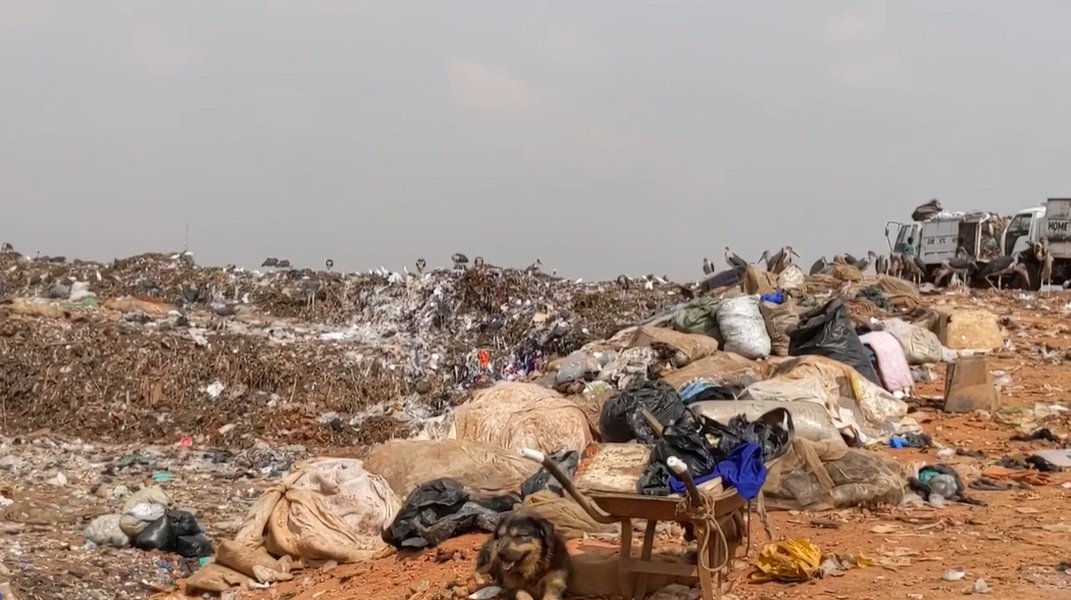
An aerial view of a large landfill, such as Kiteezi in Uganda, illustrating the scale of waste accumulation common in many rapidly urbanizing African cities.
Environmental Consequences in African Contexts
The environmental toll of inadequately managed landfills in Africa is substantial:
- Air Quality Deterioration: Uncontrolled decomposition in open dumps and poorly managed landfills releases significant amounts of methane and other harmful gases. Frequent open burning of waste to reduce volume further exacerbates air pollution, releasing particulate matter, dioxins, and furans, posing serious respiratory health risks (afripoli.org, 2024).
- Water Resource Contamination: Leachate from these sites frequently contaminates groundwater and surface water systems, which are often vital sources of drinking water for local communities. Studies across various African countries have detected high levels of pollutants, including heavy metals and pathogens, in water bodies near landfills, impairing water quality and agricultural viability (oaepublish.com, 2024; PMC, 2022).
- Public Health Concerns: Residents living near these sites face heightened risks of diseases such as cholera, typhoid, dysentery, and respiratory illnesses due to exposure to contaminated water, air, and disease vectors like flies and rodents attracted to the waste (PMC, 2022; ResearchGate, 2023).
- Threats to Biodiversity: Landfills consume land, leading to habitat loss. Soil and water pollution degrade surrounding ecosystems, affecting plant life, aquatic organisms, and terrestrial wildlife (greeningafrika.com, 2024).
The issue is sometimes compounded by what has been termed "waste colonialism," where developed nations export waste, including hazardous materials, to African countries with less stringent environmental regulations, further burdening their limited waste management capacities (Medium, 2023).
Uganda's Story: The Kiteezi Landfill and Its Environmental Saga
Uganda, like many African nations, faces significant challenges in managing its urban waste. The Kiteezi landfill, serving the capital city Kampala, is a prominent example of how initial intentions for improved sanitation can be overwhelmed by rapid urban growth and operational difficulties.
From Hopeful Solution to Overwhelmed Reality
The Kiteezi landfill was commissioned in 1996 as Kampala's first sanitary landfill, a crucial step intended to replace prevalent open dumping practices that severely polluted the city (KCCA, 2014, as cited in user query & Answer B). Designed for a much smaller urban population, Kiteezi quickly became overwhelmed due to Kampala's explosive population growth and persistent issues with poor waste segregation at source. Mixed waste, rich in organic matter and plastics, has led to the landfill exceeding its design capacity many times over (mak.ac.ug, 2024).
The Local Environment Under Siege
The consequences of Kiteezi's overburdened state and improper management practices are acutely felt in its surrounding environment, affecting air, water, resident health, and biodiversity:
- Air Pollution at Kiteezi: The landfill is a major source of methane emissions from decomposing organic waste. Frequent, often uncontrolled, fires at the site release smoke and noxious fumes, further degrading local air quality. Residents in nearby areas like Mpererwe consistently report foul odors and respiratory ailments (Mail & Guardian, 2024; afripoli.org, 2024).
- Water Contamination Crisis: Leachate management at Kiteezi has been a persistent problem. The oily, toxic runoff, laden with heavy metals and organic pollutants, frequently escapes containment, polluting nearby streams (like the Nakivubo channel tributaries) and groundwater sources. This directly endangers the primary water sources for adjacent communities and harms aquatic ecosystems (mg.co.za, 2024; earthjournalism.net, 2024; Makerere University, 2023).
- Health of Kiteezi's Neighbours: Communities living in close proximity to the Kiteezi landfill experience a range of health issues. Studies and reports link exposure to pollutants from the landfill to increased incidences of coughing, asthma attacks, skin diseases, and gastrointestinal problems (PMC, 2019; TMAfrica, 2024). The tragic landfill landslide in August 2024, which resulted in fatalities, starkly highlighted the compounded environmental and human health risks associated with the site's instability (BBC, 2024; EOS, 2024).
- Biodiversity Loss Around the Landfill: The physical footprint of the landfill has encroached on natural habitats. More insidiously, the contamination of soil and water bodies with toxic leachate has altered soil chemistry and degraded aquatic environments, leading to a decline in local plant and animal life (dissertations.mak.ac.ug, 2024; HICGI News Agency, 2020).
The situation at Kiteezi underscores the critical need for sustainable waste management strategies in rapidly urbanizing African cities, including improved waste segregation, resource recovery, investment in modern landfill technology, and robust environmental monitoring and enforcement.
This video provides a general overview of the environmental impact of landfills, highlighting issues like greenhouse gas emissions and leachate, which are relevant to the challenges faced globally, in Africa, and specifically at sites like Kiteezi.
Visualizing Landfill Impacts: A Comparative Analysis
To better understand the varying degrees of environmental stress posed by landfills, the radar chart below offers a comparative visualization. It assesses key environmental impact categories—Air Quality Degradation, Water Resource Contamination, Resident Health Risks, Biodiversity Loss, and Management Complexity—across three contexts: an idealized modern sanitary landfill (Global Best Practice), a typical urban landfill in Africa, and the specific case of the Kiteezi landfill in Uganda. The scores range from 1 (minimal impact/complexity) to 10 (severe impact/complexity), based on synthesized information from various reports and studies.
This chart illustrates that while even best-practice landfills have environmental footprints, the challenges and impacts are significantly amplified in contexts with resource constraints and high waste generation pressures, as seen in many African urban centers and particularly at the Kiteezi landfill.
Mapping the Complexity: Interconnected Factors of Landfill Impact
The environmental and health impacts of landfills are not isolated issues but arise from a complex interplay of various factors. The mindmap below illustrates these interconnections, starting from the root causes of landfill problems, through the types of pollution generated, to the ultimate consequences for the environment and human populations, and also highlighting key management challenges.
This mindmap highlights how factors like rapid urbanization and poor waste segregation (Causes) lead to various forms of pollution, which in turn result in severe health and environmental consequences. Effective management strategies must address these interconnected elements to mitigate the negative impacts of landfills.
Key Landfill Characteristics and Environmental Consequences: A Summary
The table below summarizes the historical context, key environmental impacts related to air, water, health, and biodiversity, and major challenges associated with landfills globally, in Africa, and specifically concerning the Kiteezi landfill in Uganda. This provides a comparative overview of how these waste management sites affect their surrounding environments.
| Feature | Global Historical Context | African Context (General) | Uganda (Kiteezi Landfill) |
|---|---|---|---|
| Dominant Era of Concern | 19th Century - Present (evolution from open dumps) | Late 20th Century - Present (rapid urbanization pressures) | 1996 - Present (commissioned as sanitary landfill) |
| Initial Objective | Basic waste containment, public sanitation | Addressing open dumping, managing growing urban waste | Replace open dumping in Kampala, provide sanitary disposal |
| Key Evolutionary Aspect | Shift from open dumps to engineered sanitary landfills with liners and gas collection. | Formalization of landfill sites, but often under-resourced and poorly managed. | Designed as a sanitary landfill, but quickly exceeded capacity leading to mismanagement. |
| Primary Air Quality Impacts | Methane (CH4), Carbon Dioxide (CO2), Volatile Organic Compounds (VOCs) from decomposition. | High methane emissions, dust, smoke from spontaneous or intentional waste burning, strong odors. | Significant methane, hazardous air pollutants, pervasive odors, smoke from frequent fires. |
| Primary Water Quality Impacts | Leachate (toxic liquid runoff) potentially contaminating groundwater and surface water. | Uncontrolled leachate polluting local water sources (rivers, groundwater) vital for communities. | Hazardous leachate release contaminating nearby streams and groundwater; inadequate treatment. |
| Common Health Impacts on Nearby Residents | Respiratory issues, potential exposure to toxins, nuisance from odors and pests. | Increased prevalence of respiratory diseases, gastrointestinal infections, vector-borne diseases. | High rates of respiratory problems, skin diseases, waterborne illnesses; risks from landslides. |
| Typical Biodiversity Threats | Habitat loss due to land use, soil and water contamination affecting flora and fauna. | Habitat destruction, severe pollution of aquatic and terrestrial ecosystems, loss of local species. | Contamination of local streams (e.g., Nakivubo wetland system), soil degradation, habitat loss for local wildlife. |
| Overarching Management Challenge | Ensuring long-term containment, managing greenhouse gas emissions, finding suitable land. | Inadequate infrastructure, lack of funding, poor enforcement of regulations, rapid increase in waste volume. | Massively exceeded capacity, poor waste segregation, insufficient leachate and gas management, site instability. |
Frequently Asked Questions (FAQs)
What is the main difference between an open dump and a sanitary landfill?
Open dumps are uncontrolled sites where waste is disposed of without environmental safeguards, leading to significant pollution. Sanitary landfills are engineered facilities designed to isolate waste from the surrounding environment using liners, leachate collection systems, and gas management systems to minimize pollution (sbnsoftware.com, n.d.).
How does leachate from landfills affect water quality?
Leachate is a highly toxic liquid that forms as water percolates through landfill waste. It contains dissolved and suspended materials, including heavy metals, organic compounds, and pathogens. If it escapes the landfill, it can contaminate groundwater and surface water bodies, making them unsafe for drinking, agriculture, and aquatic life (PMC, 2022).
What are the primary health risks for people living near landfills like Kiteezi?
Residents near poorly managed landfills like Kiteezi face risks such as respiratory problems (asthma, bronchitis) from air pollutants (gases, particulate matter from burning waste), gastrointestinal diseases from contaminated water, skin infections, and potential long-term effects from exposure to toxic substances. Odors and pests also significantly impact their quality of life (PMC, 2019; Mail & Guardian, 2024).
How do landfills contribute to climate change?
The anaerobic decomposition of organic waste in landfills produces methane (CH4), a potent greenhouse gas that is about 28-34 times more effective at trapping heat in the atmosphere than carbon dioxide (CO2) over a 100-year period (though some sources like University of Colorado Boulder, 2021, state it's 84 times more effective over 20 years). Landfills are a significant global source of anthropogenic methane emissions.
What challenges does Africa face in managing landfill impacts?
African countries often contend with rapid urbanization leading to increased waste, insufficient funding for proper waste management infrastructure, limited technical expertise, weak regulatory enforcement, and sometimes the burden of imported waste. This often results in reliance on open dumps or poorly engineered landfills, amplifying environmental and health impacts (ResearchGate, 2023; oaepublish.com, 2024).
Recommended Further Exploration
- What are the latest technologies for sustainable landfill management and leachate treatment?
- How does poor waste segregation at household level contribute to landfill problems in urban areas?
- Explore case studies of successful landfill remediation and repurposing projects globally.
- What are the socio-economic impacts of landfills on property values and community development in surrounding areas?
References
Last updated May 6, 2025