
Exploring Language as a Biological Entity
Understanding the Genetic Influences on Language Acquisition and Variability
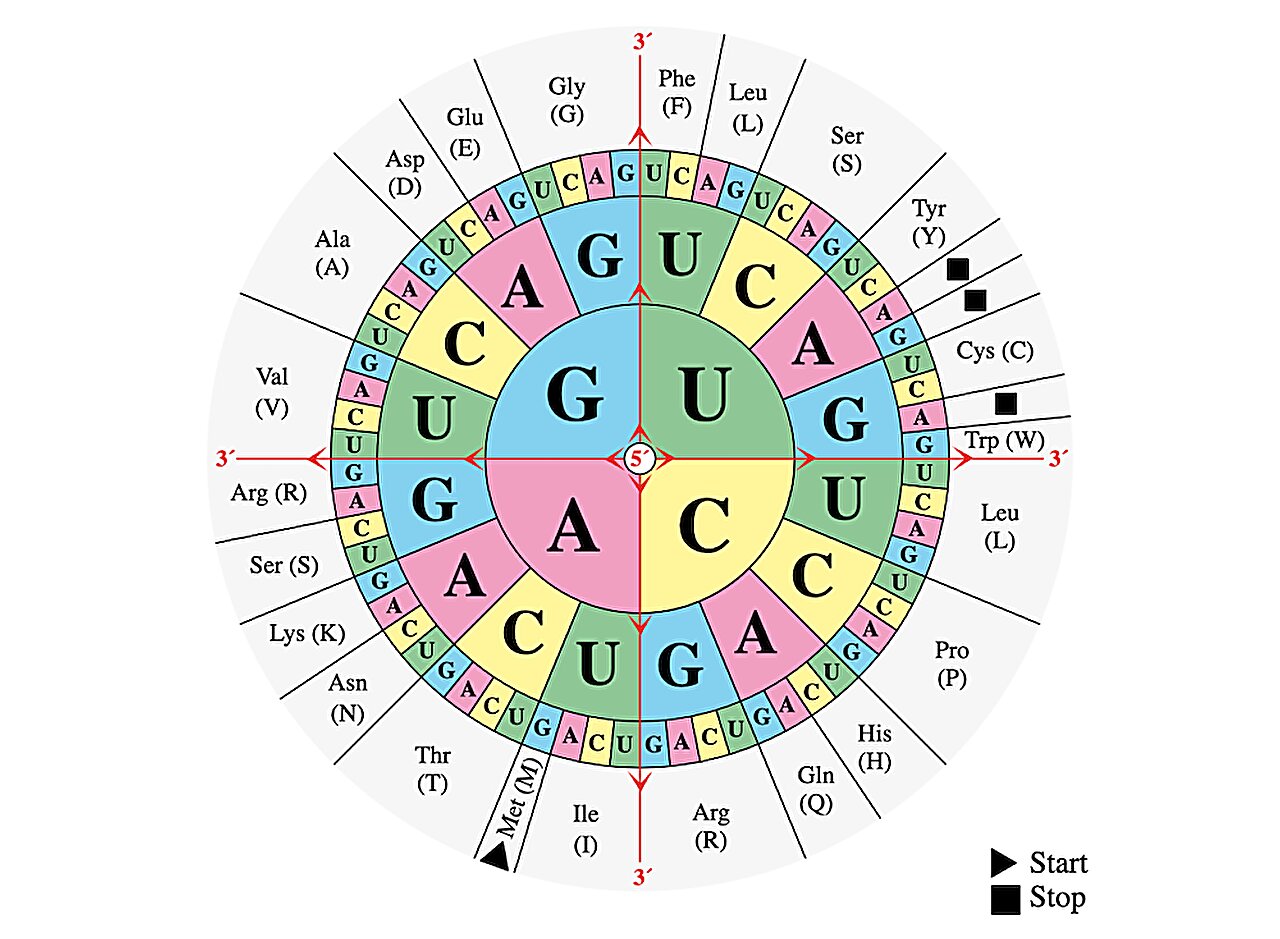
Highlights
- Genetic Underpinnings: Studies suggest that specific genes influence language development, including how dialects such as conyo languages are acquired.
- Biolinguistic Framework: The concept frames language as an inherent, possibly genetically transmitted ability that varies across individuals.
- Interdisciplinary Research: Multiple research fields, including linguistics, genetics, neurology, and cognitive science, lend insights into this complex topic.
Overview of the Concept
The notion that language is a biological entity has been a subject of considerable academic interest across several disciplines, including linguistics, genetics, psychology, and neurobiology. This perspective argues that language acquisition is not solely a result of environmental exposure or social learning, but is also significantly influenced by genetic factors. Such a view posits that the human brain is inherently equipped with structures and mechanisms that facilitate language learning—a property that is inherited and subject to variation among individuals.
One key aspect of this theory involves the idea that while every individual inherits a predisposition or capacity for language (sometimes conceptualized as the "Language Acquisition Device"), the way in which language is expressed, acquired, and even varied (such as in conyo language phenomena) is subject to genetic variability. Various studies have pointed to specific genes—for instance, FOXP2, CNTNAP2, and others—that play roles in how language is processed, learned, and sometimes, in linguistic impairments. The research suggests that genetic differences can account for why some individuals develop enhanced linguistic capabilities while others may face challenges in language acquisition.
Historical and Theoretical Foundations
Chomsky’s Universal Grammar and Biolinguistics
Noam Chomsky’s work in the mid-20th century laid much of the groundwork for this discussion by introducing the idea of Universal Grammar. Chomsky proposed that the ability to learn language is innate, and that all human languages share fundamental structural properties. This theory suggests that the genetic blueprint for language is embedded in the human brain, influencing how any given individual acquires and employs language. The concept extends to explaining linguistic variability as not just a function of environmental differences, but also as a result of biological variation—thus setting the stage for the argument that language itself could be considered a biological entity.
Advancements in Genetics and Neurobiology
More recent advances in molecular genetics have identified specific genes that impact language development. One prominent example is the FOXP2 gene, which has been associated with speech and language disorders when mutated. Such discoveries emphasize a genetic basis for not only the ability to acquire language but also for variations in linguistic proficiency. This has led many researchers to conclude that while exposure to language is critical, the inherent biological and genetic endowment of an individual plays an equally significant role in shaping language acquisition.
Genetic Influence on Language Acquisition
Key Genes and Their Functions
Studies have identified several genes essential for language processing, of which FOXP2 is among the most researched. Variants in the FOXP2 gene influence areas of the brain linked to vocalization and language comprehension. Other genes, including CNTNAP2 and KIAA0319, have also been studied for their contributions to neurodevelopmental processes related to language. Each of these genes can contribute to how an individual processes language, thus providing a molecular basis for the inherited variability in language acquisition. This means that even though every person might have the basic genetic architecture necessary for language, the differences in gene expression can account for variations in language abilities and developmental trajectories.
Genetics and Variability in Conyo Languages
“Conyo languages” in the Philippines represent a fascinating case where the interplay between genetic endowment and socio-cultural factors yields a notable linguistic variant. While social factors such as bilingual exposure, shifting language patterns, and cultural interactions are essential contributors, the underlying concept that individuals have an innate capacity for language means that genetic factors may contribute to how individuals adopt and adapt to such linguistic phenomena. This view supports the idea that either inheritable linguistic tendencies or even minor genetic variations can influence how a bilingual or multilingual individual might express language differently, contributing to the emergence of sub-dialects or hybrid forms of language.
Role of Twin and Family Studies
Evidence from Behavioral Genetics
Twin and family studies have been instrumental in demonstrating the heritability of language abilities. For example, research comparing identical twins, who share almost all of their genetic material, with fraternal twins, who share roughly half, has shown that the former group often exhibits more similar language proficiency levels than the latter. Such studies provide robust evidence that genetics significantly contribute to language development discrepancies among individuals. These findings underscore the hypothesis that while the environment and social exposure are undeniably important, innate genetic factors play a pivotal role in language variability. This also extends to explaining why some individuals may be more adept at learning and innovatively using language, including emerging variants like conyo languages.
Implications for Language Disorders
The genetic framework for language acquisition also helps explain certain language disorders. Specific genetic mutations or variations can predispose individuals to language impairments such as dyslexia or developmental language disorder. Understanding the genetic basis of language not only aids in academic research but also informs clinical approaches to these disorders. Therapy and intervention programs increasingly consider genetic predispositions when tailoring strategies for language rehabilitation.
Integrating Cultural and Environmental Perspectives
The Interplay Between Biology and Culture
While genetic factors provide a biological foundation for language acquisition, it is crucial to recognize that language is a dynamic social tool shaped by cultural and environmental forces. Language, even when thought of as possessing biological roots, evolves through interaction, contact, and cultural innovation. For instance, the development of conyo languages in the Philippines is not only a result of genetic predisposition but also a product of historical, social, and cultural blending—typically arising in contexts where multiple languages interact in daily communication.
Scholars argue that this biological predisposition to language works in tandem with the cultural environment. While the genetic blueprint may make one predisposed to acquiring language, the actual form, idiosyncrasies, and innovations of language are largely driven by social interaction, migration, education, and media. This synthesis of genetic enfranchisement with sociocultural factors produces the rich tapestry of human language. Consequently, research in this field often takes an interdisciplinary approach, considering both the biological underpinnings and the cultural dynamics that influence how language is transmitted, adapted, and diversified.
Current Research and Future Directions
Interdisciplinary Studies and Methodologies
The study of language as a biological entity is an evolving field that relies on meta-analyses of genetic studies, neuroimaging research, and sociolinguistic observations. Researchers employ advanced genetic sequencing, functional MRI, and behavioral studies to delve into the complexities of how language is developed within the brain. Such research not only confirms the existence of biological predispositions but also clarifies the extent to which specific genes and neural circuits contribute to linguistic abilities.
Moreover, collaborative efforts have bridged the gap between traditional linguistic theory and modern genetics. This integration—often referred to as biolinguistics—seeks to establish a comprehensive framework that encapsulates both innate and learned aspects of language. Conferences, symposiums, and academic journals now routinely publish findings that elucidate the genetic correlates of language. For scholars, understanding these mechanisms opens up pathways for improving educational strategies, refining language training methods, and even crafting more effective intervention programs for language-related disorders.
Recent Studies and Notable Contributions
Several seminal papers and research articles underscore the interplay between genes and language. Researchers looking into the genetic basis of language acquisition highlight how even subtle genetic differences can lead to significant variations in language proficiency and complexity. Studies exploring the roles of FOXP2 and other relevant genes have provided concrete evidence linking genetic makeup to linguistic capabilities. Furthermore, interdisciplinary studies combining genetics with neurocognitive assessments have found that brain structures dedicated to language processing, such as differences in the Broca’s and Wernicke’s areas, correlate with genetic markers.
A Comparative Overview: Scholarly References and Resources
| Resource Title | Description | URL |
|---|---|---|
| Language as a Biological Construct: On the Intrinsic Variability and... | A paper that discusses language inheritance and genetic variability in language expression. | View Resource |
| On the Evolution of Language: A Biolinguistic Perspective | This article examines the genetic basis of language faculty evolution. | View Resource |
| Biolinguistics - Wikipedia | An entry that describes the study of the biological foundations of language. | View Resource |
| The Genetics of Language Acquisition (PDF) | An academic chapter dedicated to understanding genetic contributions towards language development. | View Resource |
| Genetic Factors Partly Influence Differences in Language Development | An article discussing how genetic variability relates to linguistic differences. | View Resource |
Additional Insights and Broader Implications
Implications for Linguistic Diversity
The concept that language acquisition is both genetically and environmentally influenced makes it possible to understand the diversity of linguistic expressions globally. Conyo languages, for example, are an emergent phenomenon that reflects how different linguistic communities evolve unique dialects and language blends. This genetic predisposition is not a deterministic plan for language but provides flexibility in learning and adapting to linguistic environments. Thus, while culture plays a pivotal role in shaping language, underlying genetic factors ensure that the ability to innovate and modulate language is universal among humans.
Future Research and Technological Advances
As genetic research and neuroimaging technologies continue to improve, it is expected that our understanding of language as a biological entity will deepen. Future studies may reveal more precise genetic markers that dictate individual differences in language acquisition. This will not only enhance educators’ ability to address language learning difficulties but also inform the development of AI language models that simulate human linguistic diversity. Furthermore, interdisciplinary studies will broaden our comprehension of how societal influences interact with genetic predispositions to shape complex linguistic phenomena such as conyo languages.
Bridging Research and Applied Linguistics
Bridging the gap between theoretical research and practical applications, modern linguistics increasingly relies on this integrated approach. Schools, educational systems, and language therapy programs can benefit from a deeper understanding of the interplay between genetics and language. Insights from genetic studies can be applied to personalize language instruction or therapeutic strategies. Researchers continue to advocate for a model that views language not merely as a cultural artifact but as a biologically embedded human trait, subject to both inherited and adaptive changes.
References
- Language as a Biological Construct - Semantic Scholar
- On the Evolution of Language - Chomsky.info
- Biolinguistics - Wikipedia
- The Genetics of Language Acquisition - ResearchGate
- Genetic Factors in Language Development - ScienceDaily
Recommended Related Queries
Last updated March 18, 2025