
Literature Review on Language Preservation
Exploring multifaceted strategies to protect cultural and linguistic heritage
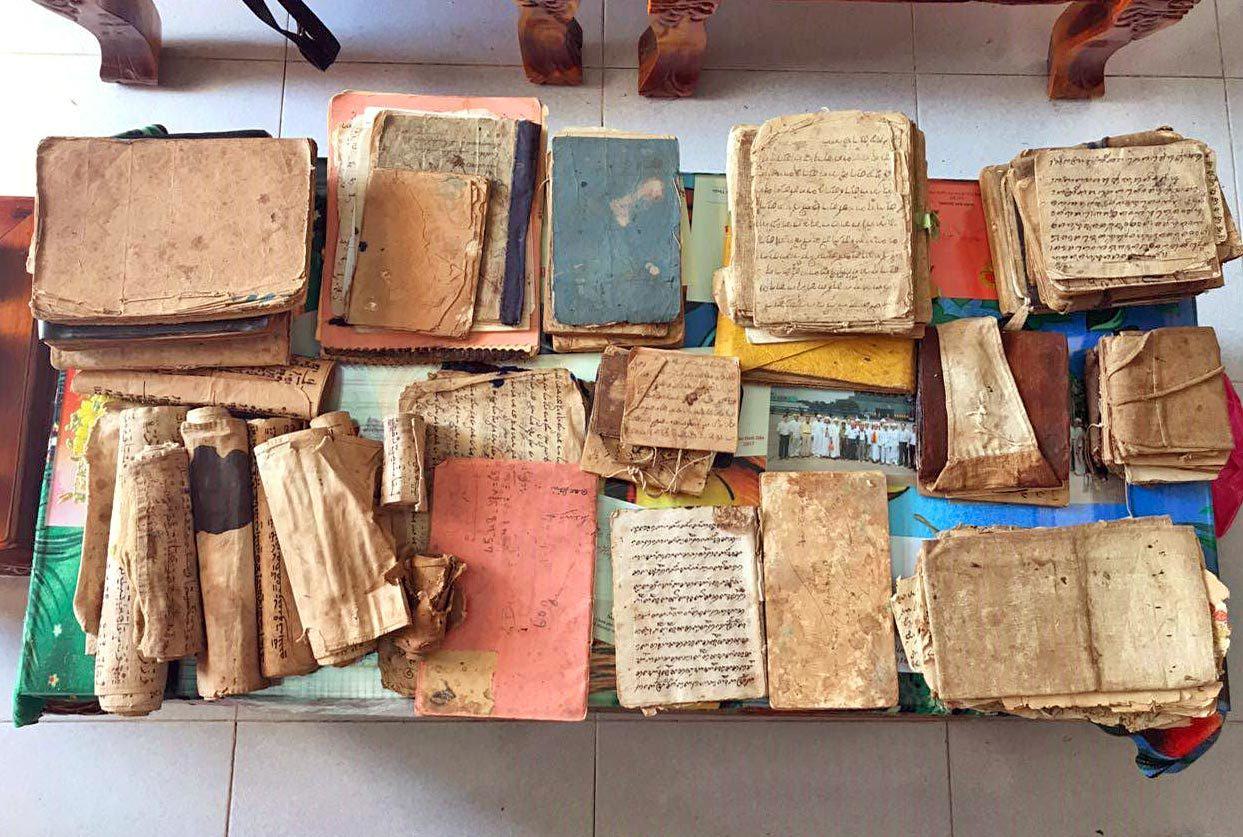
Key Highlights
- Cultural and Identity Preservation: Languages are deeply intertwined with cultural identity.
- Multifaceted Approaches: Initiatives range from digital archives and education to community engagement and policy measures.
- Technological Innovations: Technology offers transformative tools for documentation and revitalization.
Introduction
Language preservation is not simply a study of linguistics; rather, it is a comprehensive social, cultural, and political endeavor that aims to conserve the languages at risk. Unique dialects, many of which hold centuries of cultural heritage, are rapidly disappearing in the face of globalization, changing demographics, and the dominance of major world languages. This literature review synthesizes recent scholarly work, reports, and case studies on preserving endangered languages, underscoring the importance of safeguarding linguistic diversity as an essential component of human heritage.
The Significance of Language Preservation
Cultural and Social Importance
Languages are vessels of cultural and historical knowledge. They carry embedded traditions, stories, values, and worldviews unique to each community. When a language becomes extinct, the cultural context and literature it encapsulates are lost forever. Scholars emphasize that preserving languages goes beyond maintaining a means of communication—it is about conserving the cultural identity and history that define communities. For indigenous and minority groups, language serves as a key to understanding their roots, rituals, and their connection to ancestral lands.
Identity and Collective Memory
Language acts as a marker of identity. It has been proven that the use and revitalization of a native tongue can have positive mental health outcomes and enhance the sense of belonging among community members. Several studies indicate that cultural practices, when married with language, bolster community resilience, reinforce self-esteem, and contribute to the overall well-being of indigenous populations. This aspect of language preservation ensures that alongside the preservation of the language itself, the vitality of the native cultures and customs is simultaneously reinforced.
Methodologies in Language Preservation
Digital Archives and Documentation
Digital technology has revolutionized the field of language preservation. Innovations in digital archives allow for the systematic documentation and storage of linguistic data, including audio recordings, written texts, and visual materials that encapsulate the cultural context. These archives serve as accessible repositories for researchers, educators, and community members, ensuring that even if a language loses day-to-day usage, its corpus remains available for revival efforts. Digital tools such as AI, Natural Language Processing, and machine learning models contribute significantly to the analysis, classification, and restoration of endangered languages.
Roles of AI and Machine Learning
Advances in artificial intelligence have opened up new dimensions for language preservation. AI-powered tools are being utilized for automated transcription, translation, and even the generation of educational resources in endangered languages. By processing vast datasets, language models can reconstruct lost grammatical structures and provide comparative analyses with related languages, thereby offering a more precise framework for revitalization.
Educational Integration and Community Engagement
Integrating endangered languages within educational curricula is a cornerstone strategy for their long-term sustainability. Programs that incorporate bilingual or immersion approaches have demonstrated success in reviving language use among younger generations. Community-driven education initiatives, where elders and fluent speakers participate directly in teaching, not only promote proficiency but also strengthen cultural bonds and intergenerational knowledge transfer. In many countries, pilot projects funded by local governments or international collaborations are aiming to reinstate the learning of native languages in schools.
Bilingual Education Programs
Bilingual education programs have shown that students benefit linguistically and cognitively from being exposed to their cultural heritage alongside mainstream subjects. This approach not only aids in cultural preservation but also creates an environment where language is used naturally in daily interactions. As a result, students develop a dual identity, valuing both their native language and the dominant language required for broader communication.
Community-Led Initiatives and Policy Support
The success of language preservation is tightly bound to community involvement. Local communities are often best positioned to understand and implement culturally relevant preservation practices. Initiatives range from community-led language documentation projects to cultural festivals and public speaking events that celebrate linguistic heritage. Furthermore, governmental and international policies play a critical role in creating favorable conditions for language revival. Policies that recognize linguistic rights, allocate funding, and foster an inclusive educational environment significantly boost language sustainability.
Legislative and Policy Frameworks
Effective legislation offers not only protection for endangered languages but also provides the necessary resources for their preservation. National and supranational bodies, such as UNESCO and the United Nations, have been instrumental in formulating initiatives like the Decade of Indigenous Languages. These policies encourage countries to document their endangered languages, integrate them into public education systems, and support cultural institutions that promote language usage.
Challenges in Language Preservation
Technological and Infrastructure Barriers
Despite advances in digital archiving and documentation, there remain significant obstacles in language preservation efforts. Many endangered languages stem from communities with limited access to robust technological infrastructure. Challenges include insufficient funding for digital projects, a lack of expertise in using advanced software, and digital divides that prevent widespread access to technological tools.
Digital Literacy Gaps
The transition towards a digitally supported preservation method is often hindered by a gap in digital literacy. Older generations, the primary custodians of many traditional languages, may not be familiar with modern digital tools, making it difficult to contribute effectively to digital archives. Bridging this gap requires training initiatives aimed at increasing digital competencies among community members.
Cultural and Societal Resistance
Some communities might resist the inclusion of modern technological techniques in the preservation of their languages. There can be apprehensions that technology might dilute the traditional ways or introduce misinterpretations of cultural nuance. Moreover, the influence of dominant cultures sometimes overshadows local languages, leading to perceptions that these languages are less valuable or obsolete. Addressing these concerns requires sensitive, culturally informed approaches that underscore the complementary role of technology.
Balancing Tradition with Innovation
It is crucial that language preservation initiatives strike a balance between maintaining authentic traditional practices and adopting innovative technologies. By ensuring that community members are active participants in the digital transition, many of these concerns can be alleviated. The goal is not to replace traditional methods but to enhance them, preserving authenticity while leveraging the benefits of modern tools.
Successful Case Studies and Strategies
Innovative Digital Initiatives
Several digital projects have successfully archived endangered languages. Digital libraries and language banks function as living repositories of linguistic and historical records. These platforms digitize audio interviews, texts, photographic records, and cultural artifacts. Such efforts ensure that the usage, context, and evolution of a language are documented for future generations. In particular, platforms that integrate AI capabilities have enhanced accuracy in transcription and translation, allowing for more systematic study and preservation of linguistic nuances.
Example: AI-Powered Language Documentation
One standout approach involves using AI to assist in the documentation process. Researchers employ machine learning algorithms to analyze patterns in oral histories and written manuscripts, thereby reconstructing linguistic structures that might otherwise be lost. These digital systems not only aid in the preservation of syntax and grammar but can also compare languages to find common roots and divergent evolution paths, enriching our overall understanding of linguistic history.
Community and Educational Programs
Beyond technology, localized community-led initiatives have yielded promising results in sustaining endangered languages. Programs that encourage active learning, where younger community members are taught by elders, foster an organic revival of language use. For example, immersion schools and after-school programs have significantly boosted local language proficiency. These initiatives are typically embedded within a broader cultural framework, ensuring that language learning remains a vibrant, community-based process.
Example: Bilingual Education in Indigenous Communities
In many parts of the world, bilingual education programs have revitalized indigenous languages by incorporating them into the formal school curriculum. These programs often feature curricula that are co-developed by local educators and linguists, ensuring that teaching methods are culturally relevant and linguistically sound. The success of these initiatives reflects the importance of sustained community engagement backed by supportive educational policies.
Synthesized Strategies for Improved Preservation
Holistic and Inclusive Approaches
The multifaceted nature of language preservation calls for integrated strategies that combine technological innovation, educational integration, community participation, and supportive policy frameworks. A sustainable language preservation methodology must address the cultural dimension of language use while also leveraging digital advances and community knowledge. This holistic approach not only documents languages but ensures that they continue to be actively spoken and valued in everyday life.
Integration Across Sectors
Key to successful language revitalization is the active involvement of multiple sectors. Educational institutions, governmental bodies, community organizations, and technological innovators must coordinate their actions. Creating partnerships can facilitate resource sharing, training, and the development of digital tools suitable for communities with varying degrees of technological literacy. For instance, library archives often collaborate with tech firms to digitize documents and create online repositories that are accessible to scholars and local speakers alike.
Global Initiatives and Local Adaptations
International organizations such as UNESCO and the United Nations advocate for the preservation of endangered languages on a global scale by providing funding, guidance, and policy recommendations. The collection of global data, shared best practices, and cross-cultural exchange programs can empower local communities to tailor these initiatives to their specific needs. At the local level, community-driven projects adapt global strategies into culturally relevant practices that reflect the unique identity of the language and its speakers.
Local Adaptation Examples
In many regions, government-supported pilot programs have incorporated local dialects into its educational system or cultural events. These initiatives demonstrate that while the challenges may be universal, the solutions are often best designed at the community level where the nuances of language and culture are fully understood. The success of such projects is a testament to the power of grassroots movements in the global context of language preservation.
Research and Data Overview
Comparative Analysis of Preservation Strategies
The following table summarizes and compares several key strategies, challenges, and outcomes from recent studies and initiatives in language preservation:
| Strategy | Description | Key Benefits | Primary Challenges |
|---|---|---|---|
| Digital Archives & AI Tools | Documentation via digital media, AI-assisted transcription, and language pattern analysis. | Preservation of audio, textual data; enhanced data retrieval; systematic reconstruction. | Digital literacy gaps; infrastructure limitations in remote areas. |
| Bilingual & Immersion Education | Incorporation of endangered languages into school curricula and community learning programs. | Improved language fluency among younger generations; cultural reinforcement. | Resource limitations; curriculum development issues; balancing modern content with traditional values. |
| Community Engagement Initiatives | Local language documentation, storytelling, and cultural festivals. | Strengthened community ties; organic language use in cultural contexts. | Dependence on volunteers; variable funding; cultural resistance to digital transformation. |
| Policy and Legislative Support | Laws and initiatives recognizing linguistic rights and providing funding for language preservation. | Enhanced institutional backing; long-term sustainability; increased public awareness. | Inconsistent implementation; bureaucratic delays; political challenges. |
The comparative analysis demonstrates that while each strategy offers distinct advantages, their effectiveness is often interdependent. The synergy of well-integrated technology, education, community engagement, and supportive policy frameworks is essential for sustaining endangered languages.
Future Directions and Innovations
Potential for Emerging Technologies
Emerging digital innovations present promising avenues for language preservation. Enhanced machine learning algorithms, coupled with big data analytics, are expected to further refine the documentation process. These systems can analyze linguistic usage on social media and other digital platforms, providing real-time insights into language trends. Furthermore, virtual reality (VR) and augmented reality (AR) offer immersive environments where language learners can interact with virtual cultural settings, deepening their engagement and understanding of the language.
Innovative Educational Platforms
Future educational platforms may integrate VR and AR to simulate immersive learning experiences that mimic real-life interactions in native languages. Such environments not only facilitate language practice but also help rebuild connections between learners and the cultural contexts of language use.
Integrating Traditional Knowledge with Digital Platforms
The amalgamation of traditional linguistic knowledge with modern digital platforms remains a vital future-oriented strategy. By capturing oral traditions, folklore, and cultural narratives through digital media, communities can ensure that their language heritage is preserved in its most authentic form. This integration requires sensitivity to cultural contexts and active involvement from community elders and cultural custodians.
Cross-Sector Partnerships
Collaborative initiatives involving local governments, international organizations, technological companies, and academic institutions are shaping up as a blueprint for future language preservation efforts. These partnerships bring together diverse expertise, ensuring that both traditional cultural knowledge and cutting-edge technology are harmoniously leveraged. The combined efforts of local and global partners hold the promise of not only preserving languages but also restoring pride and identity among younger generations.
References
- Setswana and Punjabi Preservation - Frontiers in Communication
- Indonesia's Language Preservation Efforts - IJASS Journal
- Role of Libraries in Language Preservation - ResearchGate
- Technology and Language Preservation - ResearchGate
- Social Media and Indigenous Language Promotion - Sage Journals
Recommended Further Inquiries
Last updated March 14, 2025