
Transforming Discarded Lanzones into Delicious Jam
Exploring the Culinary Potential of Unused Tropical Fruits
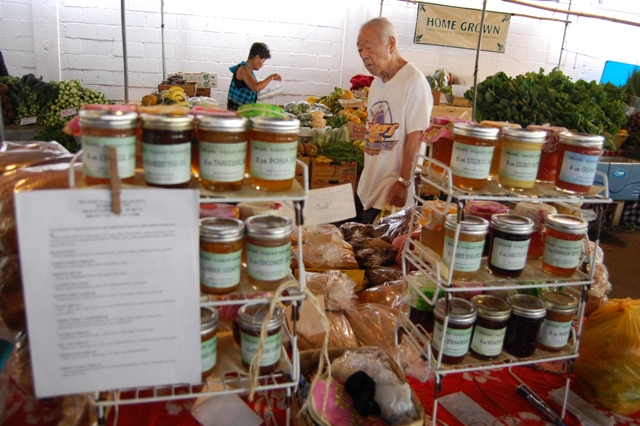
Highlights
- Innovative Repurposing: Unused lanzones can be transformed into a flavorful jam, reducing waste.
- Simplistic Process: The jam is prepared using minimal ingredients, preserving the fruit's unique taste.
- Economic and Culinary Impact: Vendors not only reduce waste but also enhance profitability by creating a new product.
Comprehensive Overview of Lanzones Jam
The tropical fruit known as lanzones, prized for its distinctive sweet and tangy flavor, often faces a fate of discard among fruit vendors in Southeast Asia due to oversupply or market fluctuations. With its delicate balance of natural sweetness and a subtle hint of tartness, lanzones has been traditionally enjoyed fresh; however, its transformation into a delectable jam presents a sustainable and innovative alternative. When vendors find themselves with surplus fruit that might otherwise be wasted, transforming these fruits into a spreadable preserve can not only prevent food loss but also allow them to tap into different market segments, from artisanal food enthusiasts to households seeking exotic flavors in their pantry staples.
The process of making lanzones jam is both straightforward and inventive. Typically, vendors or home cooks begin by selecting ripe lanzones fruit, which are then washed and adequately prepared by removing any seeds or inedible parts. The fruit is combined with sugar and a measured amount of water, and in some recipes, a touch of lemon juice is added to enhance its natural tanginess. This mixture is then slowly simmered until the fruit softens and breaks down, allowing the sugar to integrate and create a thick, spreadable consistency. This culinary technique mirrors many traditional methods of making homemade jams, yet it distinguishes itself through the utilization of a fruit that holds immense cultural and economic significance in tropical regions.
Beyond its culinary appeal, the creation of lanzones jam offers several important benefits that contribute to sustainability and economic resilience within local communities. As fruit vendors typically operate on thin margins, the ability to repurpose surplus fruit into a value-added product can significantly mitigate losses incurred from unsold stock. This not only helps in reducing food waste but also inspires a rethinking of how seasonal or excess produce can be creatively transformed. By engaging in this practice, vendors can create niche market products that appeal to a broader demographic, tapping into trends that favor locally crafted, artisanal foods. The process thereby bridges the gap between food sustainability and market innovation.
Moreover, the intricate balance of ingredients used in lanzones jam allows the natural characteristics of the fruit to remain prominent. The simplicity of the technique emphasizes quality over complexity, capturing the essence of the lanzones fruit in a jar. Culinary experts suggest that the ratio of fruit to sugar and water plays a significant role in determining the final texture and flavor intensity of the preserve. As the jam cooks, water evaporates, and the fruit juices combine with the sugar to form a concentrated syrup that eventually sets into a tantalizing spread. In some adaptations, chefs incorporate additional spices or natural pectin sources to refine the consistency and shelf life of the jam while preserving its authentic taste.
The transformation process also serves as an educational model for sustainable practices in food production. Culinary workshops and local food initiatives in regions where lanzones are abundant have begun to feature sessions on making homemade jams, thereby imparting invaluable knowledge and skills to community members. These initiatives highlight the importance of minimizing food waste and reinforce the idea that creativity in the kitchen can lead to both economic benefits and environmental stewardship. In culinary arts, the practice of preserving fruit through jam production is deeply rooted in tradition; thus, extending this method to less commonly utilized fruits like lanzones enriches the cultural fabric and gastronomic heritage of the region. This approach has captured the attention of food enthusiasts who value both tradition and modern sustainability practices.
In order to better illustrate the various components of the lanzones jam-making process, the following table provides a detailed breakdown of the ingredients, their functions, and the process steps:
| Component | Function | Details |
|---|---|---|
| Ripe Lanzones | Primary Ingredient | Provides the unique flavor and natural sweetness |
| Sugar | Preservative & Sweetener | Enhances the fruit's natural sweetness and aids in preservation |
| Water | Cooking Medium | Helps dissolve sugar and enables the cooking process |
| Lemon Juice (Optional) | Flavor & Preservation Enhancer | Adds a tangy note and helps in gel formation |
| Heat | Cooking Process | Breaks down the fruit and aids in achieving the desired consistency |
In-Depth Analysis of Culinary and Economic Impacts
Cultural Relevance and Sustainability
The incorporation of lanzones jam into the local culinary landscape is more than just a method of food preservation—it is a testament to human ingenuity in the face of economic challenges and environmental concerns. The process plays a crucial role in promoting sustainability by ensuring that a natural resource is fully utilized rather than wasted. For fruit vendors who often work on razor-thin profit margins, the repurposing of unsold lanzones into a marketable product demonstrates a strategic shift towards reducing economic loss through value addition. This transition is particularly important in tropical countries where lanzones is locally available in abundance, yet due to market inefficiencies, significant portions of the harvest sometimes go unsold. The method not only provides a viable solution to food waste but also opens additional revenue streams, thereby contributing to the overall resilience of local food economies.
The gastronomic value of lanzones jam also bears cultural significance, as it speaks to the broader narrative of traditional food preservation techniques passed down through generations. Many communities cherish homemade preserves that evoke nostalgia and a connection to their heritage. Integrating modern culinary trends with traditional recipes enhances the appeal of such products, especially among younger demographics who value authenticity blended with innovation. The effectiveness of this approach is evidenced by the growing popularity of artisanal jams and preserves on global food markets, where consumers are increasingly inclined towards products that boast superior quality and a story behind their creation. Thus, the transformation of lanzones into a spreadable jam is a harmonious blend of tradition, sustainability, and modern-day market dynamics.
Technical Aspects and Recipe Mechanics
On the technical front, lanzones jam-making involves careful control of cooking time and temperature to ensure that the final product achieves the desired consistency without losing its vibrant flavor profile. The recipe typically demands a delicate balance between fruit pulp, sugar, and a minimal amount of water, allowing the natural pectin in the lanzones to help the mixture set. Understanding the interaction between these variables is crucial, as variations can lead to differences in texture—from a slightly runny preserve to a firm, traditional jam. Chefs and home cooks alike pay close attention to the reduction process, employing techniques such as slow simmering to gradually concentrate the mixture without overcooking the fruit. When executed correctly, the process results in a smooth jam that maintains the brightness and natural aroma of the fresh lanzones fruit.
Additionally, the optional addition of lemon juice plays a key role not only in enhancing the tang but also in natural preservation. The acidity from the lemon acts as a catalyst in the gelling process, ensuring that the balance between sweetness and tartness is preserved over time. This technique, which has roots in various traditional jam recipes around the world, offers a modern twist to a classic method, seamlessly integrating local ingredients and culinary expertise. As more fruit vendors and culinary enthusiasts explore these avenues, the potential for innovation within this area continues to grow, inspiring improvements and variations that can cater to a wide range of palates.
Impact on Vendor Profitability and Market Diversification
From an economic perspective, the conversion of unsold lanzones fruit into a high-quality jam can transform a potential waste problem into a profitable business venture. This process provides vendors with the ability to diversify their product offerings, catering to niche markets and attracting a new clientele interested in unique, locally sourced gourmet spreads. By expanding their product portfolio, vendors can not only mitigate the financial losses associated with unsold produce but can also build a brand identity that highlights sustainability and innovation. The positive economic ripple effects of such practices are evident as more communities adopt value-added processing techniques across a variety of agricultural sectors. In essence, lanzones jam represents a practical and scalable example of how small-scale vendors can leverage traditional methods to overcome modern economic challenges.
Market research indicates that consumers are increasingly aware of the environmental and economic impacts of food waste, leading to a heightened appreciation for products that embody sustainability. The jam becomes a symbol of responsible consumption and innovative entrepreneurship, resonating with environmentally conscious buyers. This trend not only benefits the local economies of regions where lanzones is abundant but also encourages broader discussions around sustainable practices in food production worldwide. Consequently, the commercial success of lanzones jam may inspire similar initiatives in other domains, driving a wave of creative solutions that blend culinary tradition with modern economic imperatives.
Nutritional and Health Benefits
While often celebrated for its distinctive flavor and economic advantages, lanzones jam also presents several nutritional benefits. The fruit itself is known for containing essential vitamins and antioxidants, and when processed into jam with minimal additives, much of its natural goodness can be retained. This makes the jam a healthier alternative to highly processed sugar-laden spreads, as it offers a source of natural fruit-derived nutrients. Home-made versions especially can be tailored to meet health standards by adjusting the sugar levels and incorporating natural preservatives like lemon juice. For health-conscious consumers, this offers an extraordinary option that marries indulgence with nutritional value, highlighting the potential for traditional recipes to evolve in a health-aware market.
Studies have shown that incorporating fruits such as lanzones, which are rich in dietary fibers and vitamins, can contribute to overall well-being. The simmering process in jam-making may reduce some of the heat-sensitive nutrients; however, careful cooking practices help preserve a considerable amount of the beneficial compounds. Furthermore, with growing consumer preference for natural, less processed foods, such jams align well with current dietary trends that prioritize whole foods and minimal additives. The development and popularization of such preserves signal a crossroads between culinary art and nutrition science, where simple, traditional recipes are revisited to offer both flavor and health benefits.
Executive Summary in Five Sentences
Summary
1. Discarded lanzones fruit, commonly left unsold by vendors, can be transformed into a delightful, tropical jam that celebrates its natural flavors.
2. The process involves simmering ripe lanzones with sugar and a small amount of water, occasionally enhanced by lemon juice, to create a spreadable preserve.
3. This innovative technique not only minimizes food waste but also provides vendors with an opportunity to diversify their offerings and boost profitability.
4. By preserving the intrinsic taste and nutritional benefits of the lanzones fruit, the jam appeals to both gourmet lovers and health-conscious consumers.
5. Ultimately, the creation of lanzones jam is a practical application of sustainable food practices that bridges culinary tradition with modern market demands.
References
- Lanzones - Pinas Cuisine
-
Lanzones Jam - Your Gourmet Guru
- Homemade Jams - Pinas Cuisine
- Indigenous Tropical Fruits Recipes - Pinas Cuisine
-
Lanzones Recipes - Your Gourmet Guru
Recommended
Last updated March 6, 2025